
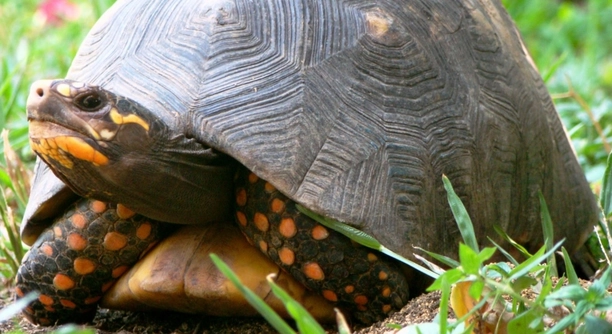
Red-footed tortoises are known for their varied diet, which includes both plant-based and occasional animal protein sources. As a responsible pet owner, it’s important to provide the right food for their health and well-being.
Oats are not the best food choice for red-footed tortoises due to their high carbohydrate content and low nutritional value. It is essential to provide a more balanced diet that includes fruits, vegetables, and other fiber-rich foods to ensure proper digestion.
There are better fiber sources available for your tortoise’s diet. Understanding the best food choices can help maintain its health and improve its quality of life.
Why Oats Are Not Ideal for Red-Footed Tortoises
Oats may seem like a simple addition to a tortoise’s diet, but they are not suitable for red-footed tortoises. These animals require a diet rich in fiber, but oats are not nutrient-dense enough to meet these needs. Oats are high in starch, which could cause digestive issues for your tortoise. They also lack essential vitamins and minerals that support a red-footed tortoise’s health. While oats are not toxic, they can lead to an imbalance if fed regularly. Proper diet choices are key to promoting good digestion and overall wellness.
Feeding oats frequently can also result in weight gain, as they are calorie-dense. Red-footed tortoises need foods that promote proper gut function. Feeding a diet too high in carbs can have negative long-term effects on their health.
Instead of oats, focus on foods rich in fiber and nutrients that are more suitable for their needs. Incorporating a variety of leafy greens, fruits, and vegetables will keep them healthy and thriving. Keep in mind that variety is essential for a balanced diet, which supports proper digestion and a strong immune system.
Better Fiber Sources for Your Tortoise
Fiber-rich foods are vital for maintaining your red-footed tortoise’s digestive health. Certain fruits and vegetables provide the necessary fiber to ensure that your pet’s digestive system functions well.
Leafy greens like collard greens, dandelion greens, and mustard greens should be a staple in your tortoise’s diet. These greens are rich in fiber and essential nutrients. Fruits like papaya, mango, and strawberries also provide fiber, though they should be given in moderation due to their sugar content. Cactus pads are another excellent option, offering both fiber and hydration. These foods encourage healthy digestion and keep your tortoise’s system moving properly.
Nutritional Needs of Red-Footed Tortoises
Red-footed tortoises require a balanced diet with high fiber, calcium, and other vitamins. Their natural diet consists mostly of plants, including leaves, flowers, and fruit. It is important to mimic this diet with foods that meet their nutritional needs. Offering a variety of plant-based foods ensures they receive essential nutrients.
A well-rounded diet for a red-footed tortoise should include calcium-rich foods to support shell growth and overall health. Calcium also helps prevent metabolic bone disease, a common issue in reptiles. Adding a small amount of protein from sources like eggs or insects is acceptable but should not dominate their diet. Providing a mix of greens, fruits, and occasional protein will keep them healthy.
Feeding your tortoise nutrient-dense, plant-based foods ensures it receives the right balance of vitamins, minerals, and fiber. This approach promotes digestive health and prevents potential health problems. Regularly rotate the foods offered to maintain a varied and well-balanced diet, which supports your tortoise’s long-term well-being.
How to Introduce New Foods
Introducing new foods should be done gradually to avoid upsetting your tortoise’s digestive system. Start by offering small amounts of new vegetables, fruits, or greens alongside its regular diet. Monitor how your tortoise reacts to the new foods, and if any issues arise, remove the new food from the diet.
Introduce different varieties of leafy greens and fruits, aiming for a mix of fiber-rich options. If your tortoise shows interest in the new food, continue offering it regularly. If your tortoise does not eat the new food immediately, don’t force it, as some tortoises can be hesitant to try unfamiliar foods. Over time, the introduction of new foods will enrich their diet, offering different textures and nutrients.
Being patient with the introduction process is key. Each tortoise has unique preferences, and some may take longer to accept new foods. Keeping a close watch on their overall health and reaction will help you determine which foods work best for your red-footed tortoise.
Potential Health Risks of Feeding Oats
Feeding oats to your red-footed tortoise may lead to digestive problems. The high starch content in oats can disrupt their gut flora, leading to potential bloating or other gastrointestinal issues. Regularly feeding them oats may also lead to weight gain due to their high calorie content.
The lack of essential vitamins and minerals in oats makes them an inadequate source of nutrition. While they are not toxic, oats fail to provide the necessary nutrients that red-footed tortoises require for optimal health. Over time, this can weaken their immune system and affect their overall vitality.
Foods to Avoid for Red-Footed Tortoises
Avoid feeding your tortoise foods that are high in oxalates, such as spinach and beet greens. Oxalates can bind with calcium, preventing absorption and potentially causing kidney problems. Additionally, processed foods or those high in fat should be completely avoided. Stick to fresh, whole foods for a healthy tortoise.
The Importance of Hydration
Hydration is crucial for your red-footed tortoise’s health. Ensure your tortoise has access to fresh, clean water at all times. A shallow dish with a water level appropriate for their size will encourage them to drink regularly. Tortoises can also hydrate through moist fruits and vegetables.
FAQ
Can I feed my red-footed tortoise oats regularly?
It’s best to avoid feeding your red-footed tortoise oats regularly. While oats aren’t toxic, they are high in starch and carbohydrates, which can disrupt digestion and lead to weight gain. Oats also lack essential vitamins and minerals, meaning they don’t offer the balanced nutrition your tortoise needs. A varied diet that includes leafy greens, fruits, and other fiber-rich plants is much more suitable for their health.
How much fiber does my red-footed tortoise need?
Fiber is an essential part of a red-footed tortoise’s diet. They need a fiber-rich diet to support their digestive health and prevent problems such as constipation. Generally, aim to provide a variety of fiber-rich vegetables and fruits. Leafy greens like collard greens, dandelion greens, and kale are excellent sources. The amount of fiber can vary based on the size and age of your tortoise, but including plenty of fresh, fibrous foods is key for good health.
What fruits are safe for my red-footed tortoise?
Fruits can be a great addition to your red-footed tortoise’s diet, but they should be given in moderation due to their sugar content. Safe fruits include papaya, mango, strawberries, and melons. These fruits provide important vitamins and moisture. However, too much fruit can lead to digestive upset or weight gain, so keep fruit servings small.
Can red-footed tortoises eat carrots?
Carrots are safe for red-footed tortoises but should be offered in moderation. They are a good source of beta-carotene, which is beneficial for your tortoise’s health. However, carrots are not particularly high in fiber, so they should not be the main part of their diet. Include them occasionally as a supplement to other vegetables.
Is it okay to feed my tortoise spinach?
Spinach is safe for red-footed tortoises but should be fed in moderation. It contains high levels of oxalates, which can bind to calcium and prevent its absorption. Over time, this can lead to calcium deficiencies. Offering spinach once in a while is fine, but it should not be a regular part of their diet.
How often should I feed my red-footed tortoise?
The feeding frequency for a red-footed tortoise depends on its age. Juvenile tortoises may need to be fed daily, while adult tortoises typically only need food every other day. Offering a variety of fresh foods each time ensures they get the nutrients they need. Always remove any uneaten food after a few hours to prevent spoilage.
Can I feed my red-footed tortoise animal protein?
Red-footed tortoises are omnivores, so they can consume small amounts of animal protein, like insects, worms, or cooked eggs. However, animal protein should be given sparingly and not form the basis of their diet. The majority of their food should come from plant-based sources, as this is what most closely resembles their natural diet in the wild.
Can my red-footed tortoise eat lettuce?
While lettuce is not harmful to red-footed tortoises, it should not be a staple in their diet. Lettuce lacks significant nutrients and can be low in fiber. Instead, offer more nutrient-dense greens like kale, collard greens, or dandelion greens. These will provide a better nutritional balance.
What vegetables should I avoid feeding my red-footed tortoise?
Certain vegetables should be avoided due to their low nutritional value or potential for causing harm. Avoid feeding your red-footed tortoise foods like cabbage, broccoli, or potatoes in large quantities, as these can interfere with digestion or calcium absorption. Also, avoid high-oxalate vegetables, such as rhubarb, which can lead to kidney problems over time.
How can I ensure my red-footed tortoise gets enough calcium?
Calcium is essential for the health of your red-footed tortoise, especially for shell development. Provide calcium-rich foods such as dandelion greens, collard greens, and calcium-fortified foods. You can also offer calcium supplements in the form of powder, sprinkled on their food, or as cuttlefish bone in their enclosure. Always ensure a proper calcium-to-phosphorus ratio to avoid metabolic bone disease.
Do red-footed tortoises need UVB lighting?
Yes, UVB lighting is essential for red-footed tortoises. It helps them produce vitamin D3, which is necessary for calcium absorption. Without adequate UVB lighting, your tortoise can develop metabolic bone disease and other health issues. A UVB light should be on for 10-12 hours a day and positioned close enough to your tortoise for effective absorption.
Can I feed my red-footed tortoise commercial tortoise food?
Commercial tortoise food can be used as a supplement but should not be the primary part of their diet. Many pre-packaged tortoise foods lack the variety and nutritional balance that fresh, whole foods provide. Use commercial food sparingly and focus on offering fresh vegetables, fruits, and high-fiber plants as the core of your tortoise’s diet.
What is the best way to store my red-footed tortoise’s food?
Proper storage is important to maintain the freshness and nutritional quality of your tortoise’s food. Store leafy greens and vegetables in the fridge, preferably in a container or bag to maintain moisture and prevent wilting. Fruits should also be refrigerated but used within a few days to prevent spoilage. Always wash and prepare fresh foods before offering them to your tortoise.
Final Thoughts
Feeding your red-footed tortoise the right diet is crucial to their overall health and well-being. While oats are not toxic to tortoises, they should not be a regular part of their diet due to their high starch content and lack of essential nutrients. Overfeeding oats can cause digestive issues and lead to weight gain. Instead, focusing on a variety of high-fiber vegetables, fruits, and safe plants is the best approach. Providing them with nutrient-dense foods like dandelion greens, collard greens, and occasional fruits like papaya and strawberries ensures that your tortoise gets the vitamins and minerals they need for a healthy life.
The importance of a balanced diet cannot be overstated. Red-footed tortoises are omnivores, and their diet should reflect that by incorporating both plant and animal sources of food. While fresh greens and fruits should make up most of their meals, small amounts of animal protein, such as insects or cooked eggs, can be beneficial. However, animal protein should be given in moderation. In addition to the right foods, it’s essential to provide proper hydration and UVB lighting for your tortoise. Water should always be available, and UVB lighting will help them absorb calcium, which is vital for shell health.
Ultimately, taking the time to research and understand your red-footed tortoise’s nutritional needs will lead to a happier and healthier pet. Avoiding foods like oats as a staple and ensuring they receive a wide range of fresh, varied foods will help maintain their health. Along with proper hydration, UVB exposure, and the occasional calcium supplement, your tortoise will thrive. By being mindful of their dietary needs and providing a well-rounded, balanced diet, you’ll be helping your red-footed tortoise live a long, healthy life.

Hello,
If you enjoy the content that we create, please consider saying a "Thank You!" by leaving a tip.
Every little bit helps us continue crafting quality advice that supports the health, happiness, and well-being of pets around the world, for pets of all shapes, sizes, and species.
We really appreciate the kindness and support that you show us!