
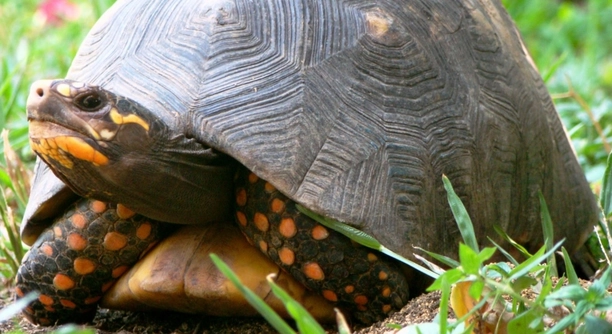
Red-footed tortoises are beloved pets, but they can sometimes face health issues. One common problem they may experience is mites, which can be difficult to spot early on. Recognizing the signs early can help keep your tortoise healthy.
Mites are tiny parasites that can affect red-footed tortoises, leading to skin irritation, lethargy, and other health issues. Early detection and proper treatment are crucial to preventing further complications and ensuring the wellbeing of your tortoise.
Understanding the signs of mites and taking quick action can make a big difference. Keep reading to learn how to spot them and what you can do to treat your tortoise effectively.
Signs of Mites in Red-Footed Tortoises
Mites are tiny parasites that can affect your red-footed tortoise in a variety of ways. They can cause skin irritation, lethargy, or even more serious health problems if left untreated. One of the first signs of mites is changes in behavior, such as your tortoise becoming less active or spending more time hiding. You may also notice abnormal skin shedding or small white spots on their shell. These signs can easily be overlooked, so it’s important to closely monitor your tortoise’s health.
Mites can also cause swelling or redness around the eyes, nose, or skin. If you notice these signs, it’s crucial to take action right away. A veterinarian can help confirm if mites are the issue and recommend proper treatment.
In addition to behavioral changes, you might notice your tortoise’s skin becoming scaly, dry, or irritated. Their shell may show signs of damage, such as discoloration or uneven growth. A careful examination of your tortoise’s shell, skin, and overall health can help you catch any early signs before the problem worsens.
How Mites Affect Red-Footed Tortoises
Mites thrive on your tortoise’s skin and can cause significant irritation. They feed on the skin, leading to discomfort, inflammation, and potential infections. If untreated, mites can make your tortoise weak and vulnerable to further health issues, such as bacterial infections.
The bites from mites can cause itching, which may lead your tortoise to scratch excessively. Over time, this can result in open wounds, which increase the risk of infection. If left unchecked, the skin and shell may deteriorate further, causing long-term health problems. Mites can also affect your tortoise’s immune system, making them more susceptible to other illnesses.
Mites not only affect your tortoise’s physical health but can also impact their overall well-being. A tortoise with mites may stop eating and drinking properly, leading to dehydration and malnutrition. They may become less active, showing signs of stress. Because of this, prompt treatment is essential to restoring their health and comfort.
How to Identify Mites on a Red-Footed Tortoise
The easiest way to spot mites is by closely examining your tortoise’s skin and shell. If you notice small white or red spots on the shell, or if their skin appears scaly and irritated, mites could be present. Mites are often more visible around the face, eyes, and under the legs.
A thorough inspection of the skin and shell is essential. Mites can be difficult to see with the naked eye, but you may notice your tortoise scratching or rubbing against objects more often. Pay attention to any unusual behavior, such as hiding or loss of appetite. These signs may indicate a mite infestation. If your tortoise is showing these symptoms, it’s important to act quickly and consult a vet for proper treatment.
In addition to behavioral changes, check for excessive shedding or redness around the eyes and face. Mites can also cause crusty patches on the skin or around the joints. If you suspect mites, it’s best to isolate your tortoise from other pets to prevent spreading the infestation. Early intervention is key.
How Mites Spread to Red-Footed Tortoises
Mites can easily spread between tortoises through direct contact, such as during mating or communal living. If you keep multiple tortoises together, it’s possible for one infested tortoise to pass mites onto the others. They can also be transmitted through shared spaces or contaminated objects like food bowls or bedding.
If you have other reptiles, it’s important to separate them from an infected tortoise to prevent mites from spreading. Mites can live in the environment for some time, so cleaning and disinfecting their habitat is essential. Regularly clean your tortoise’s enclosure with reptile-safe disinfectants, and ensure that all surfaces are thoroughly dry before placing your tortoise back inside.
Keeping your tortoise’s environment clean and isolated from other animals will help reduce the risk of mites. If you acquire a new tortoise, quarantine them for a period to monitor for any signs of mites before introducing them to your existing pets. This can help prevent a potential outbreak in your tortoise’s living space.
How Mites Affect the Health of Red-Footed Tortoises
Mites cause irritation, leading to inflammation and possible infection. The constant scratching can result in open wounds, which makes your tortoise more susceptible to bacteria and other harmful pathogens. Left untreated, this can lead to further health complications, weakening your tortoise’s immune system.
In addition to physical symptoms, mites can affect your tortoise’s overall well-being. They may stop eating, drink less water, and become lethargic. Dehydration and malnutrition can occur if your tortoise is too weak to consume food. In severe cases, untreated mite infestations can shorten your tortoise’s life expectancy.
Mites can also interfere with your tortoise’s ability to shed its skin properly. This can cause excessive shedding and a buildup of dead skin. The stress caused by mites may also impact your tortoise’s growth and shell development. Early detection and treatment are vital for avoiding these issues.
Preventing Mite Infestations in Red-Footed Tortoises
Prevention starts with maintaining a clean and dry habitat. Regularly disinfect your tortoise’s enclosure and replace bedding material. Avoid overcrowding if you keep multiple tortoises, as mites can spread easily in close quarters. You can also place your tortoise’s enclosure in a spot with good airflow to reduce humidity.
Ensuring your tortoise is healthy and stress-free is important in preventing mite infestations. A strong immune system can help resist mite attacks. Providing proper nutrition and a balanced diet is essential for supporting their overall health. A healthy tortoise is less likely to fall victim to parasites like mites.
How to Treat Mites in Red-Footed Tortoises
The first step in treating mites is visiting a vet for a proper diagnosis. A vet can provide the necessary medications, such as mite sprays or baths, to treat your tortoise. In some cases, oral medication may be required for more severe infestations.
Once treatment begins, make sure your tortoise is kept in a clean, isolated environment to prevent reinfection. Disinfect the enclosure thoroughly, paying close attention to areas where mites may hide, such as cracks in the walls or flooring. You should also clean all accessories, like food bowls and water dishes.
FAQ
What are the first signs of mites on a red-footed tortoise?
The first signs of mites are often changes in behavior. Your tortoise may become less active, hiding more often or scratching itself excessively. You might also notice irritation on the skin, such as redness or scaly patches. Small white or red spots on the shell can also be an early indication of mites. If you see any of these symptoms, it’s important to take a closer look and consult a vet if necessary.
How do mites spread from one tortoise to another?
Mites can spread through direct contact between tortoises, especially if they are housed together. If one tortoise is infected, it can pass mites to others through shared spaces, such as food or water bowls. Mites can also hitch a ride on surfaces like bedding or accessories, so cleaning their enclosure regularly is essential to prevent the spread.
Can mites cause long-term damage to my tortoise?
Yes, if left untreated, mites can cause long-term health issues. The constant scratching can lead to open wounds, which can become infected. Additionally, mites can affect your tortoise’s overall health, causing stress, dehydration, and malnutrition. Chronic infestations may also weaken the immune system, making the tortoise more susceptible to other diseases.
How can I prevent mites from infesting my tortoise?
Prevention starts with keeping your tortoise’s habitat clean. Regularly disinfect the enclosure and replace the bedding material. Ensure good airflow and proper humidity to reduce the risk of mites. If you keep multiple tortoises, avoid overcrowding, as mites can easily spread in confined spaces. Keeping your tortoise healthy with proper nutrition and hydration will also help strengthen its immune system, making it less likely to develop mite infestations.
Is there a natural way to treat mites on a red-footed tortoise?
While some people suggest using natural remedies like neem oil or herbal baths, it’s important to be cautious. Natural treatments may not be as effective as those prescribed by a vet. If your tortoise has mites, it’s best to consult a veterinarian for a proper diagnosis and treatment plan. Your vet may recommend topical medications, sprays, or baths that are specifically designed to treat mite infestations safely.
Can mites harm my tortoise’s shell?
Yes, mites can damage your tortoise’s shell over time. The irritation they cause can result in abnormal shedding, scaly patches, or discoloration. If mites are left untreated, the damage to the shell can become more severe, potentially affecting its growth. Early detection and treatment are crucial to prevent long-term damage to your tortoise’s shell.
How often should I check my tortoise for mites?
Regular checks are important, especially if you notice any signs of illness or unusual behavior. You should inspect your tortoise at least once a month for mites. Look for signs like changes in skin texture, irritation, or the presence of mites on their shell or limbs. If your tortoise is housed with other reptiles, checking more frequently may be necessary to prevent the spread of mites.
Do mites affect all types of tortoises, or just red-footed tortoises?
Mites can affect all types of tortoises and other reptiles, not just red-footed tortoises. While some species may be more susceptible to mite infestations due to their environment or behavior, any tortoise can be at risk. Good husbandry practices, including clean enclosures and proper care, can help minimize the risk of mites.
What is the treatment duration for mites on a tortoise?
The treatment duration depends on the severity of the infestation. Generally, it can take anywhere from a few days to a couple of weeks for treatment to be effective. During this time, it’s important to follow your vet’s instructions and keep your tortoise’s environment clean. Recheck your tortoise after treatment to ensure the mites have been eliminated and there are no signs of reinfestation.
Can I use regular pesticides to treat mites on my tortoise?
No, regular pesticides should never be used on your tortoise. These chemicals are not safe for reptiles and can cause harm to your tortoise. Always use products specifically designed for reptiles, which are gentle yet effective in eliminating mites. If you’re unsure about what to use, consult your vet for recommendations.
Final Thoughts
Mites can be a serious issue for red-footed tortoises, but with proper care, they can be managed effectively. Early detection is key to preventing more severe health problems. If you notice any unusual behavior or changes in your tortoise’s appearance, such as irritation, excessive scratching, or skin shedding, it’s important to take action quickly. A simple inspection can help catch the problem before it becomes overwhelming.
If mites are present, treatment is necessary to ensure your tortoise stays healthy. While there are some natural remedies, it’s always best to consult a veterinarian for the most effective and safe treatment options. Using the right medication and following your vet’s advice will help your tortoise recover and prevent future mite problems. Along with treatment, remember to clean the enclosure thoroughly and regularly, as mites can spread easily through their living environment.
Lastly, prevention is crucial in maintaining your tortoise’s health. Keeping their habitat clean, ensuring proper humidity levels, and regularly checking for signs of mites can help reduce the risk of an infestation. A healthy tortoise is less likely to fall victim to parasites, so providing a balanced diet and stress-free environment is vital. Taking these steps will help keep your red-footed tortoise happy and healthy for many years to come.

Hello,
If you enjoy the content that we create, please consider saying a "Thank You!" by leaving a tip.
Every little bit helps us continue crafting quality advice that supports the health, happiness, and well-being of pets around the world, for pets of all shapes, sizes, and species.
We really appreciate the kindness and support that you show us!