
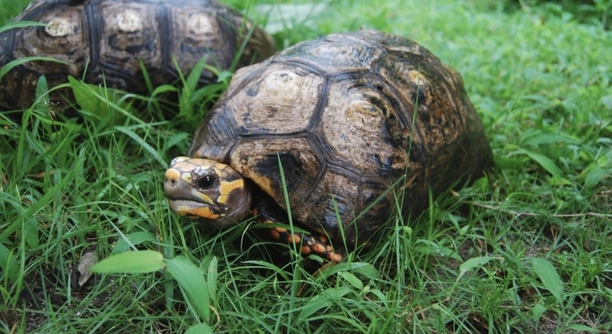
A red-footed tortoise’s shell is an important feature, both for its protection and appearance. Keeping it shiny can improve the tortoise’s overall health and help maintain its natural beauty. Several methods can help achieve this goal.
To make a red-footed tortoise’s shell shinier, proper care and maintenance are essential. Regular cleaning, providing a healthy diet, adequate hydration, and ensuring proper UVB lighting all contribute to the health of the shell and its shine.
By following a few simple practices, you can keep your tortoise’s shell vibrant and glossy. Understanding the key elements involved will allow you to enhance its natural appearance.
Proper Shell Cleaning
Regular cleaning plays a significant role in maintaining the shine of a red-footed tortoise’s shell. Over time, dirt and debris can accumulate, dulling its natural luster. Using a soft brush or cloth with lukewarm water is the best way to gently remove dirt without damaging the shell. Avoid harsh chemicals or soaps, as these can harm the tortoise’s skin and shell. Cleaning should be done carefully to prevent scratches, which can cause long-term damage to the shell’s surface. For best results, clean the shell at least once a week or more often if the tortoise has been outside or in particularly dusty environments.
The process is simple and only takes a few minutes. By incorporating regular cleaning into your tortoise care routine, you’ll help maintain its shiny appearance.
Additionally, be sure to dry the shell thoroughly after cleaning. Moisture can promote mold and bacteria growth, leading to possible health problems. Keeping the shell dry will also prevent any buildup of grime and ensure that the shine remains consistent.
Adequate Diet and Nutrition
The diet you provide is crucial in maintaining the health of your red-footed tortoise’s shell. A balanced diet rich in calcium and other essential nutrients helps promote healthy shell growth. Without proper nutrition, the shell may become weak and lose its shine. Offer a variety of leafy greens, vegetables, and fruits to ensure your tortoise gets the right amount of vitamins and minerals. Additionally, calcium-rich foods like dandelion greens or calcium supplements are important for maintaining a strong, shiny shell. Avoid overfeeding and ensure that the food is fresh and clean to avoid nutritional imbalances.
By providing a balanced diet, you’re not just ensuring a healthy shell but also promoting overall well-being for your tortoise. It’s important to adjust the diet based on age, activity level, and any specific health concerns your tortoise might have. Keep a close eye on its weight and shell condition, as these are direct indicators of its diet’s effectiveness. A healthy tortoise is more likely to have a vibrant, shiny shell that reflects good care and attention.
Ensuring proper hydration also plays a key role. Offering fresh water regularly and occasionally misting your tortoise will help it stay hydrated, further supporting a healthy shell.
UVB Lighting
UVB lighting is vital for a red-footed tortoise’s overall health, including the appearance of its shell. Exposure to UVB rays helps the tortoise synthesize vitamin D3, which is necessary for calcium absorption and shell growth. Without adequate UVB lighting, the shell can become dull and unhealthy.
Ensure the UVB bulb is the proper strength and is positioned correctly to provide coverage. Replace bulbs as needed, as they lose their effectiveness over time. The light should be kept on for about 12 hours a day to mimic natural sunlight.
In addition to UVB lighting, placing the tortoise in a safe outdoor area where it can bask in natural sunlight is ideal. This exposure supports its health, boosts its immune system, and encourages the shell to stay shiny. However, always ensure the tortoise has access to shade and fresh water during outdoor time to prevent overheating.
Shell Hydration
Keeping your red-footed tortoise’s shell hydrated is just as important as its diet. A dry shell can lead to cracks, which can affect its overall shine and health. Regular soaking can help maintain moisture levels.
Soaking your tortoise in shallow, lukewarm water for 15-20 minutes a few times a week helps keep the shell hydrated and soft. Be sure not to use water that’s too hot or too cold, as this can stress the animal.
After soaking, gently pat the shell dry with a soft towel. This practice not only helps hydrate the shell but also gives you a chance to inspect it for any potential health issues. Proper hydration also supports the tortoise’s general well-being, encouraging it to thrive.
Making this part of your routine ensures that your tortoise’s shell remains in good condition, soft, and shiny. The hydration process also promotes healthy growth and strengthens the shell’s structure.
Shell Massage
Massaging your red-footed tortoise’s shell can help maintain its shine. Using a soft, damp cloth, gently rub the shell to stimulate blood circulation, which encourages healthy growth. This can also help remove any lingering dirt or grime that cleaning alone may not reach.
Be careful not to apply too much pressure. The goal is to gently massage and not cause any discomfort to the tortoise. A simple, light touch will suffice, helping to keep the shell smooth and shiny.
Massage helps distribute natural oils along the shell, further enhancing its appearance. Regular massaging can also reduce the chances of shell diseases by promoting healthy skin underneath.
Proper Habitat
Providing the right environment is essential for your tortoise’s health and shiny shell. Ensure the habitat includes a warm, dry area for basking and a cooler, shaded area for resting. Proper temperature regulation helps keep the tortoise comfortable and supports healthy shell growth.
The enclosure should also include a substrate that allows the tortoise to burrow or dig. This encourages natural behavior and prevents the shell from becoming dry or damaged. Proper humidity levels are also important. Too much moisture can cause shell rot, while insufficient moisture can lead to dryness.
A balanced habitat is key for maintaining a healthy and shiny shell over time.
Regular Vet Check-ups
Taking your red-footed tortoise for regular vet check-ups is crucial for maintaining its health and shell condition. A vet can check for any underlying issues such as shell rot or fungal infections that may affect the shine.
Routine exams help catch problems early, ensuring the tortoise stays in top condition. A healthy tortoise will naturally maintain a glossy, vibrant shell. Regular vet visits can also provide guidance on diet, UVB exposure, and overall care, ensuring that you’re doing everything possible to keep your tortoise healthy and happy.
FAQ
How often should I clean my red-footed tortoise’s shell?
Cleaning your tortoise’s shell should be done at least once a week. If your tortoise has been outside or in a dusty environment, you may need to clean it more frequently. Regular cleaning helps maintain the shell’s shine by removing dirt and debris that can dull its appearance. Use a soft brush or cloth with lukewarm water to clean the shell, and avoid harsh chemicals.
Can I use soap to clean my tortoise’s shell?
It’s best not to use soap when cleaning your tortoise’s shell. Soap can strip natural oils and potentially harm the shell’s surface. Stick to lukewarm water or a gentle, tortoise-safe cleaner if necessary. This ensures the shell’s health and prevents any potential irritation.
What can I do if my tortoise’s shell is getting dull?
If your tortoise’s shell is looking dull, the first step is to assess its care routine. Ensure the tortoise is getting proper UVB light, hydration, and nutrition. You can also gently massage the shell with a soft cloth to stimulate circulation and promote shine. Regular cleaning and providing proper hydration will also help restore its natural luster.
Is it normal for a red-footed tortoise’s shell to shed?
Yes, it is normal for red-footed tortoises to shed their scutes, which are the individual pieces of the shell. Shedding typically occurs as the tortoise grows. You may notice the outer layer of the shell peeling away, which is part of its natural growth process. Just make sure the tortoise is in a healthy environment, and there shouldn’t be cause for concern.
How do I keep my tortoise’s shell from getting dry?
To prevent your tortoise’s shell from becoming dry, make sure it has access to fresh water at all times. Regularly soak your tortoise in shallow, lukewarm water for 15-20 minutes to keep its shell hydrated. Additionally, maintaining proper humidity levels in its habitat helps prevent dryness. Avoid excessive heating or overly dry environments, as this can lead to dehydration and dry shell issues.
What should I feed my red-footed tortoise for a healthy, shiny shell?
A varied diet of leafy greens, vegetables, and fruits is essential for your tortoise’s health. Incorporate foods rich in calcium, such as dandelion greens, to support a strong, shiny shell. Offer a balance of vitamins and minerals to ensure proper shell growth. Avoid overfeeding and always provide fresh, clean food. Calcium supplements may also be recommended, depending on your tortoise’s diet and health needs.
How do I know if my tortoise’s shell is healthy?
A healthy tortoise shell should be smooth, shiny, and free from cracks or discoloration. If the shell appears soft, pitted, or shows signs of rot, this may indicate health issues. Regularly check for any unusual bumps, lesions, or changes in texture, and take your tortoise to a vet if you notice any of these signs. A shiny, firm shell is a good indication that your tortoise is receiving proper care.
Can I use oils or creams on my tortoise’s shell?
It’s generally not recommended to use oils or creams on your tortoise’s shell. While some may think that applying oil will enhance the shine, it can trap dirt and potentially cause the shell to become slippery or attract bacteria. Instead, focus on regular cleaning, proper hydration, and a balanced diet for optimal shell health.
How do I prevent shell rot in my red-footed tortoise?
To prevent shell rot, ensure your tortoise’s living environment is clean, dry, and properly ventilated. Shell rot is often caused by excessive moisture or poor hygiene. Make sure the tortoise has access to dry spots for basking, and avoid over-soaking it. Regularly check the shell for signs of infection, such as softness or foul odors, and take your tortoise to a vet immediately if you notice any symptoms.
Can shell damage be repaired?
In some cases, shell damage can be treated, but it depends on the extent of the injury. Minor cracks or chips can be managed by keeping the tortoise in a clean, dry environment and ensuring it receives proper nutrition and hydration. For more severe damage, consult a vet who specializes in reptiles. Some injuries may require professional care or even surgery to prevent further complications.
Final Thoughts
Maintaining a red-footed tortoise’s shell requires attention to detail and consistent care. Regular cleaning, proper hydration, and providing the right habitat are essential steps to keeping your tortoise’s shell shiny and healthy. It’s important to remember that their shell is not just a protective covering but also an indicator of their overall well-being. A dull or damaged shell can be a sign of underlying health issues, so ensuring your tortoise gets proper care is crucial for its longevity.
Feeding your tortoise a balanced diet rich in calcium and other nutrients is another key factor in shell health. The right food, along with appropriate lighting and temperature, plays a large role in shell development. When a tortoise receives the proper care and nutrition, its shell will naturally maintain its luster and strength. Avoiding overly humid or dry environments and ensuring regular check-ups with a vet will also go a long way in keeping your tortoise in good health.
In summary, a red-footed tortoise’s shell health depends on a combination of factors, including diet, habitat, and proper care. By maintaining a clean environment, providing appropriate lighting, and feeding the right foods, you can help ensure your tortoise’s shell stays vibrant and strong. With regular attention to these aspects, you can enjoy the company of a healthy, happy tortoise with a shiny, well-maintained shell for many years.

Hello,
If you enjoy the content that we create, please consider saying a "Thank You!" by leaving a tip.
Every little bit helps us continue crafting quality advice that supports the health, happiness, and well-being of pets around the world, for pets of all shapes, sizes, and species.
We really appreciate the kindness and support that you show us!