
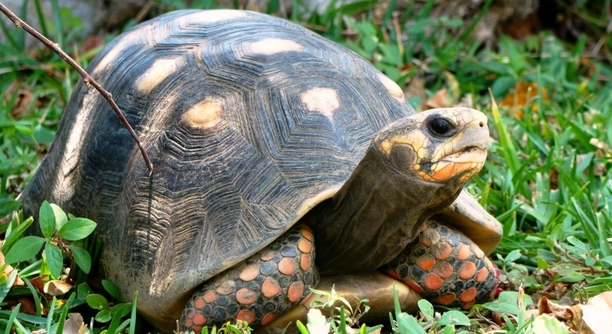
Red-footed tortoises are fascinating creatures, and just like any pet, they need the right nutrition to thrive. A healthy diet helps ensure they stay active and live longer, so it’s important to understand their specific needs.
Vitamins play a key role in a red-footed tortoise’s diet, supporting their immune system, bone health, and overall well-being. Seven essential vitamins, in particular, are vital to help maintain their strength and vitality, making proper nutrition a priority.
Providing your tortoise with a diet rich in these vital nutrients is essential. Keep reading to discover which vitamins are most important and how to incorporate them into your tortoise’s meals.
Vitamin A: Key for Vision and Growth
Vitamin A is essential for red-footed tortoises as it helps maintain healthy vision, skin, and growth. It also supports their immune system, ensuring they are more resistant to infections. A deficiency in Vitamin A can lead to eye problems, sluggish growth, and even respiratory issues.
Incorporating Vitamin A into their diet is easy. You can offer them foods like leafy greens, carrots, and squash. These vegetables are rich in beta-carotene, which the tortoise’s body converts into Vitamin A. Just be careful not to overdo it, as too much Vitamin A can also be harmful.
Providing a steady amount of this vitamin helps maintain their overall health. It’s especially important for younger tortoises, as their growth is rapid. If you notice your tortoise becoming lethargic or having trouble with its vision, it could be a sign that its diet needs more Vitamin A. Regularly offering a variety of vegetables will ensure they get all the vitamins they need to thrive.
Vitamin D3: A Must for Calcium Absorption
Vitamin D3 is crucial for red-footed tortoises because it aids in calcium absorption. Without adequate Vitamin D3, tortoises cannot properly process calcium, which is necessary for strong bones and shell development. A deficiency can lead to metabolic bone disease, a painful and serious condition.
To provide Vitamin D3, you can expose your tortoise to natural sunlight or use UVB lighting if they’re kept indoors. Ensure they receive daily exposure to help them absorb calcium efficiently. Supplementing their diet with calcium-rich foods like kale or dandelion greens will further support their bone health.
When tortoises are not getting enough Vitamin D3, their shells may become soft or misshapen. Additionally, they may appear weak or have trouble moving. Regular exposure to UVB rays is one of the easiest ways to ensure they stay healthy, especially if they’re kept indoors. It’s an easy step to take for their long-term well-being.
Vitamin C: Immune System Support
Vitamin C plays an important role in strengthening a red-footed tortoise’s immune system. This vitamin helps the body fight off infections and promotes healing. It also supports their skin and the repair of connective tissue. Without enough Vitamin C, a tortoise may become more susceptible to illnesses.
Vitamin C can be found in many fruits and vegetables, such as strawberries, bell peppers, and leafy greens. Including these in their daily meals will help boost their immunity. Make sure the food is fresh and free from pesticides to avoid any harm to your tortoise.
Adding fruits like oranges, papayas, or kiwi can also enhance the flavor of your tortoise’s meals while providing them with essential nutrients. Vitamin C works alongside other vitamins to maintain their health, and it’s an easy vitamin to include in their diet. Keep an eye out for any signs of weakness or swelling, which could indicate a deficiency.
Vitamin E: Antioxidant for a Healthy Tortoise
Vitamin E is an antioxidant that helps protect a red-footed tortoise’s cells from damage caused by free radicals. It plays an important role in their overall health, including supporting their immune function and skin condition. Ensuring your tortoise has enough Vitamin E can improve their energy levels and help prevent health issues like skin irritation.
Leafy greens like spinach, kale, and mustard greens are good sources of Vitamin E. You can also offer them foods like bell peppers and squash, which contain this nutrient. When providing these foods, be sure to rotate their meals so they get a balanced diet full of vitamins and minerals.
For tortoises that are more sedentary, it’s important to provide a diet rich in antioxidants like Vitamin E to help maintain their energy. An adequate amount of Vitamin E can also improve their overall mobility and help them stay active for longer. Offering a variety of colorful vegetables will ensure they get all the nutrients they need.
Vitamin K: Important for Blood Clotting
Vitamin K plays an essential role in blood clotting, helping to prevent excessive bleeding when a tortoise is injured. It also supports healthy bones by assisting in calcium regulation. Without enough Vitamin K, your tortoise may have trouble healing from minor wounds.
Leafy greens like collard greens, mustard greens, and turnip greens are excellent sources of Vitamin K. Incorporating these into their diet regularly will support their blood clotting abilities and bone health. It’s vital to keep these greens fresh and clean to avoid any contaminants that could harm your pet.
For a balanced diet, rotate different sources of Vitamin K-rich greens. Consistency in providing Vitamin K will ensure that your tortoise has the necessary nutrients to stay healthy. Pay attention to any signs of abnormal bleeding, which could indicate a deficiency. Offering a variety of leafy greens will make sure they are getting all the vitamins they need.
Vitamin B Complex: Energy and Nerve Support
The Vitamin B complex includes several essential vitamins that work together to support energy production and nerve function in red-footed tortoises. These vitamins help with the metabolism of carbohydrates, fats, and proteins, providing your tortoise with the energy needed for their daily activities.
Foods like dandelion greens, squash, and sweet potatoes are rich in Vitamin B. These foods support your tortoise’s energy levels, so they remain active and healthy. Offering a variety of plant-based foods ensures that they are getting the full range of B vitamins necessary for their well-being.
A deficiency in the Vitamin B complex can lead to lethargy, poor appetite, or weakness in your tortoise. If you notice any changes in behavior, it may be a sign that their diet is lacking in B vitamins. Offering a mix of foods high in B vitamins will keep your tortoise vibrant and strong.
Vitamin B12: Essential for Red Blood Cells
Vitamin B12 is vital for the production of red blood cells in your tortoise. It ensures proper nerve function and helps keep energy levels steady. Without enough Vitamin B12, your tortoise could experience weakness or poor appetite.
Foods like dark leafy greens, bell peppers, and fruits such as papayas can provide a good amount of Vitamin B12. A varied diet will ensure they receive all the nutrients necessary for their health. However, Vitamin B12 is often present in minimal amounts in plant-based foods, so balance is key.
Make sure to include a variety of plant-based foods along with occasional vitamin supplements if needed. Watch for signs of lethargy or abnormal behavior, which could signal a Vitamin B12 deficiency. A diet rich in these foods will help your tortoise remain healthy.
Vitamin H (Biotin): Supporting Healthy Skin and Shell
Biotin, or Vitamin H, supports healthy skin and shell growth. It also helps in the breakdown of fats, proteins, and carbohydrates, ensuring that your tortoise’s digestive system functions properly. A lack of biotin may result in scaly, unhealthy skin or a weak shell.
Biotin can be found in foods like dark leafy greens, carrots, and mushrooms. These foods should be included regularly in your tortoise’s diet. Fresh vegetables are the best way to provide them with the necessary amount of biotin. By offering a variety of greens and vegetables, your tortoise will thrive.
Including biotin-rich foods also improves your tortoise’s overall metabolism and helps maintain healthy skin. Keep an eye out for any changes in their shell or skin. Consistent biotin intake will ensure that your tortoise grows healthy and strong.
FAQ
What are the signs that my red-footed tortoise is not getting enough vitamins?
If your tortoise is lacking essential vitamins, you may notice a few warning signs. Common symptoms include lethargy, poor appetite, swollen or soft shells, and difficulty moving. If their skin becomes dry, flaky, or scaly, they might be lacking biotin or Vitamin A. If your tortoise seems to have trouble with vision or respiratory issues, Vitamin A deficiency could be the cause. Additionally, any signs of weakness, abnormal shell shape, or slow growth may indicate a lack of Vitamin D3 or calcium. If you notice any of these signs, it’s important to adjust their diet and consult a vet if needed.
Can I give my red-footed tortoise supplements instead of natural foods for vitamins?
While supplements are an option, it’s best to provide your tortoise with natural foods to meet their vitamin needs. A varied diet of fresh vegetables, fruits, and plants will offer a wider range of nutrients, which supplements may not fully replicate. Supplements can be used to fill any gaps, but they shouldn’t replace a healthy diet. Over-relying on supplements could lead to imbalances. It’s always better to focus on natural food sources, which allow your tortoise to absorb vitamins more effectively and naturally.
How often should I feed my red-footed tortoise to ensure they get enough vitamins?
You should aim to feed your red-footed tortoise daily, offering a variety of vegetables, fruits, and leafy greens. Ensure that each meal includes a mix of foods that provide the necessary vitamins and minerals. Young tortoises need more frequent feedings, while adults can be fed every other day. Rotating different types of greens and vegetables will ensure a balanced intake of essential nutrients. Remember, variety is key to avoid deficiencies. Offering food in the right amounts will help your tortoise stay healthy, active, and strong.
Is it okay to feed my red-footed tortoise fruit?
Yes, fruits can be a part of a red-footed tortoise’s diet, but they should be fed in moderation. Fruits like papayas, strawberries, and melons can provide important vitamins like Vitamin C and Vitamin A. However, too much fruit can cause digestive issues due to its high sugar content. Limit fruit servings to once or twice a week, and ensure the majority of your tortoise’s diet is made up of leafy greens, grasses, and vegetables. Offering fruit in small portions will help avoid any imbalance in their diet.
What leafy greens are best for my red-footed tortoise?
Leafy greens are a crucial part of a healthy diet for red-footed tortoises. Some of the best greens include dandelion greens, collard greens, mustard greens, and kale. These greens are rich in vitamins A, C, K, and other important nutrients. Avoid feeding them iceberg lettuce, as it has little nutritional value. Ensure that the greens you provide are pesticide-free and fresh, as this will help your tortoise absorb nutrients more effectively. Rotate between different greens to offer a balanced mix and avoid nutrient deficiencies.
How do I make sure my tortoise gets enough Vitamin D3?
Vitamin D3 is essential for calcium absorption, and there are two main ways to ensure your tortoise gets enough. First, providing access to natural sunlight is one of the best ways to give your tortoise Vitamin D3. If your tortoise is kept indoors, you can use a UVB light to simulate sunlight. The UVB light should be on for 10-12 hours a day to help with Vitamin D3 synthesis. Additionally, providing calcium-rich foods like dark leafy greens will complement their Vitamin D3 intake. Be mindful not to overdo it, as too much Vitamin D3 can cause health problems.
Can I feed my red-footed tortoise commercial tortoise food?
Commercial tortoise food can be convenient, but it should not be relied on as the sole food source. Many of these foods are processed and may not provide all the vitamins and nutrients a red-footed tortoise needs. If you do choose to use commercial food, make sure it’s of high quality and supplemented with fresh vegetables and fruits. Commercial food should only be a small part of their diet and not replace the natural foods that provide the necessary variety of vitamins.
How can I prevent overfeeding my red-footed tortoise?
Overfeeding your red-footed tortoise can lead to obesity, which can cause serious health issues. To avoid this, make sure you’re offering the right portions based on their size and age. Adults usually need less food than younger tortoises. A good rule of thumb is to offer food that your tortoise can consume in about 15-20 minutes, and then remove any leftovers. You should also avoid feeding them high-calcium or sugary foods too frequently, as this can contribute to overfeeding. Regular monitoring of their weight and condition will help you maintain a healthy feeding routine.
What should I do if my red-footed tortoise isn’t eating?
If your tortoise isn’t eating, it could be due to a variety of factors. First, check the temperature and humidity in their habitat to ensure they are comfortable. Red-footed tortoises need warmth to digest their food properly, and improper conditions may cause them to refuse meals. Another reason could be stress, illness, or a lack of variety in their diet. Try offering different foods or fresh greens, as they may become interested in new flavors. If the lack of appetite persists for more than a few days, consult a veterinarian to rule out any underlying health issues.
How can I improve my tortoise’s shell health?
A healthy diet and proper care are crucial for maintaining a red-footed tortoise’s shell health. Offer a variety of calcium-rich foods, such as kale, dandelion greens, and clover, to help keep their shell strong. Vitamin D3 is also essential for calcium absorption, so make sure they get enough sunlight or UVB light. Regular bathing and proper hydration are important as well, as dehydration can lead to shell problems. Avoid handling your tortoise roughly, as this can cause stress and shell injury. Regular monitoring will help ensure their shell stays strong and healthy.
Final Thoughts
Feeding a red-footed tortoise the right diet is essential for their overall health and well-being. These animals require a balance of vitamins and minerals to thrive, and understanding which ones are most important can make a big difference in how they feel and grow. From Vitamin A, which supports their vision and immune system, to Vitamin D3, which helps in calcium absorption, each vitamin plays a crucial role in maintaining their health. A varied diet, including leafy greens, fruits, and vegetables, will ensure that your tortoise receives all the nutrients it needs.
It’s important to remember that every tortoise is different, and their dietary needs may vary based on age, size, and overall health. A young tortoise may require more frequent feedings and a higher amount of certain vitamins to support growth, while an adult tortoise may have different dietary requirements. Regularly providing fresh, pesticide-free vegetables and fruits will help prevent deficiencies and contribute to a long and healthy life for your tortoise. Offering variety and making sure your tortoise is getting the right balance of vitamins will keep them active and strong.
While vitamins and nutrients are key, it’s equally important to maintain proper habitat conditions, including warmth, humidity, and UVB light. Without these factors in place, even the healthiest diet can be ineffective. UVB light, in particular, is essential for Vitamin D3 synthesis, which helps with calcium absorption and shell health. By ensuring your tortoise’s environment is comfortable and their diet is balanced, you’re setting them up for a long, happy life.

Hello,
If you enjoy the content that we create, please consider saying a "Thank You!" by leaving a tip.
Every little bit helps us continue crafting quality advice that supports the health, happiness, and well-being of pets around the world, for pets of all shapes, sizes, and species.
We really appreciate the kindness and support that you show us!