
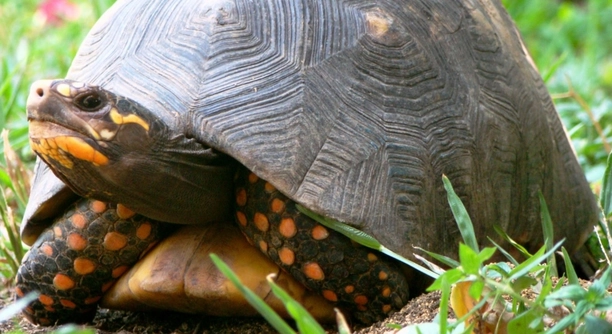
Keeping a red-footed tortoise entertained is essential for its well-being. These unique creatures enjoy both mental and physical stimulation. Understanding how to create an engaging environment will ensure your tortoise stays active and happy.
Red-footed tortoises need a variety of enrichment activities, such as exploring different environments, foraging for food, and interacting with safe, stimulating objects. These activities keep them mentally engaged, promote healthy movement, and encourage natural behaviors like digging and climbing.
There are many easy ways to keep your tortoise engaged and happy. From providing different textures to introducing new challenges, your pet will have plenty to explore and enjoy.
1. Creating a Natural Habitat
Red-footed tortoises thrive in environments that mimic their natural habitat. The more you can replicate their native surroundings, the more content and engaged they will be. Setting up a variety of elements like small plants, logs, and rocks provides both physical challenges and hiding spots for your tortoise. These objects encourage them to explore and interact with their environment, preventing boredom and stimulating their senses.
Incorporating a small water dish for drinking or soaking will also keep your tortoise hydrated and active. It’s important to rotate the objects occasionally to maintain their curiosity. You can add new branches, rocks, or small plants to introduce fresh textures and scents.
A well-set environment allows your tortoise to express its natural behaviors like climbing, hiding, and exploring. Make sure the habitat stays warm and humid, just as it would be in the wild. This type of environment offers endless opportunities for entertainment and health benefits.
2. Foraging for Food
Foraging is an excellent way to keep your tortoise entertained while fulfilling its dietary needs. Scatter its food in different places around the habitat. This encourages your pet to search for its meals, engaging its instincts to hunt for food.
This activity helps to keep them active and physically fit. It also simulates a natural behavior that tortoises exhibit in the wild. Offering food in different locations can encourage your tortoise to move around, which will keep them more active throughout the day.
To make it more fun, you can hide small treats or leaf fragments beneath rocks or within safe hiding spots. By doing so, your tortoise will spend time looking for these morsels. This keeps them engaged mentally, as they have to think about where the food might be. You can use this method in addition to regular feeding, allowing your tortoise to enjoy a satisfying “hunt” and stay physically and mentally sharp.
3. Offering New Textures
Introducing new textures into your tortoise’s environment adds an element of variety that can be exciting for them. Consider adding items like leaves, soft moss, or different types of soil. These textures give your tortoise a chance to explore, dig, or crawl over, keeping them curious and active.
You can place rough stones, pieces of bark, or even safe plastic objects in their enclosure. When they encounter these new materials, they’ll often investigate them by walking over them or rubbing against them. This helps stimulate their senses and provides a richer environment for your tortoise.
Texture variety doesn’t just benefit your tortoise mentally but also physically. Crawling over different surfaces helps strengthen their muscles and encourages healthy movement. Changing the textures around every so often will maintain their interest, giving them a fresh environment to explore, which prevents boredom and promotes a happier tortoise.
4. Providing Interactive Toys
Tortoises love to interact with objects, especially those they can push, nudge, or move. Introduce toys like small balls, a shallow puzzle feeder, or large leaves that they can interact with. These types of toys can provide endless entertainment for your pet.
Interactive toys not only help keep your tortoise entertained but also encourage problem-solving. Some toys or objects can be hidden with food to add an extra layer of challenge. As your tortoise pushes or nudges the objects, they get both mental stimulation and physical exercise.
Always ensure the toys you offer are safe and appropriate for your tortoise’s size. If the toys are too small, they may pose a choking hazard. You can create DIY toys using natural materials like branches or shells. These objects offer natural interactions and enrich your tortoise’s daily routine.
5. Providing a Safe Space for Hiding
Tortoises are naturally drawn to areas where they feel safe and secure. Adding small hiding spots, like wooden boxes or thick bushes, will help your pet feel comfortable and provide an area for them to retreat when they need rest.
These hideaways also give your tortoise a space to relax, which is essential for reducing stress. A hidden space allows them to engage in natural behaviors like retreating when feeling overwhelmed or tired. This area can be small but should be placed somewhere within their habitat where they can easily access it.
By offering this sanctuary, you ensure your tortoise remains calm and healthy. Over time, your pet will come to rely on the space as a refuge and may spend time in it when not exploring.
6. Giving Regular Baths
Bathing your tortoise is not just about cleanliness; it also provides enrichment and stimulation. Regular baths help your pet stay hydrated while giving them time to relax in a different environment. A shallow dish with lukewarm water is ideal for this.
A bath can also encourage natural behaviors, such as swimming or soaking. Some tortoises enjoy moving around in water, helping to stimulate their muscles and keep them active. Bathing sessions can be a bonding experience and will keep them comfortable, especially during warmer weather.
After bathing, offer your tortoise a dry space to bask, mimicking the natural transition from water to land.
7. Changing the Environment
Rotating the decor in your tortoise’s enclosure is a simple but effective way to keep them entertained. New objects or rearranged items keep their environment fresh and provide new challenges.
This change could involve swapping out rocks, adding new plants, or reconfiguring the space to create new paths or obstacles. Each adjustment will spark curiosity and encourage your tortoise to explore more actively. They enjoy the mental stimulation that comes from a different layout. A new setup can make them feel like they’re exploring a whole new space, which adds variety to their daily routine.
FAQ
How often should I provide enrichment for my red-footed tortoise?
You should aim to offer enrichment opportunities every day. Regularly changing the environment and offering new objects, textures, or activities helps keep your tortoise engaged and active. For example, rotating different types of food or toys every few days will prevent them from becoming bored. However, ensure your tortoise has enough time to relax and enjoy the space as well. The goal is to strike a balance between stimulating activities and quiet moments. A variety of enrichment throughout the week will keep your tortoise mentally sharp and healthy.
Can I give my tortoise toys like other pets?
Yes, you can provide safe toys for your tortoise, but always make sure they are appropriate for their size and environment. Interactive toys, such as a puzzle feeder or something to push, are great for mental stimulation. Avoid small or fragile toys that could break and pose a choking hazard. Toys that encourage movement or exploration help your tortoise stay physically active while also satisfying their curiosity. Just be sure the toys are non-toxic and easy for them to interact with.
What are some safe plants to add to my tortoise’s habitat?
Safe plants for red-footed tortoises include dandelion, clover, and various types of grasses, like timothy or Bermuda grass. You can also add safe herbs such as basil, oregano, or parsley. Be cautious with plants, as some can be toxic to tortoises. Avoid plants like foxglove, oleander, and ivy. If you are unsure about a plant, it’s always better to research or consult with a vet before introducing it to your tortoise’s environment. Providing edible plants gives them an opportunity to forage and enjoy a varied diet.
How do I ensure my tortoise is getting enough exercise?
Exercise is crucial for your tortoise’s health and well-being. Allow your tortoise plenty of space to roam around in their enclosure. Adding obstacles, like logs or small hills, encourages climbing and movement. Changing the layout of their habitat can also prompt them to explore different areas, keeping them more active. If possible, give your tortoise supervised time outside in a safe area where they can move freely. Regular movement helps prevent obesity and supports muscle development. You can also hide food around their enclosure to encourage them to search and move more.
Is it okay to leave my tortoise outside for long periods?
Leaving your red-footed tortoise outside can be beneficial, as long as it’s a safe, secure area and the weather is appropriate. They enjoy basking in the sun, which helps with digestion and vitamin D production. However, ensure the area is escape-proof and free from predators. Also, keep an eye on the temperature; red-footed tortoises prefer warm and humid conditions. If it’s too hot or too cold, it’s best to bring them back inside. Always supervise outdoor time to ensure their safety.
How much space does a red-footed tortoise need?
Red-footed tortoises need a spacious habitat to roam and explore. Ideally, their enclosure should be at least 4 feet by 8 feet for a single tortoise. Larger enclosures are always better, as they allow for more movement and environmental enrichment. If you plan to keep multiple tortoises, you will need an even larger space to prevent territorial behavior. In addition to floor space, providing vertical elements like rocks or logs for climbing helps enrich the environment. Larger habitats also allow for proper temperature and humidity control.
Can red-footed tortoises live with other pets?
Red-footed tortoises can coexist with other pets if their needs are respected. However, it’s essential to ensure that other animals in the household won’t harm or stress the tortoise. For example, avoid placing them in an enclosure with active pets like dogs or cats that may view them as prey. If you want to introduce other animals, make sure they are non-aggressive and compatible with tortoises. Always supervise interactions and ensure both animals have space to retreat if needed.
What kind of lighting does my tortoise need?
Red-footed tortoises require proper lighting to maintain their health. A combination of UVB lighting and basking light is essential. UVB light helps them synthesize vitamin D3, which is necessary for calcium absorption and bone health. The basking light should provide a warm area for your tortoise to regulate its body temperature. Ensure the lights are positioned to create both warm and cooler areas within the enclosure so your tortoise can choose where it feels most comfortable. Change the bulbs regularly, as they lose their effectiveness over time.
What should I feed my red-footed tortoise?
Red-footed tortoises are omnivores and should have a varied diet that includes both plant-based foods and occasional protein. Leafy greens, fruits, flowers, and vegetables should make up the majority of their diet. Examples include dandelion greens, hibiscus flowers, papaya, and strawberries. Occasionally, you can offer protein like boiled eggs, mealworms, or other safe insects. Ensure the food is fresh and free from pesticides. A well-balanced diet is vital for their health, and they should always have access to fresh water.
How do I know if my tortoise is stressed?
Stressed tortoises may exhibit signs like not eating, hiding more than usual, or displaying erratic movements. If your tortoise becomes less active or appears lethargic, it may be a sign of stress. Stress can be caused by environmental changes, such as a sudden drop in temperature, overcrowding, or even a lack of hiding spots. It’s important to maintain a stable habitat with proper lighting, humidity, and temperature. If these signs persist, consider consulting with a vet to rule out health issues.
Final Thoughts
Keeping a red-footed tortoise entertained requires attention to their natural instincts and environment. These tortoises thrive when provided with plenty of space to move, explore, and hide. Creating a habitat that mirrors their natural surroundings, with a variety of textures, safe plants, and hiding spots, will help keep them mentally and physically active. Regularly changing their environment by adding new objects or rearranging existing ones can prevent boredom. A few simple changes can make a big difference in their overall happiness.
In addition to environmental enrichment, providing food in different ways helps stimulate your tortoise. Foraging, hiding food, and offering new treats encourages them to move around and engage in natural behaviors. Interactive toys or objects they can push or nudge are also great tools for keeping them entertained. These activities help your tortoise stay physically healthy and mentally engaged. Remember, their curiosity will keep them moving and exploring, so keeping their surroundings dynamic is key.
Lastly, understanding your tortoise’s specific needs and behaviors is essential to ensuring their well-being. Every tortoise has its own personality and preferences, so it may take some trial and error to discover what works best for them. Providing a variety of enrichment activities, like safe outdoor time or occasional baths, can be beneficial for their overall health. By maintaining a stimulating environment and offering appropriate care, you can ensure that your red-footed tortoise remains happy, healthy, and active for years to come.

Hello,
If you enjoy the content that we create, please consider saying a "Thank You!" by leaving a tip.
Every little bit helps us continue crafting quality advice that supports the health, happiness, and well-being of pets around the world, for pets of all shapes, sizes, and species.
We really appreciate the kindness and support that you show us!