
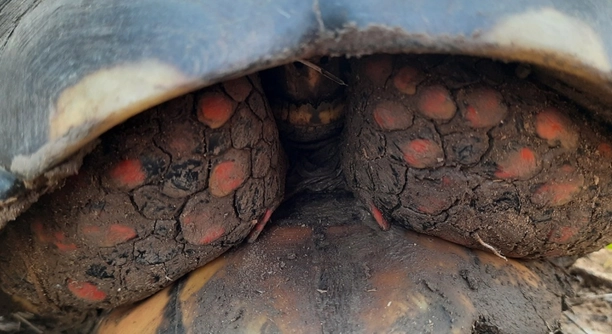
Is your red-footed tortoise constantly digging, leaving you wondering what might be causing this behavior? Digging is a natural instinct for tortoises, but excessive digging can indicate environmental issues, stress, or even health concerns that need attention.
The most common reason your red-footed tortoise is digging constantly is inadequate habitat conditions. Factors such as improper temperature, lack of hiding spots, or insufficient substrate depth can trigger excessive digging. Understanding these needs is essential for maintaining a healthy and content tortoise.
Environmental stress, nesting instincts, or even boredom can also contribute to this behavior. Recognizing the underlying reasons will help you create a more suitable habitat and ensure your tortoise remains happy and comfortable.
Your Tortoise Is Trying to Burrow for Shelter
Red-footed tortoises dig to create a safe and comfortable space. In the wild, they burrow to escape extreme temperatures and predators. If your tortoise is constantly digging, it may be trying to find shelter. A habitat with the right temperature, humidity, and hiding spots can help prevent excessive digging. Ensure the enclosure has a deep, soft substrate that allows for natural burrowing without causing stress. Adding hides or shaded areas can give your tortoise a sense of security. A well-maintained environment will keep your tortoise comfortable and reduce the need for constant digging.
A habitat that lacks proper hiding spots can make your tortoise feel vulnerable. If it cannot find a safe place to retreat, it may resort to digging excessively in search of shelter.
To create a suitable habitat, provide at least three inches of a loose substrate like coconut coir or cypress mulch. Add hides, rocks, or logs to give your tortoise options for shelter. Maintain a temperature between 75–85°F and humidity around 70%. If the enclosure is too dry or too hot, your tortoise will dig to regulate its comfort. A proper setup will help prevent stress and ensure a healthy, happy tortoise.
Your Tortoise Is Preparing to Lay Eggs
Female tortoises dig to create nesting sites. Even if your tortoise has not been with a male, it may still lay infertile eggs. If your female tortoise is digging excessively, she may be preparing to lay eggs and needs the right conditions to do so.
A nesting area should have a deep, soft substrate of at least six inches to allow for proper egg-laying. Without a suitable space, your tortoise may continue digging out of frustration. Providing the right conditions will help her feel comfortable and reduce unnecessary digging. If she cannot lay her eggs, she may experience health issues like egg retention, which can be dangerous.
Signs your tortoise is preparing to lay eggs include restlessness, reduced appetite, and frequent digging. To support her, ensure the enclosure has a moist nesting area with loose soil or sand. Keep humidity levels stable, as dry conditions can make it difficult for her to dig properly. If she appears distressed or cannot lay her eggs, consult a reptile veterinarian. Creating a proper nesting environment will make the process smoother and help prevent stress-related digging.
Your Tortoise Is Searching for Food
Digging can be a sign that your tortoise is looking for food. In the wild, red-footed tortoises forage by digging through leaf litter and soil to find hidden food sources. If your tortoise is constantly digging, it may not be getting enough food or variety in its diet.
A red-footed tortoise needs a balanced diet that includes leafy greens, fruits, and protein sources like insects or cooked eggs. If food is not provided in an engaging way, your tortoise may instinctively start digging to search for it. Scatter food around the enclosure or use a feeding dish with natural textures to encourage natural foraging behaviors. Ensuring a proper feeding schedule and offering a variety of fresh foods can prevent unnecessary digging caused by hunger or boredom.
If your tortoise continues digging despite having a balanced diet, check if the food placement is too predictable. Hiding food in different spots can stimulate natural foraging behavior without excessive digging. Adding edible plants to the enclosure, like hibiscus or dandelion, can also provide enrichment and reduce unnecessary digging. If food-related digging persists, review portion sizes and adjust feeding times to better match your tortoise’s natural habits.
Your Tortoise Is Trying to Escape
If your tortoise is constantly digging along the edges of the enclosure, it may be trying to escape. This behavior is common when the enclosure is too small, lacks stimulation, or does not meet its environmental needs. Expanding the habitat and adding enrichment can help reduce escape attempts.
A tortoise that feels confined or lacks interesting surroundings will try to find a way out. Ensure the enclosure is at least 8 square feet for a single tortoise, with secure walls that prevent digging underneath. The habitat should mimic a natural environment with logs, rocks, and live plants. A lack of variety can make the enclosure feel dull, leading to restless digging.
If your tortoise is persistently trying to escape, observe its behavior throughout the day. Adjust lighting, temperature, and humidity to ensure comfort. Outdoor enclosures should have a secure, buried barrier to prevent escape. Indoor enclosures should provide enough space for natural behaviors, preventing stress-related digging.
Your Tortoise Is Too Hot or Too Cold
A tortoise that is too hot may dig to find a cooler area. If the basking spot is too intense or the overall temperature is too high, your tortoise will instinctively try to burrow to regulate its body temperature and escape the heat.
If the enclosure is too cold, your tortoise may dig to conserve warmth. Low temperatures can cause discomfort and sluggishness, leading to excessive burrowing. Maintain a basking temperature of 90°F and an ambient temperature of 75–85°F to prevent temperature-related digging. A proper heat gradient will help keep your tortoise comfortable.
Your Tortoise Is Bored
A lack of stimulation can lead to repetitive digging. Red-footed tortoises need environmental enrichment to stay engaged. Without logs, rocks, or varied terrain, they may dig simply out of boredom. Rearranging their enclosure, adding new textures, and offering occasional supervised outdoor time can help prevent digging due to restlessness.
How to Stop Excessive Digging
Ensure your tortoise has a deep substrate, proper temperature, and a well-balanced diet. Adding hiding spots, food variety, and enrichment items can reduce unnecessary digging. If your tortoise continues digging despite these changes, monitor its behavior closely and adjust its environment to better meet its needs.
FAQ
Why is my red-footed tortoise digging at night?
Tortoises may dig at night if they feel unsafe or if the temperature is not ideal. If the enclosure is too cold, they might burrow for warmth. If they lack a proper hiding spot, they may dig to create one. Ensuring a stable nighttime temperature of around 70–75°F and providing a secure hide can reduce this behavior. A dim light cycle that mimics natural conditions can also help establish a proper routine and prevent nighttime restlessness.
Should I stop my tortoise from digging?
Digging is a natural behavior, so it should not be completely discouraged. However, if it becomes excessive, it could indicate a problem with the habitat. Instead of stopping the digging, focus on identifying the cause. Ensure the enclosure has deep enough substrate, proper temperature, and adequate hiding spots. If your tortoise is stressed or bored, adding enrichment, such as logs, rocks, and plants, can help keep them engaged and reduce unnecessary digging.
What is the best substrate to prevent excessive digging?
The best substrate for red-footed tortoises is a mix of coconut coir, cypress mulch, and organic topsoil. These materials hold moisture well and allow natural burrowing without being too loose or too compact. The substrate should be at least three inches deep for general comfort and up to six inches deep for females that may need to lay eggs. Avoid using sand or gravel, as they can cause impaction if ingested and do not support natural digging behaviors.
Can too much digging be a sign of illness?
While digging is normal, excessive digging combined with other unusual behaviors might indicate illness. If your tortoise is also lethargic, not eating, or has trouble moving, a health issue could be the cause. Respiratory infections, parasites, and metabolic bone disease can lead to behavioral changes. If you notice weight loss, wheezing, or shell abnormalities, consult a reptile veterinarian as soon as possible. Addressing potential health concerns early can prevent further complications and discomfort.
Why does my tortoise keep digging in the same spot?
A tortoise may repeatedly dig in one area if that spot has ideal conditions for burrowing. It could be cooler, more humid, or offer more security than the rest of the enclosure. If the digging is excessive, check that the temperature and humidity levels are consistent throughout the habitat. If a female tortoise keeps digging in one place, she may be looking for a nesting site. Providing a designated nesting area with soft, moist substrate can help redirect this behavior.
How do I provide enrichment to reduce digging?
Environmental enrichment can keep your tortoise engaged and reduce unnecessary digging. Adding logs, rocks, and different textured surfaces can create an interesting environment. Live plants like hibiscus or dandelion can provide natural foraging opportunities. Hiding food around the enclosure encourages natural exploration. Occasionally rearranging the enclosure setup can also prevent boredom. If possible, offering supervised outdoor time in a secure area can provide additional stimulation.
Will my tortoise ever stop digging completely?
Digging is a natural behavior for red-footed tortoises, so it will likely never stop entirely. However, excessive digging should decrease once the habitat meets all of your tortoise’s needs. If the enclosure has the right temperature, humidity, hiding spots, and enrichment, your tortoise should only dig when necessary. Monitoring behavior and making small adjustments as needed will help maintain a comfortable and engaging environment.
Final Thoughts
Digging is a natural behavior for red-footed tortoises, but excessive digging can be a sign that something in their environment needs adjustment. Whether your tortoise is searching for shelter, trying to regulate its body temperature, or simply feeling bored, identifying the cause is the key to managing this behavior. A well-maintained enclosure with proper temperature, humidity, and substrate will help keep your tortoise comfortable. Providing hiding spots and enrichment, such as rocks, logs, and live plants, can also reduce unnecessary digging. If your tortoise continues to dig excessively, closely monitoring its behavior can help you determine if changes are needed.
Understanding your tortoise’s natural instincts will make it easier to create a suitable environment. Female tortoises may dig to prepare for egg-laying, even without a male present. In these cases, a proper nesting area with deep, moist substrate is essential. Tortoises may also dig if they feel unsafe, are searching for food, or are trying to escape an enclosure that is too small. Making sure their habitat meets all their needs can prevent stress-related digging. If your tortoise seems restless or is repeatedly digging in the same area, check for environmental factors that may need adjustment. Small changes can make a big difference in keeping your tortoise happy and healthy.
If digging becomes excessive and does not improve with habitat changes, it may be a sign of an underlying health issue. Weight loss, lethargy, or loss of appetite alongside excessive digging could indicate illness, and a visit to a reptile veterinarian may be necessary. Regular health checks, a proper diet, and a well-structured habitat will help ensure your tortoise stays in good condition. While digging is a natural and necessary behavior, keeping it within a normal range will lead to a healthier and more content tortoise. By paying attention to their needs and providing a stimulating environment, you can reduce unnecessary digging while allowing your tortoise to express its natural instincts safely.

Hello,
If you enjoy the content that we create, please consider saying a "Thank You!" by leaving a tip.
Every little bit helps us continue crafting quality advice that supports the health, happiness, and well-being of pets around the world, for pets of all shapes, sizes, and species.
We really appreciate the kindness and support that you show us!