
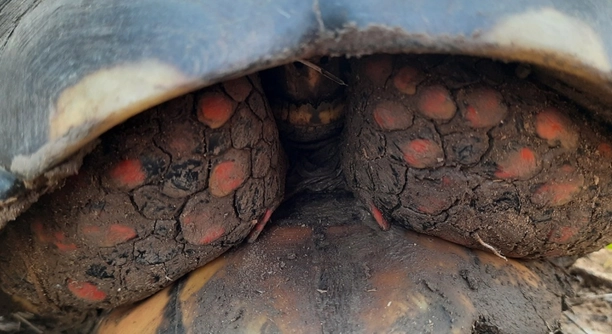
If you have a red-footed tortoise, you might notice it constantly trying to climb. Understanding the reasons behind this behavior can help you provide better care and ensure your pet stays healthy and happy.
Red-footed tortoises may attempt to climb for several reasons, such as seeking a better view of their surroundings, exploring, or looking for food or water. They are naturally curious creatures, and this behavior is often linked to their instinctual need for stimulation.
Understanding these factors will help you manage your tortoise’s climbing habits and provide an enriched environment to support its well-being.
Why Is My Red-Footed Tortoise Trying to Climb?
Red-footed tortoises are naturally curious and active animals, and climbing is often a way for them to explore their environment. It’s important to understand their behavior and what might be causing it. One common reason for climbing is the desire for a better vantage point. These tortoises are instinctively driven to seek higher ground, which allows them to see their surroundings and feel safer. Additionally, climbing may be linked to environmental factors such as temperature or humidity. If they feel uncomfortable in their current location, they may try to climb in search of better conditions.
In some cases, your tortoise may be attempting to climb due to boredom or stress. A lack of mental stimulation or insufficient space to roam may drive them to find something engaging to do. Tortoises also need adequate hiding spots, which help them feel secure. If their enclosure doesn’t offer enough variety, climbing can become a way for them to create their own entertainment.
Red-footed tortoises are primarily land dwellers, but they need a suitable environment that mimics their natural habitat. When kept in captivity, they often feel compelled to seek higher ground for comfort or security.
How to Address Climbing Behavior
Providing an enriched environment can prevent climbing from becoming a problem. Adding plants, rocks, and different textures to their enclosure can help keep them entertained. These additions allow them to explore without resorting to climbing. Additionally, offering a large enough enclosure ensures that your tortoise can move freely and express its natural behaviors.
The more space you provide, the less likely your tortoise is to feel the need to climb. A varied and secure environment reduces stress, which is often at the root of climbing attempts. Make sure to include hiding spots and areas with different levels so your tortoise can satisfy its natural instinct to explore.
The Role of Temperature and Humidity
Temperature and humidity are crucial factors for a red-footed tortoise. If the environment is too hot or too cold, your tortoise may attempt to climb to find more comfortable conditions. Maintaining a consistent temperature and humidity level within the enclosure is key to preventing this behavior.
If the temperature is too high, they might climb to try and cool down. Conversely, if it’s too low, they may seek higher ground to find warmth. Proper heating and cooling sources in their habitat can address these issues. Additionally, misting the enclosure or providing water sources will help maintain humidity levels that suit their needs.
A consistent temperature range between 75-85°F during the day and slightly cooler at night ensures that your tortoise is comfortable. High humidity, typically around 70-80%, also helps keep their skin and respiratory system healthy. Be sure to monitor the temperature and humidity regularly for a balanced environment.
Offering Proper Nutrition
Red-footed tortoises require a balanced diet to remain healthy, and poor nutrition can lead to various behavioral issues, including climbing. A lack of proper food can leave them feeling unsettled, causing them to explore more than usual. Ensure your tortoise is fed a variety of leafy greens, fruits, and some protein sources.
A healthy diet contributes to overall well-being and helps your tortoise feel secure and content. Overfeeding or underfeeding can also cause stress and lead to abnormal behaviors like climbing. It’s important to stick to a feeding schedule to provide stability in their daily routine.
If your tortoise is climbing excessively, it may be a sign that it’s looking for something to eat or is unsatisfied with its diet. Ensuring proper nutrition can reduce the likelihood of climbing as a way to seek food.
Stress and Anxiety Factors
Stress and anxiety can cause red-footed tortoises to climb. They may feel threatened by loud noises, sudden movements, or changes in their environment. It’s important to keep their habitat calm and quiet to reduce stress levels.
If there are too many people around or other animals nearby, your tortoise might feel insecure and resort to climbing as a way to cope. A peaceful, quiet space where they can feel safe is essential for their well-being. Consider limiting unnecessary disturbances around their enclosure to help them relax.
Providing Safe Climbing Opportunities
While climbing behavior is often a sign of stress or curiosity, offering safe climbing opportunities can redirect this behavior. Providing rocks, logs, or sturdy structures in the enclosure allows them to climb without risking injury. This satisfies their instinctual desire to explore and climb safely.
Including these elements in their environment can help fulfill their natural instincts while preventing frustration. The right climbing structures can also make them feel more secure by giving them a place to hide or rest. It’s important to monitor their use of these features and make sure they’re not becoming too stressed while exploring them.
Ensuring Adequate Space
If your red-footed tortoise feels confined, climbing may become a sign of restlessness. Ensuring your tortoise has enough space to move around is essential to preventing this behavior. A cramped enclosure leads to stress and boredom.
A larger enclosure allows them to move freely, reducing the urge to climb. The space should mimic their natural habitat, with areas to roam, hide, and explore. The more room they have, the less likely they are to climb out of discomfort or frustration.
FAQ
Why is my red-footed tortoise climbing on the walls of its enclosure?
Climbing on the walls of the enclosure is a common behavior for red-footed tortoises. It is often a sign that the tortoise is looking for a way out or seeking more space. This behavior can also result from a lack of stimulation, boredom, or discomfort in the enclosure. If the temperature or humidity isn’t properly regulated, they might try to climb to find a more comfortable spot. Ensuring a larger, more enriched environment with hiding spaces and climbing opportunities can help address this behavior.
Is climbing dangerous for my tortoise?
Climbing can be dangerous if your tortoise is trying to scale walls or other high structures. They may fall, leading to injury. If your tortoise climbs excessively and tries to escape, it’s important to ensure the enclosure is safe and secure. Make sure the climbing surfaces are low enough to avoid falls, and that there are no sharp edges or obstacles that could harm them. Proper monitoring of climbing behavior can help prevent injuries.
How can I stop my red-footed tortoise from climbing?
To prevent your tortoise from climbing, make sure its enclosure is large enough and enriched with the proper elements. Adding plants, logs, rocks, and various textures can help keep them occupied. A more stimulating environment will reduce the urge to climb. Additionally, ensuring that temperature and humidity levels are within a comfortable range will keep your tortoise from seeking higher ground. If your tortoise is still climbing, consider making changes to the enclosure, such as adding barriers that prevent climbing.
What can I add to the enclosure to prevent climbing?
Consider adding different textures, such as rocks and logs, that can be climbed safely. These provide your tortoise with outlets for its climbing instincts in a secure way. Hiding spots and plants are also important for mental stimulation. A large, varied enclosure with plenty of room for exploration can reduce climbing. Additionally, make sure your tortoise’s habitat feels secure by providing places to hide and areas where they can feel protected from any perceived threats.
Does my tortoise climb because it is stressed?
Yes, stress is a common cause of climbing in red-footed tortoises. If your tortoise feels unsafe or threatened by loud noises, changes in its environment, or an overcrowded space, it may resort to climbing as a way to cope. Reducing stressors in their environment, such as limiting sudden movements or keeping the area quiet, can help decrease climbing behavior. Additionally, ensuring your tortoise feels secure with proper hiding spots and a stable habitat can help reduce stress.
Can I train my tortoise not to climb?
Training a tortoise is not as straightforward as training other animals like dogs, but you can influence their behavior through environmental changes. Offering a well-enriched and properly sized enclosure will help reduce the need for climbing. Positive reinforcement, like giving them food or attention when they stay grounded, may also help. However, it’s essential to understand that some climbing behavior may be natural for your tortoise, and the goal is to provide safe opportunities for it to express this instinct.
How often should I check my tortoise’s enclosure for climbing issues?
It’s important to regularly monitor your tortoise’s enclosure to ensure that it’s not attempting to climb excessively or escape. Checking the enclosure weekly for climbing behavior and making sure the environment is comfortable and safe will help keep your tortoise healthy and secure. If your tortoise is regularly trying to climb, assess whether the enclosure is too small, not stimulating enough, or if the temperature or humidity needs adjusting.
Is climbing a sign of illness in my red-footed tortoise?
Climbing is typically a behavior related to exploration, curiosity, or discomfort, rather than a sign of illness. However, if your tortoise is showing signs of lethargy, loss of appetite, or abnormal behavior alongside climbing, it could indicate a health problem. In such cases, it’s a good idea to consult a veterinarian who specializes in reptiles to rule out any potential health issues.
How do I make my tortoise feel more secure in its habitat?
To make your tortoise feel more secure, create an enclosure that mimics its natural environment as much as possible. Provide hiding spots, areas to burrow, and plants to offer shelter. A stable temperature and humidity level are also essential for your tortoise’s comfort. The more secure and comfortable it feels, the less likely it is to climb out of stress or curiosity.
Can I give my tortoise more space to stop climbing?
Yes, giving your tortoise more space is one of the most effective ways to stop climbing behavior. A larger enclosure allows your tortoise to roam freely, reducing its need to climb. The space should be enriched with various textures and hiding spots to encourage exploration and provide mental stimulation. Proper space also helps your tortoise feel less confined, which can reduce stress and frustration.
What types of climbing structures are safe for my tortoise?
If you want to provide climbing opportunities for your tortoise, make sure the structures are safe and not too high. Low rocks, logs, or wooden platforms are ideal. They should be sturdy and positioned in a way that prevents your tortoise from falling from a height that could cause injury. Always check for sharp edges or rough surfaces that could hurt your tortoise.
How do I know if my tortoise is bored?
Signs of boredom in a tortoise can include excessive climbing, pacing, or digging. A bored tortoise may also display a lack of interest in its food or environment. Providing a larger enclosure with varied terrain and hiding spots can help keep your tortoise entertained and mentally stimulated. Interactive toys, plants, and structures can also offer entertainment and reduce boredom.
What temperature and humidity are ideal for my red-footed tortoise?
Red-footed tortoises require a temperature range of 75-85°F during the day, with a slight drop at night. Humidity levels should be maintained between 70-80% to ensure proper hydration and respiratory health. These conditions are essential for your tortoise’s comfort, and failure to provide the right environment can lead to climbing and other stress-related behaviors. Regularly monitor these factors to create a balanced habitat.
Final Thoughts
Understanding your red-footed tortoise’s climbing behavior is crucial for creating a comfortable and secure environment. Tortoises are naturally curious animals, and climbing can be a way for them to explore their surroundings. While this behavior can be normal, it may indicate the need for a more stimulating habitat. If your tortoise is climbing frequently, it might be a sign that it’s feeling bored, stressed, or uncomfortable in its current space. Addressing these factors will help prevent climbing and ensure that your tortoise remains healthy and happy.
A larger, more enriched enclosure is one of the best ways to reduce climbing behavior. Providing a variety of textures, such as logs, rocks, and plants, can keep your tortoise engaged. These elements encourage natural behaviors like exploring and hiding, which can help alleviate climbing. Additionally, maintaining a proper temperature and humidity level is vital. If these environmental conditions are not right, your tortoise might attempt to climb in search of a better spot. Ensuring a secure and comfortable habitat can prevent these issues and promote overall well-being.
Remember, climbing is a natural instinct for tortoises, but it should be safe. Regularly check your tortoise’s enclosure to ensure that it is secure and free of any hazards. Monitor its behavior closely and make adjustments as needed. With the right care and attention, you can minimize climbing and create a thriving environment for your red-footed tortoise. The key is balancing space, stimulation, and comfort, so your tortoise feels safe and content in its home.

Hello,
If you enjoy the content that we create, please consider saying a "Thank You!" by leaving a tip.
Every little bit helps us continue crafting quality advice that supports the health, happiness, and well-being of pets around the world, for pets of all shapes, sizes, and species.
We really appreciate the kindness and support that you show us!