
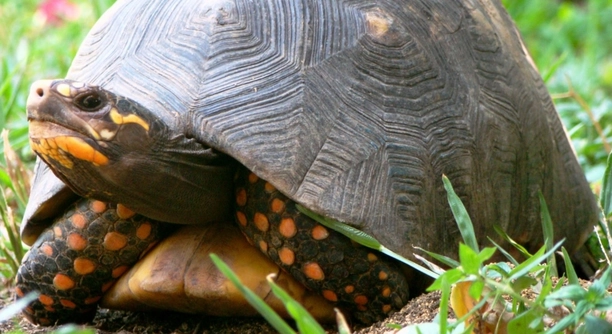
Red-footed tortoises can be picky eaters, and when they refuse food, it can be concerning. Several factors can cause this behavior, from environmental issues to stress. Understanding the root cause can help you get them back to eating normally.
The main reason why a red-footed tortoise might refuse to eat is due to improper environmental conditions. These tortoises require a warm, humid environment with proper lighting. Stress or changes in diet can also impact their appetite.
Addressing the causes behind your tortoise’s loss of appetite can lead to healthier habits. Ensuring the right habitat, diet, and routine will support its well-being.
Environmental Factors Affecting Appetite
A red-footed tortoise’s environment plays a significant role in its eating habits. If the temperature is too low or the humidity levels are incorrect, your tortoise may lose interest in food. Tortoises need warmth and moisture to stay active and healthy. A temperature range of 85-95°F (29-35°C) during the day and a drop to 75°F (24°C) at night is ideal. Low humidity levels can lead to dehydration, making the tortoise feel unwell and unwilling to eat. Regular misting of their habitat can help maintain the right moisture levels. Also, make sure the tortoise has access to a proper light source, as UVB light helps with digestion and overall health.
Inconsistent environmental conditions are often the first thing to check when your tortoise isn’t eating. Small adjustments can make a big difference in its behavior.
If your red-footed tortoise’s habitat is off, it can have a direct impact on appetite. Fixing temperature and humidity levels should be your first step before addressing other possible causes.
Stress and Changes in Routine
Tortoises are sensitive creatures, and stress can easily affect their appetite. A change in surroundings, new animals in the home, or even unfamiliar people can make them anxious. Even small disruptions in their routine, such as changes in feeding time or location, can have an impact. Consistency is key when it comes to keeping your tortoise calm and ensuring it feels safe.
Additionally, frequent handling or loud noises can cause your tortoise to retreat into its shell, signaling discomfort. This stress may cause a loss of appetite as the tortoise focuses on dealing with its environment rather than eating.
To reduce stress, create a predictable routine for feeding, cleaning, and handling. By making its environment calm and stable, your tortoise will likely begin eating again once it feels comfortable.
Improper Diet and Feeding Schedule
A red-footed tortoise’s diet plays a crucial role in its appetite. Offering the wrong foods or feeding at inconsistent times can cause the tortoise to lose interest in eating. Stick to a diet of leafy greens, vegetables, and occasional fruit to maintain a healthy appetite.
If your tortoise is accustomed to eating at certain times, irregular feeding schedules can throw it off. Try to feed it at the same time each day to encourage a stable routine. Fresh food should be offered daily, and be sure to remove uneaten food to prevent contamination. A balanced diet is key to keeping your tortoise healthy and hungry.
Overfeeding can also lead to appetite issues. If your tortoise is fed too much or too often, it may lose interest in food. Stick to portion sizes that fit its size and age, ensuring that meals are consistent but not excessive.
Health Issues and Medical Concerns
If the environmental factors and diet are in check, health problems might be affecting your tortoise’s appetite. Digestive issues, parasites, or infections can cause discomfort, leading to a loss of interest in food. Regular vet checkups are essential for detecting underlying health problems.
If you notice other signs of illness, such as lethargy, swollen eyes, or shell problems, it’s important to seek professional advice. A veterinarian experienced with reptiles will be able to diagnose the issue and recommend a treatment plan. Keeping track of any changes in behavior can also help the vet pinpoint potential health problems.
Tortoises can be sensitive to changes in their health, and it’s easy to overlook symptoms. If the tortoise is unwilling to eat for more than a couple of days, especially with other signs of illness, don’t hesitate to take it to the vet for an examination.
Overcrowded Habitat
An overcrowded habitat can cause stress for your tortoise, leading to a loss of appetite. If too many animals share the same space, competition for resources such as food and space can make the tortoise feel anxious and reluctant to eat.
Providing enough room for your tortoise to roam and bask is essential for its well-being. If the habitat feels cramped, it can increase stress levels, making it difficult for the tortoise to relax and focus on eating. Make sure the enclosure is spacious enough for all its needs.
Poor Food Presentation
How the food is presented to your tortoise can also influence its interest in eating. Offering food in a clean, easily accessible dish can make it more appealing.
A messy, overcrowded food bowl can deter your tortoise from eating. Ensure food is fresh, and the dish is kept clean and free of leftover food.
Seasonal Changes in Appetite
Changes in the seasons can impact your tortoise’s eating habits. During colder months, it may become less active and eat less. This is normal behavior for many reptiles.
As temperatures drop, your tortoise might enter a semi-dormant state, known as brumation. This period of reduced activity is natural but requires careful monitoring to ensure it stays healthy. It’s essential to adjust its environment to keep it warm enough during these months to prevent further stress.
FAQ
Why is my red-footed tortoise not eating?
There can be several reasons why your red-footed tortoise isn’t eating. Common causes include improper environmental conditions, such as low temperatures or incorrect humidity. Stress from a change in environment or routine, poor diet, or medical issues like infections can also affect its appetite. Ensuring the habitat is warm and humid, sticking to a consistent feeding schedule, and offering the right diet can help address these issues.
What temperature should my red-footed tortoise’s enclosure be?
Your red-footed tortoise requires a temperature between 85-95°F (29-35°C) during the day. At night, it should drop to around 75°F (24°C). This temperature range helps mimic its natural tropical habitat and keeps the tortoise comfortable and active. Providing a basking spot with a temperature of 95°F (35°C) can also help your tortoise regulate its body heat and encourage eating.
How can I improve my red-footed tortoise’s diet?
A healthy diet is essential for your red-footed tortoise. Offer a variety of leafy greens, such as collard greens, mustard greens, and dandelion greens. You can also provide vegetables like bell peppers, squash, and carrots. Occasional fruit, like papaya, banana, or strawberries, can be added for variety. Avoid feeding it iceberg lettuce or high-protein foods, which can cause health issues. Always remove uneaten food daily to keep its habitat clean.
Should I handle my tortoise often?
Handling your tortoise too frequently can cause stress, especially if it’s not used to it. While occasional handling can help with bonding, it’s best to limit it to prevent anxiety and food refusal. Let your tortoise feel comfortable in its enclosure before introducing more handling. Always approach gently and avoid chasing it, as this can make it fearful.
Is my red-footed tortoise sick? How do I know?
If your tortoise stops eating and shows signs like lethargy, swelling of the eyes, or abnormal behavior, it may be unwell. A loss of appetite combined with other symptoms, such as changes in its shell or unusual discharge from the nose or mouth, could indicate an infection or internal issue. If these symptoms persist for more than a couple of days, it’s best to consult a vet familiar with reptiles.
Can a red-footed tortoise go without food for a while?
Red-footed tortoises can go without food for a short period, especially if they are brumating during the colder months. However, this should not last for extended periods. If your tortoise stops eating for more than a few days without a clear seasonal reason, it’s a sign that something might be wrong with its environment or health. Always keep an eye on its behavior and consult a vet if needed.
How much should I feed my tortoise?
Portion sizes depend on the size and age of your tortoise. Young tortoises require more frequent feedings with smaller amounts, while adult tortoises can be fed larger portions every other day. A good rule of thumb is to provide enough food so that it can finish within 30-45 minutes, ensuring it gets the necessary nutrition without overeating. Always adjust based on its size, activity level, and age.
Can stress cause my tortoise not to eat?
Yes, stress can be a major factor in why a red-footed tortoise might stop eating. Changes in its environment, such as a move to a new enclosure, new animals in the house, or a shift in daily routine, can cause anxiety. Even loud noises or too much handling can contribute to stress. Keeping its environment calm and consistent will help reduce this stress and encourage eating.
How can I help my tortoise eat more?
Making small changes in its environment and diet can help encourage eating. Ensure its enclosure is at the right temperature and humidity level. Offer fresh food daily, remove uneaten food, and provide variety to keep its interest. You can also try offering food at the same time every day to establish a routine. If these changes don’t work, a vet visit may be necessary to rule out any underlying health problems.
Can my red-footed tortoise get bored of its food?
Yes, red-footed tortoises can get bored if they are offered the same food every day. To avoid this, try rotating the types of greens, vegetables, and fruits you offer. Adding variety will keep the diet interesting and encourage eating. Just ensure that the foods are safe and suitable for your tortoise.
Final Thoughts
Understanding why your red-footed tortoise isn’t eating can be tricky, but with the right approach, you can usually find the cause. Environmental factors like temperature, humidity, and enclosure size play a significant role in your tortoise’s eating habits. Stress from overcrowding or frequent handling can also be a major factor. It’s essential to create a stable, comfortable environment for your tortoise, as this will help it feel safe and secure enough to eat.
A varied, nutritious diet is another key factor to encourage your tortoise to eat. By offering a wide selection of leafy greens, vegetables, and occasional fruit, you can keep your tortoise interested in its food. However, it’s important to avoid foods that are harmful or difficult to digest, such as iceberg lettuce or too much fruit. Regularly cleaning the food bowl and offering fresh food will also help maintain its appetite. If you’re unsure about the best foods, it’s always a good idea to consult a vet who specializes in reptiles.
If you’ve addressed all the environmental and dietary factors and your tortoise still isn’t eating, it’s time to consider health issues. Illness or infections can affect your tortoise’s appetite, so look out for signs like lethargy, swelling, or abnormal behavior. A visit to a reptile vet can help diagnose any health concerns and ensure your tortoise is on the path to recovery. Keeping a close eye on its behavior and making sure its needs are met will go a long way in maintaining a healthy, happy tortoise.

Hello,
If you enjoy the content that we create, please consider saying a "Thank You!" by leaving a tip.
Every little bit helps us continue crafting quality advice that supports the health, happiness, and well-being of pets around the world, for pets of all shapes, sizes, and species.
We really appreciate the kindness and support that you show us!