
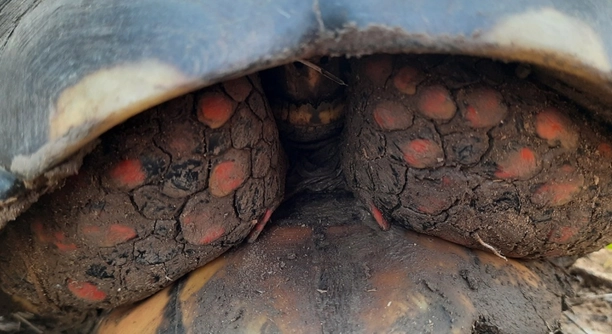
Is your red-footed tortoise refusing to burrow, leaving you concerned about its well-being? Burrowing is a natural behavior that provides comfort and security, so when your tortoise avoids it, there may be an underlying issue that needs attention.
A red-footed tortoise may refuse to burrow due to incorrect substrate, improper humidity levels, or stress from environmental changes. Ensuring a deep, moisture-retaining substrate and maintaining optimal temperatures can encourage burrowing and support your tortoise’s natural instincts.
Understanding these factors will help you create a suitable habitat and ensure your tortoise remains comfortable and healthy in its enclosure.
Common Reasons Your Red-Footed Tortoise Won’t Burrow
A red-footed tortoise may stop burrowing due to unsuitable habitat conditions. If the substrate is too dry, too compact, or too shallow, your tortoise may not feel comfortable digging. Temperature and humidity levels also play a role—if they are too low or too high, your tortoise may avoid burrowing. Stress from a new environment, changes in enclosure setup, or the presence of other animals can also impact its behavior. Additionally, health issues like dehydration or illness may cause lethargy, reducing the instinct to burrow. Identifying and addressing these factors can help your tortoise feel secure.
Check the enclosure’s humidity and temperature regularly. Aim for a humidity level of around 70% and temperatures between 80–85°F during the day. A well-maintained environment encourages natural behaviors.
Providing an appropriate substrate mixture, maintaining optimal humidity, and minimizing stress will help your tortoise regain its burrowing instincts. Simple adjustments can make a big difference.
How to Encourage Burrowing
Ensure the substrate is at least six inches deep and retains moisture without becoming soggy. A mix of coconut coir, organic topsoil, and sphagnum moss works well for red-footed tortoises.
Place hides and shaded areas in the enclosure to create a sense of security. A stressed tortoise may hesitate to burrow, so offering covered spaces can encourage natural behavior. Regularly mist the substrate to maintain humidity and prevent dryness. If your tortoise still refuses to burrow, check for signs of dehydration or illness. A vet visit may be necessary if there are additional symptoms like lack of appetite or unusual behavior.
By providing a stable environment and reducing external stressors, your tortoise can feel comfortable enough to resume burrowing. Observing its habits and making gradual improvements will help ensure a happy, healthy pet.
Adjusting the Substrate for Better Burrowing
A red-footed tortoise needs a deep, moisture-retaining substrate to burrow comfortably. If the substrate is too compact or too dry, your tortoise may struggle to dig. A proper mixture helps maintain humidity and mimics its natural environment, making burrowing easier and more appealing.
A mix of coconut coir, organic topsoil, and sphagnum moss creates an ideal burrowing substrate. It should be at least six inches deep, allowing your tortoise to dig without hitting the bottom of the enclosure. Lightly misting the substrate daily prevents it from drying out, but avoid overwatering, as excess moisture can cause mold or bacterial growth. The substrate should feel slightly damp, not wet.
If your tortoise still avoids burrowing, check for changes in texture. A compacted substrate can be loosened by mixing it occasionally. Ensuring proper depth and moisture levels will encourage burrowing while keeping the enclosure clean and comfortable.
Maintaining Proper Temperature and Humidity
Red-footed tortoises require a stable environment with temperatures between 80–85°F during the day and a slight drop at night. If temperatures are too low, your tortoise may feel sluggish and avoid burrowing. If they are too high, it may seek cooler areas instead. A heat gradient ensures comfort.
Maintaining 70% humidity is equally important. A humidity level that is too low can cause dehydration and discourage burrowing, while excessive moisture can lead to respiratory issues. Placing a hygrometer in the enclosure allows you to monitor and adjust humidity levels as needed. Regular misting, along with a well-chosen substrate, helps keep conditions stable.
A combination of heat lamps and under-tank heaters can create an ideal temperature range. Position the heat source on one side of the enclosure to allow for natural thermoregulation. Keeping an eye on these conditions will support healthy behaviors, including regular burrowing.
Reducing Stress in the Environment
Frequent changes in the enclosure can cause stress, making your tortoise hesitant to burrow. Keep the setup consistent, with hiding spots and natural elements like logs or plants. A stable environment helps your tortoise feel secure and encourages natural behaviors, including burrowing.
Excessive noise, bright lights, or the presence of other pets can make your tortoise uncomfortable. Placing the enclosure in a quiet, low-traffic area reduces disturbances. Limiting handling and allowing time to adjust to changes also helps reduce stress, promoting a sense of safety within the habitat.
Checking for Health Issues
Illness, dehydration, or parasites can make a tortoise too weak to burrow. If your tortoise shows signs like lethargy, lack of appetite, or unusual behavior, a vet visit may be necessary. Regular health checkups ensure any underlying problems are caught early, helping your tortoise stay active and comfortable.
Encouraging Natural Behavior
Mimicking a red-footed tortoise’s natural habitat supports its instincts. Providing shaded areas, varied terrain, and a humid hide encourages burrowing. Offering food near a burrowed area can also help reinforce the behavior. Simple environmental adjustments can make a big difference in maintaining a happy, healthy tortoise.
FAQ
Why isn’t my red-footed tortoise burrowing?
If your tortoise isn’t burrowing, the most common reasons are environmental factors like improper substrate, incorrect humidity, or temperature issues. Stress from handling or changes in the enclosure can also discourage burrowing. Additionally, health issues such as dehydration or illness may cause lethargy, preventing burrowing behavior. Make sure the habitat mimics the natural conditions of a red-footed tortoise, with a deep, moist substrate and stable temperature and humidity levels.
How deep should the substrate be for burrowing?
The substrate should be at least six inches deep. Red-footed tortoises need a space where they can dig and feel secure. A shallow substrate may not allow for burrowing, while a deeper one helps create a more natural environment. Mixing coconut coir, organic topsoil, and sphagnum moss will encourage burrowing and retain the right amount of moisture.
How do I know if the humidity is right for my tortoise?
To check the humidity, place a hygrometer inside the enclosure. Red-footed tortoises thrive in environments with humidity levels around 70%. If the humidity is too low, your tortoise might become dehydrated and avoid burrowing. On the other hand, too much moisture can lead to mold or respiratory issues. Adjust the humidity by misting the substrate regularly.
What temperature should I keep the enclosure at?
The temperature should range between 80–85°F during the day. Red-footed tortoises are ectothermic, meaning they rely on their environment to regulate body temperature. Ensure there’s a heat gradient in the enclosure so your tortoise can move to warmer or cooler areas as needed. At night, a slight drop to around 70°F is acceptable.
Can my tortoise burrow in the same spot every time?
Yes, it’s normal for your red-footed tortoise to burrow in the same area, especially if it feels secure and comfortable there. Tortoises may create a small burrow that they return to, much like creating a home base. If you notice your tortoise is constantly trying to dig in the same spot, make sure the substrate is deep enough and moisture levels are maintained.
What can I do if my tortoise still refuses to burrow?
If your tortoise continues to avoid burrowing despite adjustments to the enclosure, consider checking for health issues. Dehydration, parasites, or illness can make a tortoise less active. A visit to the vet can rule out any underlying health concerns. If your tortoise appears healthy, continue to monitor environmental factors like temperature and humidity, and try reducing stress in the habitat.
Should I provide multiple hiding spots in the enclosure?
Yes, multiple hiding spots can help your tortoise feel secure and less stressed. Tortoises are naturally solitary creatures and prefer having options for retreat. Creating areas with natural elements like rocks, logs, or plants can mimic a natural environment and encourage burrowing behavior.
Can stress affect my tortoise’s burrowing habits?
Absolutely. Stress from frequent handling, changes in the environment, or the presence of other pets can cause your tortoise to stop burrowing. Make sure the enclosure is placed in a quiet area, away from loud noises and disturbances. Additionally, give your tortoise time to adjust to any changes in the setup before expecting it to resume normal behavior.
How often should I clean my tortoise’s enclosure?
It’s important to clean your tortoise’s enclosure regularly to maintain a healthy environment. Spot clean daily by removing waste and uneaten food. Once a week, remove and replace the substrate, ensuring it remains fresh and free from mold or bacteria. Regular cleaning helps prevent health issues and keeps the enclosure inviting for your tortoise.
Can I use sand as a substrate for burrowing?
Sand is not the best choice for a red-footed tortoise’s substrate. It doesn’t retain moisture well and can be too dry for burrowing. Additionally, sand can cause impaction if ingested. A better substrate option is a mix of coconut coir, organic topsoil, and sphagnum moss, which holds moisture and allows for natural digging.
Is it normal for my tortoise to be inactive?
Some inactivity is normal, especially if your tortoise is resting or adjusting to new surroundings. However, prolonged inactivity can be a sign of an underlying issue. If your tortoise is not eating, drinking, or moving around at all, it might be time for a vet check to ensure there are no health problems.
What should I do if my tortoise is dehydrated?
If you suspect dehydration, increase the humidity in the enclosure and offer water in a shallow dish. You can also soak your tortoise in lukewarm water for 20-30 minutes to help rehydrate it. If dehydration persists, consult a veterinarian for proper treatment.
Can I use a heat lamp for my tortoise?
Yes, a heat lamp is a good option for maintaining the proper temperature for your red-footed tortoise. It helps create a heat gradient, allowing your tortoise to move to warmer or cooler spots. Be sure to place the lamp on one side of the enclosure to create the gradient and avoid overheating.
How often should I feed my red-footed tortoise?
Red-footed tortoises should be fed every other day, providing a diet that consists of leafy greens, fruits, and some flowers. Avoid feeding them too much protein, as it can lead to health issues. Make sure fresh water is always available.
Final Thoughts
Understanding why your red-footed tortoise isn’t burrowing is important for ensuring its health and happiness. Many factors can contribute to this behavior, including environmental conditions like temperature, humidity, and substrate depth. Ensuring that the enclosure is set up to mimic its natural habitat, with plenty of space, hiding spots, and access to moisture, is crucial. Stress from handling, noise, or changes in the environment can also discourage burrowing, so providing a calm, stable area will help your tortoise feel more comfortable. Regular health checks are also essential to rule out any underlying medical issues that could affect its behavior.
Red-footed tortoises are creatures of habit, and their burrowing behavior is part of their natural instinct. They often dig to find shelter or create a secure, cool spot to rest. By making small adjustments in the environment, such as adding deeper substrate or increasing humidity, you can help your tortoise feel more inclined to burrow. The key is patience and observation. Every tortoise is unique, and it may take time for your pet to adjust to the new setup. Keeping an eye on their activity and watching for any signs of distress will ensure you can address any potential problems early.
Lastly, it’s important to remember that tortoises, like any pet, have their own preferences and rhythms. While burrowing is natural, not all red-footed tortoises will choose to burrow frequently. Sometimes, simply ensuring that the enclosure is well-maintained and offering a safe space to rest is enough. If the behavior persists, don’t hesitate to consult with a reptile vet to get a clear understanding of what might be happening. Whether it’s environmental changes, health issues, or just their own unique habits, understanding your tortoise’s needs will help create a better living space and improve their well-being.

Hello,
If you enjoy the content that we create, please consider saying a "Thank You!" by leaving a tip.
Every little bit helps us continue crafting quality advice that supports the health, happiness, and well-being of pets around the world, for pets of all shapes, sizes, and species.
We really appreciate the kindness and support that you show us!