
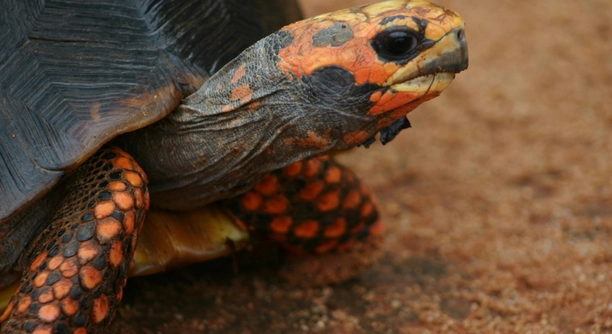
Do you ever find yourself wondering if red-footed tortoises can safely enjoy cactus as part of their diet? These tropical tortoises thrive on a variety of fruits, greens, and vegetables, making cactus a potential addition to their meals.
Red-footed tortoises can eat cactus, specifically prickly pear pads and fruits. This nutrient-rich plant provides hydration, fiber, and essential vitamins. However, it is important to remove the spines before serving to prevent injury and ensure safe consumption.
Cactus can be a valuable food source for red-footed tortoises when prepared correctly. Learning how to serve it properly will help you provide a safe and nutritious meal for your pet.
Benefits of Cactus for Red-Footed Tortoises
Cactus is a hydrating and nutrient-dense food that can benefit red-footed tortoises. Prickly pear pads are rich in fiber, calcium, and antioxidants, supporting digestion and shell health. The high water content helps maintain hydration, especially in warmer climates. Prickly pear fruit is also safe, offering natural sugars and vitamins. However, moderation is key to maintaining a balanced diet. Too much fruit can lead to excess sugar intake, so it is best served occasionally. Including cactus in a varied diet alongside leafy greens and vegetables can contribute to your tortoise’s overall well-being.
Cactus is an excellent addition to a red-footed tortoise’s diet when prepared properly. It provides hydration, essential nutrients, and a natural food source that aligns with their dietary needs.
Offering cactus regularly can be beneficial, but it should not replace other essential foods. A well-rounded diet ensures your tortoise receives all the nutrients necessary for a healthy and active life.
How to Safely Prepare and Serve Cactus
Before serving cactus, removing the spines is essential. Spines can cause mouth injuries or digestive issues if not properly handled. Opt for spineless varieties or carefully scrape off any remaining spines before feeding.
Once the spines are removed, cut the cactus pads into small, manageable pieces. This makes it easier for your tortoise to eat and digest. Serve raw, as cooking can remove essential nutrients. If offering the fruit, remove the outer skin and slice it into portions to prevent choking hazards. Mixing cactus with other vegetables can help maintain a balanced diet. Feed in moderation, as too much can cause digestive upset.
Observing your tortoise’s response to cactus is important. Some may take time to adjust to the texture and taste. Gradually introducing it alongside familiar foods can encourage acceptance. Providing fresh, clean water is also necessary to support digestion.
How Often to Feed Cactus to Red-Footed Tortoises
Cactus can be offered a few times a week as part of a varied diet. It should not be the primary food source but rather a supplement to leafy greens, vegetables, and occasional fruits to maintain proper nutrition and balance.
Feeding cactus in moderation helps prevent dietary imbalances. Too much can lead to excessive water intake or sugar consumption, depending on whether you are serving the pads or fruit. Younger tortoises may benefit from more frequent feedings due to their growth needs, while adults require a more controlled intake. Observing your tortoise’s weight and energy levels can help determine the right amount. Offering cactus alongside other nutrient-rich foods ensures a well-rounded diet that supports overall health.
A balanced diet prevents common health issues like metabolic bone disease or obesity. If your tortoise enjoys cactus, it can be rotated with other fibrous vegetables to maintain variety. Proper feeding habits contribute to a healthy digestive system and optimal growth.
Signs That Your Tortoise Likes Cactus
If your tortoise eagerly approaches and eats cactus without hesitation, it is a clear sign of enjoyment. They may take large bites, return for more, or even show excitement when they see it being served. Some may take time to adjust, especially if they are new to it.
Observing eating habits can help determine preferences. A tortoise that regularly consumes cactus without leaving leftovers is likely enjoying it. If they hesitate or ignore it, they may need more time to adapt. Mixing small pieces with familiar foods can encourage acceptance. Some tortoises may prefer the pads over the fruit or vice versa. Keeping track of their response over time helps in adjusting their diet accordingly.
A tortoise that dislikes cactus may push it aside or leave it untouched. If this happens, try different preparation methods, such as slicing it thinner or pairing it with favorite foods. Providing variety ensures they receive essential nutrients while also enjoying their meals.
Possible Risks of Feeding Cactus
Cactus with spines can cause mouth injuries or digestive issues if not removed properly. Always check for any remaining spines before serving. Some tortoises may also experience mild digestive upset if they eat too much, especially when introduced to cactus for the first time.
Overfeeding cactus fruit can lead to excessive sugar intake, which may contribute to weight gain. While the pads are low in sugar, they should still be fed in moderation. Balancing cactus with other vegetables and greens helps prevent nutritional imbalances and supports a healthy diet.
Other Safe Foods to Include
A red-footed tortoise’s diet should consist of a mix of leafy greens, vegetables, fruits, and protein sources. Safe options include dandelion greens, hibiscus flowers, squash, and papaya. Mushrooms, a natural part of their wild diet, can also be offered occasionally. Providing a variety of foods helps ensure proper nutrition and enrichment.
Final Thoughts
Feeding cactus to a red-footed tortoise can be a nutritious choice when served correctly. Removing spines, offering it in moderation, and balancing it with other foods will support overall health. Observing your tortoise’s response will help determine the best way to incorporate it into their diet.
FAQ
Can red-footed tortoises eat cactus fruit?
Yes, red-footed tortoises can eat cactus fruit, specifically prickly pear. It provides hydration and natural sugars. However, it should be offered sparingly due to its high sugar content. Overconsumption can lead to obesity or digestive issues. Serve it occasionally, ensuring it complements their regular diet of leafy greens and vegetables.
How should cactus be prepared for a tortoise?
Cactus should be prepared by removing all spines. Use a knife or vegetable peeler to carefully scrape off the spines. If you’re using prickly pear pads, slice them into smaller pieces to make it easier for your tortoise to eat. Always serve it raw to preserve its nutrients.
Is cactus safe for baby red-footed tortoises?
Cactus can be safe for baby red-footed tortoises when served in moderation. Younger tortoises may benefit from smaller portions due to their delicate digestive systems. Start by offering tiny amounts of cactus to see how they react. It’s essential to provide a balanced diet with varied food sources.
Can cactus cause any health problems for tortoises?
Cactus can cause health problems if not prepared properly. Spines left on the cactus can injure your tortoise’s mouth or cause digestive issues. Excessive fruit consumption may also lead to weight gain due to high sugar levels. Always serve cactus in moderation and ensure proper preparation.
How often should I feed cactus to my red-footed tortoise?
Cactus should be offered 1-2 times a week as a supplement to their regular diet. It should not replace their primary food source, which should consist of a variety of leafy greens, vegetables, and occasional fruits. Moderation is key to avoid nutritional imbalances or digestive problems.
Can red-footed tortoises eat the skin of the cactus fruit?
No, the skin of cactus fruit should not be fed to your tortoise. The skin can be tough to digest and may pose a choking hazard. Always peel the fruit before serving and slice it into manageable pieces. The flesh is soft and nutritious for your tortoise.
What other foods can I feed my red-footed tortoise alongside cactus?
In addition to cactus, red-footed tortoises can eat a wide variety of vegetables and fruits. Safe foods include dandelion greens, hibiscus flowers, squash, papaya, and mushrooms. A diet rich in fiber and low in fat will ensure your tortoise stays healthy and maintains a proper weight.
Can I feed my red-footed tortoise cactus every day?
No, cactus should not be a daily food for red-footed tortoises. While it offers hydration and nutrients, it is best served as an occasional treat. A daily diet should focus on leafy greens, vegetables, and a balanced amount of fruits to prevent excessive sugar intake and maintain a healthy digestive system.
Are there any other types of cactus I can feed to my tortoise?
Besides prickly pear cactus, other types of cactus that are safe for red-footed tortoises include saguaro and opuntia species. Just ensure all spines are removed before feeding. Be cautious when trying new cactus varieties, and always introduce them slowly to observe any adverse reactions.
What are the signs of overfeeding cactus?
Signs of overfeeding cactus may include weight gain, lethargy, or diarrhea. These symptoms indicate that your tortoise may be consuming too much sugar or fiber. If you notice these signs, cut back on the cactus and focus on a more balanced diet of leafy greens, vegetables, and other appropriate foods.
Can I feed cactus pads to my red-footed tortoise every day?
Cactus pads can be fed to red-footed tortoises more frequently than the fruit, but still not daily. Offering cactus pads 2-3 times a week is acceptable as part of a varied diet. Always ensure the pads are fresh and prepared without any spines before serving.
Should I peel cactus pads before feeding them to my tortoise?
No, you do not need to peel cactus pads before feeding them to your tortoise. Simply remove the spines and cut the pads into manageable pieces. The outer skin is edible and provides fiber. Just make sure to wash it thoroughly to remove any dirt or pesticides.
Can feeding cactus help with hydration?
Yes, cactus is a good source of hydration for red-footed tortoises. The high water content in the pads and fruit can help keep your tortoise hydrated, especially in warmer climates. This makes cactus a valuable addition during hot weather but should be balanced with other water sources.
Can I feed cactus along with other fruits to my tortoise?
Yes, cactus can be fed alongside other fruits, but it should still be in moderation. Red-footed tortoises benefit from a varied diet, and combining cactus with fruits like papaya, melon, and berries can provide a mix of vitamins. However, avoid excessive fruit, as it may lead to digestive issues.
Is cactus good for older red-footed tortoises?
Cactus is suitable for older red-footed tortoises, but as with all foods, it should be given in moderation. Older tortoises may not have the same ability to digest large amounts of certain foods, so keep portions small and ensure the diet remains varied with enough fiber and nutrients.
What should I do if my tortoise doesn’t like cactus?
If your tortoise doesn’t like cactus, don’t be discouraged. Try offering it in different forms, such as smaller pieces or mixed with other foods. Sometimes, it may take time for your tortoise to adjust to new food. Be patient and continue providing a range of safe, nutritious options.
Final Thoughts
Feeding cactus to a red-footed tortoise can be a beneficial addition to their diet when served correctly. The cactus pads and fruit provide hydration, fiber, and essential vitamins, which support their overall health. However, it is important to remember that cactus should not be the primary food source. Instead, it should be offered in moderation alongside a variety of other foods like leafy greens, vegetables, and occasional fruits. This helps maintain a balanced diet and ensures your tortoise gets all the nutrients they need.
The preparation of cactus is also crucial to ensuring your tortoise’s safety. Before feeding cactus, always remove the spines to prevent mouth injuries. Cactus pads can be fed raw, but make sure to slice them into small pieces to make them easier for your tortoise to eat. The skin of the cactus fruit should be peeled off as it can be tough to digest. Taking these simple steps will help prevent any potential health issues and make sure your tortoise enjoys the treat without any risks.
Moderation is key when feeding cactus. Overfeeding cactus, especially the fruit, can lead to digestive problems or excess weight due to the high sugar content. Offering cactus once or twice a week, combined with a variety of other food items, will keep your red-footed tortoise healthy and content. By observing their reactions to different foods, you can adjust their diet as needed. With proper care, cactus can be a tasty and healthy treat for your red-footed tortoise.

Hello,
If you enjoy the content that we create, please consider saying a "Thank You!" by leaving a tip.
Every little bit helps us continue crafting quality advice that supports the health, happiness, and well-being of pets around the world, for pets of all shapes, sizes, and species.
We really appreciate the kindness and support that you show us!