
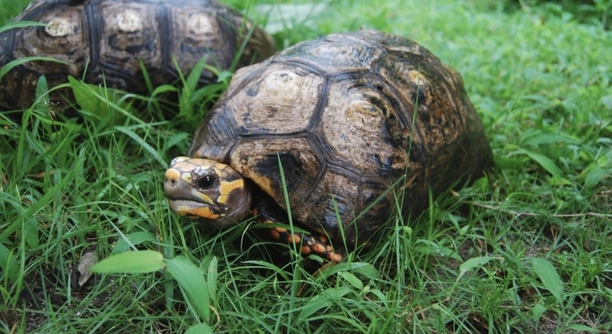
Are you looking for safe and nutritious flowers to feed your red-footed tortoise? Providing a well-balanced diet with edible flowers can enhance their nutrition while adding variety to their meals. Selecting the right flowers ensures they receive essential vitamins and minerals.
Red-footed tortoises can safely eat hibiscus, dandelions, nasturtiums, marigolds, pansies, roses, and violets. These flowers provide essential nutrients while being non-toxic. Including them in your tortoise’s diet supports overall health, hydration, and enrichment, making them a beneficial addition to their meals.
Incorporating these flowers into their diet helps maintain their well-being while adding natural enrichment. Understanding their benefits ensures your red-footed tortoise receives a safe and nutritious variety of food.
Hibiscus: A Bright and Safe Option
Hibiscus flowers are a vibrant addition to your red-footed tortoise’s diet. These colorful flowers are rich in vitamin C and contain antioxidants, which help support the immune system. Hibiscus is easy to find and can be grown at home, ensuring a fresh supply for your tortoise. Red-footed tortoises tend to enjoy the taste and texture of hibiscus petals, making it a treat they’ll look forward to. These flowers can be fed whole or in smaller pieces, offering flexibility when incorporating them into meals.
While hibiscus provides benefits, always ensure that the flowers are free from pesticides or chemicals. Organic varieties are preferred.
Feeding hibiscus is a simple way to add variety to their meals. Just be sure to offer a balanced diet that includes other safe flowers and vegetables. Too much of any single flower, even one as healthy as hibiscus, can lead to an imbalance.
Dandelions: A Nutritious Staple
Dandelions are commonly available and pack a nutritional punch for your tortoise. High in calcium and fiber, dandelions can help with digestion and support bone health. The flowers, leaves, and stems are all edible, providing a diverse meal option.
Dandelions are rich in vitamins A and C, which promote overall health.
Nasturtiums: A Peppery Treat
Nasturtiums are a flavorful and safe option for red-footed tortoises. They contain vitamin C, which helps boost immunity, and their leaves and flowers are completely edible. Their slightly peppery taste adds variety, keeping meals interesting for your tortoise while providing beneficial nutrients.
These flowers are known for their antibacterial properties, which can support digestive health. Nasturtiums are also a natural source of lutein, an antioxidant that promotes eye health. They grow easily in gardens and require minimal care, making them a convenient food source. When feeding nasturtiums, offer them fresh and ensure they are free from pesticides or fertilizers.
Providing nasturtiums in moderation ensures a balanced diet. While they are nutritious, they should not replace staple greens and vegetables. Combining nasturtiums with other safe flowers and leafy greens will help maintain proper nutrition and prevent overconsumption of any single food source.
Marigolds: A Vibrant Choice
Marigolds offer a unique flavor and bright color that can make meals more appealing. They contain antioxidants that support cell health and have mild anti-inflammatory properties. The flowers are entirely safe, but they should be fed in moderation as part of a varied diet.
Marigolds are easy to grow and can be a reliable food source for red-footed tortoises. They contain lutein, which benefits vision, and flavonoids that help support overall health. Their slightly bitter taste may take some time for a tortoise to adjust to, but once accepted, they can be a valuable addition to meals. Organically grown marigolds are the best choice, as store-bought flowers may contain harmful chemicals.
Offering marigolds alongside other edible flowers ensures your tortoise gets a well-rounded diet. Pairing them with hibiscus, dandelions, or nasturtiums provides variety and ensures they receive a mix of vitamins, minerals, and antioxidants for optimal health.
Pansies: A Mild and Nutritious Option
Pansies are safe for red-footed tortoises and provide essential nutrients like vitamin C and antioxidants. Their mild flavor makes them easy to introduce into a tortoise’s diet. Offering fresh, pesticide-free pansies ensures they receive the best nutritional benefits without exposure to harmful chemicals.
These flowers add variety to meals and can be mixed with leafy greens. Pansies contain flavonoids that help support overall health. Feeding them in moderation, alongside other safe flowers, ensures a balanced diet. Avoid overfeeding to maintain dietary diversity and prevent any potential digestive discomfort.
Roses: A Fragrant and Edible Flower
Roses are completely safe for red-footed tortoises, including their petals and leaves. They contain antioxidants and vitamin C, which support immune health. Choosing organically grown roses is important, as store-bought flowers are often treated with pesticides. Fresh petals can be offered alone or mixed with greens to enhance mealtime variety.
Violets: A Soft and Gentle Choice
Violets provide a nutritious and safe treat for red-footed tortoises. They contain vitamins A and C, which support immune function and overall health. Their soft texture makes them easy to eat, and their mild taste is well-accepted. Including violets in a varied diet helps maintain balance and nutritional diversity.
FAQ
Can red-footed tortoises eat all types of flowers?
Not all flowers are safe for red-footed tortoises. Some contain toxins that can be harmful, while others may cause digestive issues. Stick to known safe options like hibiscus, nasturtiums, and violets. Avoid toxic flowers like azaleas, lilies, and oleander.
How often should flowers be included in a tortoise’s diet?
Flowers should be an occasional treat rather than a staple. Feeding them a few times a week alongside leafy greens and vegetables ensures dietary balance. Overfeeding flowers can lead to nutritional imbalances, so variety is key for maintaining proper health.
Are dried flowers safe for red-footed tortoises?
Dried flowers can be safe if they are free from additives, pesticides, or preservatives. However, fresh flowers offer better hydration and nutritional value. If using dried flowers, ensure they are organic and rehydrate them before feeding to make them easier to consume.
Can store-bought flowers be given to tortoises?
Most store-bought flowers are treated with pesticides or fertilizers that are harmful to tortoises. It is best to grow flowers at home or purchase from organic sources to ensure they are free from chemicals. Washing flowers thoroughly may help, but it does not remove all residues.
Do flowers provide enough nutrition for red-footed tortoises?
Flowers contain beneficial vitamins and antioxidants but should not replace staple foods. Leafy greens, vegetables, and occasional fruits provide necessary nutrients. Flowers should complement the diet, not serve as the main food source, to ensure proper growth and health.
What are the best flowers to feed red-footed tortoises?
Hibiscus, nasturtiums, pansies, violets, roses, and marigolds are among the best options. They provide antioxidants, vitamins, and hydration while adding variety to meals. Always choose fresh, organic flowers and introduce new options gradually to ensure your tortoise tolerates them well.
Can tortoises eat flower stems and leaves?
Some flowers have edible stems and leaves, such as hibiscus and nasturtiums. However, not all plants have safe foliage. Before offering stems or leaves, ensure they are non-toxic and free from chemicals. Introduce them in small amounts to avoid digestive issues.
Are wildflowers safe for red-footed tortoises?
Some wildflowers are safe, but others can be toxic. Identifying wild plants correctly is essential before feeding them. Common safe wildflowers include dandelions and violets. When in doubt, avoid wildflowers that have not been properly identified to prevent accidental poisoning.
How can I grow tortoise-safe flowers at home?
Growing organic flowers at home is the best way to ensure safety. Use organic soil, avoid pesticides, and choose flowers known to be safe for tortoises. Planting them in a secure area prevents contamination from chemicals or animals that could introduce harmful substances.
What should I do if my tortoise eats a toxic flower?
If your tortoise consumes a toxic flower, monitor for symptoms like lethargy, loss of appetite, or unusual behavior. Contact a reptile veterinarian immediately. Providing fresh water and removing any remaining toxic plant material can help prevent further harm.
Final Thoughts
Providing a safe and varied diet is essential for the health of red-footed tortoises. Flowers can be a nutritious addition, offering vitamins, antioxidants, and hydration. Choosing safe options like hibiscus, violets, and pansies ensures they receive beneficial nutrients without the risk of toxicity. Avoiding harmful flowers, such as lilies and azaleas, helps prevent health issues. Organic and pesticide-free flowers are the best choice, as chemicals found in store-bought flowers can be dangerous. By incorporating flowers in moderation and balancing them with leafy greens and vegetables, tortoises can enjoy a diverse and nutritious diet.
Observing how a tortoise responds to new foods is important when introducing flowers. Some tortoises may be hesitant at first, while others may enjoy certain flowers more than others. Gradual introduction allows their digestive system to adjust and helps identify any signs of intolerance. Providing a mix of flowers and other fresh foods ensures they receive a well-rounded diet. Maintaining dietary variety also prevents them from becoming overly dependent on one type of food. Regularly rotating flower choices helps keep meals interesting and supports overall health.
Growing safe flowers at home is an excellent way to ensure quality and freshness. Organic gardening methods eliminate the risk of pesticides and other harmful substances. This also provides a sustainable food source that can be harvested as needed. Keeping flowers in a clean environment, free from exposure to chemicals or pollutants, maintains their safety for consumption. Offering a natural diet with fresh, safe flowers enhances a tortoise’s well-being, promoting long-term health and vitality.

Hello,
If you enjoy the content that we create, please consider saying a "Thank You!" by leaving a tip.
Every little bit helps us continue crafting quality advice that supports the health, happiness, and well-being of pets around the world, for pets of all shapes, sizes, and species.
We really appreciate the kindness and support that you show us!