
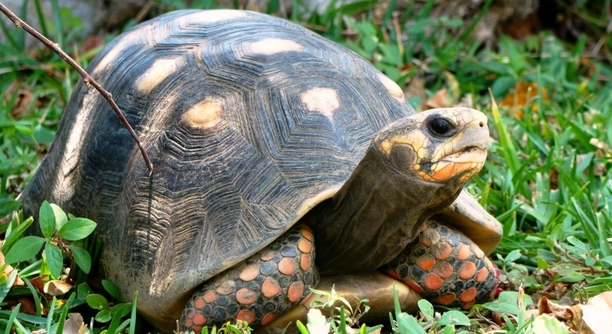
Red-footed tortoises are known for their diverse diet, which includes a variety of fruits, vegetables, and animal-based foods. However, their consumption of eggs raises some questions about safety and the potential effects on their health.
Red-footed tortoises can eat eggs, but it should be done sparingly. While they are omnivores, excessive egg consumption can lead to health issues like obesity or imbalanced nutrition. Moderation is key when offering eggs as part of their diet.
Understanding how to properly incorporate eggs into your tortoise’s diet can help maintain their health. Let’s explore the best practices for feeding them safely.
Can Red-Footed Tortoises Eat Eggs Safely?
Red-footed tortoises can consume eggs, but it is important to offer them in moderation. Eggs are high in protein and fat, which can benefit your tortoise’s health when provided as a treat. However, too many eggs can lead to an imbalance in their diet. Over time, excessive protein and fat intake can result in obesity, shell deformities, and other health problems. To ensure your tortoise remains healthy, feed eggs no more than once or twice a month. Offering small portions, such as scrambled or boiled eggs, is the best way to control their intake. Eggs can also be a good source of calcium, which is beneficial for their shell growth. But it is essential to balance egg consumption with other nutrients like fruits, vegetables, and leafy greens to maintain a well-rounded diet.
Feeding eggs to your red-footed tortoise is a healthy option, but variety should always be prioritized. You should not rely solely on eggs for nourishment.
Other sources of protein, such as insects and plant-based foods, should be included in their diet for optimal health. As an owner, providing a diverse range of foods allows your tortoise to receive all the necessary nutrients for its well-being.
How to Safely Prepare Eggs for Your Tortoise
When feeding eggs to your tortoise, proper preparation is key to ensuring safety. Avoid seasoning the eggs with salt, butter, or spices, as these can be harmful to your tortoise’s digestive system. Instead, prepare the eggs by boiling or scrambling them without any added ingredients. Boiling the eggs is an easy and safe way to serve them. You can also cut the boiled eggs into small pieces, making it easier for your tortoise to consume. If you choose to scramble the eggs, cook them thoroughly to avoid any risk of salmonella. Ensure that the eggs are fully cooked before offering them to your pet, as raw eggs may carry bacteria that could pose a risk to their health.
Including eggs in your red-footed tortoise’s diet can be a healthy addition when prepared properly. However, moderation is important to prevent overfeeding and maintain a balanced diet.
Potential Health Risks of Feeding Eggs to Red-Footed Tortoises
While eggs can offer valuable nutrients to your red-footed tortoise, there are potential health risks associated with their consumption. Overfeeding eggs, especially too frequently, can lead to nutritional imbalances. High fat content may cause weight gain or contribute to shell deformities.
Excessive egg consumption can also impact calcium absorption. Since eggs are high in phosphorus, feeding them too often without balancing with enough calcium-rich foods can result in shell or bone issues. It’s vital to ensure that your tortoise has access to a variety of foods, including leafy greens, fruits, and other sources of calcium, to prevent these issues. A well-balanced diet will support their overall health and development.
While eggs provide certain benefits, they should only be given occasionally. If you’re unsure about the amount to offer, always consult with a veterinarian to help create a safe, effective diet plan for your pet. This will prevent complications from arising and ensure your tortoise’s long-term health.
Alternative Protein Sources for Red-Footed Tortoises
Aside from eggs, there are various alternative protein sources that can benefit your red-footed tortoise. Insects, such as mealworms, crickets, and grasshoppers, are excellent choices. These protein-rich insects support your tortoise’s growth and energy needs without the risks associated with excessive egg consumption. You can also offer small amounts of cooked chicken or fish occasionally.
Another protein source comes from plant-based foods like legumes or certain types of beans, which can be safely included in their diet. However, it’s important to feed these foods in moderation to avoid any digestive issues. A mix of both animal and plant-based proteins will help diversify their diet and ensure they receive all necessary nutrients for proper growth and shell development.
For a healthy, well-rounded diet, try to vary the protein sources your tortoise consumes. A diverse diet promotes longevity and vitality, so it’s essential to offer multiple protein options alongside fruits, vegetables, and calcium-rich foods.
Signs of Overfeeding Eggs to Your Red-Footed Tortoise
Overfeeding eggs to your red-footed tortoise can lead to noticeable signs of weight gain or sluggishness. You may notice that your tortoise becomes less active or seems to gain weight rapidly. If this happens, it’s essential to adjust their diet.
Another indication of overfeeding eggs is shell deformities. Excessive protein and fat can cause an imbalance in their nutrition, leading to problems with shell growth and structure. To prevent this, avoid offering eggs too frequently and ensure a balanced diet with a mix of proteins, vegetables, and fruits.
Providing a Balanced Diet for Red-Footed Tortoises
A balanced diet is key to ensuring your red-footed tortoise remains healthy. Alongside occasional egg servings, offer a variety of leafy greens, such as dandelion greens, collard greens, and mustard greens. These provide essential vitamins and minerals. Fruits like papaya, mango, and banana are great treats, but should be given in moderation due to their high sugar content.
Additionally, a variety of safe vegetables like squash, carrots, and bell peppers should be included. Consider offering them small amounts of plant-based protein sources such as legumes and beans, as well as insects for extra protein. Always ensure your tortoise has access to fresh water and a calcium supplement to support shell health. The key is to provide variety while keeping portions in check to avoid overfeeding.
Portion Control for Red-Footed Tortoises
Portion control is crucial when feeding eggs to your tortoise. Stick to small amounts and limit egg servings to once or twice a month. Always monitor your tortoise’s weight and overall health to prevent any issues related to overfeeding.
FAQ
Can I feed my red-footed tortoise raw eggs?
It is not recommended to feed raw eggs to your red-footed tortoise. Raw eggs can contain harmful bacteria like salmonella, which could cause severe health issues for your tortoise. Always cook the eggs thoroughly before offering them to your pet, whether by boiling or scrambling without added ingredients.
How often can I feed my red-footed tortoise eggs?
Eggs should be fed sparingly, ideally once or twice a month. Offering eggs too frequently can result in obesity and nutritional imbalances due to their high fat and protein content. Ensure you are providing a variety of other foods, including leafy greens and fruits, to meet your tortoise’s dietary needs.
Can eggs cause any health issues for my tortoise?
Yes, overfeeding eggs can lead to health problems. The high fat content in eggs can contribute to obesity and shell deformities. Additionally, excessive protein can disrupt the calcium-to-phosphorus ratio, leading to weakened bones or shell growth. Moderation is essential when offering eggs as a part of your tortoise’s diet.
What is the best way to prepare eggs for my red-footed tortoise?
To prepare eggs for your tortoise, it’s best to boil or scramble them without adding salt, butter, or seasoning. Boiling is simple and safe, while scrambled eggs should be cooked thoroughly to avoid any bacteria. Once cooked, cut the eggs into small pieces to make it easier for your tortoise to eat.
Are there any other foods I should avoid feeding my red-footed tortoise?
Yes, there are several foods you should avoid feeding your tortoise. These include avocado, which can be toxic to reptiles, and foods that are high in oxalates, such as spinach, which can interfere with calcium absorption. Avoid feeding your tortoise processed foods or anything high in salt or sugar.
What vegetables can I feed my red-footed tortoise?
Red-footed tortoises enjoy a variety of vegetables, including leafy greens like collard greens, mustard greens, and dandelion greens. Other vegetables that are safe include squash, carrots, bell peppers, and zucchini. Always ensure that the vegetables are fresh and washed before offering them to your tortoise.
Can my tortoise eat fruit every day?
Fruit should be fed in moderation, as it is high in sugar. While red-footed tortoises enjoy fruits like papaya, mango, and banana, it’s important to limit the amount to avoid excessive sugar intake, which can lead to health problems. Fruit should only be offered as a treat once or twice a week.
How can I ensure my red-footed tortoise is getting enough calcium?
Calcium is essential for your tortoise’s shell health. You can provide calcium by offering calcium-rich vegetables like kale and collard greens, or by dusting their food with a calcium supplement. Make sure your tortoise also has access to a cuttlebone, which they can nibble on for extra calcium.
Can I feed my red-footed tortoise meat or insects?
Yes, red-footed tortoises are omnivores and can eat meat or insects. Insects like crickets, mealworms, and grasshoppers provide a good source of protein. You can also offer cooked chicken or fish occasionally. However, animal protein should not make up the majority of their diet and should be provided in moderation.
How can I tell if my red-footed tortoise is overfed?
Signs of overfeeding include weight gain, lethargy, or a lack of interest in moving around. You might also notice that your tortoise’s shell becomes softer or starts showing signs of deformities. If you suspect your tortoise is overfed, reduce the frequency of high-fat foods like eggs and focus on providing more fiber-rich vegetables.
What other sources of protein can I offer my red-footed tortoise?
Aside from eggs, your tortoise can enjoy other protein sources such as insects, cooked chicken, and fish. You can also offer plant-based proteins like beans and legumes in small quantities. It’s essential to balance animal and plant proteins to ensure they receive all necessary nutrients without overloading on any single type of food.
Is it okay to feed my red-footed tortoise store-bought food?
Store-bought tortoise food can be convenient, but it’s important to check the ingredients carefully. Many prepared foods are not nutritionally balanced for red-footed tortoises. If you do feed store-bought food, make sure it’s specifically designed for their species and supplement it with fresh vegetables, fruits, and protein sources.
What’s the best way to ensure my red-footed tortoise stays hydrated?
Always provide fresh water in a shallow dish, making sure it’s clean and easily accessible. Red-footed tortoises may also drink water from their food, especially if you include water-rich vegetables like cucumber and watermelon. Be sure to check that the water dish is free of debris regularly.
Final Thoughts
Red-footed tortoises can safely eat eggs, but they should be given in moderation. Eggs offer a source of protein and fat, but too many can lead to health problems. Overfeeding can result in obesity, shell deformities, and other issues related to an unbalanced diet. The key is to incorporate eggs into their diet occasionally, balancing them with other essential nutrients like leafy greens, fruits, and vegetables.
A proper diet for a red-footed tortoise should be varied. While eggs are a good treat, they should not be the primary source of protein. Vegetables like dandelion greens, kale, and collard greens provide vital vitamins and minerals for shell and bone health. Fruits such as papaya and mango offer a sweet treat, but these should be fed in moderation to avoid excess sugar. Additionally, safe sources of animal protein, such as insects, should be included, but only in small amounts to maintain a healthy diet.
Overall, understanding the nutritional needs of your red-footed tortoise and avoiding overfeeding is crucial for their well-being. The right balance of protein, fiber, and other nutrients is essential for a long, healthy life. By providing a varied and carefully balanced diet, you can ensure your tortoise thrives and stays healthy for years to come.

Hello,
If you enjoy the content that we create, please consider saying a "Thank You!" by leaving a tip.
Every little bit helps us continue crafting quality advice that supports the health, happiness, and well-being of pets around the world, for pets of all shapes, sizes, and species.
We really appreciate the kindness and support that you show us!