
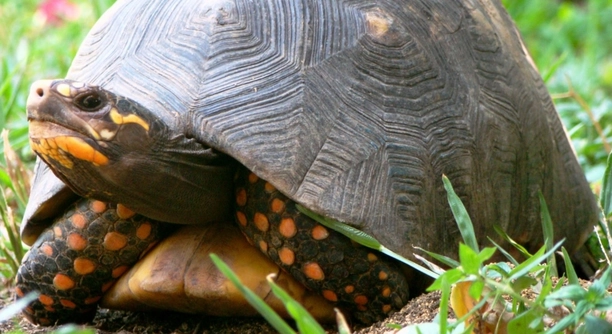
Red-footed tortoises are fascinating creatures, and their behaviors can be both intriguing and puzzling. If your tortoise has been biting its food dish, it’s natural to wonder why this behavior occurs. Understanding this can help you provide better care.
The biting behavior may stem from territorial instincts or frustration. Tortoises may bite objects when they feel their food is inaccessible, or they might be displaying dominance over their territory. It’s a common behavior in certain situations.
This behavior can be addressed by ensuring your tortoise’s environment is stress-free and that it has easy access to food.
Reasons Your Red-Footed Tortoise May Bite Its Food Dish
Biting its food dish is not uncommon for red-footed tortoises. It’s often a way for them to express frustration or establish dominance over their environment. Tortoises are naturally territorial animals and may feel the need to protect their space. If they are unable to access their food easily, they may resort to biting the dish as a way to communicate their discomfort. This behavior can also occur if the tortoise is simply trying to move the dish, especially if it’s too close to the edge of their enclosure or hard to reach.
It’s important to remember that tortoises, like other reptiles, may react to changes in their environment. If something feels off or unfamiliar, they may show signs of anxiety or frustration.
A change in the way the food dish is placed or making it more accessible can help alleviate this issue. Ensuring the dish is positioned in an area the tortoise feels comfortable with might prevent it from biting.
How to Address the Behavior
First, check the accessibility of the food dish. Ensure it’s placed somewhere your tortoise can reach without effort. If the dish is too small or hard to move, it might be causing frustration. Larger tortoises, especially, can have difficulty maneuvering smaller dishes. Another factor to consider is the positioning of the dish in relation to other objects in the enclosure. Tortoises are creatures of habit, so changes in their environment can lead to strange behaviors.
If the biting continues, you might want to reassess the overall setup of the enclosure. It could be that the tortoise feels cramped or confined, which can lead to stress-induced actions. Adding enrichment, like a small hide, could provide your tortoise with more comfort and security, reducing frustration and the need to bite its food dish.
Keeping Your Red-Footed Tortoise Happy and Healthy
To help prevent food dish biting from becoming a routine behavior, provide plenty of space for your tortoise to move freely. A spacious habitat allows them to feel more secure and less likely to act out of frustration. Offering a variety of food options and textures can also encourage positive interaction with their dish. Keep in mind that tortoises can be picky eaters, and sometimes, switching up their diet can make mealtime more enjoyable.
Creating a balanced environment with both physical space and mental stimulation can significantly improve your tortoise’s overall well-being. Regularly observing your tortoise and noting any behavioral changes will help you stay on top of their needs. Over time, your tortoise will likely adjust, and the biting behavior may decrease or disappear altogether.
Food Dish Placement
The position of your tortoise’s food dish can play a significant role in its behavior. If the dish is too close to other objects or placed in a difficult spot, your tortoise may feel frustrated. Make sure the dish is easy for your tortoise to reach and doesn’t require unnecessary movement.
Tortoises are creatures of habit and prefer stability in their environment. A food dish placed in an awkward position can cause stress, leading to biting or other defensive behaviors. Try placing the dish in a spot where your tortoise feels comfortable accessing it without obstacles.
If you notice your tortoise frequently biting its dish, the issue could be as simple as rearranging the space around it. Giving your tortoise a clear and easy path to the food dish can reduce frustration. This might involve positioning the dish away from high-traffic areas or moving it to a quieter part of the enclosure.
Addressing Food Dish Size
The size of the food dish is another factor that could cause your tortoise to bite it. A dish that is too small can make it harder for your tortoise to access the food, resulting in irritation. Ensure the dish is large enough to accommodate the amount of food your tortoise typically eats.
If the dish is too shallow, the food could easily spill out, making your tortoise frustrated while trying to eat. A deeper dish or one with higher sides can help prevent food from spilling and make it easier for your tortoise to get to the food without feeling agitated.
It’s also important to clean the dish regularly to ensure that your tortoise has a fresh and appealing place to eat. Dirty or smelly dishes can cause your tortoise to avoid them, leading to further stress and potential biting behavior. A clean and appropriately sized dish can help encourage positive eating habits.
Diet and Nutrition
The type of food your tortoise is eating can also influence its behavior. A lack of variety or nutrients can cause frustration, leading to biting its dish. Offering a range of foods ensures your tortoise is getting the right nutrition, which may help reduce this behavior.
Sometimes, your tortoise may bite its food dish out of hunger or the need for more food. If your tortoise isn’t getting enough to eat or isn’t satisfied with its diet, it might act out. Providing a balanced diet with the right amount of vegetables, fruits, and protein is essential for your tortoise’s well-being. A well-fed tortoise is less likely to act aggressively toward its food dish.
Adding variety to their diet helps keep them engaged and healthy. Providing foods like leafy greens, flowers, and occasional fruits can help balance their diet. When your tortoise is satisfied, the biting behavior should decrease.
Stress and Environmental Factors
Stress can trigger biting behavior in tortoises. Changes in the environment, such as loud noises or new inhabitants in the enclosure, can make your tortoise feel uneasy. Keeping the habitat calm and stable reduces stress, which may help prevent this behavior.
Consider adding hides or shelters to create a more secure environment for your tortoise. When your tortoise feels safe and comfortable, it’s less likely to bite its food dish. Keeping the habitat consistent, with proper temperature, humidity, and lighting, is also important for maintaining a stress-free environment.
Health Issues
In some cases, biting behavior could be linked to health problems. If your tortoise is in pain or feeling unwell, it might bite objects as a form of expression. Check for signs of injury or illness, and seek advice from a vet if needed.
FAQ
Why does my red-footed tortoise bite its food dish?
Tortoises may bite their food dish as a form of frustration or stress. It can happen if they feel their food is not accessible or if they are having trouble reaching it. Territorial instincts may also play a part, where the tortoise feels it needs to guard the dish.
How can I stop my tortoise from biting its dish?
To prevent biting, ensure the dish is placed in an accessible area. Avoid overcrowding their space or placing the dish near obstacles. Also, make sure the food dish is the right size for the tortoise to eat from comfortably. Offering a variety of foods can also help.
Can stress cause my tortoise to bite its food dish?
Yes, stress is a common trigger for this behavior. Changes in the environment, such as loud noises, new pets, or a move to a new enclosure, can make a tortoise feel anxious. Ensuring a calm, stable environment can reduce stress and help prevent biting.
Should I be concerned if my tortoise keeps biting its dish?
Frequent biting might indicate a need for better access to food or discomfort in its environment. However, if the behavior continues for an extended period or seems linked to health issues, it’s a good idea to consult with a vet to rule out any underlying problems.
Can my tortoise be trying to communicate with me by biting its food dish?
While tortoises don’t communicate like humans, biting objects like their food dish can be a sign of frustration or a response to their environment. It’s a form of expressing a need, whether it’s for more food, space, or a different environment.
How do I know if my tortoise is frustrated with its food dish?
If your tortoise is consistently biting its food dish, it may be due to frustration. Pay attention to whether the tortoise struggles to reach the food or shows other signs like pacing or a lack of interest in eating. A change in behavior, like no longer eating properly, could indicate discomfort.
Can I improve my tortoise’s feeding routine to stop the biting behavior?
Yes, adjusting the feeding routine can help. Providing food at regular times and ensuring it’s presented in a way that’s easy for your tortoise to reach can reduce frustration. Make sure the food dish is clean and that there’s no overcrowding of food items that might make it harder to access.
Does the type of food I offer impact the biting behavior?
Yes, the food’s type, texture, and presentation can all impact your tortoise’s behavior. If the food is not to their liking, they may become frustrated. Offering a variety of foods like leafy greens, vegetables, and fruits in different textures and presentation styles can help prevent this.
Is my tortoise’s biting behavior a sign of hunger?
Biting could be a sign that your tortoise is hungry or feels its food is not readily available. However, it may also indicate that the tortoise is not satisfied with the amount or type of food offered. Ensure that the dish has a sufficient amount of food that is easy to reach.
Should I change the size of the food dish to stop the biting?
If your tortoise is struggling to eat from a small or shallow dish, it could lead to biting out of frustration. Consider upgrading to a larger, deeper dish that allows easier access to the food. A bigger dish can prevent food from spilling and allow your tortoise to enjoy its meal without trouble.
Can a dirty food dish cause my tortoise to bite it?
Yes, a dirty food dish can make your tortoise uncomfortable, causing it to act out. It might bite the dish as a way of expressing frustration or because it associates the dish with an unpleasant experience. Cleaning the dish regularly is essential to maintain a hygienic environment for your tortoise.
How do I reduce stress in my tortoise’s environment?
To reduce stress, provide a quiet, stable environment with proper temperature and humidity. Tortoises need a space that feels safe, with access to hiding spots and areas for basking. Avoid loud noises and sudden changes in the environment, as these can trigger stress and potentially lead to biting behavior.
Can biting the food dish be a sign of illness?
While biting the dish is typically linked to frustration or stress, it can sometimes indicate a health problem. If your tortoise is not eating properly or seems lethargic in addition to biting its dish, it’s important to consult a vet to rule out any underlying health issues.
How do I know if my tortoise’s biting is related to health issues?
If your tortoise suddenly changes its eating habits or starts biting the dish frequently without any clear environmental triggers, it could be a sign of discomfort. Pay attention to other behaviors, such as reduced activity or changes in posture, and take your tortoise to a vet if you suspect health issues.
Can overfeeding cause biting behavior in tortoises?
Overfeeding can lead to obesity, which may cause discomfort for your tortoise, potentially leading to biting behavior. It’s important to feed your tortoise the right portion size for its age and size. Avoid offering excessive amounts of food that could result in unhealthy weight gain.
Does my tortoise’s habitat play a role in its biting behavior?
Yes, the habitat can significantly impact your tortoise’s behavior. If the space is too small or overcrowded, it can cause frustration and stress, leading to biting. Providing a larger, more enriching environment with proper heating, humidity, and hiding spots can reduce these negative behaviors.
Is it normal for a tortoise to bite its food dish during feeding time?
Biting the food dish during feeding time is fairly common and often a result of the tortoise feeling eager or frustrated. Ensuring the food is placed where it can easily access it may help reduce this behavior. A stable routine can also give your tortoise a sense of security during feeding.
Final Thoughts
Understanding why your red-footed tortoise bites its food dish can help create a better environment for both you and your pet. The behavior, while seemingly strange, is often tied to frustration or stress. Whether it’s because they’re hungry, stressed, or simply don’t have access to their food properly, addressing the underlying cause can lead to a more peaceful environment for your tortoise. With a few adjustments to their habitat, feeding routine, and the type of food offered, you can help reduce this behavior and ensure your tortoise is happier and healthier.
It’s important to observe your tortoise closely to identify the root cause of the biting behavior. Sometimes it’s a matter of rearranging the enclosure or providing more comfortable access to their food dish. Other times, it might be related to the quality of their diet or even stressors in their environment. The key is to remain patient and make incremental changes to see what works best for your tortoise. Consulting a vet is always a good idea if you suspect that there are any health-related issues contributing to the behavior.
In the end, keeping your tortoise’s environment clean, calm, and well-stocked with the right food options can make a significant difference. Regularly cleaning the food dish, offering variety in their meals, and ensuring they are comfortable in their space are all simple steps that can improve your tortoise’s quality of life. The more you understand the reasons behind their actions, the easier it becomes to create a happier and healthier home for your red-footed tortoise.

Hello,
If you enjoy the content that we create, please consider saying a "Thank You!" by leaving a tip.
Every little bit helps us continue crafting quality advice that supports the health, happiness, and well-being of pets around the world, for pets of all shapes, sizes, and species.
We really appreciate the kindness and support that you show us!