
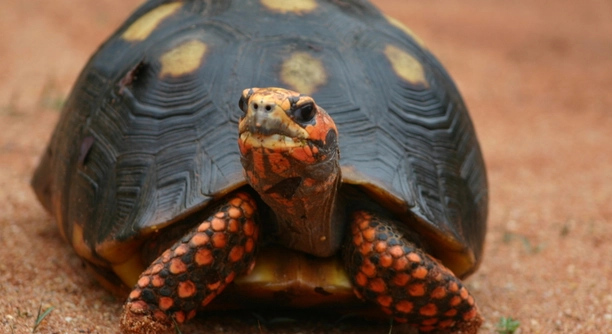
Caring for a sick red-footed tortoise can be a daunting task for any pet owner. If you notice signs of illness in your tortoise, knowing the best natural remedies can help it feel better and recover faster.
Several natural remedies can aid in treating a sick red-footed tortoise, including proper hydration, a balanced diet, and using specific herbs. These treatments help support its immune system, soothe digestive issues, and promote general well-being.
There are various ways you can help your tortoise recover naturally, and some remedies may even work as prevention. Keep reading to learn more about how to care for your pet during illness.
1. Hydration: The Key to a Healthy Tortoise
Red-footed tortoises are prone to dehydration, especially when they are sick. Without enough water, their organs can become sluggish, which can make their recovery process slower. Dehydration can also lead to more severe health problems, so it’s essential to make sure your tortoise is drinking enough.
One way to hydrate your tortoise is by soaking it in warm water for 20-30 minutes. This helps them absorb water through their skin, promoting better hydration. You can also offer fresh water in a shallow dish, making sure it’s easy for them to access.
In addition, some owners have found that offering watery fruits like watermelon or cantaloupe can help encourage hydration. These fruits are not only hydrating but also rich in essential vitamins. Offering them in small, manageable pieces can help your tortoise stay hydrated and nourished, especially when it’s feeling under the weather.
2. Nutrition: A Balanced Diet for Healing
A healthy diet is one of the most important aspects of treating a sick red-footed tortoise. While tortoises can eat a variety of foods, their diet should be rich in fresh vegetables, leafy greens, and fruits.
Leafy greens such as dandelion leaves, kale, and collard greens are packed with nutrients like calcium and fiber that support digestion and bone health. These can help your tortoise build strength during recovery. Avoid feeding them too many high-oxalate foods, like spinach, which can prevent calcium absorption.
Fruits like papaya, mango, and berries are also good options, but they should be offered in moderation. They provide vitamins and antioxidants, which can boost the immune system and aid in faster recovery. By giving your tortoise a variety of fresh foods, you ensure they get the nutrients they need to stay healthy and strong.
3. Herbs to Boost Immunity
Certain herbs can help strengthen your red-footed tortoise’s immune system during illness. Using natural herbs can be a gentle yet effective way to support your pet’s health.
Herbs like dandelion and plantain are known for their anti-inflammatory and immune-boosting properties. You can offer these herbs fresh or dried. Adding them to their diet in small amounts can help improve their health while keeping things natural.
Additionally, aloe vera can soothe your tortoise’s digestive tract and promote hydration. Be cautious when offering herbs, as overuse can lead to digestive upset. Stick to small portions to see what works best for your tortoise.
4. Keeping the Habitat Clean
A clean habitat is essential for a sick red-footed tortoise. Dirty environments can lead to infections or make recovery harder for your tortoise. Regular cleaning ensures a healthy space for your pet to rest and heal.
Start by removing any uneaten food, waste, or soiled bedding. Clean the substrate with a mild, pet-safe disinfectant to eliminate bacteria. Also, keep the temperature and humidity levels consistent, as sudden changes can stress your tortoise.
Maintaining a clean enclosure will reduce the risk of further health issues. A well-kept environment can also help your tortoise feel more comfortable as it recovers, encouraging rest and a better appetite.
5. Vitamin and Mineral Supplements
Adding vitamin and mineral supplements to your tortoise’s diet can support its recovery. These supplements help fill any nutritional gaps and boost the immune system.
You can find supplements that contain calcium, vitamin D3, and other important nutrients. It’s crucial to follow the recommended dosage, as over-supplementation can cause health issues. Consult your vet to determine the best options for your tortoise.
6. Sunlight and UVB Exposure
UVB light is essential for your tortoise’s overall health and recovery. It helps with the absorption of calcium and supports the production of vitamin D3.
Ensure that your tortoise gets regular exposure to natural sunlight or a UVB lamp. At least 10-12 hours a day of UVB light can help boost your tortoise’s immune system and energy levels, aiding in faster recovery. Make sure your tortoise has access to a basking spot where they can regulate their body temperature.
FAQ
What are the signs that my red-footed tortoise is sick?
When a red-footed tortoise is sick, you may notice signs like lethargy, loss of appetite, and unusual behavior. If your tortoise is hiding more than usual or has trouble moving around, it might be a sign of illness. Other common symptoms include runny eyes or nose, swollen limbs, or changes in the color or texture of the shell. If any of these signs appear, it’s important to act quickly and consult a vet for proper diagnosis and treatment.
How can I tell if my red-footed tortoise is dehydrated?
Dehydration is common in red-footed tortoises, especially when they’re sick. Signs of dehydration include sunken eyes, dry or cracked skin, and lethargy. You may also notice that your tortoise isn’t eating or drinking as much as usual. A quick way to check for dehydration is by gently pinching the skin. If it doesn’t snap back into place immediately, your tortoise is likely dehydrated and should be soaked in warm water to help rehydrate.
Can I use over-the-counter medications to treat my sick tortoise?
While over-the-counter medications may seem like a quick solution, it’s best to avoid them unless recommended by a veterinarian. Some human medications can be harmful to reptiles. If your tortoise shows signs of illness, it’s safer to use natural remedies like proper hydration, a balanced diet, and clean living conditions. For any serious illness or persistent symptoms, always consult a vet with experience in reptiles for proper medication and treatment.
How often should I feed a sick red-footed tortoise?
When your red-footed tortoise is sick, it’s important not to overfeed them. They may have a reduced appetite, so offer smaller amounts of food more frequently. Focus on easily digestible foods like watery fruits and leafy greens. If your tortoise refuses food, try offering different items to stimulate their appetite. If they continue to avoid eating, seek veterinary advice to ensure your tortoise is getting the nutrients it needs.
Is it safe to give my tortoise any fruits or vegetables when it’s sick?
Yes, offering fruits and vegetables is generally safe and beneficial, especially when your tortoise is sick. However, avoid feeding them high-oxalate foods like spinach, as this can interfere with calcium absorption. Stick to safe options like dandelion greens, kale, and watery fruits like watermelon and cantaloupe. These are hydrating and rich in vitamins, which can help your tortoise feel better.
Should I change my tortoise’s environment when it’s sick?
Yes, it’s essential to adjust your tortoise’s environment when it’s sick. Make sure their enclosure is clean and free of any contaminants that could cause further stress or illness. Maintain consistent temperature and humidity levels to help them feel comfortable. A clean environment will help prevent infections and encourage healing, so it’s important to create a calm, stress-free space for your tortoise during recovery.
How do I prevent my tortoise from getting sick in the first place?
Prevention is key to ensuring your tortoise stays healthy. Provide a balanced diet with the right mix of vegetables, fruits, and proteins. Ensure they have regular access to clean water and proper UVB lighting for calcium absorption. Also, maintain a clean enclosure and avoid sudden temperature or humidity changes. Regular health check-ups with a vet can catch potential issues early and keep your tortoise in the best shape possible.
Can I use aloe vera to treat my sick tortoise?
Aloe vera can be beneficial in treating a sick tortoise, especially for soothing digestive issues or skin problems. However, you should always use it cautiously and in moderation. Aloe vera gel can be used topically for minor cuts or abrasions on your tortoise’s skin. Some people also use aloe vera juice in small quantities to help with digestive issues. Always make sure that the aloe product is free of any chemicals or additives that might harm your tortoise.
How long will it take for my red-footed tortoise to recover?
The recovery time for a sick red-footed tortoise depends on the severity of the illness and how quickly it receives treatment. Minor illnesses, such as dehydration or mild digestive issues, may resolve within a few days to a week. However, if your tortoise is dealing with a more serious illness, recovery could take several weeks or longer. It’s important to remain patient and follow any advice from your veterinarian to ensure the best recovery for your pet.
Can I give my tortoise medication without a vet’s recommendation?
It’s best to avoid giving your tortoise any medication without consulting a vet first. Tortoises are sensitive to medications, and human drugs or unapproved treatments can cause harm. Only administer medications that are specifically designed for reptiles and prescribed by a qualified veterinarian. If your tortoise seems unwell, always seek professional advice to ensure safe and effective treatment.
What’s the best way to hydrate a sick tortoise?
The best way to hydrate a sick tortoise is by soaking it in warm water. This can help your tortoise absorb water through its skin. Make sure the water is not too hot or cold—aim for a comfortable temperature. Soak your tortoise for 20-30 minutes, and repeat this process daily if necessary. You can also offer fresh water in a shallow dish, ensuring it’s always accessible to your tortoise.
Final Thoughts
Taking care of a sick red-footed tortoise can be challenging, but with the right approach, it’s possible to help them recover. By focusing on hydration, proper nutrition, and a clean environment, you can provide the essential support your tortoise needs to heal. Regularly checking on their health and making sure they are comfortable will make a big difference. Keep an eye on their behavior and look for any changes that may signal further issues. If needed, consult a veterinarian for guidance and treatment.
Natural remedies, like offering hydrating fruits and herbs, can be effective in supporting your tortoise’s recovery. These methods help strengthen their immune system and keep their digestive system in balance. However, it’s important not to rely solely on home remedies. A proper diagnosis from a reptile vet is crucial, especially if symptoms persist or worsen. The health of your tortoise depends on both your attention to detail and a professional’s expertise, ensuring the right treatments are in place for a full recovery.
In the end, the key to helping your tortoise feel better is patience. Reptiles, including red-footed tortoises, take time to recover. Healing often requires consistent care, from maintaining a clean habitat to offering a balanced diet and proper hydration. By staying informed and proactive in caring for your tortoise, you give them the best chance for a speedy and full recovery. While it may take time, the effort you put in will result in a happier, healthier pet.

Hello,
If you enjoy the content that we create, please consider saying a "Thank You!" by leaving a tip.
Every little bit helps us continue crafting quality advice that supports the health, happiness, and well-being of pets around the world, for pets of all shapes, sizes, and species.
We really appreciate the kindness and support that you show us!