
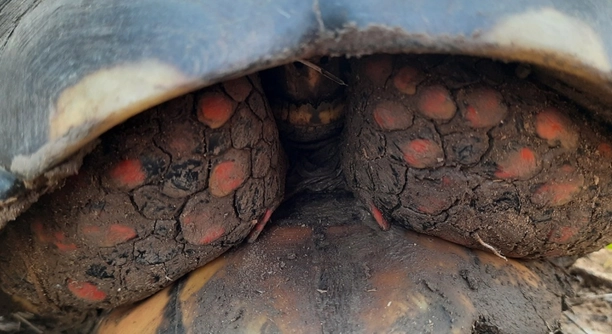
Red-footed tortoises are wonderful pets, known for their docile nature and unique appearance. However, as they grow, their habitat needs change. Ensuring they have the right amount of space is essential for their health and happiness.
If your red-footed tortoise is outgrowing its current enclosure, it may be time to upgrade. Tortoises need enough room to move freely, explore, and maintain a healthy lifestyle. A cramped environment can lead to stress and health issues.
Making sure your tortoise’s home is the right size ensures they can thrive. Understanding these signs will help you provide a better space for your pet, ensuring its long-term well-being.
Limited Space for Movement
As your red-footed tortoise grows, it needs more space to roam. A small enclosure can prevent your pet from moving freely, which is essential for its physical health. Tortoises, in particular, require room to walk around, stretch their legs, and engage in natural behaviors. If the enclosure doesn’t provide enough space, they may become stressed or even develop joint problems.
Having space to explore is critical for your tortoise’s physical well-being. Without it, they may become lethargic, which can lead to obesity and other health concerns. You may notice your tortoise spends more time hiding, indicating they’re feeling cramped.
The importance of providing your red-footed tortoise with a spacious environment cannot be overstated. Not only does it allow them to exercise, but it also mimics their natural habitat. This enables them to exhibit normal behaviors, such as foraging and basking, all of which are key to maintaining their health and longevity. Without proper space, they may not thrive.
Lack of Hiding Spots
A lack of hiding spots in the enclosure can contribute to stress in red-footed tortoises. They need these spaces to feel safe and secure.
A tortoise may begin to show signs of anxiety if it lacks adequate hiding spaces. In their natural environment, they often retreat to shaded or hidden areas for rest. Without these, they can become more prone to stress and aggression. By increasing the hiding spots, you allow your tortoise to find comfort when it needs to relax.
Including various hiding spots in your tortoise’s enclosure can help them feel more secure and less exposed to the outside world. This also encourages their natural instincts, such as burrowing and exploring. You don’t need fancy setups—simple shelters or shaded areas will do. The key is making sure your tortoise has the ability to hide and feel safe, especially when it needs some alone time. If they can’t find these spaces, they may start showing signs of stress, making the enclosure even more uncomfortable for them.
Inadequate Temperature Control
If your tortoise’s enclosure doesn’t have proper temperature regulation, it can cause serious health issues. Red-footed tortoises need a warm environment, especially during cooler months.
Maintaining the right temperature is essential for your tortoise’s digestion and overall health. Without heat, they may become lethargic, refuse food, or struggle with their immune system. A proper temperature gradient ensures they can move to different areas based on their needs. It’s important to have both a basking spot and cooler areas for them to regulate their body temperature.
Inadequate heating can also stress your tortoise. If the enclosure remains too cold, their activity levels drop, leading to poor health. On the other hand, extreme heat can lead to dehydration or overheating. By using appropriate heat sources, such as a heat lamp or under-tank heater, you help your tortoise stay comfortable and active. It’s essential to regularly monitor temperatures to ensure they remain within the recommended range for your tortoise’s species.
Improper Lighting
Without proper UVB lighting, your red-footed tortoise cannot produce vitamin D3, which is vital for absorbing calcium.
UVB light is crucial for maintaining your tortoise’s bone health and overall well-being. Without it, they may develop metabolic bone disease, which can cause deformities or even organ failure. A proper light setup can help prevent this. UVB lights should be replaced regularly, as they lose effectiveness over time.
In addition to UVB, having a day and night light cycle helps maintain natural behaviors. Red-footed tortoises rely on sunlight to regulate their circadian rhythms. Without consistent light patterns, they may become disoriented or stressed. It’s also important to provide them with the right type of UVB lighting. Not all bulbs are suitable for reptiles, so be sure to choose one specifically designed for their needs. A lack of proper lighting can quickly lead to health problems, so investing in the right equipment is essential.
Lack of Proper Substrate
A proper substrate is important for your tortoise’s comfort and health. Using the wrong material can lead to stress or health problems.
Substrates like soil, coconut coir, or safe bedding help your tortoise feel at ease and give them something to dig into. If the bedding is too hard, too dry, or not absorbent, it can cause discomfort or make cleaning difficult.
Your red-footed tortoise needs a substrate that keeps moisture levels steady and allows natural behavior. A damp substrate helps with humidity control and prevents dehydration. A dry environment can cause respiratory issues, while a too-wet environment can lead to skin infections or mold growth. Choose a substrate that balances moisture and drainage to create a comfortable environment.
Too Small of a Water Dish
A small water dish limits your tortoise’s ability to drink and soak, both of which are essential for its well-being.
Red-footed tortoises need space to drink and soak, especially during hot weather. A shallow, wide water dish will encourage them to hydrate properly. The water dish should also be easy for your tortoise to enter and exit without difficulty.
A small water dish can lead to dehydration, which weakens your tortoise’s immune system and increases the risk of other health problems. By providing a larger water dish, you help ensure your tortoise has enough hydration and can safely soak when needed. Keeping the water clean is just as important, so change it regularly.
Unstable Enclosure Structure
If the enclosure structure isn’t sturdy, it can cause stress and potential harm to your tortoise.
A stable, well-built enclosure is essential for your tortoise’s safety. If the walls or lid are unstable, they could collapse or allow your tortoise to escape, putting it in danger. A solid, secure enclosure also prevents drafts, which can affect temperature and humidity levels.
FAQ
How big should my red-footed tortoise’s enclosure be?
The general rule is that your red-footed tortoise needs at least 8-10 square feet of space for one adult tortoise. If you have multiple tortoises, the enclosure should be even larger. The more space you can provide, the better. This helps prevent stress and allows your tortoise to move around, forage, and exercise. A larger enclosure also helps to regulate temperature and humidity more effectively. If you’re unsure, it’s always better to err on the side of providing extra space rather than too little.
Can I use a glass aquarium as my tortoise’s enclosure?
While glass aquariums can work, they often don’t provide enough ventilation or room for your tortoise to move freely. They are also harder to maintain a proper temperature and humidity gradient. If you use an aquarium, make sure it’s large enough and has proper ventilation, like a mesh lid or side vents. Ideally, a wooden or plastic enclosure that allows for better airflow is preferable.
Do I need to provide my red-footed tortoise with UVB light?
Yes, UVB light is essential for your tortoise’s health. It helps them produce vitamin D3, which is needed for calcium absorption and bone health. Without UVB, your tortoise could develop metabolic bone disease, leading to soft bones and other serious health issues. Make sure the UVB bulb is specifically designed for reptiles and is replaced every six months or as directed by the manufacturer.
How often should I feed my red-footed tortoise?
Red-footed tortoises should be fed once a day or every other day, depending on their age and size. Young tortoises need more frequent feeding to support their growth, while adults can be fed a little less often. They are primarily herbivores and should have a diet rich in leafy greens, fruits, and flowers. Avoid feeding them high-protein foods like meat or commercial tortoise pellets. Be sure to provide a varied diet to meet their nutritional needs.
What is the best humidity level for a red-footed tortoise?
Red-footed tortoises need humidity levels between 60-80% to stay healthy. Too much humidity can cause skin issues or respiratory problems, while too little can lead to dehydration and other health concerns. It’s essential to monitor humidity levels using a hygrometer and adjust as needed. You can increase humidity by misting the enclosure or using a humidifier. Be sure to provide a dry area for your tortoise to retreat to, as well.
Can I house my red-footed tortoise with other species?
It’s not recommended to house different species of tortoises or other reptiles together. Red-footed tortoises can be territorial and may fight with other species. Housing different species together can also spread diseases and parasites. It’s safest to house your red-footed tortoise alone or with other red-footed tortoises. If you must house multiple tortoises, make sure the enclosure is large enough for them to have their own space.
What temperature range does my red-footed tortoise need?
Red-footed tortoises require a temperature gradient in their enclosure. The basking area should be around 85-90°F, while the cooler side should range between 70-75°F. During the night, temperatures can drop to around 70°F. It’s important to have a heat source, such as a heat lamp or ceramic heater, to maintain the proper temperatures. Using a thermometer will help you monitor the temperature and make sure your tortoise stays comfortable.
How do I clean my red-footed tortoise’s enclosure?
Cleaning your tortoise’s enclosure regularly is essential for its health. Spot clean daily by removing any uneaten food, waste, or soiled bedding. Every few weeks, do a more thorough cleaning. Remove all substrate, scrub the enclosure with a mild reptile-safe cleaner, and replace the bedding. Make sure to clean the water dish regularly and refill it with fresh water. A clean environment reduces the risk of bacteria or mold growth, which can lead to health problems.
Can my red-footed tortoise get too cold?
Yes, red-footed tortoises can become stressed or sick if they are exposed to temperatures that are too low. If the enclosure becomes too cold, your tortoise may become lethargic and stop eating. Prolonged exposure to cold temperatures can lead to respiratory infections or other serious health issues. It’s important to maintain a proper temperature gradient and monitor the environment to ensure your tortoise stays warm enough to thrive.
What are the signs that my tortoise is stressed?
Stressed tortoises may display a variety of behaviors, including hiding more often, refusing food, pacing in circles, or becoming aggressive. Stress can result from a small enclosure, improper temperature, lack of hiding spots, or being housed with incompatible species. If your tortoise shows signs of stress, check its environment and make sure it has enough space, proper lighting, and temperature regulation.
Do red-footed tortoises need a basking area?
Yes, red-footed tortoises need a basking area where they can warm up. Basking is essential for digestion, as it helps regulate their body temperature. The basking area should be kept around 85-90°F. This area should also be dry and have a safe spot for your tortoise to rest. Be sure to place a heat lamp over the basking area to maintain the correct temperature.
How can I tell if my red-footed tortoise is sick?
Sick tortoises often show signs such as lethargy, loss of appetite, nasal discharge, or swollen eyes. They may also have difficulty breathing or have abnormal feces. If you notice any of these signs, it’s important to consult a veterinarian who specializes in reptiles. Early diagnosis and treatment can help prevent serious health issues.
Can I feed my tortoise human food?
It’s not recommended to feed your red-footed tortoise human food, especially processed or salty foods. Stick to a diet of leafy greens, vegetables, and fruit that are safe for tortoises. Some fruits like apples, bananas, and berries can be given occasionally, but avoid feeding them foods that are high in sugar or fat. Always research what’s safe before offering new foods.
Should I trim my red-footed tortoise’s nails?
Red-footed tortoises generally don’t need regular nail trimming unless their nails become too long or curved. In that case, you can trim them gently with a reptile nail clipper. Be cautious not to cut too close to the quick, as it can cause bleeding. If you’re unsure, consult a vet for advice.
Final Thoughts
Providing the right environment for your red-footed tortoise is essential for its health and well-being. As they grow, their needs will change, and it’s important to adjust their enclosure accordingly. A larger space with proper heating, humidity, and lighting will keep your tortoise comfortable and help it thrive. Regularly checking their habitat to ensure it meets these needs will prevent many common health issues, such as stress, dehydration, and digestive problems.
Keeping a tortoise involves more than just feeding and providing basic care. You must pay attention to the small details, such as substrate type, water quality, and even offering hiding spots. These elements make a big difference in their overall comfort. A clean, spacious environment allows them to exhibit natural behaviors, which is crucial for their mental and physical health. If your tortoise shows signs of stress, it may indicate that its living space is too small, too hot, or too cold. Monitoring these factors regularly is the best way to ensure your tortoise is happy and healthy.
Lastly, remember that tortoises can live for many years, sometimes up to 50 years or more, which means they require long-term commitment. By giving them the space, care, and attention they need, you’ll help ensure they live a long and fulfilling life. Whether you’re setting up a new enclosure or adjusting their current one, providing a well-maintained environment will go a long way in supporting your tortoise’s health. Taking these steps now will save you from potential issues down the road, helping both you and your tortoise enjoy a positive and lasting relationship.

Hello,
If you enjoy the content that we create, please consider saying a "Thank You!" by leaving a tip.
Every little bit helps us continue crafting quality advice that supports the health, happiness, and well-being of pets around the world, for pets of all shapes, sizes, and species.
We really appreciate the kindness and support that you show us!