
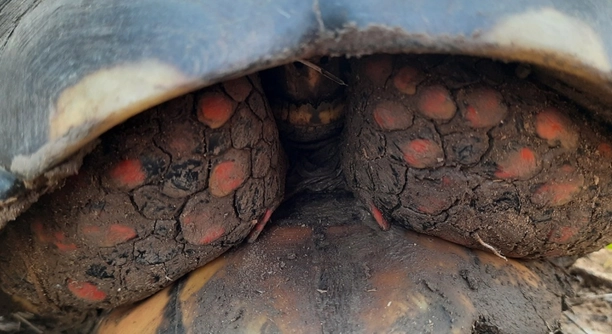
A red-footed tortoise’s skin can sometimes appear dry, which may concern their owners. Understanding why this happens is important in ensuring their well-being and providing them with the proper care they need for a healthy life.
Dry skin in red-footed tortoises is often caused by insufficient humidity, inadequate hydration, or improper environmental conditions. These factors can lead to dehydration or stress, resulting in dry, flaky, or cracked skin. Regular care and appropriate humidity levels are crucial.
Proper care and understanding of their habitat can help your red-footed tortoise thrive. Learn more about maintaining a healthy environment to support their skin and overall health.
The Importance of Proper Humidity for Red-Footed Tortoises
Red-footed tortoises are native to humid environments, and their skin needs moisture to remain healthy. When the air is too dry, their skin can become flaky, cracked, or tight. The ideal humidity range for these tortoises is between 70-80%, but many owners unknowingly keep their enclosures too dry, which leads to dry skin problems. Without sufficient humidity, their bodies cannot maintain the moisture needed for healthy skin, leading to discomfort and potential health issues.
In order to help your tortoise, invest in a reliable humidity gauge to monitor their environment. Keeping the humidity level stable ensures their skin stays hydrated and prevents other skin issues like shedding problems or infections. Make sure your tortoise has a humid hideout or moisture-rich areas where it can retreat to feel comfortable. Mist the enclosure regularly and consider using a humidity system if needed.
When humidity is maintained properly, you can see visible improvements in your red-footed tortoise’s skin. With proper care, the skin should appear softer, more supple, and hydrated. This will reduce any signs of dryness and ensure a happier, healthier tortoise overall.
Hydration and Its Role in Skin Health
Adequate hydration is essential for red-footed tortoises. Their skin can show signs of dehydration if they are not drinking enough water. Ensuring access to fresh water at all times helps maintain their hydration levels.
In addition to water, providing the right diet also plays a key role. Foods rich in moisture, like leafy greens, fruits, and vegetables, can contribute to your tortoise’s hydration. This will not only keep their skin healthy but also support their overall well-being.
Temperature and Its Effect on Skin Condition
Temperature plays a significant role in maintaining healthy skin for red-footed tortoises. If their environment is too hot or too cold, it can lead to stress, dehydration, and skin issues. Tortoises need a temperature range between 75-85°F (24-29°C) to thrive.
When the temperature is not within this range, your tortoise may experience difficulty in shedding, or its skin may become dry and flaky. Make sure their basking area is warm enough for them to regulate their body temperature properly. However, avoid excessive heat, which could lead to dehydration or overheating. Ensuring proper temperature control will keep their skin in good condition and support their overall health.
A well-maintained temperature also aids in digestion, helping your tortoise break down food more efficiently. If the temperature drops too low, tortoises may become sluggish and have difficulty absorbing nutrients. This can lead to weakened skin and other health complications, so it’s crucial to create an environment that mimics their natural habitat.
Substrate and Its Role in Skin Health
The type of substrate in your tortoise’s enclosure is crucial for maintaining skin health. Dry, dusty, or rough substrates can contribute to skin irritation and dryness. Use a substrate that retains moisture, such as coconut fiber or organic soil.
A proper substrate helps maintain the humidity level within the enclosure, providing your tortoise with a more comfortable environment. It also allows for natural behaviors like burrowing and nesting. Tortoises need to feel secure in their environment, and a suitable substrate supports this. Avoid using sand or gravel, which can cause abrasions or worsen skin dryness.
By choosing the right substrate, you’re not only promoting healthy skin but also improving the overall habitat for your tortoise. A healthy, comfortable environment will encourage your tortoise to thrive and reduce the risk of skin problems.
Diet and Skin Health
A proper diet is essential for maintaining healthy skin in red-footed tortoises. Feeding them a variety of fruits, vegetables, and leafy greens can support hydration and skin health. Foods like dandelion greens, squash, and berries are excellent choices.
Nutritional balance also helps prevent skin problems. A diet low in protein and high in fiber provides the necessary nutrients for hydration and skin regeneration. Avoid overfeeding high-protein foods as they can contribute to shell deformities and other health issues.
Signs of Dehydration
Dehydration can lead to dry, flaky skin in red-footed tortoises. Always monitor their water intake and ensure they have access to fresh water daily. Without enough moisture, their skin can show visible signs of stress.
Tortoises that aren’t drinking enough may also become lethargic or refuse food. Proper hydration supports their skin, energy levels, and overall well-being. Keeping a hydration routine in check is key for avoiding skin issues.
FAQ
Why does my red-footed tortoise’s skin look dry?
Dry skin in red-footed tortoises is commonly caused by low humidity levels or dehydration. These tortoises require a humidity range of 70-80% to maintain healthy skin. When the environment is too dry, or they are not getting enough water, their skin becomes flaky and uncomfortable. Regular misting of their enclosure and providing a humid hide can help restore moisture levels. Also, make sure they have constant access to fresh water and a diet high in moisture-rich foods to support hydration.
Can I use a heat lamp to help with dry skin?
A heat lamp is necessary for regulating a red-footed tortoise’s body temperature, but it should not be relied on to treat dry skin. While warmth is important, too much direct heat can dry out the air and worsen the problem. Instead, focus on maintaining proper humidity and ensuring they have a moist environment. Use a heat lamp in combination with humidity control to create a balanced environment for your tortoise.
How can I make my tortoise’s skin soft again?
To help soften your tortoise’s dry skin, start by improving the humidity levels in their enclosure. Regular misting and the use of a humidity system can help. Additionally, ensure they have access to a water dish for drinking and soaking. Hydrating foods such as leafy greens, watermelon, and cucumbers can also aid in skin hydration. Be patient and allow time for these changes to show positive effects on their skin.
Are there any creams or oils I can use on my tortoise’s dry skin?
It is generally not recommended to use creams, oils, or lotions on your tortoise’s skin, as it can disrupt their natural ability to shed and regulate moisture. Instead, focus on improving the environmental factors such as humidity, temperature, and hydration. If you feel the dryness is severe or persistent, consulting a vet who specializes in reptiles is advised.
How often should I mist my red-footed tortoise’s enclosure?
You should mist your tortoise’s enclosure once or twice a day, depending on the humidity levels. If you notice that the humidity drops below the recommended range, you may need to mist more frequently. Always ensure that the substrate remains moist but not soggy, as excessive moisture can lead to other problems like mold or fungal infections.
Can I use sand as a substrate for my red-footed tortoise?
It is not recommended to use sand as a substrate for red-footed tortoises. Sand can cause skin irritation, particularly when it becomes too dry. It can also lead to impaction if ingested while eating. Instead, opt for substrates like coconut fiber, organic soil, or mulch, which are softer and better at maintaining the proper humidity levels.
Why is my tortoise scratching or rubbing its skin?
If your red-footed tortoise is scratching or rubbing its skin, it could be a sign of discomfort caused by dry or irritated skin. This can happen when the humidity is too low, or when they are unable to hydrate properly. Adjusting the environment by increasing the humidity and ensuring your tortoise has access to fresh water can help alleviate this behavior. In some cases, rubbing could also indicate the beginning of a shedding process, so it’s important to monitor for signs of shedding and ensure proper humidity levels during this time.
Should I provide a soak for my red-footed tortoise?
Yes, soaking your red-footed tortoise can help with hydration and skin health. Soaking them in lukewarm water for about 20-30 minutes a few times a week can promote hydration and soften their skin. This is especially helpful if your tortoise is showing signs of dehydration. After soaking, allow your tortoise to dry off in a warm, dry area to avoid any risk of mold or infection.
How can I prevent my red-footed tortoise from getting dry skin in the future?
To prevent dry skin in the future, maintain a stable environment with proper humidity and temperature levels. Mist their enclosure regularly and ensure they have access to clean water at all times. A balanced diet rich in moisture-rich foods will also support their skin health. Regularly monitor the conditions in their enclosure to prevent any sudden changes in humidity or temperature that could contribute to skin issues.
Is it normal for my red-footed tortoise to shed its skin?
Yes, shedding is a normal process for red-footed tortoises. They shed their skin in patches rather than all at once, and it typically occurs every few months. If your tortoise’s skin appears dry or flaky, it may be a sign that it is time for them to shed. Ensure that the humidity levels are optimal to help with the shedding process. If you notice excessive shedding or difficulty shedding, it could indicate a health issue, and you should consult a veterinarian.
Final Thoughts
Red-footed tortoises are wonderful pets, but maintaining their health requires attention to their environment and diet. Dry skin is a common issue that can result from low humidity, dehydration, or improper care. Fortunately, it’s easy to address by making simple changes to their habitat. Ensuring your tortoise has access to fresh water, proper humidity levels, and a balanced diet will help keep their skin healthy and prevent dryness.
A healthy tortoise is a hydrated tortoise. Regular misting and providing a humid hide are essential to maintain the right moisture levels in their environment. This also means feeding your tortoise moisture-rich foods like leafy greens, fruits, and vegetables to help support hydration. If their skin does become dry, make sure to adjust the conditions in their enclosure promptly. Soaking your tortoise in lukewarm water can also help hydrate them and improve skin health.
Taking a proactive approach to your tortoise’s care will make a difference. Monitor the humidity and temperature regularly to avoid fluctuations that could cause stress. With the right care, your red-footed tortoise can thrive, shedding dry skin and enjoying a healthy, comfortable life. Be patient and make sure their environment is suitable, and you will see improvements in their skin and overall well-being.

Hello,
If you enjoy the content that we create, please consider saying a "Thank You!" by leaving a tip.
Every little bit helps us continue crafting quality advice that supports the health, happiness, and well-being of pets around the world, for pets of all shapes, sizes, and species.
We really appreciate the kindness and support that you show us!