
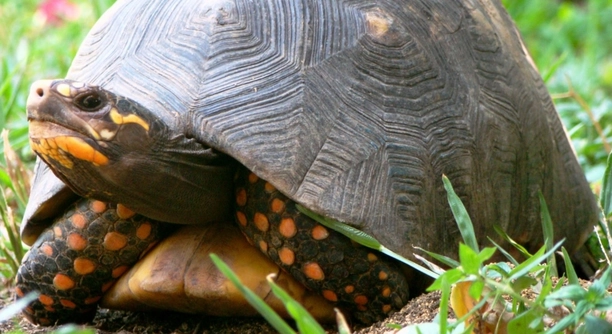
Your red-footed tortoise may seem to be stomping its feet for no apparent reason, but there is more to this behavior than meets the eye. Tortoises use body language to express various needs or emotions.
Foot stomping in red-footed tortoises can indicate territorial behavior, excitement, or even frustration. Tortoises may stomp when feeling threatened or in a state of heightened alertness, often as a response to changes in their environment.
Understanding why your tortoise is stomping can help you create a better living space for your pet. It’s important to watch for patterns and learn how to respond appropriately.
Understanding Foot Stomping in Red-Footed Tortoises
Foot stomping in red-footed tortoises is a natural behavior that often catches owners off guard. It’s important to recognize that tortoises are not simply stomping for no reason. This behavior is a way for them to express their emotions or reactions to certain situations. Stomping may occur when they feel threatened, excited, or frustrated. It’s also a form of communication, often signaling to other animals or humans that they are ready to defend themselves or their territory.
If your tortoise is stomping its feet regularly, it could be reacting to something in its environment. It might feel threatened by an unfamiliar presence or object. This could include a change in its enclosure, the introduction of a new pet, or even a person approaching too quickly. Recognizing what triggers this behavior is essential in understanding and managing it.
Understanding these signals is crucial for their well-being. A tortoise that feels stressed or anxious due to changes in its habitat may become more agitated. With time, you’ll learn what makes your tortoise feel safe and comfortable, helping to reduce unnecessary foot stomping.
Possible Environmental Triggers
Environmental triggers are common reasons behind your tortoise’s foot stomping behavior. Any changes, even subtle ones, can cause distress or heightened alertness.
The enclosure setup, lighting, and temperature can all impact your tortoise’s behavior. Tortoises thrive in stable conditions, and if these elements are altered, they may react by stomping their feet. An inconsistent heat source or an incorrect humidity level can cause discomfort, leading to more stomping. If they feel the environment is unsafe, they’ll try to communicate that with their actions.
Health and Physical Discomfort
A red-footed tortoise might stomp if it is experiencing discomfort or pain. Illness, injury, or even poor nutrition can result in a tortoise feeling agitated and stomping its feet. It’s essential to watch for other signs, such as lack of appetite, lethargy, or visible injury, which could indicate a health issue. Regular veterinary checkups and maintaining a balanced diet are important to prevent these health problems.
If stomping is paired with abnormal behavior, it may suggest that your tortoise is in physical distress. For instance, metabolic bone disease, which can result from improper calcium levels, may lead to such behaviors. Be sure to examine your tortoise for any visible wounds or signs of illness. If the stomping persists, consult a veterinarian to ensure there are no underlying health concerns causing the behavior.
Territorial Behavior
Red-footed tortoises are naturally territorial creatures, and they use foot stomping to establish boundaries. When they feel their space is being invaded, they may stomp to signal that they are in charge. This can happen if another animal enters their territory or if you’re handling them too often.
Tortoises will also stomp when they feel another tortoise encroaching on their area. This behavior is meant to warn others to stay away. They might also extend this territorial behavior to objects in their environment. If they feel something is too close to them, such as a new item in their enclosure, they may react with foot stomping.
Understanding this territorial instinct is crucial in managing your tortoise’s environment. Avoid placing new items or pets too close to their space, as it can cause unnecessary stress and lead to frequent foot stomping. Try to maintain a peaceful and stable living area for your tortoise.
Excitement or Anticipation
Foot stomping can also occur when your red-footed tortoise is excited or anticipating something, such as being fed. Tortoises are creatures of habit, and they begin to associate certain activities, like feeding, with specific behaviors. When they see food or notice the possibility of an event, they may stomp their feet in excitement.
If your tortoise associates your presence with food or attention, the stomping could simply be a sign of eagerness. The sound and rhythm of their stomping may increase when they sense that something rewarding is coming their way. It’s important to recognize the context behind the behavior so you can respond appropriately.
You can use this behavior to your advantage by reinforcing positive actions. When your tortoise stomps in excitement, consider offering a treat or engaging with them to make the experience enjoyable. Just be mindful not to reward every instance of stomping, as this could reinforce unnecessary behavior.
Stress or Fear
Stress and fear are common reasons for foot stomping in tortoises. When they feel threatened, they may react by stomping their feet. This can happen if they are startled by loud noises, sudden movements, or unfamiliar environments. They use this behavior to signal that they are uncomfortable.
If your tortoise is frequently stomping in response to outside stressors, try to minimize sudden changes in their environment. Ensure their habitat remains consistent, quiet, and free from distractions that could cause anxiety. Handling them too roughly or too often can also increase stress and trigger stomping.
Social Interactions with Other Tortoises
Red-footed tortoises may also stomp when they encounter other tortoises, especially if they are not used to sharing their space. This behavior is part of their social interactions, where they may establish dominance or warn others to keep their distance. It’s normal, but it can be disruptive.
If you keep multiple tortoises together, observe their interactions carefully. Stomping can sometimes be a sign of conflict or a dispute over territory. If the stomping becomes excessive or aggressive, it may be worth separating the tortoises to reduce stress and prevent potential injuries.
Unfamiliar Objects
Foot stomping can be triggered by unfamiliar objects or changes in the tortoise’s environment. If a new item, such as a piece of furniture or decoration, is added to their habitat, your tortoise might react with stomping to show confusion or discomfort.
Make sure to gradually introduce changes to their environment, allowing them time to adjust. Stomping may decrease over time once your tortoise becomes familiar with the new objects or alterations. If the behavior continues, you might need to reconsider the placement of certain items to ensure your tortoise feels safe.
FAQ
Why is my red-footed tortoise stomping its feet all of a sudden?
A sudden increase in foot stomping can be due to changes in the environment or routine. It might be feeling stressed, threatened, or even excited about a potential event, like feeding. If there’s a new pet or unfamiliar item in the habitat, the stomping could be a response to that. It’s essential to observe your tortoise’s behavior and the conditions around it to pinpoint the exact cause.
Can foot stomping be a sign of illness?
Yes, foot stomping can sometimes be linked to discomfort or illness. If your tortoise is stomping excessively and also showing other signs of distress, such as loss of appetite, lethargy, or unusual posture, it could indicate a health issue. A visit to the vet is recommended if these symptoms accompany the stomping.
How can I stop my tortoise from stomping?
To reduce stomping, focus on providing a stable and calm environment. Ensure the habitat has consistent lighting, temperature, and humidity. Minimize sudden changes, and avoid introducing new animals or objects too quickly. If your tortoise is stressed, offering a quiet, secure space to retreat to can help. Additionally, regular handling in a gentle and consistent manner can reduce fear or territorial reactions.
Is stomping a sign of aggression in my red-footed tortoise?
Stomping can sometimes be linked to aggression, especially when a tortoise feels its space is being invaded. If the stomping is accompanied by other signs of aggression, like hissing or biting, your tortoise might be asserting its territory. It’s important to monitor interactions with other animals and ensure that each tortoise has enough space to avoid conflict.
Does stomping mean my tortoise is upset?
Stomping doesn’t always mean your tortoise is upset. It can be a natural response to various factors, including excitement, curiosity, or fear. While it might seem like a sign of distress, it can also occur when your tortoise is anticipating food or other rewards. Pay attention to the context surrounding the stomping to understand its meaning more clearly.
Can I train my red-footed tortoise to stop stomping?
Training a tortoise to stop stomping is challenging because they are not as easily conditioned as some other pets. However, you can manage the behavior by reducing stressors in their environment. Establishing a consistent routine, providing enriching activities, and ensuring they feel secure in their space can help minimize stomping over time.
How do I know if my tortoise is stomping because it’s in pain?
If your tortoise is stomping because of pain, there may be other signs to look out for. Watch for a decrease in activity, a change in eating habits, or signs of injury such as swelling, limping, or abnormal posture. If these symptoms are present alongside the stomping, it’s important to have your tortoise examined by a veterinarian for proper diagnosis and treatment.
Could stomping be a sign that my tortoise is trying to communicate with me?
Tortoises do communicate, but they do so in more subtle ways. Foot stomping could be an attempt to grab your attention or express curiosity. It’s more likely that your tortoise is signaling a need for something like food, attention, or to express discomfort. They may not directly “talk” to you, but stomping is one way they get their point across.
How can I reduce stress in my tortoise to stop it from stomping?
Reducing stress for your tortoise involves creating a stable environment. Keep the habitat consistent in temperature, humidity, and light levels. Avoid sudden changes and handle your tortoise gently. Ensuring they have plenty of space and that they are not overcrowded with other animals can help reduce territorial behaviors like stomping.
Is it okay to pick up my red-footed tortoise when it’s stomping?
If your tortoise is stomping, it could be a sign of stress or discomfort. Picking it up during this time may increase its anxiety. It’s best to wait for the stomping to subside before attempting to handle your tortoise. When handling them, be calm and gentle to avoid escalating their stress.
Should I be worried if my tortoise stops stomping altogether?
If your tortoise stops stomping altogether, it may not be a cause for concern. Tortoises, like any animals, go through phases. They may stop stomping if they become more comfortable in their environment or if their attention shifts to something else, like feeding time. However, if there are other signs of illness, it’s best to monitor them closely or consult a vet.
Can temperature changes cause stomping?
Yes, temperature changes can definitely cause stomping. Tortoises are sensitive to temperature and humidity levels. If their enclosure becomes too hot or too cold, they may react by stomping their feet. Ensure your tortoise’s habitat maintains a steady temperature that matches its needs, typically between 75°F and 85°F for red-footed tortoises, to avoid unnecessary stress.
Does stomping mean my tortoise is not happy in its environment?
Stomping may suggest that your tortoise is not completely happy in its environment. It could indicate stress, frustration, or a need for more space. If stomping persists, take a closer look at the setup in its enclosure. Are there areas for hiding? Is the habitat too crowded? Consider making adjustments to ensure a more comfortable space.
How can I tell if my tortoise is just being playful or actually upset?
Tortoises can be playful, but their behavior is usually more subdued compared to other pets. If your tortoise is stomping playfully, it’s likely a gentle, rhythmic motion without accompanying signs of aggression or distress. If the stomping is louder and more frequent, or if your tortoise is showing other signs of discomfort, it may be upset.
Final Thoughts
Foot stomping in red-footed tortoises is a behavior that can have several different causes, so it’s important to observe the context in which it happens. Tortoises are not just stomping for no reason; they are trying to communicate something, whether it’s stress, excitement, territorial behavior, or discomfort. While some stomping is perfectly normal, especially when they are anticipating food or reacting to environmental changes, it’s essential to monitor the frequency and intensity of the behavior.
If the stomping becomes frequent or seems to be linked to signs of illness or injury, it’s a good idea to take your tortoise to a veterinarian. Stomping combined with other changes in behavior, like a lack of appetite, lethargy, or unusual posture, can indicate that something is wrong. It’s always better to err on the side of caution and get a professional opinion if you are concerned about your tortoise’s health.
Creating a stable, comfortable environment for your red-footed tortoise can go a long way in reducing unwanted foot stomping. Make sure their habitat is consistent in terms of temperature, lighting, and humidity. Avoid sudden changes in their surroundings, and be mindful of their need for space and security. By paying attention to their body language and taking steps to address their needs, you can minimize the chances of your tortoise stomping its feet unnecessarily.

Hello,
If you enjoy the content that we create, please consider saying a "Thank You!" by leaving a tip.
Every little bit helps us continue crafting quality advice that supports the health, happiness, and well-being of pets around the world, for pets of all shapes, sizes, and species.
We really appreciate the kindness and support that you show us!