
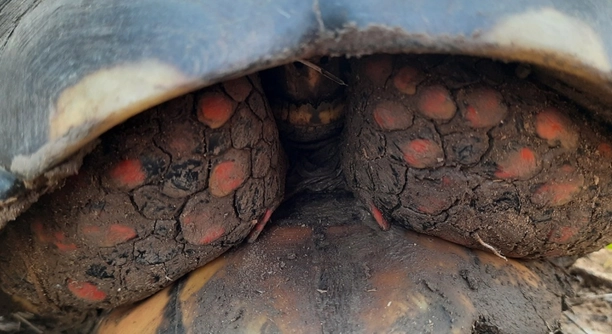
Red-footed tortoises are known for basking in the sun, but sometimes they stop. This behavior can be concerning for owners who rely on these basking periods to support their pet’s health and well-being.
There are several reasons why red-footed tortoises might stop basking, including environmental changes, health issues, or changes in their diet. These factors can interfere with their normal basking habits, leading to potential stress or discomfort.
Addressing these factors will help restore healthy basking habits for your red-footed tortoise. Understanding what could be going wrong can assist you in making the right changes for your pet’s comfort and health.
Temperature and Lighting Issues
Red-footed tortoises depend on proper temperature and lighting for basking. If the basking area is too cold or too hot, your tortoise might avoid it altogether. They need a warm spot to regulate their body temperature and stay healthy. If the light is too dim or inconsistent, it may not stimulate the basking behavior either.
Inadequate lighting, such as using the wrong type of bulb, can affect the tortoise’s UVB absorption. This can make them feel less motivated to bask. It’s essential to make sure the light source provides both heat and UVB light. Too much heat can lead to stress, while too little can prevent proper digestion and calcium absorption.
To address this, check that your light bulbs are suitable for reptiles and replaced regularly. Keep the basking spot at the right temperature, around 95°F (35°C). A thermometer and UVB light that’s replaced every six months will help maintain a stable environment.
Stress from the Environment
Stress is another factor that may cause your tortoise to stop basking. Red-footed tortoises are sensitive to changes in their environment. If there’s too much noise, new pets, or frequent handling, they might feel uncomfortable and retreat from basking.
Stress can affect a tortoise’s health. When stressed, they might hide or stop eating, which can lead to more serious health problems. A calm, quiet environment with minimal disruptions will help your tortoise feel safe and encourage normal basking behavior. Keep their enclosure simple and secure to prevent unnecessary anxiety.
Maintaining a peaceful environment will encourage your tortoise to bask, helping to reduce stress. Try to limit handling, and make sure other pets or loud noises don’t disturb your tortoise’s space. A secure and calm habitat promotes natural behaviors like basking and eating.
Health Problems
A common reason red-footed tortoises stop basking is due to underlying health issues. If they’re feeling unwell, they may avoid basking as it requires energy and comfort they might not have. Health issues like respiratory infections or digestive problems can make them lethargic or unwilling to bask.
Infections or internal parasites can also cause a tortoise to avoid basking. These conditions can affect their energy levels, appetite, and behavior. If your tortoise has stopped basking, it’s crucial to check for signs of illness, such as a runny nose, difficulty breathing, or abnormal stool. A visit to the vet will help determine if health issues are present.
Ensuring your tortoise is healthy requires regular veterinary check-ups and a proper diet. If you notice any behavioral changes, it’s important to seek advice from a reptile specialist to diagnose and treat any potential problems. Keeping your tortoise in top shape encourages natural behaviors like basking.
Diet Issues
An improper diet can lead to a red-footed tortoise avoiding basking. If they’re not getting the proper nutrients, especially calcium or vitamin D3, they may not feel the need to bask. Basking helps them process these nutrients, so a lack of food variety can interfere with that.
Calcium is critical for bone health and proper metabolism, while vitamin D3 is necessary for UVB absorption. A poor diet lacking in these nutrients can cause health problems that affect basking behavior. Make sure your tortoise is eating a variety of foods, including leafy greens, fruits, and safe vegetables to maintain their health.
Ensure that your tortoise has a balanced diet with enough calcium and vitamin D3. You can also use supplements if necessary. Proper nutrition will keep your tortoise feeling energetic and ready to bask. Regularly assess the diet for variety and nutritional needs.
Humidity Levels
Incorrect humidity levels can also prevent your red-footed tortoise from basking. Tortoises need specific humidity to thrive, especially in their basking areas. If the humidity is too high or too low, it can cause stress or discomfort, making them avoid basking altogether.
The ideal humidity level for red-footed tortoises is around 70% to 80%. If the enclosure is too dry, they may have trouble shedding or suffer from dehydration. On the other hand, excessive humidity can lead to respiratory issues. Keeping a consistent humidity level helps them feel comfortable and encourages regular basking.
Ensure you have a reliable humidity gauge and adjust the enclosure accordingly. Regular misting or a humidity-controlled environment can maintain the proper levels. This balance will make your tortoise more comfortable, encouraging it to bask and stay healthy.
Space and Enclosure Setup
A cramped or poorly set up enclosure can discourage basking behavior in red-footed tortoises. They need enough space to move around and feel safe in their environment. If their enclosure is too small or lacking the right setup, they may choose not to bask.
Providing enough space for your tortoise to roam helps reduce stress and creates a more natural environment. You should also ensure that the basking area is separate from other areas where your tortoise may sleep or hide. Proper spacing and zoning in the enclosure allow them to choose their preferred basking spot without feeling overcrowded or unsafe.
An enclosure with appropriate space for movement, along with a clearly defined basking area, will encourage your tortoise to bask regularly. Make sure the environment matches their natural habitat to support their health and behaviors.
Seasonal Behavior
Red-footed tortoises may stop basking due to seasonal changes. In the wild, they have natural cycles where basking behavior decreases, especially during cooler or wetter months. The same can happen in captivity, where environmental shifts mimic seasonal changes.
In cooler months or during rainy periods, tortoises may naturally reduce their basking time and become less active overall. It’s part of their natural rhythm. As long as the enclosure’s temperature and lighting are controlled, this reduction in basking should not be a cause for concern.
Watch for signs that your tortoise is adjusting to seasonal changes. If the temperature and humidity are correct, they’ll likely resume basking when conditions are right again.
FAQ
Why is my red-footed tortoise not basking?
If your red-footed tortoise isn’t basking, there could be a number of reasons. Check if the temperature or humidity in their environment is correct. It’s also worth considering if your tortoise might be stressed or sick. Tortoises need a warm, calm environment, and any imbalance could discourage them from basking. Ensuring their enclosure is well-lit with UVB bulbs and maintaining proper diet and humidity levels are crucial for their well-being. Keep an eye on their behavior and health to help determine the cause.
How can I make sure the temperature is right for my tortoise to bask?
Red-footed tortoises require a basking temperature of around 95°F (35°C). If it’s too cold or too hot, they may avoid basking altogether. Using a reliable thermometer in the basking area will help ensure the temperature stays consistent. You can use heat lamps to maintain the correct warmth. Make sure the rest of the enclosure is cooler to give your tortoise a proper gradient where they can regulate their body temperature. Always monitor and adjust the heat source to avoid overheating or cooling down too much.
What should I do if my tortoise is not basking but is eating and drinking normally?
If your tortoise is eating and drinking normally, but still not basking, it could be an environmental issue. Double-check the humidity, temperature, and lighting in their enclosure. Tortoises may not bask if these conditions aren’t ideal, even if they’re eating and drinking. Consider any changes in their habitat that could be causing discomfort, such as new pets, noise, or changes in routine. It’s also possible they’re adjusting to a seasonal shift or simply prefer a different basking spot.
Can health issues cause my tortoise to stop basking?
Yes, health problems can cause your tortoise to stop basking. Illnesses like respiratory infections, parasites, or digestive issues can make your tortoise lethargic or too weak to bask. If your tortoise shows signs of illness, such as lethargy, nasal discharge, or changes in stool, it’s best to take them to a reptile vet. Health problems can be subtle, so observing any behavioral changes carefully can help you catch them early. Addressing health issues promptly ensures that your tortoise feels better and resumes normal activities.
Is it normal for my tortoise to stop basking during certain seasons?
Yes, it is completely normal for red-footed tortoises to bask less during certain seasons. In the wild, their basking patterns change with temperature and weather. If the enclosure temperature and humidity are maintained, your tortoise may naturally reduce basking during cooler months, just as they would in their natural habitat. While the basking behavior may decrease, make sure that their living environment stays stable, and they still have access to appropriate lighting and heat.
How do I know if my tortoise is stressed and avoiding basking?
Stress can cause red-footed tortoises to avoid basking. If you notice your tortoise becoming withdrawn, hiding more than usual, or showing a decrease in appetite, these could be signs of stress. A sudden change in their environment—like new pets, loud noises, or changes in routine—can cause stress. Additionally, over-handling or frequent disturbances might make your tortoise anxious. Reducing stress by providing a quiet, safe space for your tortoise can help them feel secure and encourage basking.
Should I change my tortoise’s diet if it stops basking?
A poor diet can also contribute to your tortoise avoiding basking. If your tortoise is lacking essential nutrients like calcium or vitamin D3, they may feel unwell or lethargic, which can affect their basking behavior. Offering a balanced diet with leafy greens, safe vegetables, and fruits, along with occasional supplementation, can ensure they’re getting the nutrients they need. You may also want to review their food choices if they are not eating properly, as a poor appetite might be linked to diet deficiencies.
How can I set up my tortoise’s enclosure to encourage basking?
To encourage basking, make sure your red-footed tortoise’s enclosure has a properly heated basking area with temperatures around 95°F (35°C). Provide a good UVB light source to help with calcium absorption. Having a cooler area in the enclosure allows them to regulate their body temperature. Make sure there’s enough space for your tortoise to roam, with secure hiding spots to make them feel safe. A proper enclosure setup that mimics their natural habitat will help them feel comfortable and encourage them to bask more regularly.
Can the humidity in my tortoise’s enclosure affect basking?
Yes, humidity plays an important role in your tortoise’s overall comfort and basking behavior. Red-footed tortoises thrive with humidity levels between 70% and 80%. If the humidity is too low, they might become dehydrated or have difficulty shedding, which can affect their willingness to bask. On the other hand, if the humidity is too high, it could lead to respiratory issues or mold growth in the enclosure. Keep a reliable humidity gauge in their habitat and mist their enclosure as needed to maintain the right balance.
How often should I replace the UVB bulb for my tortoise?
UVB bulbs are essential for your tortoise’s health and well-being, helping them absorb calcium and maintain proper metabolism. These bulbs typically need to be replaced every six months, as their UVB output decreases over time, even if they still appear to be working. A weak UVB bulb can cause your tortoise to become ill and avoid basking. Make sure to choose the right type of bulb for reptiles, and replace it on schedule to ensure that your tortoise gets the proper amount of UVB light.
Final Thoughts
Understanding why your red-footed tortoise might stop basking is essential for ensuring its well-being. Several factors could be at play, including improper temperature or lighting, stress, health issues, or dietary imbalances. Tortoises are sensitive creatures that rely on a stable environment to thrive. If something changes in their habitat, it could disrupt their natural behaviors, including basking. By paying close attention to the conditions in their enclosure and their overall health, you can identify what might be causing them to avoid basking. Regular check-ups, appropriate environmental controls, and a proper diet will go a long way in keeping your tortoise healthy and happy.
The health of your tortoise should always be a top priority. If changes in basking behavior accompany other signs of illness, such as lethargy, lack of appetite, or unusual behaviors, it’s important to consult a vet. Red-footed tortoises may not always show clear symptoms of illness, so subtle changes in behavior should be monitored. Health issues like respiratory infections, parasites, or metabolic bone disease can all affect basking habits. Early detection and treatment are crucial in preventing serious health problems. Even if your tortoise seems healthy otherwise, any sudden change in behavior should be taken seriously.
Lastly, providing a proper habitat is key to supporting natural behaviors like basking. Maintaining the correct temperature, humidity, and lighting is essential to encourage your tortoise to bask regularly. A well-balanced diet that includes the right nutrients also plays a role in your tortoise’s overall health and energy levels. Avoiding stress by keeping the environment calm and safe will also ensure that your tortoise feels secure enough to engage in natural behaviors. By keeping these factors in check, your red-footed tortoise will likely return to basking as part of its healthy daily routine.

Hello,
If you enjoy the content that we create, please consider saying a "Thank You!" by leaving a tip.
Every little bit helps us continue crafting quality advice that supports the health, happiness, and well-being of pets around the world, for pets of all shapes, sizes, and species.
We really appreciate the kindness and support that you show us!