
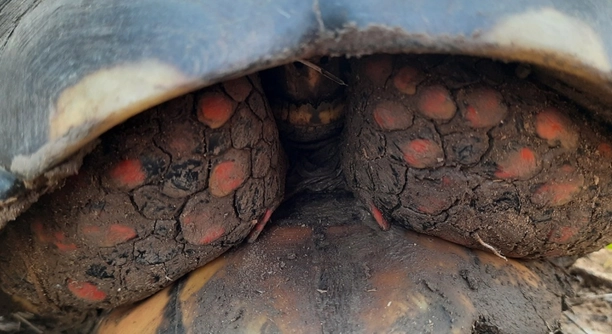
Red-footed tortoises are popular pets known for their friendly personalities and unique diets. As pet owners, it’s natural to wonder what fruits are safe and healthy for them. One such fruit is pineapple.
Red-footed tortoises can eat pineapple in moderation. However, due to its high sugar content, it should be offered sparingly. Too much pineapple can lead to digestive issues and other health problems for these tortoises.
Understanding how much pineapple to feed your tortoise and what benefits or risks come with it will help ensure their well-being. The right diet keeps them healthy and happy.
Nutritional Benefits of Pineapple for Red-Footed Tortoises
Pineapple contains essential vitamins and minerals that can benefit red-footed tortoises. It is a good source of vitamin C, which supports the immune system, and manganese, important for bone health. The fruit also offers dietary fiber, which aids in digestion. Offering small pieces of pineapple occasionally can provide variety and boost their nutrient intake. However, as with all treats, it’s essential to balance pineapple with their regular diet of leafy greens and other vegetables.
Pineapple also provides antioxidants that help combat free radicals. These can help support your tortoise’s overall health.
Although pineapple can provide some nutrients, it should not replace more nutritionally dense foods. A varied diet rich in greens and vegetables should be prioritized for optimal health. Pineapple should be a treat, not a daily food. In addition, be sure to remove the tough outer skin, as it can be difficult for them to digest.
Potential Risks of Feeding Pineapple
Feeding pineapple too frequently can cause digestive upset in red-footed tortoises.
Due to its high sugar content, too much pineapple can lead to issues like diarrhea or bloating. Since tortoises in the wild mostly eat low-sugar foods, their digestive system is not designed to handle sugary fruits often. Excess sugar may also contribute to obesity and other health issues, like shell deformities.
Red-footed tortoises, in particular, are sensitive to an imbalanced diet. They rely on natural foods like grasses, leaves, and some fruits in the wild. Too much fruit, especially high-sugar types like pineapple, can overwhelm their system and lead to nutrient imbalance. Moderation is key to keeping your tortoise healthy while still offering enjoyable treats.
How to Safely Feed Pineapple to Red-Footed Tortoises
To feed pineapple safely, start by removing the tough skin and cutting the fruit into small, manageable pieces. This ensures your tortoise can easily eat it without choking. Offer pineapple as a treat, not a regular part of their diet, and limit it to once or twice a week.
It’s important to feed pineapple in moderation. Red-footed tortoises thrive on a diet rich in dark leafy greens and vegetables, with fruits like pineapple added as a special snack. Too much fruit, especially sugary ones, can cause health issues, so always keep portions small and balanced with their other food.
Always monitor your tortoise after feeding pineapple for any signs of digestive upset. If your pet experiences diarrhea, reduce the amount of pineapple you offer. Keeping their diet varied and balanced will support a healthier lifestyle, ensuring they get the nutrition they need.
Other Safe Fruits for Red-Footed Tortoises
In addition to pineapple, there are other fruits that red-footed tortoises can enjoy in moderation.
Some safe fruits include strawberries, mangoes, and papayas. These fruits offer essential vitamins and minerals that can complement your tortoise’s diet. However, just like with pineapple, it’s important not to overdo it. Introduce fruits gradually, and always watch for any adverse reactions.
Make sure fruits are fresh and free from any pesticides or chemicals. When feeding your tortoise fruits, cut them into small, manageable pieces. This helps prevent choking and makes it easier for your tortoise to digest. Fruits should not make up a large part of the diet, but they can add variety and nutritional value when offered in appropriate amounts.
Frequency of Feeding Pineapple to Red-Footed Tortoises
Pineapple should be given to red-footed tortoises no more than once or twice a week. Offering it too frequently can lead to digestive problems due to its sugar content.
By limiting pineapple to occasional treats, you can ensure your tortoise gets a balanced diet without overloading its system with too much sugar.
Feeding pineapple more than recommended can cause issues like diarrhea or bloating. It’s important to observe your tortoise’s behavior and health after offering fruits like pineapple. This way, you can adjust its diet accordingly to prevent any negative effects.
Signs of Digestive Issues in Red-Footed Tortoises
If your tortoise develops digestive issues, you may notice changes in its stool. Diarrhea, bloating, or a lack of appetite can signal an upset stomach.
Should these signs appear after feeding pineapple or other fruits, it’s best to cut back on treats and stick to leafy greens. If the symptoms persist, a visit to the vet is recommended for further care and advice.
Alternative Diet Options for Red-Footed Tortoises
A healthy diet for red-footed tortoises includes a variety of leafy greens like collard greens, dandelion greens, and kale. These should make up the majority of their meals. You can also offer vegetables like squash or bell peppers.
Including occasional fruits, like berries or melons, is fine, but leafy greens and high-fiber veggies should remain the focus of their diet. This helps support their digestive system and overall health. Always offer fresh water and monitor their food intake to ensure they are getting the nutrients they need.
FAQ
Can red-footed tortoises eat pineapple every day?
No, red-footed tortoises should not eat pineapple every day. Pineapple is high in sugar, and too much sugar can lead to digestive problems and other health issues. It’s best to limit pineapple to an occasional treat, once or twice a week, to maintain a balanced diet.
What happens if I feed my tortoise too much pineapple?
Feeding your tortoise too much pineapple can cause digestive upset, such as diarrhea or bloating. The high sugar content in pineapple can overwhelm their system, leading to problems with digestion and overall health. To avoid this, feed pineapple in moderation and balance it with other healthy foods like leafy greens.
Is pineapple good for red-footed tortoises?
Pineapple does offer some nutritional benefits, such as vitamin C and antioxidants, but it is not essential for a red-footed tortoise’s diet. While it can provide a variety of nutrients, it should only be an occasional treat due to its high sugar content. A tortoise’s diet should primarily consist of leafy greens and other vegetables.
Can pineapple help with my tortoise’s shell health?
Pineapple can contribute to overall health due to its vitamin C content, which helps with immune function. However, shell health relies more on a well-balanced diet, proper UVB light exposure, and calcium intake. While pineapple can support general health, it’s not a direct factor in improving shell quality.
How should I prepare pineapple for my red-footed tortoise?
When preparing pineapple for your tortoise, first remove the tough outer skin and any hard core. Cut the fruit into small, bite-sized pieces to prevent choking and make it easier for them to digest. Only offer a small amount at a time, as excessive pineapple can upset their stomach.
What fruits are safe for red-footed tortoises to eat?
Besides pineapple, red-footed tortoises can enjoy a variety of fruits in moderation, including strawberries, mangoes, papayas, and melons. Fruits like berries are generally safer for tortoises because they are lower in sugar. Always be cautious with portion sizes and avoid feeding fruits too often.
Can pineapple cause obesity in my tortoise?
If fed too often or in large amounts, pineapple, due to its high sugar content, could contribute to weight gain and obesity in red-footed tortoises. Excessive sugar can also disrupt their natural metabolism, leading to further health issues. Make sure to offer fruits like pineapple as a rare treat to avoid overfeeding.
Can I feed canned pineapple to my tortoise?
It’s better to avoid feeding canned pineapple to your red-footed tortoise. Canned pineapple often contains added sugars or preservatives that aren’t ideal for your tortoise’s health. Fresh pineapple, without any added sweeteners or chemicals, is always a better option for your pet.
Can red-footed tortoises eat pineapple with the skin on?
No, the skin of pineapple should never be fed to your tortoise. It’s too tough and difficult to digest. Always peel the pineapple before offering it to your tortoise, as the outer skin could cause choking or digestive blockages.
How much pineapple should I feed my tortoise?
It’s best to limit pineapple to small pieces, no more than once or twice a week. A piece about the size of their head or less is enough. Keep portions small and always balance their diet with leafy greens and other vegetables to ensure they’re getting the proper nutrition.
Is it safe to feed pineapple to baby red-footed tortoises?
Baby red-footed tortoises should not eat pineapple or any other sugary fruits. Their digestive systems are more sensitive than adults, and high sugar content can cause health issues like diarrhea or dehydration. Stick to age-appropriate foods, such as finely chopped greens, to support their growth and development.
Can I feed pineapple to my tortoise if it’s overripe?
It’s best to avoid feeding overripe pineapple to your tortoise. Overripe fruit can be too soft and might contain too much sugar, which can be hard on their digestion. Always offer fresh pineapple in moderate portions to ensure your tortoise gets the best quality nutrition without excess sugar.
Should I remove the seeds from pineapple before feeding it to my tortoise?
Pineapple does not contain large seeds, so there’s no need to remove seeds before feeding it to your tortoise. However, it’s still important to remove the tough core and skin to ensure your tortoise can safely enjoy the fruit. Always cut the pineapple into small pieces to make it easier for them to eat.
Can I mix pineapple with other fruits for my tortoise?
You can mix pineapple with other fruits like papaya, strawberries, or melon for variety. However, always make sure to keep the portion sizes small and offer it as a treat. A fruit salad can be a fun and tasty way to give your tortoise a treat, but don’t make it a regular part of their diet.
How do I know if my tortoise doesn’t tolerate pineapple?
If your tortoise experiences diarrhea, bloating, or a lack of appetite after eating pineapple, it might not be tolerating the fruit well. In such cases, reduce or eliminate pineapple from their diet and monitor their condition. If symptoms persist, consult with a veterinarian to rule out any other health concerns.
Final Thoughts
Feeding red-footed tortoises pineapple can be a healthy treat when given in moderation. Pineapple offers vitamins and antioxidants that can support your tortoise’s immune system and general health. However, due to its high sugar content, it should never be a regular part of their diet. Red-footed tortoises thrive best on a variety of leafy greens, vegetables, and a small amount of fruit. Pineapple can be part of this variety, but it must be balanced with other foods that meet your tortoise’s nutritional needs.
The key to keeping your tortoise healthy is moderation. Too much fruit, especially high-sugar ones like pineapple, can lead to digestive issues, obesity, and other health problems. It’s important to monitor your tortoise’s reactions after offering new foods, especially fruits. If you notice any digestive discomfort like diarrhea or bloating, it may be a sign that you are feeding too much pineapple or other sugary fruits. In such cases, reduce or eliminate these treats from their diet and stick to foods that are more beneficial to their overall health.
Overall, pineapple can be a fun treat for your red-footed tortoise, but it is not a necessity. When offered properly and in small amounts, it can add variety to their diet and provide some nutritional benefits. Just remember that their main source of nutrition should come from leafy greens and other vegetables, not fruits. With a balanced diet and careful portioning of treats like pineapple, your tortoise can enjoy a long and healthy life. Always consult with a veterinarian if you have concerns about your tortoise’s diet or health to ensure you are providing the best care possible.

Hello,
If you enjoy the content that we create, please consider saying a "Thank You!" by leaving a tip.
Every little bit helps us continue crafting quality advice that supports the health, happiness, and well-being of pets around the world, for pets of all shapes, sizes, and species.
We really appreciate the kindness and support that you show us!