
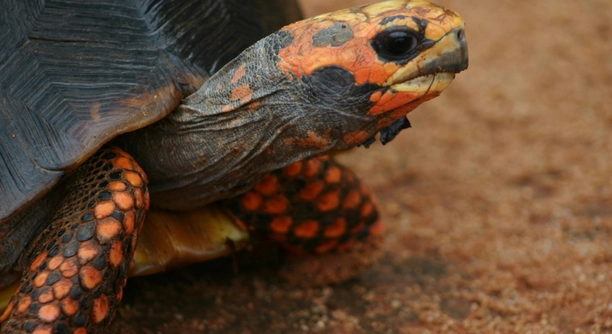
Red-footed tortoises are known for their playful and curious nature. If you’ve noticed your tortoise rubbing its head frequently, you may be wondering what it means and how to address it. Understanding this behavior is essential.
Rubbing the head in red-footed tortoises can result from various causes, including shedding, environmental stress, or skin irritation. It may also indicate an attempt to remove debris or a behavioral reaction to changes in their environment.
There are several factors contributing to this behavior, and understanding them can help ensure your tortoise stays comfortable and healthy. Keep reading to learn more.
Possible Causes of Head Rubbing
Head rubbing in red-footed tortoises can occur for several reasons, and understanding the cause is important to ensure the well-being of your pet. One possible reason for this behavior is the shedding of their skin. As tortoises grow, they periodically shed their outer layer, and this can cause discomfort, making them rub their head against objects in an attempt to relieve it. Another factor could be an environmental issue, such as high humidity or inadequate temperature, which could stress the tortoise and trigger this behavior.
Sometimes, a tortoise might also rub its head to remove dirt or debris from its shell. These activities are natural and often occur when the tortoise is trying to clean itself. In some cases, head rubbing could be linked to a mild infection or irritation, especially if your pet has been in contact with bacteria. Keeping a close eye on your pet’s overall behavior and environment will help prevent potential problems.
If the head rubbing becomes persistent or if your tortoise shows other signs of distress, it is important to monitor their behavior carefully.
How to Address Head Rubbing
To address head rubbing, first check your red-footed tortoise’s habitat. Ensure that the temperature and humidity levels are suitable for its species. If these factors are off, they may be the cause of discomfort. In some cases, adjusting their environment may reduce the behavior.
If skin irritation or infection is suspected, a visit to a veterinarian may be necessary. A professional can diagnose the cause and recommend treatment options. Regularly cleaning your tortoise’s enclosure can help prevent the buildup of bacteria, which could be contributing to the problem.
Keep in mind that, in some cases, this behavior may simply be a result of natural growth processes. Red-footed tortoises often exhibit this behavior during molting. If this is the case, it should not cause concern. However, if the head rubbing continues or is accompanied by other signs of distress, a check-up with a vet can ensure your tortoise stays healthy.
Environmental Factors
Temperature and humidity play a big role in the comfort of your red-footed tortoise. If these are not within the right range, your tortoise may rub its head as a sign of distress. The ideal temperature should be between 75-85°F, with a basking spot reaching 90°F. Humidity should be maintained around 70-80% to prevent skin dryness and discomfort.
Tortoises are highly sensitive to their environment, and small changes can lead to noticeable behavior like head rubbing. If your tortoise is in an area that’s too hot or too cold, it can become stressed and uncomfortable. Similarly, poor humidity can dry out their skin, making them more likely to rub their head to alleviate irritation. Regularly check the temperature and humidity levels to make sure they remain consistent.
If these factors are correct, but your tortoise continues to rub its head, the issue might lie elsewhere. It’s worth considering other possible causes such as infections or minor injuries. In this case, keeping an eye on other signs like swelling or discharge could be helpful.
Dealing with Skin Irritation
Skin irritation in red-footed tortoises often occurs due to improper humidity levels or direct contact with contaminants. If the humidity is too low, the skin can dry out, leading to rough patches that may cause rubbing. This can be easily fixed by adjusting the humidity to the correct level.
An additional concern for skin irritation could be external parasites or bacteria. These can cause itching, redness, or discomfort. It’s important to regularly clean your tortoise’s habitat and remove any waste that might attract pests. Cleaning your tortoise itself with mild, reptile-safe soap could help prevent skin problems.
If your tortoise seems to have excessive skin irritation or you notice any sores, it might be time to visit a vet. A professional can identify the source of the irritation and recommend the right treatment to keep your tortoise comfortable. Regular skin checks are always a good idea to avoid future issues.
Excessive Stress
Stress can trigger head rubbing in red-footed tortoises, especially if their environment is unstable or they are subjected to constant changes. Noise, other pets, or a lack of privacy can contribute to stress. Make sure your tortoise has a quiet, secure space where it feels safe.
A common cause of stress is overcrowding in the enclosure. Red-footed tortoises need ample space to move around. If they are kept in an area that is too small or shared with other animals, they may become agitated. If stress continues, the head rubbing might become more frequent.
Observe your tortoise for signs of distress, such as pacing or hiding. If these behaviors persist, it’s essential to reassess the living conditions. Creating a more peaceful and comfortable space can help reduce stress and, in turn, the head rubbing.
Head Injuries
If your tortoise is rubbing its head against objects repeatedly, it could be trying to relieve discomfort from an injury. Head injuries, even minor ones, can cause pain or irritation. Check your tortoise for any signs of swelling, bruising, or tenderness.
Head injuries are often caused by accidents, such as falling from a height or being bumped into hard objects. These injuries can lead to internal damage, making your tortoise rub its head to relieve discomfort. Always handle your tortoise gently to avoid accidental injuries.
If an injury is suspected, it’s best to visit a veterinarian as soon as possible. They will be able to evaluate the injury and suggest treatment, ensuring your tortoise heals without further complications.
Shedding
Head rubbing can also be linked to the shedding process. Like many reptiles, red-footed tortoises shed their skin regularly, and this can cause some discomfort. Rubbing their head against objects might help them remove dead skin, especially around the neck and head area.
When a tortoise begins shedding, the skin may feel tight or dry, which can irritate them. This natural process usually lasts for a few days, but it can be bothersome for your pet. Providing a humid environment can assist with the shedding process, making it easier for the skin to come off.
Keep an eye on your tortoise to make sure the shedding process is going smoothly. If the skin isn’t shedding properly, or if your tortoise seems to be struggling, it may require assistance from a reptile vet to avoid complications.
FAQ
Why does my red-footed tortoise rub its head?
Head rubbing in red-footed tortoises can be caused by several factors. It may be due to the shedding process, skin irritation, or environmental stress. If your tortoise is rubbing its head frequently, it’s important to check for any visible signs of discomfort or irritation. Additionally, environmental factors like temperature and humidity imbalances can contribute to this behavior. If the behavior is persistent or accompanied by other signs like swelling, seeking advice from a veterinarian is recommended.
How can I tell if my tortoise is stressed?
A stressed tortoise may exhibit a variety of behaviors. These can include excessive head rubbing, hiding, pacing, or becoming more reclusive than usual. Stress in tortoises is often caused by environmental changes, overcrowding, or loud noises. If your tortoise is not eating or engaging in typical activities, it may be experiencing stress. Adjusting their environment to make it more peaceful and ensuring proper space can help relieve this stress.
Should I be concerned if my tortoise rubs its head during shedding?
Head rubbing during shedding is quite common and usually not a cause for concern. As tortoises shed their skin, they may rub their head to help remove old skin, especially around their neck and head areas. This natural process should not cause prolonged discomfort. If the skin does not shed properly or if the rubbing seems excessive, it might be necessary to check humidity levels and ensure that your tortoise is in a comfortable environment for shedding.
How can I prevent skin irritation in my tortoise?
Skin irritation in tortoises is often caused by low humidity or a dirty environment. To prevent skin irritation, ensure that the humidity levels are kept at 70-80% and that the enclosure is regularly cleaned. Using a reptile-safe, mild soap to clean the tortoise can also help prevent skin issues. Additionally, check for any external parasites that might be causing irritation and keep the environment free of excess waste.
What should I do if I think my tortoise has an injury?
If you suspect that your tortoise has a head injury, it is important to check for signs such as swelling, bruising, or tenderness. Injuries can occur from accidental falls or rough handling. If an injury is detected, it is best to take your tortoise to a veterinarian for an assessment. Delaying care for injuries can result in complications, so it is always safer to seek professional advice if you are uncertain.
How do I know if my tortoise is sick?
Sick tortoises may show signs such as a lack of appetite, lethargy, or changes in their behavior, like excessive rubbing of the head or hiding. If your tortoise seems unusually inactive, is refusing food, or is showing signs of pain or discomfort, it could be ill. A trip to the veterinarian is the best course of action to rule out any serious health problems and get your tortoise back on track.
Can temperature and humidity affect my tortoise’s health?
Yes, temperature and humidity are crucial for the health of red-footed tortoises. If the temperature is too high or too low, it can cause stress and discomfort. Humidity should be maintained at 70-80% to prevent dry skin and respiratory issues. If your tortoise is rubbing its head or showing signs of discomfort, check the environment and make sure it is within the optimal range for temperature and humidity.
Is head rubbing ever a sign of a serious health issue?
Head rubbing itself is not always a sign of a serious health issue. It can be caused by environmental factors, shedding, or minor irritations. However, if the rubbing is persistent or if your tortoise shows other signs of distress, such as swelling, discharge, or unusual behavior, it could indicate a more serious problem. A visit to a veterinarian is recommended in these cases to rule out infections or more severe conditions.
What is the best way to care for a red-footed tortoise?
Proper care for a red-footed tortoise includes providing the right temperature, humidity, and space. A tortoise needs a warm basking area with a temperature around 90°F and a cooler area at around 75-80°F. Humidity should be kept at 70-80%. Regular cleaning of the enclosure, a balanced diet, and monitoring for any changes in behavior will help ensure your tortoise’s health and happiness.
Can a red-footed tortoise rub its head on purpose?
Yes, a red-footed tortoise may rub its head on purpose to relieve discomfort caused by skin irritation, shedding, or to remove debris. If your tortoise seems to be rubbing its head regularly, it could be trying to address a natural issue like the shedding process or irritation from its environment. However, if the rubbing continues and there are no signs of shedding, it could be a sign of an underlying problem that needs to be addressed.
Final Thoughts
Understanding why your red-footed tortoise is rubbing its head can help you provide better care and address any concerns. While head rubbing can be a natural behavior, it’s essential to consider other factors like stress, injury, or irritation. Observing your tortoise’s environment and behavior is key to determining whether the head rubbing is due to normal shedding, environmental stressors, or something more serious. Regularly checking for signs of discomfort, skin issues, or injuries is also important to ensure your pet remains healthy and happy.
If you notice persistent or concerning head rubbing, it’s best to consult a veterinarian. They can help identify any underlying health issues and offer advice on how to address them. In some cases, something as simple as adjusting the humidity levels or providing more space can make a significant difference. Keeping the enclosure clean and ensuring your tortoise has a peaceful, secure environment can also help reduce stress. By providing the right care and maintaining a stable environment, you can help your red-footed tortoise live a comfortable and healthy life.
Finally, remember that every tortoise is different. While some may rub their heads during shedding or due to minor irritations, others may do so because of stress or health problems. Paying attention to changes in behavior and seeking professional advice when needed will help you address any issues early. With proper care, you can ensure that your red-footed tortoise stays healthy, happy, and free from discomfort.

Hello,
If you enjoy the content that we create, please consider saying a "Thank You!" by leaving a tip.
Every little bit helps us continue crafting quality advice that supports the health, happiness, and well-being of pets around the world, for pets of all shapes, sizes, and species.
We really appreciate the kindness and support that you show us!