
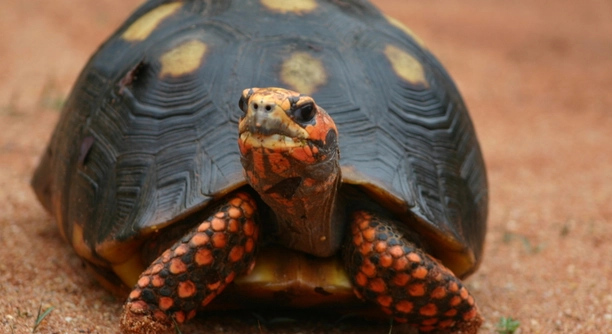
Red-footed tortoises are known for their varied diet, which includes fruits, vegetables, and insects. However, some foods may not be suitable for them. It’s important to ensure their diet remains balanced for their health and well-being.
Red-footed tortoises can eat corn, but it should not be a regular part of their diet. Corn lacks the necessary nutrients for long-term health and can cause digestive issues. It’s better to offer them more nutrient-dense vegetables and fruits.
Opting for healthier alternatives will help maintain a balanced and varied diet for your tortoise.
The Impact of Corn on Red-Footed Tortoises
While corn is not toxic to red-footed tortoises, it isn’t the best food option. Its high starch content can lead to digestive issues, causing bloating or discomfort. When corn is consumed too frequently, it can disrupt the proper functioning of their digestive system. Tortoises require a more fiber-rich diet to promote healthy digestion.
Choosing the right foods for red-footed tortoises is crucial to ensure their well-being. While occasional treats may be okay, it’s important to focus on offering a more balanced selection of fruits and vegetables.
A healthy diet for red-footed tortoises should consist mainly of leafy greens, such as collard greens, dandelion greens, and mustard greens. These vegetables provide essential nutrients without the high sugar or starch levels found in corn. Fruits like papaya, mango, and bananas can also be offered in moderation. Providing a variety of plant-based foods is key to supporting their immune system and overall health. Keeping their diet diverse helps avoid nutritional imbalances and digestive issues.
Healthier Food Alternatives for Red-Footed Tortoises
If you want to provide better options for your red-footed tortoise, consider vegetables like squash or bell peppers. These are packed with vitamins and minerals, offering a healthier choice. A diverse selection will benefit their overall health.
Switching to plant-based foods with higher nutrient content is simple. Offer them leafy greens, squash, and a mix of fruits like berries and melon. This variety helps maintain their health and vitality. Avoid too much fruit, as it can cause digestive issues.
Potential Risks of Feeding Corn
Corn may seem like an easy treat, but it can lead to issues for red-footed tortoises. The high carbohydrate content can lead to weight gain and obesity, which puts unnecessary strain on their health. It can also cause a spike in blood sugar, potentially leading to long-term issues.
A balanced diet is vital for red-footed tortoises, as too much corn can disrupt the healthy functioning of their digestive system. A tortoise’s digestive tract requires the right balance of fiber, moisture, and nutrients. Corn’s high starch content, combined with its lack of sufficient fiber, can cause constipation or bloating. Sticking to plant-based foods is much healthier and more beneficial.
Long-term feeding of corn can also affect your tortoise’s shell quality. A diet too rich in starch and too low in other essential nutrients may lead to weak shell growth. Over time, this can cause shell deformities. Maintaining a diet rich in greens and diverse plant foods supports their shell health and overall vitality.
Safe Fruits and Vegetables for Red-Footed Tortoises
Red-footed tortoises enjoy a variety of fruits and vegetables. Leafy greens like collard and mustard greens are excellent choices, providing essential vitamins and fiber. Fruits such as papaya, bananas, and strawberries can be given in moderation to add variety and nutrients to their diet.
Vegetables like squash, zucchini, and bell peppers are also beneficial. They contain vitamins A and C, which support your tortoise’s immune system and skin health. Regularly offering these vegetables can ensure that your tortoise gets a broad range of nutrients, aiding in their digestion and general health.
It’s important to avoid offering vegetables high in oxalates, such as spinach, which can inhibit calcium absorption. A tortoise needs calcium for strong bones and shells. Calcium-rich foods like dandelion greens or kale can be included to support proper shell growth. With a balanced, nutrient-rich diet, your tortoise will thrive.
How Much Should Red-Footed Tortoises Eat?
The amount of food a red-footed tortoise needs depends on its size and age. Generally, they should be fed once a day with a variety of fruits, vegetables, and greens. Overfeeding can lead to obesity, so it’s important to watch portion sizes.
Offer enough food to cover the tortoise’s feeding area, but avoid providing excessive amounts. Red-footed tortoises have small stomachs, so portion control is crucial. They tend to graze throughout the day, so ensuring there’s always food available for them to nibble on is helpful.
Nutritional Balance for Red-Footed Tortoises
Maintaining a proper balance of nutrients is key for red-footed tortoises. A diet rich in calcium, fiber, and vitamins is essential for their bone health and overall well-being. Without these nutrients, they may experience health problems such as shell deformities or weakened bones.
Incorporate a variety of leafy greens like dandelion and kale, which are high in calcium. Fresh fruits like mango and papaya provide vitamins, while vegetables like bell peppers and zucchini contribute fiber. Mixing these foods together ensures that the tortoise receives a diverse range of nutrients.
Hydration for Red-Footed Tortoises
Red-footed tortoises need to stay hydrated to maintain good health. Providing fresh water daily is essential for their digestion and hydration. Regular soaking in shallow water can help them absorb moisture and stay hydrated.
FAQ
Can red-footed tortoises eat corn every day?
Corn should not be part of a daily diet for red-footed tortoises. It lacks the necessary nutrients and is high in starch, which can lead to digestive issues and weight gain if fed frequently. Instead, focus on feeding them a variety of leafy greens, vegetables, and fruits that provide better nutrition.
What vegetables can red-footed tortoises eat?
Red-footed tortoises can eat a wide range of vegetables, including leafy greens like collard greens, dandelion greens, and mustard greens. They can also enjoy squash, zucchini, bell peppers, and carrots. These vegetables are rich in vitamins and fiber, making them an excellent choice for your tortoise’s diet.
Are fruits safe for red-footed tortoises?
Fruits can be fed to red-footed tortoises, but only in moderation. Fruits like papaya, mango, strawberries, and bananas provide vitamins and minerals. However, they are also high in sugar, which can lead to digestive issues or obesity if overfed. Limit fruit portions to avoid potential health problems.
Can red-footed tortoises eat leafy greens?
Yes, leafy greens are a major part of a healthy diet for red-footed tortoises. These greens, such as kale, collard greens, and mustard greens, are rich in calcium and other essential nutrients. They promote good digestion and help maintain healthy shell growth. Offer a variety of leafy greens for balance.
Is it okay to feed red-footed tortoises spinach?
Spinach contains oxalates, which can inhibit calcium absorption in red-footed tortoises. For this reason, it’s best to avoid feeding them spinach regularly. You can offer it occasionally in small amounts, but leafy greens like dandelion greens and kale are better for their overall health.
Can red-footed tortoises eat flowers?
Red-footed tortoises can eat some edible flowers. Flowers like hibiscus, nasturtiums, and dandelions are safe for them to consume. These flowers can add variety to their diet and provide extra nutrients. Always ensure that the flowers have not been treated with pesticides or chemicals before offering them to your tortoise.
Should I feed my red-footed tortoise commercial tortoise food?
Commercial tortoise food can be used occasionally but should not be the main part of their diet. It can be low in the variety of nutrients your tortoise needs, so it’s better to focus on fresh vegetables, fruits, and greens. If using commercial food, ensure it’s high quality and free of additives.
How often should I feed my red-footed tortoise?
Red-footed tortoises are generally fed once a day. Younger tortoises might need more frequent feedings due to their faster growth, while adult tortoises can be fed once daily or every other day. Always observe their behavior to ensure they’re getting enough food and aren’t becoming overweight.
Can red-footed tortoises eat tomatoes?
Tomatoes can be offered to red-footed tortoises in small amounts. They contain vitamins A and C, but also have a high water content. Too many tomatoes can lead to loose stools or digestive upset, so it’s best to treat them as an occasional snack rather than a regular part of their diet.
What’s the best diet for a red-footed tortoise?
A balanced diet for a red-footed tortoise includes a variety of leafy greens, vegetables, and fruits. Offer foods like collard greens, dandelion greens, zucchini, squash, and bell peppers. Fruits such as papaya, mango, and strawberries should be given in moderation. A mix of these foods ensures a healthy, well-rounded diet.
Can red-footed tortoises eat celery?
Celery can be fed to red-footed tortoises in moderation. It is not very nutrient-dense compared to other vegetables, but it can provide some hydration due to its high water content. If you feed celery, pair it with more nutrient-rich foods to create a balanced meal.
Can red-footed tortoises eat broccoli?
Broccoli can be fed to red-footed tortoises, but only occasionally. It contains calcium, which is important for shell growth and overall health, but it also contains goitrogens, which can interfere with thyroid function if overfed. Offer broccoli sparingly to ensure a well-balanced diet.
Are red-footed tortoises herbivores or omnivores?
Red-footed tortoises are primarily herbivores. They eat a wide range of plant-based foods, including fruits, vegetables, and leafy greens. While they occasionally consume insects or small animals in the wild, their diet should be mostly plant-based in captivity to ensure their long-term health.
Can red-footed tortoises eat cucumbers?
Cucumbers are safe for red-footed tortoises to eat in moderation. They have a high water content, making them hydrating, but they are low in nutrients. As part of a balanced diet, cucumbers can be a refreshing addition, but they shouldn’t make up a large portion of your tortoise’s meals.
Can red-footed tortoises eat mushrooms?
Mushrooms should be avoided as a regular food for red-footed tortoises. While some mushrooms are safe, others can be toxic to reptiles. It’s best to err on the side of caution and avoid offering mushrooms to your tortoise altogether. Stick to safer, plant-based foods.
Can red-footed tortoises eat kale?
Kale is an excellent food choice for red-footed tortoises. It is rich in calcium and other essential nutrients, helping to support bone and shell health. However, kale can also contain oxalates, so it’s best to feed it in moderation. Offering a variety of leafy greens ensures a balanced diet.
Can red-footed tortoises eat avocados?
Avocados should not be fed to red-footed tortoises. They contain persin, a compound that is toxic to many animals, including reptiles. It can lead to heart damage and other serious health issues. Avoid giving your tortoise avocado to ensure they stay healthy.
How can I tell if my red-footed tortoise is healthy?
A healthy red-footed tortoise will have clear, bright eyes, smooth and hard shell, and a good appetite. They should be active, alert, and move around regularly. If your tortoise becomes lethargic, stops eating, or shows signs of weight loss or shell issues, it may indicate a health problem.
Final Thoughts
Red-footed tortoises are relatively easy to care for, provided you focus on their diet and habitat. While they enjoy a variety of fruits and vegetables, it’s crucial to ensure that their meals are balanced and varied. A diet high in leafy greens and low in sugary fruits will help maintain their overall health. Regularly offering the right mix of fresh, nutritious foods will ensure they get the vitamins and minerals they need to thrive. Avoid feeding them too much corn or other starchy foods, as these can cause health issues like obesity or digestive problems.
In addition to proper nutrition, a suitable living environment is vital for a healthy tortoise. Ensure that your tortoise has access to a warm, dry space with a proper light source. A humid area for soaking is also necessary to prevent dehydration. Keeping their enclosure clean and providing hiding spots will help reduce stress and encourage natural behaviors. Red-footed tortoises also need ample space to roam and explore, which is important for their physical and mental well-being. Be sure to provide enrichment items such as rocks and logs for climbing, which will keep your tortoise active and engaged.
Ultimately, being informed about your red-footed tortoise’s dietary needs and environmental requirements will help you provide the best care possible. While corn is not an ideal food for them, there are plenty of healthy alternatives to choose from. Regularly reviewing their diet and adjusting based on their health and behavior is key. With a well-balanced diet and proper care, your red-footed tortoise can live a long and happy life.

Hello,
If you enjoy the content that we create, please consider saying a "Thank You!" by leaving a tip.
Every little bit helps us continue crafting quality advice that supports the health, happiness, and well-being of pets around the world, for pets of all shapes, sizes, and species.
We really appreciate the kindness and support that you show us!