
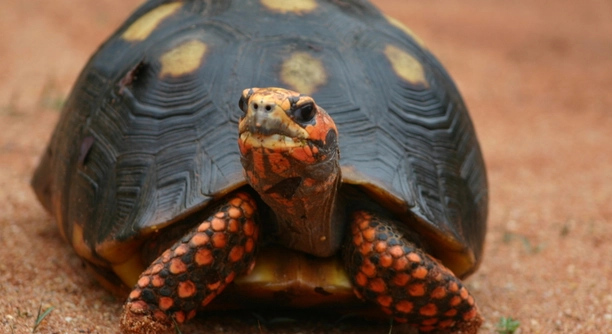
Red-footed tortoises are unique and intriguing pets that require careful observation. It can sometimes be tricky to tell if they are simply resting or experiencing health issues. Understanding their behavior is essential for their well-being.
The most reliable way to distinguish between a tortoise that is sleeping and one that may be sick is through changes in their activity levels, eating habits, and physical appearance. Sick tortoises may show signs of lethargy, loss of appetite, and unusual behavior.
Knowing the difference will help you respond promptly to any health concerns your tortoise may have, ensuring it stays healthy and happy.
Signs Your Red-Footed Tortoise Is Sleeping
A healthy red-footed tortoise will often sleep in a calm, tucked-in position. They prefer a cool, quiet spot to rest. During this time, they will be motionless for extended periods, which is perfectly normal. Their breathing may appear slow, and their eyes will be closed. If the environment is too hot, however, they might rest more than usual. Make sure your tortoise has a comfortable, quiet space to sleep, as this is when they recharge their energy.
If your tortoise seems relaxed and comfortable, with no visible signs of distress, it’s safe to assume they are simply sleeping. However, monitor their behavior closely to ensure they aren’t experiencing any discomfort.
Always ensure they have access to water and food after waking up from a long sleep. If you notice they’re consistently lethargic or refuse to move, it could be a sign of something more serious.
Signs Your Red-Footed Tortoise Is Sick
If your red-footed tortoise is not responding to stimuli or seems unusually sluggish, it might indicate illness. In addition to lethargy, a sick tortoise may refuse to eat or drink. Pay attention to physical changes like swollen eyes, a runny nose, or difficulty moving. These signs often point to respiratory infections or other health issues.
A sick tortoise may also have abnormal shell growth, discoloration, or visible wounds. The lack of energy and irregular behavior can be alarming, so it’s important to observe and act quickly. Make sure to consult a vet if any of these symptoms persist.
If your tortoise shows no improvement, they could be facing more serious health issues that require immediate medical attention. Quick action can help prevent further complications.
Behavior Changes in a Sleeping Red-Footed Tortoise
When a red-footed tortoise is simply sleeping, its body will be relaxed and it may stay in one position for several hours. Their movements will be slow or absent, but they remain in a restful posture, conserving energy. You might notice that their breathing slows down, and they seem to retreat into their shell occasionally.
While sleeping, their reaction to touch or sound will be minimal. They may appear unresponsive but don’t panic. This behavior is typical of a resting tortoise. However, if they refuse to wake up or don’t react at all, this may signal an underlying issue.
Allow your tortoise to sleep in peace, ensuring its environment is suitable. A quiet, comfortable area is essential for proper rest. Only intervene if they seem uncomfortable or persistently unresponsive.
Physical Signs of Illness in a Red-Footed Tortoise
Sick tortoises often show physical signs that help indicate their health status. These include visible changes in their skin, eyes, and shell. Swollen eyes or discharge around the nostrils can be signs of an infection. Their skin may appear pale or overly dry if they’re dehydrated or unwell.
Another warning sign is the appearance of sores or cracks in the shell. If the shell becomes soft or misshapen, it’s a clear indicator that something is wrong. Additionally, a tortoise’s legs may become stiff, or they may have difficulty moving around, further confirming the possibility of illness.
These physical symptoms should never be ignored. If you observe any of these signs, it’s crucial to seek veterinary care as soon as possible. Treating these conditions early can make all the difference in your tortoise’s recovery.
Identifying Respiratory Issues in a Red-Footed Tortoise
Respiratory issues are common in red-footed tortoises. If your tortoise has labored breathing, wheezing sounds, or a runny nose, it may be suffering from a respiratory infection. These signs should be addressed promptly to avoid further complications.
A tortoise with a respiratory problem may also appear lethargic and unwilling to move. A healthy tortoise will usually respond to its environment, but an ill tortoise will remain stationary, appearing weak. If these signs are noticed, it’s important to seek a vet’s advice as soon as possible.
Changes in Appetite and Eating Habits
A sudden loss of appetite or refusal to eat is a key indicator that something might be wrong with your red-footed tortoise. If your tortoise is not eating or drinking for more than a day, it could be dealing with stress or illness. Healthy tortoises are usually eager to eat and drink regularly.
It’s important to monitor your tortoise’s eating habits closely. If you notice a sudden change, try offering a variety of fresh foods. Sometimes, a change in diet or environmental conditions can affect their appetite. However, persistent changes should be investigated.
Impact of Temperature on Your Tortoise’s Health
Temperature plays a significant role in your red-footed tortoise’s overall health. If the environment is too cold, your tortoise may become sluggish, unresponsive, or show signs of hibernation. Ensure their habitat remains at the proper temperature, typically between 75-85°F during the day.
Maintaining the correct temperature is crucial for digestion and activity. A drop in temperature can slow down their metabolism, leading to a lack of appetite or energy. Be sure to monitor their habitat regularly, especially if they’re housed outdoors, to prevent extreme temperature shifts.
FAQ
How can I tell if my red-footed tortoise is too cold?
If your red-footed tortoise is too cold, it may appear sluggish, lethargic, or unresponsive. You might notice that it hides more often or has difficulty moving. A drop in temperature can also slow its metabolism, causing it to refuse food. Ensure your tortoise’s habitat stays between 75-85°F to keep it active and healthy. A thermometer will help you monitor the temperature and make necessary adjustments.
What should I do if my tortoise is not eating?
If your red-footed tortoise isn’t eating, check the temperature, humidity, and food quality in its habitat. Tortoises often stop eating if the conditions are not optimal. Offer a variety of fresh greens and vegetables to see if its appetite returns. Stress, illness, or an unsuitable environment can also lead to a loss of appetite, so be attentive to these signs. If the refusal to eat lasts more than a day, consult a vet to rule out any health issues.
Can a red-footed tortoise sleep for days?
Yes, a red-footed tortoise can sleep for extended periods, especially in cooler environments or during times of stress. However, if your tortoise remains inactive or unresponsive for several days, it could be a sign of illness or an unsuitable habitat. Tortoises sleep to conserve energy, but prolonged inactivity is not normal and should be addressed by a vet if it continues.
How often should I feed my red-footed tortoise?
You should feed your red-footed tortoise every day or every other day, depending on its age and size. Young tortoises need more frequent meals, while adults can be fed every other day. Offer a variety of greens, fruits, and vegetables to provide a balanced diet. Avoid feeding them too much protein, as it can lead to kidney problems. Make sure fresh water is always available, as hydration is essential for their overall health.
Why is my red-footed tortoise’s shell soft?
A soft shell in a red-footed tortoise is a sign of poor nutrition or an unhealthy environment. This can result from calcium or vitamin D deficiency, improper lighting, or poor diet. Ensure your tortoise has access to UVB light, as it helps with calcium absorption. Provide a proper diet that includes calcium-rich foods like dark leafy greens. If the condition persists, consult a vet for further advice.
How can I keep my tortoise hydrated?
Proper hydration is crucial for your red-footed tortoise’s health. Ensure it always has access to fresh water. You can also mist your tortoise and its enclosure to help with hydration, especially if the air is dry. Offering moist foods like leafy greens can help as well. If your tortoise seems dehydrated, soaking it in shallow lukewarm water for 20-30 minutes may help rehydrate it. Always check the water quality and replace it regularly.
Is it normal for my tortoise to eat its poop?
Occasionally, tortoises may eat their own feces. While this behavior can be unsettling, it’s relatively common. It could be a sign of a nutrient deficiency, or it may be linked to their natural instinct to reprocess food. If this becomes a regular habit or seems excessive, consider changing its diet or consulting a vet to rule out any potential health concerns.
How do I know if my red-footed tortoise is stressed?
Stress in red-footed tortoises can result from environmental changes, improper habitat, or handling. Signs of stress include excessive hiding, lack of movement, loss of appetite, and visible agitation. Tortoises may also become more aggressive or defensive. Ensure their habitat is set up correctly with appropriate lighting, temperature, and humidity. Avoid frequent handling to reduce stress, and make sure there are no sudden changes to their environment.
What is the ideal temperature for my red-footed tortoise’s habitat?
The ideal temperature for a red-footed tortoise’s habitat is between 75-85°F during the day, with a basking area reaching 90-95°F. At night, the temperature can drop to 70-75°F. Use a heat lamp to create a basking spot and a cooler area where your tortoise can retreat. Proper temperature control is essential for digestion, activity, and overall health.
Can red-footed tortoises live with other pets?
Red-footed tortoises can live with other pets, but it depends on the species and temperament of the other animals. Tortoises should never be housed with animals that might pose a threat, such as dogs, cats, or large reptiles. If kept with other tortoises, ensure they have enough space to avoid territorial disputes. Monitor interactions carefully to ensure no harm comes to your tortoise.
How long do red-footed tortoises live?
Red-footed tortoises can live for 40 to 50 years or more with proper care. Their lifespan depends on factors such as diet, habitat conditions, and general health. By providing a suitable environment, regular vet check-ups, and a balanced diet, you can help your tortoise live a long, healthy life.
Why is my tortoise’s shell changing color?
A change in shell color may be due to environmental stress, diet changes, or health issues. If the shell becomes pale, discolored, or develops patches, it could indicate illness or improper care. Ensure your tortoise is getting the right nutrients, such as calcium, and check for signs of infection or injury. A vet visit is recommended if the color change persists.
What should I do if my tortoise is not moving much?
If your tortoise is not moving much, check the temperature and humidity levels in its enclosure. A lack of movement can be caused by cold temperatures or dehydration. Also, observe for signs of illness, such as swelling, discharge, or loss of appetite. If the inactivity continues, consult a vet to rule out any underlying issues.
Is it okay to bathe my red-footed tortoise?
Bathing your red-footed tortoise is generally safe and can help with hydration. Place your tortoise in shallow lukewarm water for 20-30 minutes, allowing it to soak and hydrate. Be sure to supervise the bath to prevent drowning. Bathing can also help with shedding and stimulate movement. Always dry your tortoise thoroughly after the bath to prevent chilling.
What kind of substrate is best for red-footed tortoises?
A good substrate for a red-footed tortoise’s enclosure should be natural and absorbent. Coconut coir, cypress mulch, or organic soil mixed with sand are great choices. These materials mimic their natural environment, retain moisture, and allow them to dig or burrow. Avoid using sand alone, as it can cause impaction if ingested. Make sure the substrate is kept clean and dry to avoid the buildup of bacteria.
Final Thoughts
Caring for a red-footed tortoise requires attention to detail, but with the right knowledge, you can provide a comfortable and healthy environment for your pet. Ensuring that its habitat is warm, humid, and spacious is essential. The right temperature range, proper lighting, and fresh water are all necessary components to keep your tortoise thriving. You should also offer a balanced diet that includes a variety of greens, fruits, and vegetables to meet its nutritional needs. Regular observation of its behavior can help you detect any early signs of illness or discomfort.
It’s important to remember that red-footed tortoises are slow-moving and steady animals, and their behavior might sometimes seem unusual. If your tortoise is spending long periods of time resting, it may simply be sleeping or conserving energy. However, if this behavior lasts too long or you notice other signs such as a lack of appetite or a soft shell, it’s essential to evaluate the conditions and seek veterinary advice if necessary. Monitoring your tortoise’s health regularly can help avoid complications and ensure that it is living its best life.
By staying informed and making sure its habitat remains in the right conditions, you’ll give your red-footed tortoise the best chance for a long and healthy life. With a bit of effort and care, these tortoises can thrive and become wonderful, low-maintenance companions. Keep learning about their specific needs and make adjustments as necessary. Knowing the signs of a healthy, happy tortoise will ensure that it stays well and safe under your care for years to come.

Hello,
If you enjoy the content that we create, please consider saying a "Thank You!" by leaving a tip.
Every little bit helps us continue crafting quality advice that supports the health, happiness, and well-being of pets around the world, for pets of all shapes, sizes, and species.
We really appreciate the kindness and support that you show us!