
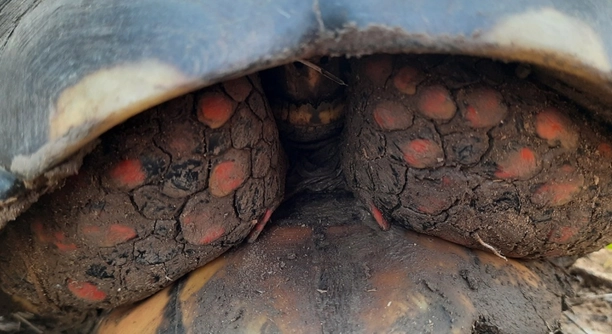
A well-decorated enclosure enhances your red-footed tortoise’s environment, providing both a visually appealing and functional space. A few simple changes can make a significant difference in their comfort and well-being. Creating a habitat that suits their needs is important.
The best tank decorations for a red-footed tortoise enclosure focus on providing hiding spots, climbing opportunities, and natural elements like plants and rocks. These additions mimic the tortoise’s natural habitat, offering both enrichment and comfort. Always prioritize safety and practicality.
Incorporating the right decorations will make your tortoise’s enclosure more inviting and enjoyable. Let’s explore the best options to improve your pet’s space.
Choosing Natural Elements for Your Tortoise’s Tank
When decorating your red-footed tortoise’s enclosure, it’s essential to mimic the natural environment they would encounter in the wild. Incorporating natural elements such as stones, logs, and plants helps create a more comfortable and stimulating space. These additions can provide a safe place for your tortoise to hide or climb, simulating the features of their native habitat. It’s important to use non-toxic, natural materials that will not harm your pet. A mix of different sizes and textures will also keep your tortoise active and entertained.
Natural decorations like rocks and plants can also help maintain humidity levels, which are crucial for your tortoise’s health. Ensure the plants you select are safe for tortoises, as some plants can be toxic to them. You might also consider adding a shallow water dish with rocks around the edges for easy access.
Lastly, adding a variety of natural elements ensures that your tortoise has both enrichment and functional areas to explore. This will not only benefit your tortoise’s physical health but will also provide a sense of security and comfort.
Creating Hiding Spaces
Tortoises enjoy having hidden spots to retreat to. These spaces allow them to rest and feel safe.
A simple hiding area, such as a cave or small hut, made from natural materials can provide your tortoise with a sense of security. It’s important to place this hideaway in a quiet corner of the tank where your tortoise can escape from stressors.
Adding Climbing Opportunities
Climbing opportunities are essential for red-footed tortoises as they help promote exercise and mental stimulation. A few strategically placed logs, rocks, or ramps provide a great way for your tortoise to engage in natural behaviors. These climbing structures should be sturdy, smooth, and safe, allowing your tortoise to explore its space without risk of injury.
When choosing climbing elements, aim for a mix of vertical and horizontal surfaces. It’s important to keep these surfaces low to the ground, as tortoises are not skilled climbers like some other reptiles. However, they do enjoy scaling smaller heights and having access to raised platforms. Over time, your tortoise may even learn to navigate these areas independently, improving its agility and confidence.
Additionally, incorporating climbing opportunities creates a dynamic environment, keeping your tortoise from becoming bored or sedentary. It also helps maintain a natural day-night rhythm, as climbing and exploring can simulate the activity level your tortoise would experience in the wild.
Incorporating Substrate for Digging
Substrate is a vital part of a tortoise enclosure. It allows your pet to engage in digging behavior, a natural instinct. A deep substrate, made of a mix of soil, sand, and coconut coir, offers an ideal surface for your tortoise to dig, burrow, and explore.
Tortoises, including the red-footed variety, love to dig as part of their routine. The right substrate encourages this behavior and provides a comfortable base for resting. Ensure the substrate is deep enough to allow digging but not so deep that it could cause any difficulty in movement. It’s crucial to replace the substrate regularly to avoid build-up of waste or mold.
Having a proper substrate allows your tortoise to feel more at home, creating a habitat that closely resembles its natural environment. With the right mix, you also help maintain optimal humidity and temperature levels.
Providing Shade and Shelter
Shade is crucial for red-footed tortoises, as they need to regulate their body temperature. Adding a shaded area using logs, plants, or shelters helps your tortoise escape from direct light. A small hideaway or a large leaf will work well for this purpose.
Ensure the shaded areas are placed strategically to provide relief during the warmest parts of the day. The shelter should be spacious enough for your tortoise to comfortably retreat, especially during its active hours. This space also provides a feeling of safety when your tortoise wants some privacy.
Using Plants for Decoration
Plants are an excellent way to decorate a red-footed tortoise’s enclosure while also benefiting its well-being. Real or fake plants can provide hiding spots, climbing opportunities, and a more natural look.
Choose plants that are non-toxic and suitable for tortoises. Incorporating both low-lying and taller plants offers your tortoise different ways to interact with its space, whether it’s grazing or simply exploring. If using live plants, ensure they are easy to maintain and can handle the environment’s humidity.
Lighting for Proper Heating
Lighting is key for maintaining the proper temperature and encouraging natural behaviors in your tortoise. A UVB light is essential for tortoises to absorb calcium and promote healthy shell growth. It also helps regulate their circadian rhythm.
Place the light in a location that mimics natural sunlight, ensuring that your tortoise has both warm and cooler areas. Overhead lighting combined with a basking spot will provide optimal heating. Keep the temperature consistent, as sudden changes can stress your tortoise.
FAQ
What should I use for substrate in my red-footed tortoise’s enclosure?
A mix of soil, coconut coir, and sand works best for a red-footed tortoise’s substrate. This blend provides a comfortable base for digging and burrowing, which is an essential part of your tortoise’s natural behavior. The substrate should be deep enough for your tortoise to dig into but not too deep that it could create problems with movement or hygiene. Keep the substrate moist to maintain the proper humidity, but avoid it becoming soggy, as this could lead to mold growth or discomfort for your tortoise.
How can I maintain the right humidity in the enclosure?
Humidity is an important factor for your red-footed tortoise’s health. It’s best to keep the humidity levels between 60% and 80%. To achieve this, you can add moisture to the substrate and use a water dish large enough for your tortoise to drink from and soak in. Misting the enclosure once or twice a day can help, but always ensure the area doesn’t become too wet. Also, providing a humidity gauge will help you monitor the levels and make adjustments when needed.
Can I use artificial plants in the tank?
Yes, artificial plants can be used in your tortoise’s enclosure. They are a safe and easy way to add natural beauty and provide hiding spots. When selecting artificial plants, choose non-toxic materials and avoid any that may have sharp edges or loose parts that your tortoise could ingest. While live plants offer additional benefits, artificial plants are low-maintenance and still add visual appeal and enrichment to the space.
How often should I clean the tortoise enclosure?
Regular cleaning is essential to maintaining a healthy environment for your tortoise. It’s important to remove any uneaten food, waste, and soiled substrate daily. A thorough cleaning of the entire enclosure should be done every two weeks, replacing the substrate and disinfecting surfaces to prevent the build-up of harmful bacteria. Ensure any water dishes are emptied and cleaned daily to prevent stagnation.
Can I use a heat lamp for my red-footed tortoise’s enclosure?
Yes, a heat lamp is a necessary part of maintaining the proper temperature in your tortoise’s enclosure. A basking spot with a heat lamp allows your tortoise to regulate its body temperature by moving to warmer or cooler areas as needed. Be sure the lamp is positioned at an appropriate height to avoid overheating. The basking spot should be between 90-95°F, while the cooler side of the enclosure should be around 75-80°F.
What types of food should I provide for a red-footed tortoise?
Red-footed tortoises are primarily herbivores and should be fed a variety of leafy greens, fruits, and vegetables. Offer dark leafy greens like collard greens, dandelion greens, and kale. Fruits such as papaya, mango, and strawberries can be given in moderation as treats. It’s also important to provide a calcium supplement to support shell health. Avoid feeding your tortoise high-oxalate foods like spinach, which can interfere with calcium absorption.
Is it necessary to add a water dish to the enclosure?
Yes, it’s important to provide a water dish in your tortoise’s enclosure. Red-footed tortoises enjoy soaking in water, and it helps maintain their hydration and overall health. The water dish should be shallow enough for your tortoise to easily access and soak in, but not deep enough for them to drown. Clean the water dish daily and ensure it’s always filled with fresh water.
How big should the enclosure be for a red-footed tortoise?
The enclosure size depends on the size of your tortoise. As a general rule, the enclosure should be at least 4 feet by 6 feet for an adult red-footed tortoise. The more space you provide, the better. A larger enclosure allows for more natural movement, exploration, and environmental enrichment. Be sure to include hiding spots, climbing opportunities, and access to both warm and cool areas.
Can I keep more than one red-footed tortoise together?
Red-footed tortoises are generally solitary animals and can become territorial, especially in smaller enclosures. It’s best to keep them individually to avoid fighting or stress. If you choose to house more than one tortoise, ensure the enclosure is large enough to accommodate both, with separate hiding spaces and food/water dishes. Monitor their behavior closely for signs of aggression.
Do I need to provide UVB light for my red-footed tortoise?
Yes, UVB light is crucial for red-footed tortoises to help them synthesize vitamin D3, which is necessary for calcium absorption and overall health. Without UVB light, your tortoise could develop metabolic bone disease. Place a UVB bulb in the enclosure, and ensure it’s positioned at the correct distance for your tortoise to benefit from it. Replace the bulb regularly, as UVB output decreases over time even if the light is still functioning.
Final Thoughts
When setting up an enclosure for your red-footed tortoise, there are several key factors to keep in mind. Providing a comfortable, safe, and stimulating environment is essential for their well-being. The right substrate, humidity, temperature, and lighting are crucial in replicating their natural habitat and ensuring they thrive. Choosing the proper decorations, such as hiding spots, plants, and shelters, will encourage natural behaviors like burrowing, exploring, and soaking, contributing to their overall happiness.
Maintaining the enclosure requires regular cleaning and monitoring of environmental conditions. Daily tasks like removing waste and uneaten food help maintain a clean space for your tortoise. A thorough cleaning every few weeks ensures that bacteria and mold don’t build up. Keep a close eye on temperature and humidity levels, adjusting as needed to maintain a stable environment. Providing fresh water and properly maintaining lighting are also key components in creating a healthy space. Consistency is important to avoid any disruptions to your tortoise’s routine.
Overall, creating the right environment for a red-footed tortoise is a blend of thoughtful design, regular upkeep, and attention to their specific needs. A well-equipped enclosure will not only keep your tortoise healthy but also enrich its life. By offering the right balance of space, shelter, food, and stimulation, you’ll ensure your tortoise remains content and active. Following these guidelines will help you create a comfortable and safe habitat that supports your tortoise’s natural behaviors and long-term health.

Hello,
If you enjoy the content that we create, please consider saying a "Thank You!" by leaving a tip.
Every little bit helps us continue crafting quality advice that supports the health, happiness, and well-being of pets around the world, for pets of all shapes, sizes, and species.
We really appreciate the kindness and support that you show us!