
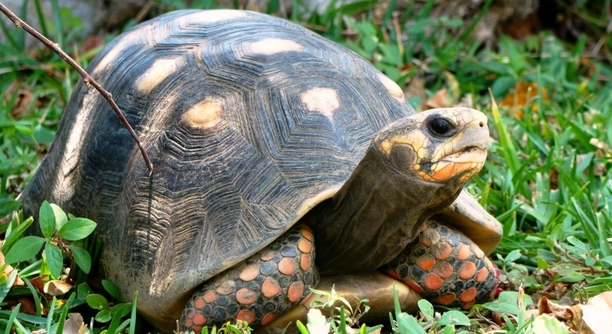
Red-footed tortoises are herbivores, so their diet mostly includes plants, fruits, and vegetables. Mushrooms are occasionally offered as part of their food, but they need to be given in moderation.
Red-footed tortoises can safely eat mushrooms in small amounts. However, certain varieties of mushrooms can be toxic to tortoises, so it is important to avoid wild mushrooms and only offer store-bought varieties that are safe for consumption.
Understanding which mushrooms are safe and which to avoid will help keep your tortoise healthy. Be sure to learn more about their specific dietary needs.
Are Mushrooms Safe for Red-Footed Tortoises?
Mushrooms can be a tricky food to offer red-footed tortoises. While some types are safe in small amounts, others can be harmful, leading to potential health issues. For example, store-bought mushrooms, like white button mushrooms, are generally safe. However, wild mushrooms are a completely different story. Wild mushrooms can be toxic to your tortoise and should be avoided entirely. Always ensure that the mushrooms you provide are non-toxic and safe for reptiles. You may want to limit mushrooms to occasional treats, rather than regular meals. This approach will ensure your tortoise stays healthy and safe.
It’s always best to provide mushrooms that are store-bought and specifically labeled as safe for reptiles. Wild mushrooms can be very difficult to identify, and some can be extremely toxic.
Mushrooms have some nutritional value, such as providing moisture and small amounts of fiber. While they’re not a staple food for red-footed tortoises, they can be part of a balanced diet. Tortoises need a variety of foods, including leafy greens, fruits, and vegetables, so mushrooms should only be given sparingly. Additionally, if you’re unsure about the safety of a particular mushroom, it’s always better to err on the side of caution and avoid offering it. This can help prevent any health risks related to poisoning or digestive issues. Keep an eye on your tortoise’s overall diet and offer mushrooms as an occasional treat.
What to Avoid When Feeding Red-Footed Tortoises Mushrooms
When offering mushrooms, it’s essential to know what to avoid. The primary concern is wild mushrooms, which can vary in toxicity. Always stick to safe, store-bought options to ensure your tortoise’s health.
Aside from avoiding wild mushrooms, it’s also essential to avoid feeding them mushrooms that are too high in moisture content or that contain certain harmful chemicals. Some mushrooms may have compounds that are hard for tortoises to digest, potentially causing gastrointestinal issues. Even safe mushrooms should be given in moderation to avoid digestive upset.
Can Mushrooms Be a Regular Part of Their Diet?
Mushrooms should not be a regular part of a red-footed tortoise’s diet. They can be offered occasionally, but it’s important to prioritize other foods that are more beneficial to their health. Overfeeding mushrooms can lead to nutritional imbalances.
While mushrooms do offer some benefits, like moisture and small amounts of vitamins, they lack the necessary nutrients that tortoises need for long-term health. Leafy greens, fruits, and high-fiber vegetables should be their main food sources. Mushrooms are best given as a treat, not a daily food item. Overconsumption can lead to digestive issues, so keep the serving size small and infrequent.
Red-footed tortoises thrive on a balanced diet that closely resembles their natural habitat. In the wild, they consume a variety of plants, including grasses, fruits, and flowers, which provide a diverse range of nutrients. Mushrooms simply don’t offer enough variety or nutritional value to be a staple. Stick to the basics for your tortoise’s daily meals, using mushrooms only as a rare addition.
How to Safely Introduce Mushrooms to Their Diet
Before adding mushrooms to a red-footed tortoise’s diet, it’s important to ensure they’re safe. Only offer store-bought, safe varieties, and introduce them gradually to avoid any digestive upset. Watch for signs of intolerance.
Introducing mushrooms slowly allows you to monitor how your tortoise reacts. If they show signs of discomfort or unusual behavior, it’s best to remove them from their diet. Start with very small portions and observe their overall health. Any changes in stool consistency or appetite should be taken seriously. In some cases, mushrooms might cause mild stomach upset, but this typically resolves when they’re removed from the diet.
While mushrooms can offer a small variety of nutrients, they should never be the star of your tortoise’s meals. They can be treated as an occasional snack or added to a salad mix once in a while. Keeping track of your tortoise’s health and making gradual changes will ensure their well-being. If you’re uncertain, always consult a reptile vet for advice before introducing new foods.
Potential Risks of Feeding Mushrooms
Mushrooms can pose risks if not handled properly. Some varieties contain harmful toxins that can be dangerous for red-footed tortoises. Always stick to safe, store-bought mushrooms to reduce any risks of poisoning.
If wild mushrooms are consumed, the risk of poisoning increases. These mushrooms can contain harmful substances that may affect your tortoise’s digestive system or cause more severe reactions. It’s best to avoid any mushroom that hasn’t been verified as safe. Even store-bought mushrooms should be given in moderation to avoid any potential upset in digestion.
Signs of Mushroom Toxicity in Tortoises
Watch for symptoms of mushroom toxicity if you’ve accidentally fed your tortoise a harmful variety. Symptoms may include lethargy, loss of appetite, or gastrointestinal issues like diarrhea. If any of these occur, seek immediate veterinary assistance.
Mushrooms contain toxins that may not immediately show symptoms. Some signs of poisoning take hours to develop. The first sign is often a sudden lack of energy or refusal to eat. If these symptoms appear, removing mushrooms from their diet immediately is crucial, and a veterinarian should be consulted to prevent further health complications.
Best Mushroom Varieties for Red-Footed Tortoises
The best mushroom varieties for red-footed tortoises are common store-bought types, such as white button mushrooms. These mushrooms are considered safe in small portions. Always ensure they are fresh and pesticide-free before offering them.
Fresh white button mushrooms are widely available and generally safe for tortoises. Avoid giving them mushrooms from a can, as these may contain added preservatives or salt that could harm your tortoise. Stick to natural, whole mushrooms and remove any stems or parts that could be difficult for your tortoise to digest.
FAQ
Can red-footed tortoises eat mushrooms every day?
Mushrooms should not be a daily food item for red-footed tortoises. While they are safe in small amounts, they don’t provide enough nutritional value to be a regular part of their diet. Red-footed tortoises thrive on a varied diet of leafy greens, fruits, and vegetables. Mushrooms should only be an occasional treat.
Are all mushrooms safe for red-footed tortoises?
No, not all mushrooms are safe for red-footed tortoises. Wild mushrooms, in particular, can be very dangerous and toxic. It’s essential to only offer store-bought mushrooms that are safe for reptiles. Even with store-bought varieties, moderation is key. Certain mushrooms contain compounds that may be harmful if consumed in large quantities.
What types of mushrooms are safe for red-footed tortoises?
The safest mushrooms for red-footed tortoises are those that are commonly available in grocery stores, such as white button mushrooms. These types are generally safe when given in small portions. Avoid any mushrooms that are wild, as they can contain toxins that are harmful to your tortoise’s health.
How much mushroom can I feed my red-footed tortoise?
Mushrooms should be offered in small quantities—about the size of your tortoise’s head once or twice a week. Offering too much could lead to digestive problems or nutritional imbalances. Always ensure the mushrooms are fresh, free of pesticides, and cut into manageable pieces for your tortoise.
Can mushrooms cause digestive problems for red-footed tortoises?
Yes, mushrooms can cause digestive issues if consumed in excess. They are not a primary food source for red-footed tortoises and should only be given as a treat. Too many mushrooms can lead to soft stools, diarrhea, or bloating. Always watch for signs of discomfort and remove mushrooms if any issues arise.
Are mushrooms nutritious for red-footed tortoises?
Mushrooms contain small amounts of vitamins, minerals, and moisture, which can be beneficial for hydration. However, they don’t offer significant nutritional value compared to other foods like leafy greens, fruits, and vegetables. They can be a supplementary addition but should not replace more nutrient-dense foods in your tortoise’s diet.
What signs should I watch for if my tortoise eats toxic mushrooms?
If your tortoise consumes a toxic mushroom, it may show symptoms like lethargy, vomiting, diarrhea, or loss of appetite. In severe cases, they may experience tremors or difficulty moving. If any of these signs appear, contact a veterinarian immediately. Quick action can prevent more serious consequences.
Can I feed my red-footed tortoise mushrooms that are cooked?
It’s best to feed your tortoise raw mushrooms. Cooking mushrooms can change their nutritional content and make them harder for your tortoise to digest. Additionally, cooking may introduce seasonings or oils that are not suitable for your tortoise. Always feed mushrooms in their natural, raw form for maximum safety.
Is it safe to feed red-footed tortoises mushrooms from my yard?
Mushrooms from your yard should be avoided unless you are absolutely certain they are safe for your tortoise. Wild mushrooms can be difficult to identify, and many contain toxins that are harmful to reptiles. Stick to store-bought varieties to ensure you are offering a safe food option for your tortoise.
Can mushrooms help hydrate my red-footed tortoise?
Yes, mushrooms can help with hydration because they contain a high amount of water. However, they should not be relied upon as a primary source of hydration. Make sure your tortoise always has access to fresh water, and provide other hydrating foods, like leafy greens and fruits, to meet their needs.
Can mushrooms be a part of a balanced diet for red-footed tortoises?
Mushrooms should be seen as a supplemental treat rather than a key component of your tortoise’s balanced diet. A healthy diet for red-footed tortoises includes a variety of fresh greens, vegetables, and fruits. Mushrooms can be added occasionally but shouldn’t make up a significant portion of their meals.
What should I do if my tortoise refuses to eat mushrooms?
If your tortoise refuses mushrooms, it’s completely fine. Tortoises, like all animals, have individual preferences. If your tortoise isn’t interested in mushrooms, you can simply offer other fruits or vegetables that are safe for them. Don’t worry if they turn down mushrooms, as there are plenty of other nutritious options to choose from.
How do I know if the mushrooms I buy are safe for my tortoise?
When buying mushrooms, always choose fresh, store-bought varieties, such as white button mushrooms, that are commonly found in supermarkets. Avoid pre-cooked, canned, or seasoned mushrooms, as they may contain harmful additives. If you’re unsure, consult with a veterinarian who specializes in reptiles for guidance on safe food options.
Final Thoughts
Feeding red-footed tortoises mushrooms can be done safely, but it requires caution. Not all mushrooms are safe, and some can even be toxic to these reptiles. It’s important to stick to mushrooms that are commonly found in grocery stores, like white button mushrooms. Wild mushrooms should never be offered, as they can contain harmful toxins that could pose serious health risks. Even with store-bought mushrooms, they should only be given in small amounts, as they don’t offer the necessary nutritional balance for your tortoise. Offering mushrooms as an occasional treat is best, rather than a regular part of their diet.
Mushrooms should be treated as a supplementary food item for red-footed tortoises, not a staple. A healthy diet for your tortoise should consist mainly of fresh leafy greens, vegetables, and fruits. These foods provide the vitamins, minerals, and fiber that tortoises need for proper digestion and overall health. Mushrooms can provide some hydration and trace nutrients but lack the essential dietary components that tortoises need in their daily meals. Therefore, while mushrooms are safe in moderation, they should never replace other key components of your tortoise’s diet.
Always observe your tortoise for any signs of discomfort or digestive issues after feeding them mushrooms. If your tortoise experiences any negative reactions, like lethargy, diarrhea, or lack of appetite, it’s best to discontinue offering mushrooms and consult a veterinarian. Keeping a balanced and varied diet for your red-footed tortoise will ensure they remain healthy and happy. Mushrooms can be an enjoyable treat but should always be given with care and moderation.

Hello,
If you enjoy the content that we create, please consider saying a "Thank You!" by leaving a tip.
Every little bit helps us continue crafting quality advice that supports the health, happiness, and well-being of pets around the world, for pets of all shapes, sizes, and species.
We really appreciate the kindness and support that you show us!