
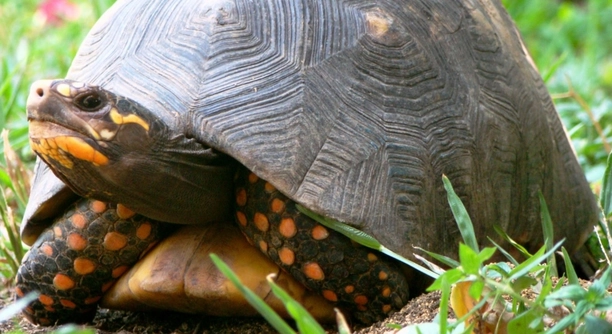
Bringing a red-footed tortoise into your home can be an exciting experience. However, adjusting to a new environment can be stressful for your pet. Here are seven tips to help make the transition smoother for your tortoise.
To help your red-footed tortoise adjust to a new home, it’s important to provide a stable environment. Set up a proper enclosure with consistent temperature, humidity, and proper lighting. Gradually introduce your tortoise to its new space to reduce stress.
The right habitat and care can make all the difference in your tortoise’s comfort and well-being. Keep reading to learn the best ways to support your pet’s adjustment to its new home.
1. Set Up a Proper Enclosure
Creating the right environment is key for your red-footed tortoise’s comfort. They need a spacious enclosure with plenty of room to move. A terrarium or outdoor pen with a secure lid is ideal, as they are known to be good climbers. Make sure the enclosure has areas to hide, as this helps reduce stress. Provide bedding like coconut husk or aspen shavings to mimic natural conditions. Additionally, add rocks or logs to provide climbing opportunities.
Your tortoise also needs access to a clean water source for drinking and soaking. Ensure the water is shallow enough so your pet can comfortably enter and exit. A shallow dish or pool works well.
Lastly, the enclosure should be kept in a location where temperature and humidity levels can be controlled. Keep it between 75°F and 85°F during the day, and slightly cooler at night. This consistency will help your tortoise feel secure and settled.
2. Gradually Introduce New Surroundings
Changes in a tortoise’s environment can be overwhelming. To help reduce stress, ease them into their new space. When moving your red-footed tortoise, avoid rushing the process. Let them explore at their own pace without forcing them to interact with the new setup immediately.
A sudden change can make your pet nervous, leading to hiding or lack of eating. Allow them to adjust to the enclosure by giving them time to familiarize themselves with their surroundings. Keep the lights dim and let them explore when they feel comfortable.
This method will help create a sense of safety, making your tortoise feel more at ease in its new home. A gentle approach will lead to quicker adaptation and less stress for your pet.
3. Maintain Consistent Temperature and Humidity
Temperature and humidity are critical for your red-footed tortoise’s health. They need a warm environment during the day, ideally around 80°F to 85°F. At night, temperatures should drop slightly to around 70°F. Keeping the enclosure warm and humid will help your tortoise adjust and thrive.
Humidity should be maintained at around 70-80%. To achieve this, mist the enclosure regularly or use a humidifier if necessary. This helps replicate the tortoise’s natural habitat, where it lives in humid, tropical conditions. If humidity is too low, your tortoise may become dehydrated, affecting its health.
Use a thermometer and hygrometer to keep track of the temperature and humidity levels. Make adjustments when necessary, such as adding a heat lamp or adjusting ventilation. By monitoring these factors, you can create a stable environment that will help your red-footed tortoise feel more comfortable in its new home.
4. Provide a Balanced Diet
A proper diet is essential to your red-footed tortoise’s health and adjustment. These tortoises are omnivores, so they need a mix of leafy greens, fruits, and occasional protein like insects. A varied diet ensures that your tortoise gets the nutrients it needs to feel healthy and strong.
You can feed your tortoise dark, leafy greens like dandelion, collard greens, or mustard greens. Fruits like papaya, mango, and berries can also be given, but they should be offered in moderation to avoid obesity. Protein sources such as worms, snails, or cooked eggs can also be included in their diet.
Be sure to wash all food thoroughly to remove any pesticides or chemicals. Offering fresh, clean food will help your tortoise adjust quickly and stay healthy in its new home. A well-balanced diet can also help with its overall mood and energy levels as it settles in.
5. Offer Hiding Spots and Safe Spaces
Providing hiding spots in your tortoise’s enclosure helps them feel secure. Use logs, rocks, or artificial caves to create areas where your tortoise can retreat when it feels stressed or overwhelmed. These spots mimic natural shelters and help reduce anxiety.
Having a quiet, dark place to retreat to allows your tortoise to rest properly. Avoid disturbing them while they’re in these safe spaces. By providing these areas, your pet will feel more at home and less anxious about its new environment.
6. Minimize Stress and Noise
Stress can significantly affect a tortoise’s ability to adjust. Try to keep noise levels down and avoid sudden movements around their enclosure. Keeping your home calm and quiet will give your tortoise the peace it needs to feel comfortable.
Allow your tortoise time to explore without being constantly handled. This way, they can adapt at their own pace, without additional pressure or discomfort. If your home is busy, try to place the enclosure in a quieter area.
7. Monitor Health and Behavior
Keep an eye on your red-footed tortoise’s health and behavior during the adjustment period. Monitor their eating habits, activity levels, and any changes in behavior. These can indicate whether they’re settling in or if there’s an issue with their environment.
If you notice any signs of distress, such as not eating or excessive hiding, check the temperature, humidity, and diet to ensure they’re appropriate. It’s also helpful to have a vet familiar with reptiles for regular check-ups. Monitoring your tortoise will help you address issues quickly and ensure a smoother transition.
FAQ
How long will it take for my red-footed tortoise to adjust to its new home?
The adjustment period for a red-footed tortoise can vary depending on the individual. Some may take a few days, while others might need several weeks to feel completely comfortable. During this time, focus on maintaining stable environmental conditions and minimizing stress. It’s important to be patient and allow your tortoise to explore its new space at its own pace. As long as you are providing the proper habitat, they will eventually settle in. Keep an eye on their eating habits and behavior as signs of stress or comfort.
Can I handle my red-footed tortoise during the adjustment period?
It’s best to minimize handling during the first few weeks after bringing your tortoise home. Handling can add stress and make it more difficult for your pet to adjust. Let them get familiar with their environment without pressure. Once your tortoise starts eating regularly, moving around, and showing signs of comfort, you can start gentle handling. Always approach them calmly and avoid sudden movements. Too much interaction too soon can disrupt their ability to settle.
What should I do if my red-footed tortoise isn’t eating after moving?
Loss of appetite in a tortoise can be a sign of stress from the move. Ensure the temperature and humidity in the enclosure are appropriate. If the conditions are right and your tortoise still isn’t eating, try offering a variety of foods to stimulate their appetite. You can offer fresh leafy greens, fruits, or even small amounts of protein. If they continue to refuse food for more than a week, it’s important to consult a vet who specializes in reptiles to rule out any underlying health issues.
How can I tell if my red-footed tortoise is stressed?
Signs of stress in a red-footed tortoise can include hiding more than usual, not eating, or being unusually inactive. If they are pacing around the enclosure or attempting to escape, it may indicate that they are not comfortable in their new environment. Stress can also show as excessive scratching or digging in the enclosure. Providing more hiding spots and making sure the temperature and humidity are stable will help minimize these behaviors. If stress persists, evaluate the environment and ensure the tortoise is not being overhandled.
Is it safe to let my red-footed tortoise roam around my home?
It’s generally not recommended to let your red-footed tortoise roam freely in your home. Tortoises can get into dangerous situations, such as getting trapped in small spaces or being exposed to chemicals, sharp objects, or electrical cords. It’s important to supervise any time outside the enclosure, but ideally, they should be in a secure, safe space. If you want to let them roam, make sure the area is completely safe and free from hazards. Enclosures with larger space are a safer option for your tortoise to explore and move around.
What temperature and humidity levels should I maintain for my red-footed tortoise?
Red-footed tortoises need a warm environment to thrive. The daytime temperature should be between 80°F and 85°F, while the night temperature can drop to around 70°F. Humidity should be maintained at 70-80%, as these tortoises are native to tropical, humid areas. You can achieve this by using a heat lamp during the day and a humidifier or regular misting to keep humidity levels stable. It’s essential to monitor these conditions regularly with a thermometer and hygrometer to ensure they are within the optimal range.
Can I keep my red-footed tortoise outside?
Yes, you can keep a red-footed tortoise outside, but only if you live in a warm climate with minimal temperature fluctuations. They enjoy being outside in natural sunlight, which helps with their overall health. However, ensure that the enclosure is secure, and that the tortoise is protected from predators and extreme weather. It’s also important to have access to shaded areas where the tortoise can retreat to avoid overheating. If you live in a cooler climate, it’s better to keep them indoors or provide an outdoor enclosure with a controlled environment.
What should I do if my red-footed tortoise is not using its water dish?
Some tortoises may initially avoid using their water dish, especially in a new environment. Try placing the dish in a different location or using a shallower container. You can also gently soak your tortoise in lukewarm water for about 15-20 minutes, which will encourage hydration. This also allows the tortoise to hydrate in a more natural way. Ensure that fresh water is available daily, and if the lack of interest in the water dish continues, consider consulting a vet to check for any health concerns.
Can I house my red-footed tortoise with other species?
It’s best to house your red-footed tortoise alone. While some tortoises can cohabitate with others of the same species, mixing different species can lead to stress, fighting, or spread of disease. Red-footed tortoises are territorial and may not get along well with others, especially in smaller enclosures. Keeping them in their own space will help reduce stress and allow them to thrive in a secure, comfortable environment. If you want to keep multiple reptiles, ensure they have separate enclosures to avoid territorial conflicts.
How often should I clean my red-footed tortoise’s enclosure?
Regular cleaning of the tortoise’s enclosure is crucial for their health. Spot clean daily by removing any waste or uneaten food. Once a week, do a more thorough cleaning by removing all the bedding and washing the entire enclosure with reptile-safe disinfectant. Make sure to rinse and dry everything thoroughly before putting it back. This will help maintain a healthy environment and reduce the risk of bacterial growth. If you’re using a water dish, be sure to clean it daily to avoid mold or algae buildup.
What are the signs that my red-footed tortoise is healthy?
A healthy red-footed tortoise will have clear, bright eyes and smooth, undamaged skin. They should be active, moving around their enclosure regularly, and eating well. A healthy tortoise will also have a firm, rounded shell and should be free from any discharge or abnormal growths. If your tortoise is showing signs of lethargy, unusual behavior, or physical changes, it may indicate an underlying health problem. Regular check-ups with a reptile vet will help ensure your tortoise stays in good health.
Final Thoughts
Adjusting to a new home can be a stressful experience for a red-footed tortoise, but with the right care, they can quickly settle in and thrive. It’s essential to create an environment that mimics their natural habitat, which includes the right temperature, humidity, and hiding spaces. Providing a secure and quiet space allows them to feel comfortable and reduces stress during the transition. A proper diet is also crucial, as it helps support their health and energy levels during this period of change.
Patience is key when helping your red-footed tortoise adjust. These animals are naturally slow and steady, and rushing the process can cause unnecessary stress. It’s important to allow them time to explore and get comfortable with their new surroundings at their own pace. Handling them too soon or too often can make them feel overwhelmed. Instead, focus on maintaining a stable environment and providing the proper care. Your tortoise will gradually start to feel more at home once it gets used to its new space and routine.
Taking these steps to ensure your tortoise’s comfort and well-being will set the foundation for a happy, healthy life. Monitor their behavior, eating habits, and activity levels to catch any potential issues early on. Regular check-ups with a vet can also help keep them in good health. With proper attention and care, your red-footed tortoise will adjust to its new home and live a long, fulfilling life.

Hello,
If you enjoy the content that we create, please consider saying a "Thank You!" by leaving a tip.
Every little bit helps us continue crafting quality advice that supports the health, happiness, and well-being of pets around the world, for pets of all shapes, sizes, and species.
We really appreciate the kindness and support that you show us!