
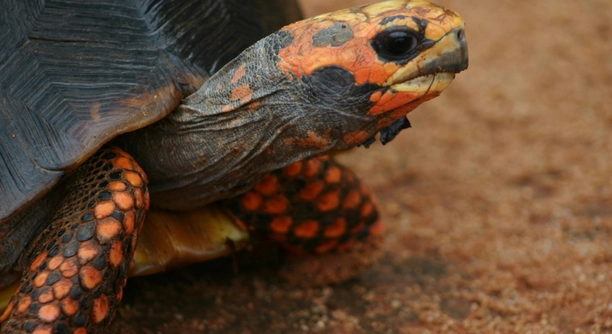
A red-footed tortoise may bang its shell against objects for various reasons. Understanding this behavior can help you better care for your pet and ensure its well-being. It’s important to recognize the cause of this action.
The most common reason for this behavior is that your tortoise is trying to communicate, either out of curiosity, frustration, or by asserting dominance. Environmental factors, like inadequate space or stimulation, can also contribute to this behavior.
Addressing these concerns will help create a healthier and more comfortable environment for your red-footed tortoise, ensuring its happiness and well-being.
Why Red-Footed Tortoises Bang Their Shells
Red-footed tortoises often bang their shells as a way to communicate. This behavior can happen when they feel threatened, frustrated, or want attention. In some cases, it might be an attempt to escape from a confined space. Their shells are hard, so they may use them to make noise, especially if they are in a stressful or stimulating environment. It’s important to observe their surroundings to determine whether something is causing discomfort or stress. Often, the banging occurs in response to a lack of stimulation or appropriate space, which leads to behavioral issues.
Tortoises need space to move and explore. When their environment feels restricted, they may act out by banging their shells against objects. A larger enclosure can help reduce these behaviors and provide them with room to roam freely.
Ensure that your tortoise has a stimulating environment with both physical and mental enrichment. Adding hiding spots, rocks, and other elements can help alleviate frustration. Also, make sure the enclosure is large enough for them to feel secure and comfortable. Red-footed tortoises are naturally curious and need regular interaction with their surroundings to thrive.
How to Prevent Shell Banging
To prevent shell banging, consider adjusting your tortoise’s habitat. Regularly check if the space is large enough and provides adequate shelter. Adding different textures and safe objects for climbing can make a big difference.
Providing an appropriate enclosure that mimics their natural habitat is crucial. Red-footed tortoises thrive in areas with varied textures, hiding spaces, and appropriate temperatures. A well-maintained enclosure helps ensure your pet’s safety and reduces stress. Tortoises often display this behavior when they feel trapped or bored. If you notice your tortoise banging its shell, it’s essential to review its environment and make necessary changes. Shell banging is often a sign that the tortoise is seeking more interaction or stimulation. Offering a more enriched space can help reduce frustration and improve their overall well-being. Additionally, avoid overcrowding the space and ensure there are spots where the tortoise can retreat for rest.
A balanced environment with enough room and stimulation will make a significant difference in your red-footed tortoise’s behavior and happiness.
Space and Environment
Providing enough space is key to reducing shell banging. Tortoises need room to roam, explore, and feel safe. If their enclosure is too small, they may get frustrated and act out. A spacious setup helps minimize stress and provides a healthier environment.
A proper enclosure should give your tortoise plenty of room to move around. Too often, owners make the mistake of using small tanks or pens that don’t allow for much movement. Your red-footed tortoise will thrive in an environment that offers various areas to explore, including corners for hiding. Make sure the space also allows them to bask in the sun or under a heat lamp to maintain the right temperature. If your tortoise feels confined or restricted, it’s likely to show signs of frustration.
Changing the layout regularly is also beneficial. Red-footed tortoises are naturally curious, so rearranging their environment can provide new mental stimulation. You can add different textures, such as logs or plants, to encourage movement and exploration. The more you create a dynamic environment, the less likely your tortoise is to bang its shell out of frustration.
Temperature and Humidity
Temperature and humidity are crucial factors in your tortoise’s comfort. If the environment is too hot or cold, or if the humidity is not regulated, your tortoise may act out. Consistent conditions are necessary for their health and behavior.
Red-footed tortoises require a warm, humid environment to stay healthy. Maintaining a temperature gradient within their enclosure will allow them to regulate their body temperature naturally. Ensure there is a basking area where the temperature is higher than the rest of the space, and provide a cooler area for them to retreat. Humidity also plays a major role, as these tortoises come from tropical areas. Using a humidifier or misting the enclosure daily can help maintain the correct humidity levels. Without proper conditions, tortoises may become stressed and exhibit behaviors like shell banging.
By keeping the right temperature and humidity levels, you not only improve your tortoise’s comfort but also prevent stress-related behaviors. If these conditions are neglected, your tortoise may become more agitated, leading to physical signs such as shell banging or aggressive behavior. Regular monitoring of these factors will help maintain a healthy environment that keeps your red-footed tortoise happy and active.
Socialization
Red-footed tortoises are social animals that enjoy interaction. If they are left alone for too long, they may start banging their shell as a way to seek attention. Social stimulation is important for their well-being and mental health.
Regular interaction with your tortoise can help curb shell banging. Spend time with them daily, letting them roam in a safe, enclosed space outside their habitat. Offering treats or allowing them to explore new environments helps keep them mentally stimulated. Without this regular socialization, they may express their frustration by banging against objects. Keep in mind, that tortoises also enjoy companionship, so having another tortoise can also be beneficial.
Diet and Health
A well-balanced diet is vital for your tortoise’s overall health and behavior. Poor nutrition can lead to stress, which may trigger shell banging. Feeding them the right variety of vegetables and fruits keeps them healthy and active.
In addition to providing the right foods, make sure your tortoise is getting the necessary vitamins and minerals. A lack of calcium, for example, can cause health problems that lead to abnormal behaviors. Supplementing their diet with calcium powder, if needed, helps prevent such issues. A nutritious, well-balanced diet will support their physical and mental health. When your tortoise feels good, its behavior improves, and shell banging is less likely to occur.
Enrichment
Enrichment is a key part of keeping your tortoise happy. Boredom can cause frustration, leading to behaviors like shell banging. Providing different types of stimulation will keep your red-footed tortoise engaged.
Adding new textures, objects, and hiding spots within the enclosure can help keep your tortoise entertained. Tortoises enjoy foraging, so scatter food around their habitat to encourage them to search for it. Offering climbing structures, like rocks or logs, allows them to exercise and explore. A well-enriched environment not only reduces boredom but also promotes physical health. Without enough stimulation, tortoises may resort to banging their shells to express their frustration.
FAQ
Why does my red-footed tortoise keep banging its shell against the wall?
Tortoises often bang their shells when they feel stressed, confined, or frustrated. This behavior can be a sign that your tortoise needs more space, mental stimulation, or a change in its environment. Lack of interaction or a restricted living area are common triggers. If your tortoise’s enclosure is too small, or if it’s not provided with enough enrichment, it may start banging its shell against objects in an attempt to get attention or express discomfort.
How can I stop my tortoise from banging its shell?
To prevent shell banging, ensure your tortoise has enough space to move around and explore. Red-footed tortoises are naturally curious, so they need a larger enclosure that allows them to roam freely. Regular interaction and environmental enrichment, like adding climbing structures or hiding spots, can also help reduce frustration. Adjusting the temperature and humidity levels to match their natural habitat is important too. Keeping their living space clean and ensuring that they are fed a proper diet also plays a role in their overall comfort and behavior.
Is shell banging a sign that my tortoise is unhappy?
Yes, shell banging can indicate that your tortoise is not happy with its current living conditions. Tortoises often use this behavior to express stress, frustration, or discomfort. If they are not given enough space to move around, or if their enclosure lacks variety or stimulation, they may bang their shells. Social interaction is also important, so if your tortoise is left alone for too long, it may start displaying this behavior as a cry for attention.
Can my tortoise hurt itself by banging its shell?
While a red-footed tortoise’s shell is strong, repetitive banging could cause harm over time, especially if it leads to stress-related health issues. Shell banging might not cause immediate injury, but it can result in long-term negative effects on your tortoise’s mental and physical health. Prolonged stress can weaken its immune system and lead to other health problems. Creating a more comfortable environment and reducing stress factors will help prevent this behavior and ensure your tortoise stays healthy.
How much space does my red-footed tortoise need?
Red-footed tortoises require a spacious enclosure to move around freely. The minimum recommended space for a single tortoise is around 8 square feet, but larger enclosures are always better. The more space your tortoise has, the less likely it is to feel confined and stressed. Ideally, the enclosure should have both a basking area and cooler areas to allow your tortoise to regulate its body temperature naturally. You should also include different textures and climbing areas to make the environment more stimulating.
How often should I interact with my tortoise?
Tortoises benefit from regular interaction. Try to spend at least 30 minutes to an hour each day with your red-footed tortoise. Let it explore new areas or simply move around in a safe, open space. Interaction doesn’t always have to mean physical contact; you can allow your tortoise to roam in a secure area or engage it by offering food or new objects in its enclosure. This helps prevent boredom and reduces stress-related behaviors like shell banging.
What should I feed my red-footed tortoise?
A balanced diet is key to your tortoise’s health and behavior. Red-footed tortoises are herbivores, and their diet should consist mainly of leafy greens, fruits, and some flowers. Kale, collard greens, and dandelion greens are good options. Fruits like papaya, mango, and berries are healthy treats in moderation. They also need a source of calcium to maintain their shell strength, so consider supplementing their diet with calcium powder. Avoid feeding them high-protein foods, as this can cause health problems.
Does temperature affect my tortoise’s behavior?
Yes, temperature plays a significant role in your tortoise’s behavior. Red-footed tortoises thrive in warm, humid conditions. If the temperature in their enclosure is too high or too low, they can become stressed and may start to act out, including shell banging. Ensure there is a basking area with a temperature of 85-90°F and a cooler area of around 75°F. Use a thermometer and humidity gauge to maintain a consistent environment. Proper temperature control helps keep your tortoise healthy and reduces stress.
How can I tell if my tortoise is stressed?
Signs of stress in tortoises include shell banging, hiding excessively, refusal to eat, or becoming more aggressive than usual. If your tortoise is consistently moving around its enclosure and making noise, it may be stressed. You may also notice it pacing or repeatedly bumping into objects. If you observe these signs, it’s important to assess its environment and make necessary changes, such as increasing space, adjusting temperature or humidity, or providing more enrichment.
Can my red-footed tortoise live with another tortoise?
Red-footed tortoises can live with other tortoises, but it’s important to monitor their interactions closely. They are not as territorial as some other species, but they may still have occasional squabbles. When introducing two tortoises, make sure both have enough space and that the enclosure is large enough to accommodate both. If you notice any aggressive behavior, separate them and reassess their living conditions. It’s also a good idea to ensure both tortoises are of similar size to prevent bullying.
What is the best way to enrich my tortoise’s habitat?
To keep your tortoise engaged, provide a variety of textures and objects in its habitat. Add rocks, logs, or branches for climbing and hiding. You can also place leaves, plants, or cardboard tubes for them to explore. Scattering food around the enclosure encourages foraging behavior. Additionally, rotating objects in the enclosure every few weeks can keep the environment fresh and stimulating for your tortoise. A well-enriched habitat helps reduce the likelihood of stress-related behaviors, such as shell banging.
Can I use a smaller enclosure for a baby red-footed tortoise?
Baby red-footed tortoises can be kept in a smaller enclosure, but they will still require enough space to move and explore. As they grow, their space needs will increase. A smaller enclosure may be fine temporarily for a baby, but once they grow, they will need a much larger area. Even as babies, they benefit from a varied environment with climbing structures, hiding places, and a temperature gradient. Proper space from the beginning will ensure they develop into healthy, happy adults.
Final Thoughts
Understanding why your red-footed tortoise may be banging its shell against objects is important for both its well-being and your peace of mind. This behavior is often a sign of stress, frustration, or discomfort, and it is essential to address the underlying causes. Tortoises are naturally curious animals, and their environment plays a significant role in their behavior. A proper habitat with enough space, mental stimulation, and the right temperature is key to reducing stress. Ensuring that your tortoise feels secure and comfortable will help it thrive.
Addressing the issue of shell banging involves making adjustments to your tortoise’s environment. One of the first steps is to provide more space. A cramped enclosure can make your tortoise feel trapped, leading to repetitive behaviors like shell banging. Additionally, adding climbing structures, hiding spots, and more natural elements to the enclosure can help keep your tortoise mentally engaged. Offering a variety of textures and objects will allow it to explore and keep its curiosity satisfied. Regular interaction and creating an enriching environment can also help prevent boredom and reduce unwanted behaviors.
Lastly, it is crucial to regularly assess your tortoise’s health and living conditions. Temperature and humidity control should not be overlooked, as they have a direct impact on your tortoise’s behavior and overall health. Ensure the enclosure has a proper temperature gradient to allow your tortoise to regulate its body temperature naturally. With these changes, your red-footed tortoise should begin to exhibit less stress and more positive behavior. By providing a suitable environment, you will help your tortoise live a healthier, happier life.

Hello,
If you enjoy the content that we create, please consider saying a "Thank You!" by leaving a tip.
Every little bit helps us continue crafting quality advice that supports the health, happiness, and well-being of pets around the world, for pets of all shapes, sizes, and species.
We really appreciate the kindness and support that you show us!