
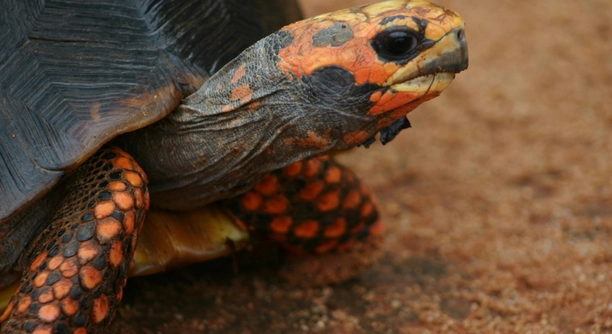
When caring for a red-footed tortoise, recognizing signs that it’s ready to lay eggs can be challenging. Monitoring their behavior and environment can provide clues to when this natural event may occur.
Red-footed tortoises display specific behaviors when they are preparing to lay eggs. They will often dig in their enclosure, show increased activity, and seek out secluded, quiet spots. These signs indicate that egg-laying is imminent.
Recognizing these signs will ensure a smoother process for both you and your tortoise. Knowing what to look for allows you to provide the necessary environment for your pet.
Recognizing Behavioral Changes in Your Red-Footed Tortoise
As your red-footed tortoise approaches the time to lay eggs, you’ll notice several behavioral shifts. The most obvious is a change in activity. A tortoise that is usually calm may begin pacing, showing signs of restlessness, and even becoming more aggressive. This is often accompanied by digging behavior, as they instinctively start to prepare a place to bury their eggs. Another key sign is a lack of interest in food. While not all tortoises will exhibit this, some may lose their appetite as they focus on preparing for egg-laying. This phase may last for several days, but it’s essential to provide an environment where your tortoise can feel safe and secure during this time. The presence of a nesting area or a specific spot for digging will increase the chances of a smooth process.
A noticeable change in behavior is often the first sign that your tortoise is preparing to lay eggs. This could include increased movement, digging, and seeking secluded areas.
Make sure the enclosure has enough space and suitable nesting materials for your tortoise to dig. A proper nesting area is essential for a healthy egg-laying process, so it’s crucial to create the right environment. Keeping the temperature stable and ensuring adequate humidity also plays a significant role in helping your tortoise feel comfortable during this stage. Some tortoises may also become more reclusive, retreating to a quiet corner of their habitat. If your tortoise shows these behaviors, it’s best to give them the time and space they need to lay eggs. Avoid disrupting their routines and be mindful of their need for privacy.
Creating the Right Environment for Egg Laying
Providing the ideal conditions for egg-laying is key to a successful outcome. Ensure that your tortoise has access to a secluded, quiet area for nesting.
Maintaining the right temperature and humidity is crucial to encourage your tortoise to lay eggs successfully. Keep the habitat between 75-85°F (24-29°C) with a humidity level of about 60%. Too much heat or cold can prevent egg-laying altogether. A shallow, soft substrate like soil, sand, or a mixture of both is perfect for digging. This provides the right conditions for your tortoise to create a nest. Also, make sure the enclosure is spacious enough for your tortoise to move freely. When preparing the habitat, avoid adding any unnecessary items that could make the space feel cramped. Privacy is essential, as tortoises are sensitive creatures and prefer solitude during egg-laying. Keep the enclosure as calm and undisturbed as possible to reduce stress. Be patient, as this process can take several days, and your tortoise may need extra time to find the right spot to lay eggs.
Monitoring for Signs of Egg-Laying
Keep an eye on your tortoise’s behavior as she nears egg-laying. You might notice that she spends more time digging and appears restless. This is a strong indication that egg-laying is imminent.
When these signs are observed, it’s important to check her enclosure frequently. Your red-footed tortoise will likely start digging in the soft substrate to create a nesting hole. This may happen during the night or early morning, so monitor her at different times of the day. Ensure the nesting area is kept clean and that there are no disturbances. Also, make sure she has enough space to dig comfortably. If she seems overly stressed or doesn’t want to dig, this might indicate an issue with the environment, such as an inappropriate temperature or substrate.
If your tortoise is showing these signs, she is probably ready to lay eggs. A calm, quiet environment is essential to help her through this process.
Checking for Physical Changes
A key sign that your red-footed tortoise is ready to lay eggs is physical changes. You may notice her becoming rounder in the abdomen area, especially around the back. This is a clear indication of egg development.
As she gets closer to laying, she might appear less active. A full abdomen may also make her movements slower and more deliberate. You may also observe her withdrawing into her shell more often than usual. During this period, don’t attempt to handle her too much. Give her space and allow her to feel safe and comfortable. Stress can delay the egg-laying process. Pay attention to any physical changes that happen gradually, as these are key indicators she is preparing to lay eggs.
The physical changes can be subtle, but if you notice them, it’s a good sign she’s in the final stages before laying eggs.
Providing a Safe, Quiet Space
Ensure your red-footed tortoise has a quiet and undisturbed space. If she feels threatened or anxious, she may delay egg-laying or avoid the nesting site.
A secluded corner or a sheltered area within the enclosure works best. Keep noise levels low and avoid handling her while she is preparing to lay eggs. A calm environment will reduce stress and help her feel secure.
Observing Her Digging Behavior
Digging is an essential behavior when your tortoise is preparing to lay eggs. She may dig several holes before finding the right spot.
Watch for consistent digging in the soft substrate. If she continues digging without settling, it might indicate she’s searching for the perfect nesting place. Be patient and avoid disrupting her process. If she stops digging and seems frustrated, it might be a sign that the substrate is not ideal. Ensure the depth and softness of the digging area meet her needs.
Checking the Substrate Quality
The substrate is a crucial factor in egg-laying. It should be soft enough for digging, yet stable enough to hold the eggs once they’re laid.
Ensure the substrate is a mixture of soil and sand to allow for proper digging. Too much sand or soil can make it difficult for your tortoise to create a secure nest. Aim for a depth of at least 6 inches to ensure the tortoise can bury the eggs properly. Keep the substrate moist but not wet, as too much moisture can hinder the egg-laying process.
FAQ
What should I do if my red-footed tortoise is not laying eggs?
If your tortoise is not laying eggs, check her environment. Ensure the temperature and humidity are within the correct range. If she has access to a suitable nesting site, make sure it’s soft enough for her to dig comfortably. Stress, lack of privacy, or improper conditions can prevent egg-laying. Be patient, as some tortoises may take longer to lay eggs than others. If the issue persists, consult a veterinarian for further guidance.
How can I tell if my red-footed tortoise is pregnant?
Pregnancy in tortoises is not always easy to spot. However, if your red-footed tortoise shows signs of increased digging, weight gain, and abdominal swelling, she might be carrying eggs. You can also feel her abdomen gently to detect any firm lumps that could indicate eggs. If these signs appear, it’s important to provide her with a proper nesting area for when she’s ready to lay.
How often do red-footed tortoises lay eggs?
Red-footed tortoises usually lay eggs once or twice a year, though it can vary. This depends on factors such as diet, environment, and overall health. It’s essential to provide your tortoise with the right conditions throughout the year, as a well-balanced diet and proper care can help regulate her reproductive cycle. Some females may lay eggs even without mating, as they can store sperm and lay fertile eggs months after mating.
What do I do with the eggs once they are laid?
Once the eggs are laid, it’s crucial not to disturb them. Leave them in the nest and ensure the environment remains calm. If you want to incubate the eggs, carefully remove them and place them in an incubator with the right temperature and humidity levels (around 85°F/29°C and 70% humidity). The incubation period for red-footed tortoise eggs typically lasts between 90 to 120 days. If you choose not to incubate the eggs, leaving them in the substrate is also an option, as long as the conditions are suitable for natural hatching.
Can I help my red-footed tortoise lay eggs?
You should not attempt to physically assist your tortoise during egg-laying. Providing the right environment is the best way to support her through this process. Ensure she has a soft, quiet nesting area to dig and lay eggs comfortably. Never disturb her during this time, as stress can interfere with the egg-laying process. If she seems to be struggling or not laying eggs after an extended period, seek advice from a veterinarian.
Why is my red-footed tortoise digging but not laying eggs?
If your tortoise is digging but not laying eggs, it could be due to stress, an unsuitable nesting area, or improper environmental conditions. Check the temperature, humidity, and substrate quality in her enclosure. She might also be experiencing some discomfort, so it’s essential to give her space and time to dig. Ensure that the nesting area is soft and deep enough for her to create a secure spot. If the behavior continues, consulting with a veterinarian might be necessary.
What is the best temperature and humidity for a red-footed tortoise during egg-laying?
The ideal temperature range for a red-footed tortoise during egg-laying is between 75°F and 85°F (24°C to 29°C). The humidity level should be around 60% to 70% to provide the right conditions for laying eggs. A higher humidity level may help keep the eggs moist, but too much moisture can cause issues. Ensure the environment stays consistent, as fluctuations in temperature and humidity can cause stress and complications during the egg-laying process.
Can a red-footed tortoise lay infertile eggs?
Yes, female red-footed tortoises can lay infertile eggs, especially if they haven’t mated. Tortoises can store sperm from previous matings and lay fertilized eggs months later. However, if they haven’t mated, the eggs will be infertile. It’s important to recognize that this is a normal part of their reproductive cycle. Whether fertile or not, your tortoise still needs a proper environment to lay her eggs safely.
How long does it take for red-footed tortoise eggs to hatch?
The incubation period for red-footed tortoise eggs can take anywhere from 90 to 120 days, depending on the temperature and humidity. The ideal temperature for incubation is around 85°F (29°C), with humidity levels of 70% to 80%. It’s essential to maintain consistent conditions throughout the incubation period. If incubating the eggs yourself, make sure to check the conditions regularly and provide an appropriate substrate for the eggs. In nature, the tortoise will often lay her eggs in a warm, moist area, and it’s crucial to replicate these conditions for successful hatching.
What can I do to encourage my tortoise to lay eggs?
To encourage your red-footed tortoise to lay eggs, provide her with the right environment. Ensure she has access to a quiet, private area for nesting. The temperature should be stable, and the humidity should be appropriate for egg-laying. Additionally, a diet high in calcium can promote healthy egg production. If your tortoise is still not laying eggs, check that the nesting site is suitable, with soft and deep enough substrate for digging. Sometimes, it’s simply a matter of patience while she prepares to lay.
Final Thoughts
Caring for a red-footed tortoise during egg-laying can be a rewarding experience. Understanding the signs that your tortoise is ready to lay eggs helps you create a safe and comfortable environment for her. The process of egg-laying is natural and often requires minimal intervention. However, providing the right conditions is essential for her health and well-being. Monitoring her behavior and ensuring she has a suitable nesting area are the most important steps you can take.
As a pet owner, it’s crucial to remain patient and observant. Tortoises may take their time when preparing to lay eggs. Digging, resting, and searching for the perfect spot are all part of the process. Keeping the enclosure stress-free and maintaining a stable temperature and humidity level will help your tortoise feel secure and comfortable. Avoid disturbing her during this time to ensure she can focus on the task at hand. If you notice any signs of distress or complications, it may be helpful to consult with a veterinarian for advice.
In the end, providing the proper care and support during egg-laying not only ensures the health of your tortoise but also strengthens the bond between you. It’s important to remember that some tortoises may not lay eggs every year or at all, and that’s perfectly normal. By being prepared, you’ll know what to expect and can make the experience as easy as possible for both of you.

Hello,
If you enjoy the content that we create, please consider saying a "Thank You!" by leaving a tip.
Every little bit helps us continue crafting quality advice that supports the health, happiness, and well-being of pets around the world, for pets of all shapes, sizes, and species.
We really appreciate the kindness and support that you show us!