
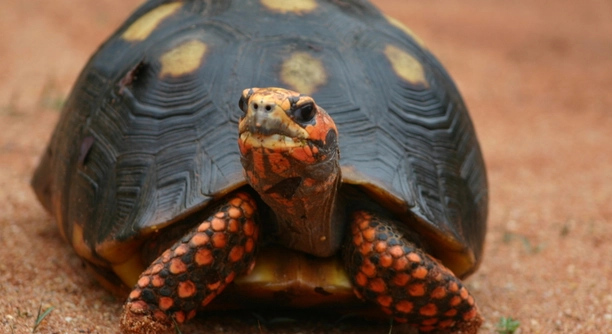
Red-footed tortoises are fascinating creatures, but it can be concerning when they stop eating. Whether you’re new to caring for one or have had them for years, it’s essential to understand why this might happen.
Several factors could cause a red-footed tortoise to refuse food, including stress, poor environmental conditions, or health issues. Identifying the root cause and making necessary adjustments can encourage your tortoise to start eating again.
Understanding these simple fixes will help ensure your tortoise’s health and well-being, so you can enjoy a happy and thriving pet.
Check the Temperature and Humidity Levels
One of the first things to consider when your red-footed tortoise isn’t eating is its habitat. Tortoises rely on a specific temperature range to remain healthy. If the temperature is too low, it can lead to a lack of appetite. Red-footed tortoises require a warm basking area that reaches about 90°F, with a cooler area around 75°F. If the environment isn’t warm enough, their digestive system slows down, causing them to refuse food.
Maintaining proper humidity is also essential for your tortoise’s health. These reptiles need humidity levels of around 70-80%. Low humidity can cause dehydration and reduce appetite. A simple way to increase humidity is by misting the enclosure or adding a shallow water dish. Make sure the environment is both warm and humid to encourage your tortoise to eat.
Pay close attention to these environmental factors. With a comfortable and balanced habitat, your red-footed tortoise is more likely to regain its appetite and remain active.
Offer the Right Food
Sometimes, your tortoise simply isn’t interested in the food available. Red-footed tortoises thrive on a variety of fruits, vegetables, and greens. If they’re not eating, it could be because the food offered isn’t appealing to them or it’s not fresh enough. Offering different types of food may spark their interest.
Fresh greens like collard greens, dandelion leaves, and hibiscus flowers are excellent choices. You can also try offering small amounts of fruits like papaya, banana, and mango. Make sure to remove any uneaten food after a few hours to prevent it from spoiling and making your tortoise sick. Avoid feeding them processed foods or those with high oxalates, such as spinach, as it can affect their digestion and overall health.
By offering a variety of fresh, nutritious foods, you’ll help entice your tortoise to eat. A well-balanced diet will improve its health and energy levels.
Minimize Stress
Stress can be a major factor in a red-footed tortoise refusing to eat. If there have been recent changes in their environment, such as moving to a new enclosure or adding other pets, it can cause anxiety. Stress affects their digestion and overall behavior, including their appetite.
Make sure their space is quiet and safe. If possible, reduce interactions or avoid loud noises around their enclosure. Some tortoises are sensitive to changes in lighting, so keep the environment consistent. Ensure the habitat provides enough hiding spots or shelters to make them feel secure.
Give your tortoise time to adjust to any changes in its environment. A stress-free space can go a long way in helping them regain their appetite. Monitor their behavior and ensure they have access to a calm, quiet area where they feel at ease.
Check for Health Issues
If your red-footed tortoise has been avoiding food for a while, health problems could be to blame. A common issue is gastrointestinal problems, which can make them feel unwell and lose their appetite. Other health concerns like respiratory infections or parasites can cause similar symptoms.
It’s important to monitor your tortoise for any signs of illness, such as lethargy, swollen eyes, or discharge from the nose. If these symptoms appear, it’s best to consult a vet who specializes in reptiles. A professional will be able to diagnose any underlying issues and offer treatment.
Taking your tortoise for a check-up can help rule out potential health problems. If left untreated, any health issue can worsen and affect your tortoise’s appetite. Early intervention is key to ensuring your pet’s well-being and getting them back to eating and thriving.
Provide Variety
Sometimes a red-footed tortoise will stop eating simply because it’s bored with the same food every day. Offering variety can reignite their interest. Try rotating different types of greens, fruits, and even flowers. Fresh foods will appeal to their natural tastes and can be more enticing.
Offering a variety of foods is not only more appealing but also ensures your tortoise is getting a balanced diet. Rotate the food to include a mix of fiber-rich greens, fruits, and occasional flowers to keep meals interesting. This variety will help stimulate their appetite and keep them engaged.
Check the Lighting
Proper lighting is essential for red-footed tortoises. UVB lighting plays a crucial role in their ability to digest food and absorb calcium. Without the right lighting, they may feel sluggish and uninterested in eating. Ensure they have access to proper UVB light for around 12 hours each day.
If the lighting is insufficient, it could affect your tortoise’s appetite and overall health. Make sure the UVB bulb is replaced regularly, as it loses effectiveness over time. Proper lighting, along with a warm environment, helps maintain a healthy appetite and supports their digestion.
FAQ
Why isn’t my red-footed tortoise eating?
If your red-footed tortoise refuses to eat, the most likely causes are stress, temperature issues, improper humidity, or health problems. Make sure the temperature in the enclosure is warm enough, with a basking spot around 90°F and a cooler area around 75°F. Humidity should be kept at 70-80%. Stress from changes in their environment or handling can also discourage eating. If these factors are in check and your tortoise still isn’t eating, it might have a health issue, like a gastrointestinal problem or respiratory infection. In that case, a visit to a vet is advised.
How do I know if my red-footed tortoise is sick?
Signs of illness in red-footed tortoises can include lethargy, lack of appetite, discharge from the eyes or nose, and abnormal breathing. A healthy tortoise should be active, alert, and interested in food. If your tortoise displays any of these symptoms, it’s best to consult a reptile vet. Regular check-ups can also help catch problems early. It’s important to monitor any changes in behavior or appearance closely to ensure that your tortoise remains healthy.
Can I overfeed my red-footed tortoise?
Yes, overfeeding can be an issue. While red-footed tortoises love to eat, feeding them too much, especially high-calcium foods like fruits, can lead to obesity or other health problems. It’s crucial to offer a balanced diet with a mix of greens, vegetables, and some fruits. Stick to a feeding schedule, offering the right amount of food based on your tortoise’s size and age. A proper diet will keep them healthy without overfeeding.
How often should I feed my red-footed tortoise?
A healthy adult red-footed tortoise should be fed every other day. Young tortoises may require daily feedings to support their growth. The amount of food offered should be enough for them to consume within a few hours, as leaving food in the enclosure for too long can encourage spoilage. Monitor your tortoise’s weight and adjust feeding accordingly. The diet should consist of leafy greens, fruits, and vegetables to provide a balanced nutrition plan.
What is the best substrate for my red-footed tortoise’s enclosure?
A good substrate for a red-footed tortoise’s enclosure is one that maintains proper humidity and allows them to dig or burrow. Coconut coir, cypress mulch, or soil mixed with sand are great options. Avoid using pine or cedar wood shavings, as the oils in them can be harmful to reptiles. The substrate should be kept slightly moist, not wet, to create a comfortable environment for your tortoise. You can also provide areas with different textures for them to explore.
Should I use a heat lamp for my red-footed tortoise?
Yes, a heat lamp is essential for providing the proper temperature gradient in your tortoise’s enclosure. The basking spot should be around 90°F, while the cooler end of the enclosure should be around 75°F. The heat lamp should be placed at one end to create this gradient, giving your tortoise the choice to move between warm and cooler areas. Make sure the light is on for 12 hours a day to simulate day and night cycles. UVB light is also necessary for proper calcium absorption.
Can my red-footed tortoise eat fruit every day?
Fruits should only be offered occasionally, not every day. While they are a good source of vitamins, they are high in sugar and can lead to obesity or digestive issues if fed too often. A healthy diet for a red-footed tortoise includes a variety of leafy greens and vegetables, with fruits like papaya, mango, or berries being a treat in moderation. Try to limit fruit to a few times a week to keep your tortoise’s diet balanced.
What should I do if my tortoise isn’t drinking water?
If your red-footed tortoise isn’t drinking water, it could be due to low humidity or stress. Make sure the enclosure humidity is at the right level (70-80%). You can also place a shallow water dish in the enclosure to encourage drinking. If your tortoise still isn’t drinking, try gently soaking them in shallow, lukewarm water for 20-30 minutes to encourage hydration. A lack of water could lead to dehydration, so it’s important to monitor their water intake closely. If the issue persists, contact a vet.
Is it normal for a red-footed tortoise to hibernate?
Red-footed tortoises don’t hibernate in the traditional sense, but they can enter a state of dormancy during colder months if the temperature drops too low. This is different from true hibernation and usually happens when the tortoise is stressed or unable to maintain the proper environmental conditions. If your tortoise shows signs of dormancy, such as inactivity or loss of appetite, ensure the temperature and humidity are appropriate. Keeping the environment consistent year-round will help prevent this behavior.
Final Thoughts
Taking care of a red-footed tortoise can be a rewarding experience, but it comes with challenges. If your tortoise stops eating, it’s important to stay calm and assess the situation. Start by checking the temperature and humidity in their enclosure, as these environmental factors play a significant role in their appetite. A warm, comfortable, and humid environment can encourage your tortoise to eat. Make sure to offer a variety of fresh food, as they can get bored with the same diet. Introducing new types of greens, fruits, and even flowers might spark their interest.
Another important factor is reducing stress. If you’ve recently made changes to their environment, your tortoise might feel anxious, which can affect its eating habits. Try to give them time to adjust to any changes and minimize handling or disruptions. Ensure that their habitat is quiet and that they have a safe place to retreat when needed. By making their environment as stress-free as possible, you can help your tortoise feel more comfortable and encourage them to eat again. It’s essential to monitor their behavior for any signs of stress or illness.
If all environmental factors are in check and your tortoise still refuses to eat, it may be time to consult a reptile vet. Health problems, such as gastrointestinal issues, respiratory infections, or parasites, can also cause a lack of appetite. A vet can diagnose any underlying conditions and provide the necessary treatment. Regular check-ups can help detect health problems early, so your tortoise stays in good shape. Taking the right steps to ensure their comfort and health will keep your red-footed tortoise happy, healthy, and thriving for years to come.

Hello,
If you enjoy the content that we create, please consider saying a "Thank You!" by leaving a tip.
Every little bit helps us continue crafting quality advice that supports the health, happiness, and well-being of pets around the world, for pets of all shapes, sizes, and species.
We really appreciate the kindness and support that you show us!