
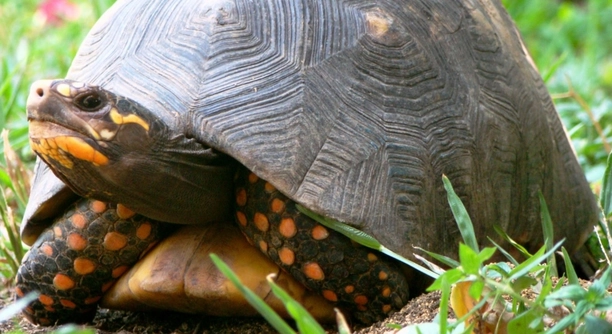
Red-footed tortoises are popular pets due to their unique appearance and calm nature. However, they are susceptible to certain health issues, including ear infections. Knowing the symptoms and treatment options can help ensure your tortoise stays healthy.
Red-footed tortoises can develop ear infections, often caused by bacterial or fungal infections. Symptoms include swelling around the ears, discharge, and difficulty opening the mouth. Treatment typically involves antibiotics, antifungals, and a warm, dry environment to promote healing.
Addressing ear infections promptly can prevent complications and ensure your tortoise’s well-being. Recognizing the symptoms and knowing how to treat them are key to their long-term health.
Causes of Ear Infections in Red-Footed Tortoises
Ear infections in red-footed tortoises are often a result of poor living conditions or an underlying health issue. Improper humidity, excessive moisture, or a lack of ventilation can create an environment where bacteria and fungi thrive. These infections may also arise from injuries or infestations that introduce harmful organisms.
The most common cause is excessive moisture, especially when the tortoise’s enclosure is too damp. This increases the risk of fungal or bacterial growth, which can lead to painful ear infections. Additionally, a lack of proper diet and stress can weaken the immune system, making it more difficult for the tortoise to fight off infections.
If you notice any signs of discomfort or irritation around your tortoise’s ears, it is essential to investigate the conditions in its habitat. Ensuring the proper temperature, humidity levels, and clean living space can significantly reduce the chances of ear infections and other health concerns.
Symptoms of Ear Infections
Symptoms of ear infections in red-footed tortoises can vary. Swelling, redness, and discharge around the ear are common signs. Difficulty moving the mouth or head can also signal an infection.
Ear infections can also cause behavioral changes in your tortoise. They may become less active, refuse food, or show signs of distress when touched around the ear area. If left untreated, these infections can worsen, leading to more severe health complications. Recognizing these symptoms early on is key to preventing further damage.
Treatment Options for Ear Infections
Treating ear infections in red-footed tortoises often requires a visit to a reptile veterinarian, who can prescribe antibiotics or antifungals depending on the type of infection. Cleaning the ears gently with a damp cloth and applying prescribed medication may also be part of the treatment process.
Keeping the tortoise in a warm, dry environment is crucial for recovery. The proper humidity levels and temperature in the enclosure will help speed up healing. It is also important to avoid any direct contact with contaminated surfaces or other animals that may spread infections.
In some cases, more aggressive treatments such as injections or oral medications may be needed if the infection does not improve with topical treatments. Regular follow-ups with the vet will ensure the infection is clearing up properly.
Preventing Ear Infections in Red-Footed Tortoises
Maintaining a clean and dry environment is crucial in preventing ear infections. Regularly clean the tortoise’s enclosure and provide fresh bedding. Ensure proper ventilation to prevent excess moisture buildup, which promotes the growth of harmful bacteria and fungi.
Proper humidity levels are important, but too much moisture can lead to issues. Aim for a balanced environment with enough ventilation to prevent a damp, stagnant atmosphere. Regularly check the temperature of the enclosure as well. Extreme fluctuations in heat can stress your tortoise, making it more vulnerable to infections.
A healthy diet is equally important. Ensure your red-footed tortoise receives a balanced diet that supports its immune system. Providing high-quality food and fresh water can help keep your tortoise strong and less prone to infections. Supplementing the diet with vitamins may also improve overall health, making it easier for the tortoise to fight off potential threats.
When to Seek Veterinary Care
If you notice any swelling, discharge, or difficulty in movement, it’s important to visit a reptile vet. Ear infections can worsen quickly if left untreated, potentially leading to long-term health issues.
Veterinary care is essential for accurate diagnosis and treatment. While some infections can be managed with at-home care, a professional is needed if symptoms persist or worsen. A vet will prescribe the correct medication, whether it’s antibiotics, antifungals, or both. They may also provide guidance on habitat adjustments to help prevent future infections.
Taking action early is key. Prompt veterinary attention can prevent infections from spreading, leading to quicker recovery and less stress on your tortoise. Regular checkups and proactive care will ensure your pet stays healthy and free from complications.
Signs of Severe Ear Infections
Severe ear infections in red-footed tortoises can lead to significant swelling, pus-like discharge, and severe difficulty opening the mouth. If left untreated, the infection can spread to other areas, causing systemic illness. Immediate attention is necessary to prevent long-term damage.
In addition to visible swelling, tortoises may also exhibit unusual behaviors, such as rubbing their ears against surfaces or becoming unusually lethargic. These signs often indicate that the infection is progressing. The tortoise may also refuse food or show a lack of interest in its surroundings, which is another sign that something is wrong.
If these symptoms are observed, it’s essential to seek veterinary care immediately. A veterinarian will assess the severity of the infection and provide appropriate treatment.
The Role of Diet in Recovery
Diet plays an important role in supporting a red-footed tortoise’s recovery from ear infections. A healthy diet rich in vitamins and minerals boosts the immune system, helping the tortoise fight off infections faster. Fresh leafy greens and a variety of vegetables should be provided regularly.
During the recovery period, it’s best to avoid offering foods that could potentially irritate the tortoise’s system. Stick to softer foods that are easy to digest and provide additional hydration to prevent dehydration, especially if the tortoise is not eating as much. Vitamin supplementation may be recommended by your vet.
A proper diet not only supports recovery but also helps maintain the tortoise’s overall health, reducing the chances of future infections.
Creating the Ideal Environment
The right environment plays a vital role in preventing ear infections. Ensure your red-footed tortoise has a clean, dry, and well-ventilated enclosure. Humidity levels should be balanced to avoid excess moisture, while temperatures should remain stable and appropriate for their species.
FAQ
Can red-footed tortoises get ear infections?
Yes, red-footed tortoises can develop ear infections, often caused by bacteria or fungi. These infections are typically a result of poor environmental conditions, such as excess moisture or improper humidity. Injuries or infestations can also lead to infections if not addressed.
What are the signs of an ear infection in red-footed tortoises?
Signs of an ear infection include swelling or redness around the ear, discharge, difficulty opening the mouth, or rubbing the ear against surfaces. Tortoises may also become less active, refuse food, or show signs of distress. Observing these signs early is key to preventing further health complications.
How can I treat an ear infection in my red-footed tortoise?
Treatment often requires a visit to a reptile veterinarian, who will prescribe antibiotics or antifungals depending on the infection type. Cleaning the ear and administering prescribed medication will be part of the treatment plan. Ensuring a warm, dry environment for your tortoise will help speed up recovery.
Can ear infections cause long-term damage to my tortoise?
If untreated, ear infections can cause permanent damage. The infection may spread to other areas, affecting the tortoise’s overall health. In severe cases, it can lead to difficulty in eating or closing the mouth properly. Prompt treatment helps avoid such complications and supports full recovery.
How can I prevent ear infections in red-footed tortoises?
To prevent ear infections, maintain a clean, dry, and well-ventilated enclosure. Regularly check the humidity levels, as too much moisture can promote bacterial and fungal growth. Ensure your tortoise has a balanced diet to support a healthy immune system, making it less susceptible to infections.
What is the best humidity level for a red-footed tortoise?
The ideal humidity for red-footed tortoises should be around 60-80%. Too much moisture in the environment can contribute to ear infections, while too little can cause dehydration and stress. A consistent humidity level, along with proper ventilation, will help prevent health issues.
How can I tell if my tortoise’s environment is too damp?
If the enclosure feels damp or the bedding stays wet for prolonged periods, it’s too damp for your tortoise. You might also notice excessive condensation on the walls of the enclosure or a musty smell. Regularly check the substrate and remove any wet bedding to keep the environment dry.
What should I do if my tortoise refuses to eat?
If your tortoise refuses food, it may be a sign of an infection, stress, or an improper environment. Start by checking the temperature and humidity levels in its enclosure. If the conditions seem correct, a visit to the veterinarian is recommended to rule out infection or other health issues.
Is it necessary to take my tortoise to the vet for every ear infection?
While minor infections might be treatable at home with proper cleaning and medication, it’s always best to consult a vet. A veterinarian can ensure the infection is properly diagnosed and treated. They can also guide adjustments to the environment or diet that may help prevent future infections.
What types of food are best for a tortoise recovering from an ear infection?
During recovery, offer soft, easy-to-digest foods that help keep your tortoise hydrated. Fresh leafy greens, such as dandelion greens, collard greens, and turnip greens, are ideal. Avoid high-oxalate vegetables like spinach, which can cause kidney issues over time. Your vet may recommend vitamin supplements to support healing.
Can ear infections spread to other animals?
While ear infections in tortoises are typically not contagious to other animals, bacteria and fungi can thrive in damp environments. If you have other reptiles or pets, be sure to clean the enclosure thoroughly to prevent the spread of any harmful organisms.
How long does it take for a tortoise to recover from an ear infection?
Recovery time depends on the severity of the infection. Mild infections may improve in a week or two with proper treatment, while more severe cases may require several weeks of care. Follow the vet’s instructions carefully, and ensure your tortoise stays in a warm, dry, and clean environment for the best recovery.
Can I use over-the-counter ear drops for my tortoise?
It is not recommended to use over-the-counter ear drops for your tortoise unless directed by a veterinarian. These products are often formulated for humans and may not be safe for reptiles. Always consult a reptile vet for appropriate treatments and medications.
What should I do if my tortoise has discharge coming from its ears?
If you notice discharge from your tortoise’s ears, it’s crucial to clean the area gently with a soft cloth to remove excess fluid. However, you should immediately seek veterinary care, as ear discharge often indicates an infection that requires professional treatment.
Can I use a heat lamp to help treat my tortoise’s ear infection?
A heat lamp can help create a warm environment that supports healing. Ensure the temperature in the enclosure is appropriate for your tortoise’s species. However, be cautious not to make the area too hot, as this could cause additional stress or dehydration. Always monitor the temperature closely.
Should I isolate my tortoise while it is recovering from an ear infection?
Isolating your tortoise can help reduce stress and prevent it from being exposed to further risk factors. If you have other reptiles or animals, keeping the sick tortoise in a separate enclosure may help prevent the spread of bacteria or fungi. Make sure the recovery space is clean and comfortable.
Final Thoughts
Ear infections in red-footed tortoises can be concerning, but they are manageable with prompt attention and proper care. These infections are typically caused by bacteria or fungi, often triggered by environmental factors like excessive humidity or poor hygiene. Recognizing the symptoms early, such as swelling, redness, or discharge from the ears, can make a significant difference in the treatment process. Regularly checking the condition of your tortoise’s enclosure and maintaining appropriate humidity and temperature levels will go a long way in preventing future infections.
Treatment for ear infections typically involves a visit to a veterinarian who will prescribe the right medication, whether antibiotics or antifungals, depending on the type of infection. The vet will also guide you on how to clean the ear area and administer the medication. It’s essential to keep your tortoise in a warm, dry environment to support its recovery. If left untreated, ear infections can lead to permanent damage, affecting the tortoise’s ability to eat and causing long-term health issues. Therefore, it is always advisable to address any signs of infection as soon as they appear.
Preventing ear infections involves ensuring a healthy and clean habitat for your tortoise. Keeping the enclosure dry, maintaining proper humidity, and providing a balanced diet all contribute to overall health and help reduce the risk of infections. Regular health checks are also beneficial in identifying any potential issues early. By following these simple steps, you can ensure your red-footed tortoise remains healthy and free from infections, allowing them to live a long, happy life.

Hello,
If you enjoy the content that we create, please consider saying a "Thank You!" by leaving a tip.
Every little bit helps us continue crafting quality advice that supports the health, happiness, and well-being of pets around the world, for pets of all shapes, sizes, and species.
We really appreciate the kindness and support that you show us!