
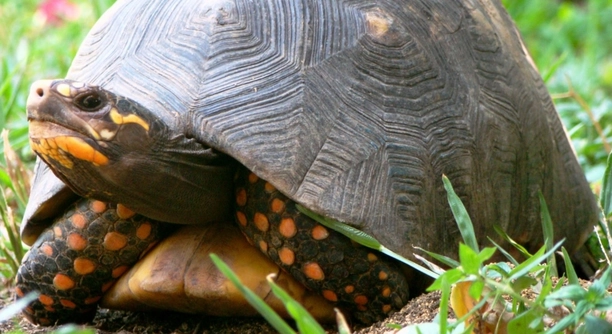
A healthy shell is crucial for your red-footed tortoise’s well-being. Observing its shell closely can reveal key signs of health and vitality. Knowing these signs can help ensure your tortoise remains strong and protected.
The health of a red-footed tortoise’s shell is a good indicator of overall well-being. Key signs include smoothness, proper shape, and a consistent color. Any deformities, soft spots, or discoloration may signal potential health issues requiring immediate attention.
Maintaining a healthy shell goes beyond simple observation and involves proper care. Understanding these signs ensures your tortoise remains in good health.
Smooth and Shiny Shell
A healthy red-footed tortoise shell should be smooth and glossy. This appearance shows that the tortoise is well-hydrated and has good nutrition. A dry, dull shell can indicate dehydration or lack of proper care. When the shell is shiny, it’s a clear sign of proper maintenance and optimal health. Keeping your tortoise in the right environment, with access to fresh water and proper UVB lighting, can promote the glossy look of their shell.
A shiny shell also prevents bacteria from settling on the surface. It reduces the chances of infections. A dry or rough shell, on the other hand, can harbor harmful microorganisms that might damage the shell and cause infections.
If your tortoise’s shell begins to lose its shine, consider adjusting its habitat. Increased humidity and more consistent hydration can help restore its healthy appearance. Regularly cleaning the shell without harsh chemicals will also keep it in good condition. Maintaining proper conditions will ensure the tortoise’s shell stays healthy and strong over time.
Proper Shell Shape
A healthy shell should maintain a natural, smooth curve without any visible dents or bumps. When a tortoise has a well-formed shell, it indicates that the tortoise is growing properly. Irregularities in the shape of the shell can be signs of malnutrition or a problem with the tortoise’s environment.
To keep your tortoise’s shell in the best shape, ensure they get a balanced diet. This includes calcium-rich foods, which help promote healthy shell growth. Over time, improper diets can lead to deformities, making it harder for the tortoise to move or protect itself. Regular check-ups with a vet can help spot any issues early on.
Consistent care, including a proper diet, UVB lighting, and regular bathing, is key to keeping the shell shape intact. Avoid putting your tortoise in environments that could cause stress or injury. A well-maintained shell shape shows that your tortoise is thriving, and this should always be your top priority.
Consistent Shell Color
A healthy red-footed tortoise shell typically maintains a consistent, vibrant color. Any drastic changes in color, such as dullness or yellowing, may signal health problems. The natural color of their shell should be rich and uniform, showcasing their overall health.
If you notice any areas of discoloration or fading, this could be due to a variety of factors. A lack of proper UVB lighting can lead to issues with shell pigmentation. A poor diet, particularly one lacking in essential vitamins and minerals, may also affect shell color. If these problems are ignored, they can worsen over time and potentially lead to shell deformities.
Keeping your tortoise in an environment with proper UVB lighting and a balanced diet rich in calcium and other nutrients is vital to preserving the shell’s color. Regular hydration also plays an important role in maintaining their vibrant shell. By ensuring these basic needs are met, you can help keep your tortoise’s shell healthy and colorful.
No Soft Spots
A healthy shell should be firm and solid to the touch. Soft spots, especially around the edges, are a serious warning sign. These soft areas indicate that the tortoise may be suffering from a lack of calcium or other essential nutrients.
If soft spots are found, immediate attention is needed. The cause is often insufficient calcium intake or inadequate UVB exposure, which are both critical for proper shell hardening. It’s important to address these deficiencies as soon as possible to avoid long-term damage. Without proper treatment, soft spots can become infected, leading to more severe health issues.
A diet rich in calcium, combined with proper UVB lighting, is key to preventing these soft spots. Regular supplementation with calcium powder or cuttlebone will help ensure your tortoise gets the nutrients it needs. Regular check-ups with a vet will also help monitor shell health and prevent any issues from progressing further.
Smooth Texture
A healthy shell should feel smooth to the touch. Any roughness or uneven texture could signal an underlying issue. Regular inspection of your tortoise’s shell can help identify early signs of discomfort or health problems.
Rough patches or uneven surfaces may indicate damage or bacterial infection. In some cases, these irregularities could be linked to improper diet, dehydration, or lack of proper care. Regular cleaning and hydration can help maintain smoothness, but the cause of roughness should be addressed promptly to prevent further harm.
Ensure your tortoise has access to the proper environmental conditions, including adequate humidity and UVB lighting, to keep the shell smooth and healthy.
Shell Growth
A healthy red-footed tortoise shell should grow steadily without any issues. If growth slows down or is uneven, it can indicate health problems. Shell growth is typically slow but steady throughout the tortoise’s life.
Ensuring that your tortoise receives proper nutrition, including sufficient calcium and vitamin D3, is essential for consistent shell growth. Without these nutrients, the shell may not grow properly, leading to deformities. UVB lighting plays a significant role in calcium absorption and overall growth, as it helps in the production of vitamin D3.
Regular check-ups will help catch growth issues early, preventing more serious problems. A well-maintained diet and proper care are crucial to supporting healthy shell development.
Avoiding Cracks
Cracks in a tortoise’s shell can be serious. These often occur due to trauma, but dehydration or poor diet can also contribute to shell damage. Cracks should be treated immediately to prevent infection or further injury.
Ensure that your tortoise has proper hydration and a nutritious diet. Avoid letting them interact with objects that could cause injury. Regularly inspect the shell for any signs of cracks, especially after exposure to rough surfaces or environments that could cause harm. Proper care and monitoring can help prevent cracks from developing.
FAQ
How can I tell if my tortoise’s shell is unhealthy?
An unhealthy shell may show signs such as rough texture, discoloration, soft spots, cracks, or deformities. If the shell feels soft or if you notice any bumps, these could be signs of malnutrition, dehydration, or injury. A healthy shell should be firm, smooth, and evenly colored.
What causes soft spots on a tortoise’s shell?
Soft spots on a tortoise’s shell are often caused by a lack of calcium or improper UVB exposure. These soft areas indicate that the shell isn’t hardening properly. Ensure your tortoise has access to calcium-rich foods and adequate UVB lighting to prevent these issues.
Can a tortoise’s shell heal if it gets damaged?
Yes, a tortoise’s shell can heal if the damage is minor. However, severe cracks or breaks may require veterinary intervention. Shells can regenerate over time, but proper care, including hydration, nutrition, and sometimes specialized treatment, is essential to ensure the healing process goes smoothly.
How often should I check my tortoise’s shell for health?
You should check your tortoise’s shell regularly, at least once a week. Inspect for any signs of damage, rough patches, or discoloration. Regular checks will allow you to catch any potential issues early, making it easier to address them before they become serious problems.
Why is my tortoise’s shell turning yellow?
Yellowing of the shell can indicate dehydration, improper diet, or lack of UVB exposure. It can also result from excessive sunlight exposure or stress. Ensure your tortoise is hydrated and has access to UVB lighting to help maintain the natural color of their shell.
Can poor diet affect my tortoise’s shell?
Yes, a poor diet can directly impact the health of your tortoise’s shell. Lack of essential nutrients, especially calcium and vitamin D3, can lead to deformities or soft spots. Offering a balanced diet with a variety of vegetables, fruits, and calcium-rich foods will support healthy shell development.
How can I improve my tortoise’s shell health?
To improve shell health, ensure your tortoise gets a balanced diet with the right nutrients, including calcium and vitamin D3. Provide UVB lighting, maintain proper humidity levels, and keep their environment clean. Regular hydration and careful handling can also help maintain a healthy shell.
Should I be concerned if my tortoise has a cracked shell?
Cracks in the shell can be serious and should not be ignored. They can expose the tortoise to infections or other complications. If you notice a crack, it is essential to clean the area carefully and consult a vet for proper treatment. In some cases, the shell may need to be patched or treated with specific medications.
What is the role of UVB lighting in shell health?
UVB lighting helps your tortoise absorb calcium, which is essential for the proper growth and hardening of its shell. Without proper UVB exposure, your tortoise may develop soft or deformed shell areas. Make sure your tortoise has access to UVB lighting for about 10 to 12 hours a day.
Is it normal for a tortoise’s shell to grow unevenly?
No, uneven growth can be a sign of a health issue. Uneven shell growth may indicate an improper diet, lack of UVB exposure, or even injury. It is important to address these issues immediately by adjusting the tortoise’s diet, habitat, or by consulting a veterinarian.
Can a tortoise’s shell get damaged from being handled too much?
Overhandling or rough handling can cause shell damage, especially in young tortoises whose shells are more delicate. Always handle your tortoise gently and with care. Excessive handling can cause stress, which can also negatively affect shell health. Limit handling to necessary tasks like feeding or cleaning.
How do I keep my tortoise’s shell clean?
To keep your tortoise’s shell clean, gently wipe it with a soft cloth or sponge. Avoid using harsh chemicals or soaps. Regular baths can also help keep the shell clean and hydrated. Make sure to dry the shell thoroughly afterward to prevent fungal or bacterial growth.
What should I do if my tortoise has a fungal infection on its shell?
If your tortoise shows signs of a fungal infection, such as discolored patches or an odor, consult a vet immediately. Fungal infections need prompt treatment, and a vet will prescribe the proper antifungal medication. Make sure to maintain a clean habitat to prevent further infections.
How can I prevent shell rot in my tortoise?
To prevent shell rot, maintain a clean and dry living environment for your tortoise. Ensure they have access to fresh water and proper UVB lighting. Avoid letting them sit in water for too long, as this can soften the shell and promote bacterial growth.
Can tortoises regenerate parts of their shell if it gets damaged?
Tortoises cannot regenerate missing parts of their shell. However, they can repair minor cracks or injuries over time with the right care. Severe damage may require intervention from a veterinarian, who may help with treatment and ensure proper recovery.
What is the best substrate for tortoises to maintain shell health?
The best substrate for tortoises is one that keeps the habitat clean and helps maintain proper humidity levels. Coconut coir, organic soil, and grass hay are good options. Avoid sand or gravel, which can cause irritation or damage to the shell if ingested.
Is it okay to let my tortoise roam outside?
It’s safe for a tortoise to roam outside as long as the area is secure and free from predators. Outdoor time provides natural sunlight and encourages movement, which can be beneficial for shell health. Always supervise your tortoise and ensure it has access to shade and fresh water.
Final Thoughts
Maintaining a healthy shell for your red-footed tortoise is essential for their overall well-being. A strong, smooth shell serves as a protective barrier, keeping them safe from injury and disease. Regular checks on the shell’s condition, along with a balanced diet and proper lighting, are vital. With the right care, your tortoise can live a long, healthy life.
Proper hydration, UVB lighting, and a calcium-rich diet are key to ensuring that your tortoise’s shell stays strong and firm. Providing a safe and clean environment is equally important. Any signs of damage or changes in the shell should be addressed immediately, as early intervention can prevent further complications. Regular baths, shell cleaning, and avoiding rough handling will also go a long way in maintaining their shell health.
Ultimately, understanding the factors that contribute to a healthy shell allows you to better care for your tortoise. With a consistent routine of proper care and observation, you can prevent many common shell issues and ensure that your tortoise stays in good health. By staying attentive to their needs, you’ll help your tortoise thrive for years to come.

Hello,
If you enjoy the content that we create, please consider saying a "Thank You!" by leaving a tip.
Every little bit helps us continue crafting quality advice that supports the health, happiness, and well-being of pets around the world, for pets of all shapes, sizes, and species.
We really appreciate the kindness and support that you show us!