
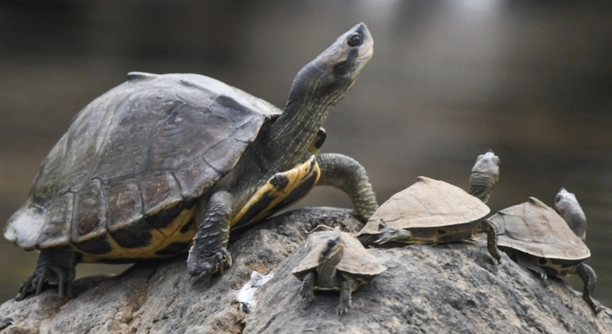
An Indian Roofed Tortoise is known for its love of basking, but sometimes it may stop. This can raise concerns for pet owners. Understanding the causes behind this behavior can help restore your tortoise’s basking routine.
Several factors, including changes in temperature, health issues, stress, or improper lighting, can cause an Indian Roofed Tortoise to stop basking. Ensuring proper tank conditions, a balanced diet, and a stress-free environment are essential for encouraging this natural behavior.
Taking note of these factors can help you provide the right environment to encourage basking again and keep your tortoise happy.
Temperature Imbalance
Temperature is a key factor in a tortoise’s basking behavior. Indian Roofed Tortoises, like many reptiles, require a warm environment to thrive. If the basking area is too cold, they may stop basking altogether. This drop in temperature can cause them to become inactive. Proper lighting and heating are essential for creating the right environment. A basking spot should be between 85-90°F, with a cooler area at 75-80°F. If the temperatures fluctuate too much or remain too low, your tortoise may simply avoid basking. Regularly check the temperature with a reliable thermometer to ensure consistency.
Heat is necessary for their digestion and metabolism, and without it, they may show signs of stress. Maintaining proper warmth ensures they stay active, alert, and healthy. If the temperature is off, your tortoise may feel less inclined to bask and may spend more time in hiding. The right heat levels will help your tortoise feel comfortable enough to bask for long periods.
Investing in a quality heating system can make a significant difference. Ensure the basking lamp is directed to one corner of the tank and that the cooler area offers enough space for your tortoise to escape the heat when needed.
Health Issues
Sometimes, a tortoise may stop basking due to underlying health problems. Infections, parasites, or even metabolic bone disease can interfere with their ability to bask. If your tortoise seems lethargic and avoids basking, a visit to the vet is a good idea. Regular checkups are important to rule out any issues.
A tortoise’s reluctance to bask can indicate discomfort or pain. If it continues for an extended period, it may be a sign of more serious health concerns, such as respiratory issues or improper calcium levels. If your tortoise has stopped basking for a few days, consider consulting a vet for an accurate diagnosis and appropriate treatment.
Stress and Environmental Changes
Stress can significantly affect a tortoise’s basking habits. Moving to a new enclosure, changes in routine, or even noisy surroundings can make your tortoise uneasy. This stress can cause them to avoid basking. Try to create a calm environment with minimal disturbances, especially when they are adjusting to new conditions.
If your tortoise is stressed, its behavior may change. They could hide more often or stay in cooler areas of the tank. Excessive handling or bright, loud noises will make them feel unsafe. To reduce stress, limit interactions, and ensure their tank remains a peaceful space. Over time, a secure environment will help them feel more comfortable basking again.
It’s also important to avoid overcrowding or placing incompatible animals in the same tank. If your tortoise feels threatened by another pet, it may stop basking to avoid contact. Make sure your pet has its own space to retreat to when needed.
Improper Lighting
Lighting plays a crucial role in your tortoise’s basking behavior. If the UVB light is not strong enough or is not positioned correctly, your tortoise may avoid basking altogether. Make sure the light reaches the basking area effectively.
UVB light is essential for the tortoise’s health, helping them synthesize vitamin D3 for calcium absorption. Without proper lighting, they will not be able to properly metabolize calcium, leading to health problems. Ensure the UVB bulb is replaced regularly as it loses effectiveness over time. Also, ensure the basking light is placed in a way that it creates a warm spot, separate from the rest of the tank.
Without these necessary light sources, your tortoise may not feel compelled to bask. Regularly check both the UVB and basking lights to maintain consistent conditions. Consider using timers to regulate the light cycle, helping to mimic the natural day-night cycle.
Unbalanced Diet
A poor diet can also lead to a lack of basking in Indian Roofed Tortoises. If they are not receiving the proper nutrients, they may feel sluggish and avoid basking. Ensure their diet consists of leafy greens, fruits, and appropriate protein.
Inadequate calcium can lead to metabolic bone disease, which can cause your tortoise to become lethargic and avoid basking. Calcium is essential for strong bones and proper growth. Offer calcium-rich foods, and dust their food with a calcium supplement. A balanced diet plays a large role in keeping your tortoise healthy and active.
Overcrowding in the Tank
Too many animals in one enclosure can cause stress and hinder basking. If your tortoise has to compete for space, it may avoid basking to avoid interaction. Ensure the tank is large enough for each animal to have its own area.
Overcrowding leads to aggression and competition for resources like food, space, and basking spots. This competition creates a stressful environment where your tortoise may feel unsafe. When designing the enclosure, make sure there’s plenty of room for each animal to roam freely, ensuring a calm and secure space for your tortoise to bask.
FAQ
Why is my Indian Roofed Tortoise not basking?
Several factors could be causing this behavior, such as improper temperature, lighting, or stress. A drop in environmental temperature can lead to inactivity, as tortoises need warmth to digest and metabolize properly. Inadequate lighting, especially UVB light, can also discourage basking. Stress from environmental changes or overcrowding might make them feel insecure. Health issues like infections or metabolic bone disease may prevent your tortoise from basking as well.
How do I know if the temperature is too low for my tortoise?
Check the basking spot with a thermometer to ensure it’s between 85-90°F. If the temperature is below this range, your tortoise may avoid basking. They seek warmth for digestion, so maintaining the correct temperature is essential for their well-being. If the temperature fluctuates, this can cause discomfort and reduce basking behavior.
What should I do if my tortoise stops basking due to stress?
Provide a calm and quiet environment. Limit handling and avoid loud noises. If you recently moved the tortoise to a new enclosure, give it time to adjust. Ensure that the tank offers enough hiding spaces, so your tortoise feels secure. Stress reduction is key to encouraging basking once again.
Can health problems cause my tortoise to stop basking?
Yes, health problems such as respiratory infections, metabolic bone disease, or parasites can prevent your tortoise from basking. If your tortoise appears lethargic, has difficulty moving, or exhibits other signs of illness, a visit to the vet is necessary. Regular checkups can help detect and treat underlying health issues.
How often should I change the UVB light bulb?
UVB bulbs lose their effectiveness over time, even if they still emit visible light. Replace the bulb every 6-12 months, depending on the manufacturer’s recommendation. Failure to replace the UVB light can cause vitamin D3 deficiency, which impairs calcium absorption and affects your tortoise’s overall health and behavior.
Should I provide a heat source other than a basking light?
Yes, besides the basking light, you should also have a heat source for the cooler side of the tank. This allows your tortoise to regulate its body temperature. Ensure there is a temperature gradient with a warm side (85-90°F) and a cooler side (75-80°F) for your tortoise to move between.
Can improper diet affect my tortoise’s basking habits?
An unbalanced diet, especially a lack of calcium or essential vitamins, can affect your tortoise’s energy levels and overall health. If they are not getting enough nutrients, they may not feel active enough to bask. A diet of leafy greens, vegetables, and fruits is crucial for keeping your tortoise healthy and active.
What can I do if my tortoise is fighting with other animals in the tank?
If you notice aggression or competition for space, food, or basking spots, it’s best to separate the animals. Overcrowding can cause stress, leading to a decrease in basking. Ensure each tortoise or animal has enough space and resources to avoid conflict and ensure a calm environment for basking.
Is it normal for my tortoise to stop basking during winter?
Yes, it’s normal for tortoises to become less active during cooler months, especially if the temperature in their enclosure drops. During colder weather, they may reduce basking and even enter a state of brumation (a hibernation-like state). Ensure the tank remains warm enough to avoid temperature-related inactivity.
How can I make my tortoise feel more secure in its tank?
Provide hiding spots, such as caves or plants, where your tortoise can retreat to when feeling stressed. This will give it the option to escape from any perceived threats and rest in a quiet space. A secure environment encourages more basking, as your tortoise will feel safe to venture out into the warmth.
Final Thoughts
Understanding why your Indian Roofed Tortoise may stop basking is crucial for maintaining its health and well-being. Basking is an essential part of their daily routine, as it helps regulate their body temperature and allows them to absorb UVB rays for proper calcium metabolism. If your tortoise is avoiding its basking spot, it’s important to consider factors like temperature, lighting, diet, and stress. Each of these can have a significant impact on their behavior. Providing the right environment and taking steps to ensure your tortoise’s comfort will help them feel safe enough to resume basking.
Temperature is one of the most critical factors when it comes to tortoises and basking. If your enclosure is too cool, your tortoise may avoid basking to conserve energy. The basking spot should always be warm enough, with a temperature range of 85-90°F. Ensure that you also provide a cooler area for them to retreat to, which will allow them to regulate their body temperature as needed. In addition to the right temperature, providing the appropriate UVB light is also key. UVB light allows your tortoise to produce vitamin D3, which is necessary for calcium absorption. If the lighting is insufficient or not positioned correctly, your tortoise may not be motivated to bask.
Stress is another important factor to keep in mind. If your tortoise feels insecure or overwhelmed, it may hide or refuse to bask. Stress can come from changes in the environment, overcrowding in the tank, or excessive handling. To reduce stress, it’s important to create a calm, quiet environment and avoid disruptions. Providing hiding spots in the tank can also help your tortoise feel more secure, giving them a place to retreat when necessary. By paying attention to these factors, you can create an environment that supports your tortoise’s health and encourages natural behaviors, including basking.
In the end, keeping your Indian Roofed Tortoise happy and healthy requires careful attention to their habitat and needs. By adjusting the temperature, ensuring proper lighting, offering a balanced diet, and reducing stress, you can encourage your tortoise to bask regularly. Taking these steps will not only help your tortoise maintain good health but also ensure it thrives in its environment. A well-maintained tank is key to keeping your tortoise comfortable, allowing it to lead an active and healthy life.

Hello,
If you enjoy the content that we create, please consider saying a "Thank You!" by leaving a tip.
Every little bit helps us continue crafting quality advice that supports the health, happiness, and well-being of pets around the world, for pets of all shapes, sizes, and species.
We really appreciate the kindness and support that you show us!