
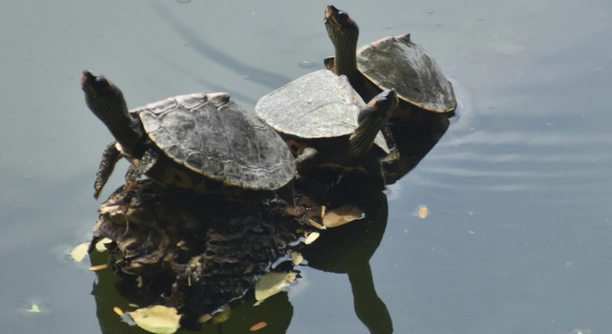
Is your Indian roofed tortoise facing shell issues that have you worried? Shell problems can arise due to poor diet, improper habitat conditions, or lack of adequate care. Understanding the cause is the first step in helping your tortoise heal effectively.
To address shell issues in Indian roofed tortoises, consider natural remedies like adjusting their diet, ensuring proper UVB exposure, maintaining a clean habitat, and providing calcium-rich supplements. These remedies can help restore shell health, promote growth, and prevent further complications.
Learning how to implement these remedies can make a significant difference in your tortoise’s well-being. Keep reading to discover effective ways to care for your pet.
Understanding Shell Problems in Indian Roofed Tortoises
Shell issues in Indian roofed tortoises can develop from inadequate nutrition, poor housing conditions, or insufficient exposure to natural sunlight. Common problems include shell rot, pyramiding, and soft shell syndrome. These issues can impact the tortoise’s overall health, making timely intervention crucial. A balanced diet with adequate calcium, consistent UVB exposure, and a clean, humid environment are essential for maintaining a healthy shell. Regularly inspecting your tortoise’s shell for discoloration, soft spots, or flaking can help you identify early signs of trouble. Addressing these issues promptly can help prevent long-term damage.
Regular veterinary check-ups can also be valuable in detecting underlying health problems contributing to shell issues. Consulting a veterinarian experienced with reptiles can guide you on effective treatment options.
Proper care practices like maintaining a clean habitat, offering a balanced diet, and ensuring the right humidity and UVB exposure can make a significant difference. Following these steps can keep your tortoise healthy and thriving.
Importance of Diet and Nutrition
A well-balanced diet plays a crucial role in maintaining the shell health of Indian roofed tortoises. Insufficient calcium, vitamin D3, and improper nutrition can lead to severe shell issues.
Providing a variety of dark, leafy greens, calcium-rich vegetables, and occasional fruits can help keep your tortoise’s diet balanced. It’s important to avoid feeding excessive animal proteins, as these can lead to pyramiding — a condition where the shell grows unevenly. Including a calcium supplement with vitamin D3 can also support proper shell development. If your tortoise has difficulty accessing natural sunlight, consider using a UVB light designed for reptiles. UVB light helps synthesize vitamin D3, which is essential for calcium absorption.
Monitoring your tortoise’s eating habits and making necessary adjustments to their diet can promote shell health. If you notice any persistent shell issues, consult a reptile veterinarian to ensure your tortoise receives appropriate care.
Proper Habitat and Environment
A suitable habitat is crucial for preventing shell issues in Indian roofed tortoises. An enclosure with controlled temperature, humidity, and access to UVB lighting is essential for maintaining their health and preventing shell problems.
Maintain a temperature gradient of 75°F to 85°F in the enclosure, with a basking spot around 90°F. Humidity levels should be kept between 50% to 70% to prevent dehydration and shell issues. Use a high-quality UVB light to replicate natural sunlight, allowing proper vitamin D3 synthesis. Ensure the substrate is safe and non-abrasive; coconut coir mixed with topsoil works well. Avoid using rough gravel or sand that could damage the shell. Clean the enclosure regularly to prevent bacterial growth that may lead to shell rot.
Providing hiding spots and a shallow water area helps the tortoise feel secure and maintain hydration. Proper ventilation and adequate space for movement also promote better shell health and overall well-being.
Identifying and Treating Shell Rot
Shell rot appears as soft, discolored, or foul-smelling areas on the shell. It often results from prolonged exposure to moisture or unclean conditions. If left untreated, it can cause severe health issues and spread to deeper tissue.
To treat shell rot, gently clean the affected area using diluted Betadine or chlorhexidine solution. Avoid scrubbing too hard to prevent further damage. After cleaning, dry the shell completely and apply an antibiotic ointment without painkillers, like plain Neosporin. Keep the tortoise in a dry area for several hours daily to promote healing. If the condition doesn’t improve within a week or worsens, consult a reptile veterinarian for further treatment, as advanced shell rot may require prescription medication or debridement.
Maintaining a clean habitat and regularly inspecting your tortoise’s shell can help prevent shell rot. Avoid keeping the enclosure excessively damp, and ensure proper basking areas for shell drying.
Preventing Pyramiding
Pyramiding occurs when the scutes on a tortoise’s shell grow unevenly, forming a bumpy appearance. It is primarily caused by improper diet, lack of humidity, and insufficient UVB exposure. Ensuring a balanced diet, proper hydration, and adequate UVB light can help prevent this issue.
Maintaining appropriate humidity levels between 50% to 70% in the enclosure supports healthy shell growth. Regular soaks in lukewarm water can keep the tortoise hydrated, promoting smooth shell development. Avoid overfeeding protein-rich foods, as excessive protein can lead to rapid, uneven growth and exacerbate pyramiding.
Dealing with Soft Shell Syndrome
Soft shell syndrome, also known as metabolic bone disease (MBD), is a condition caused by a lack of calcium, vitamin D3, or inadequate UVB exposure. The shell becomes soft, pliable, and prone to injury. Addressing this issue involves immediate dietary adjustments, increased UVB exposure, and calcium supplementation. Feeding calcium-rich foods like collard greens, dandelion leaves, and mustard greens can help strengthen the shell. Using a UVB light specifically designed for reptiles ensures proper vitamin D3 synthesis, aiding calcium absorption. In severe cases, a veterinarian may recommend injectable calcium or vitamin D3 treatments.
Regular Shell Inspections
Regularly inspecting your tortoise’s shell helps you catch early signs of damage, discoloration, or deformities. Early detection makes treatment more effective and can prevent serious health issues. Check for any unusual softness, cracks, or flaking at least once a month.
FAQ
What causes shell problems in Indian Roofed Tortoises?
Shell issues in Indian Roofed Tortoises can be caused by several factors, including poor diet, insufficient UVB exposure, improper humidity, and unhygienic living conditions. Lack of calcium, inadequate vitamin D3, and exposure to damp or unsanitary environments can lead to shell rot, soft shells, or pyramiding. Regular maintenance of their habitat, proper diet, and monitoring their shell for early signs of issues can prevent many of these problems.
How do I fix shell rot in my tortoise?
Shell rot can be treated by first cleaning the affected area gently with a mild antiseptic like diluted Betadine or chlorhexidine. After cleaning, dry the shell completely, and apply an antibiotic ointment. Make sure the tortoise is kept in a dry, clean environment to prevent further infection. If the rot persists or worsens, a veterinarian may need to perform more advanced treatment. They might need to clean the area more thoroughly or prescribe medication.
Can I prevent pyramiding in my tortoise?
Pyramiding can be prevented by providing a balanced diet that includes adequate calcium and avoiding excessive protein. Ensure your tortoise gets enough UVB exposure, either from sunlight or a UVB light designed for reptiles. Maintaining proper humidity and a suitable temperature range in their enclosure can also prevent pyramiding. Hydration is essential, so offer regular water soaks to support proper shell growth.
How do I provide adequate UVB light for my tortoise?
UVB light is crucial for the synthesis of vitamin D3, which aids in calcium absorption. Use a high-quality UVB bulb designed for reptiles. Place the light within a few inches of your tortoise, ensuring it provides sufficient exposure. Keep the light on for 10-12 hours daily and replace the bulb every 6-12 months, as the UVB output diminishes over time. If natural sunlight is an option, providing access to it is ideal.
What should I feed my Indian Roofed Tortoise to keep its shell healthy?
A well-balanced diet is key to maintaining your tortoise’s shell health. Offer a variety of dark, leafy greens like collard greens, kale, and dandelion leaves. Add calcium-rich vegetables such as turnip greens and mustard greens. You can occasionally offer fruits like papaya, melons, or berries. Avoid feeding high-protein foods or foods high in oxalates, like spinach, as they can affect calcium absorption and cause pyramiding.
How often should I soak my tortoise?
Soaking your Indian Roofed Tortoise in shallow, lukewarm water 2-3 times a week is a good practice to maintain hydration and help with digestion. The water should come up to their legs but not cover the shell. Soaking also helps prevent dehydration, a common issue for tortoises in captivity, and promotes healthy shell growth.
What are the signs of metabolic bone disease (MBD) in tortoises?
Signs of metabolic bone disease (MBD), also known as soft shell syndrome, include a soft, pliable shell, difficulty moving, and weakness. You may notice that the shell appears misshapen or easily damaged. MBD is caused by a lack of calcium or insufficient UVB exposure, and it requires immediate dietary adjustments, increased UVB exposure, and possibly veterinary intervention.
How can I treat a soft shell in my tortoise?
A soft shell is a sign of calcium deficiency or insufficient UVB exposure. The first step is to increase the calcium in your tortoise’s diet by offering calcium-rich foods and adding a calcium supplement. Additionally, ensure that your tortoise has access to UVB light for proper vitamin D3 synthesis. If the problem persists, consult a veterinarian, who may prescribe calcium injections or other treatments to help restore shell strength.
What temperature should I maintain for my tortoise’s enclosure?
The ideal temperature range for an Indian Roofed Tortoise’s enclosure is between 75°F and 85°F (24°C to 29°C) with a basking spot of 90°F (32°C). The enclosure should have a temperature gradient, allowing your tortoise to move between cooler and warmer areas as needed. Proper heating can be achieved using heat lamps or ceramic heaters. Ensure the temperatures stay consistent, as temperature stress can lead to health issues.
How do I clean my tortoise’s enclosure?
To maintain a healthy environment for your tortoise, clean the enclosure regularly. Remove waste and uneaten food daily. Wash the substrate thoroughly once a week and replace it if it becomes soiled or moldy. Disinfect the entire enclosure with a reptile-safe cleaner once a month, making sure to rinse thoroughly. Keeping the habitat clean prevents the growth of bacteria that could lead to shell rot or other health issues.
Is it okay to keep my tortoise in an outdoor enclosure?
If you live in a climate that is warm year-round, you can set up an outdoor enclosure for your tortoise. Outdoor enclosures provide natural sunlight, which is essential for UVB exposure. However, ensure the enclosure is secure to prevent escape and protect your tortoise from predators. You should also provide plenty of shade, hiding spots, and a water source for hydration.
How can I tell if my tortoise’s shell is growing properly?
A healthy shell grows smoothly, with each scute overlapping the previous one in a circular pattern. Shell growth should be gradual and uniform. Any signs of uneven growth, pyramiding, or soft spots should be addressed promptly. Regular checks for discoloration, soft patches, or cracks will help you spot potential problems early. If you notice any abnormalities, consider adjusting their diet, UVB exposure, or habitat conditions.
Should I take my tortoise to the vet regularly?
While Indian Roofed Tortoises don’t need regular vet visits unless there’s a problem, it’s a good idea to take them for an annual check-up. A reptile veterinarian can help detect issues early and give advice on proper care. Regular visits ensure that your tortoise stays healthy and that any potential problems are addressed quickly before they become serious.
What should I do if my tortoise’s shell is cracked?
Cracks in a tortoise’s shell can be serious, as they may lead to infections or more severe damage. If your tortoise has a cracked shell, clean the area carefully using an antiseptic solution. Apply a non-painkiller antibiotic ointment and keep the tortoise in a dry, clean environment to avoid infection. For deeper cracks, a veterinarian may need to perform treatment, such as applying a special sealant or offering medications to prevent infection.
Taking care of an Indian Roofed Tortoise requires attention to detail, especially when it comes to shell health. By providing a balanced diet, ensuring proper UVB exposure, and maintaining a clean and suitable habitat, you can prevent many common shell problems. Regular inspections are important, as early detection of issues like shell rot, pyramiding, or soft shell syndrome can make treatment easier and more effective. Simple steps like soaking your tortoise regularly and keeping the enclosure at the right temperature can go a long way in preventing health issues.
It’s also essential to understand that shell problems in tortoises are often preventable with proper care. Shell rot, for example, is typically caused by poor living conditions or inadequate hygiene. By keeping the enclosure dry, clean, and free from bacteria, you can minimize the risk of infections. Pyramiding can be avoided by ensuring your tortoise has a diet rich in calcium and vitamin D3, while soft shell syndrome can be prevented by ensuring proper calcium intake and UVB exposure. By staying on top of these factors, you can provide a healthier, happier life for your tortoise.
While most shell issues can be prevented or treated with proper care, some problems may still require the help of a veterinarian. If you notice any signs of serious health issues that don’t improve with at-home care, seeking professional advice is crucial. A veterinarian with experience in reptile care can provide valuable insight and guidance, especially if your tortoise’s condition worsens or doesn’t improve as expected. With the right knowledge and consistent care, you can ensure your Indian Roofed Tortoise lives a long and healthy life.

Hello,
If you enjoy the content that we create, please consider saying a "Thank You!" by leaving a tip.
Every little bit helps us continue crafting quality advice that supports the health, happiness, and well-being of pets around the world, for pets of all shapes, sizes, and species.
We really appreciate the kindness and support that you show us!