
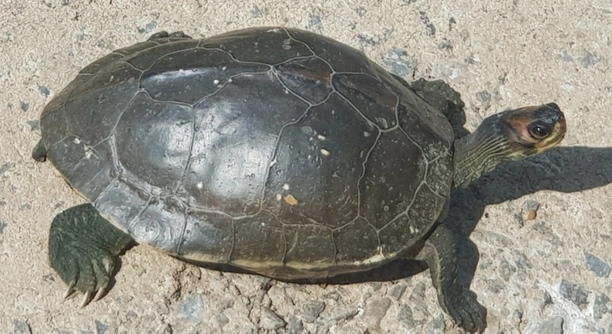
Sometimes, you might notice your Indian Roofed Tortoise isn’t eating as much as usual. This behavior can be concerning, especially if you’re unsure what’s causing it. Understanding the reasons behind this is crucial for its well-being.
Several factors can cause an Indian Roofed Tortoise to stop eating, such as improper diet, stress, temperature changes, or even illness. Addressing these issues quickly is essential to ensuring your tortoise’s health and restoring its appetite.
Knowing the causes of your tortoise’s lack of appetite can help you act quickly. By identifying these mistakes early on, you’ll be able to better support your pet’s health.
1. Incorrect Diet and Poor Nutrition
If your Indian Roofed Tortoise stops eating, a poor diet may be to blame. These tortoises need a varied and balanced diet, including leafy greens, fruits, and vegetables. A lack of essential nutrients can lead to a loss of appetite. Feeding them the wrong types of food, such as too much fruit or processed foods, can also upset their digestive system.
The right balance of calcium, fiber, and vitamins is key. Offering a mix of greens like collard, dandelion leaves, and grasses is beneficial. Avoid high-fat foods or anything too hard for your tortoise to digest easily.
To ensure your tortoise stays healthy, provide a variety of fresh, safe foods and avoid overfeeding or underfeeding. A good diet plays a significant role in keeping them happy and eating regularly. Consider also adding a calcium supplement if necessary to prevent any nutrient deficiencies.
2. Stress or Unfamiliar Environment
Stress can have a big impact on your tortoise’s eating habits. When they feel stressed, they may refuse food altogether. Changes in their environment, such as loud noises, other pets, or a new habitat, can make them anxious and cause a loss of appetite.
Tortoises are creatures of habit, and any change in their environment can affect their mood and eating routine. Moving their enclosure, adding new tank mates, or rearranging decorations can create unnecessary stress.
To reduce stress, try to keep their environment calm and stable. If you’ve recently moved their enclosure or introduced something new, give them time to adjust. Allowing them to settle down in their familiar space can help restore their eating habits. Regularly monitor the temperature and lighting as well, as these are also important factors in their comfort and well-being.
3. Inadequate Temperature and Lighting
If the temperature in your tortoise’s habitat is too low or too high, it can affect their digestion and overall health. Tortoises rely on heat to properly digest their food, and without proper warmth, they may stop eating.
Make sure their enclosure has both a warm and cool side, with a basking area that reaches around 90°F (32°C) and a cooler area around 75°F (24°C). Proper lighting is equally important. UVB light helps with vitamin D3 production, which is necessary for calcium absorption. Without this, your tortoise might become lethargic and lose interest in food.
If the temperature is not within the recommended range, your tortoise might not feel hungry. Check the temperature regularly to ensure it is just right, and provide a UVB light source that mimics natural sunlight. Without it, your tortoise could develop health problems over time.
4. Illness or Pain
When a tortoise isn’t eating, illness or pain could be the reason. They often hide their discomfort, so it might not be immediately obvious that they’re unwell. If your tortoise is refusing food, it may be due to an underlying medical issue.
If your tortoise is showing other signs such as lethargy, swollen eyes, or abnormal behavior, it’s important to consult a vet. Common health problems include respiratory infections, parasites, or mouth rot. Any of these conditions can significantly affect their appetite. Early diagnosis and treatment are crucial for preventing serious complications.
Ignoring potential health problems can lead to worsening symptoms, making it harder to treat the condition. A vet can determine the exact cause of the issue and suggest appropriate treatments. If your tortoise seems to be in pain, it’s essential to get them proper care as soon as possible to avoid further distress.
5. Overfeeding
Overfeeding your tortoise can make them less interested in eating, as they might feel full or sluggish. Offering too much food too often can overwhelm their digestive system, leading to a loss of appetite.
To prevent overfeeding, stick to a regular feeding schedule and offer food in moderation. Keep track of how much they eat to avoid overloading their system. Offering smaller portions helps maintain their energy and hunger.
Ensure that food is fresh and not left in the enclosure for too long. Rotting food can discourage them from eating and even cause health issues.
6. Lack of Variety in Diet
Feeding your tortoise the same food repeatedly can lead to boredom and a lack of interest in eating. Just like us, they need variety to stay excited about mealtime.
Try offering different types of greens, vegetables, and fruits to keep things fresh. Rotate foods regularly, so they’re always getting something new. When tortoises eat the same food consistently, they may become disinterested, making mealtime a chore for them.
Introducing different textures and flavors will help keep their appetite healthy. Don’t be afraid to experiment and find what works best for your tortoise’s taste preferences.
7. Seasonal Changes
Tortoises can go through periods of reduced appetite due to seasonal changes. As cold-blooded animals, they are sensitive to shifts in the weather, and their metabolism can slow down in response to lower temperatures.
During colder months, some tortoises may enter a form of hibernation or brumation, where their activity and food intake decrease. This is normal, but you should still monitor them to make sure they are not showing signs of illness.
Ensure that the temperature and humidity in their enclosure are stable during these changes, so they remain comfortable. If you are concerned, consult with a vet to rule out any health problems.
FAQ
Why is my Indian Roofed Tortoise not eating?
There are several reasons why your tortoise might refuse food. Common causes include stress, improper diet, environmental changes, illness, or inadequate temperature and lighting. Tortoises are sensitive to their environment and need stable conditions to thrive. If you notice other symptoms like lethargy or swelling, it could be a sign of illness. It’s important to check their habitat, diet, and health status to figure out the root cause.
How can I encourage my tortoise to start eating again?
Start by addressing the basics: ensure the temperature in the enclosure is correct, offer a variety of fresh foods, and reduce any stressors like loud noises or other animals. If they have been underfed, increase the frequency of meals but ensure they’re appropriate portions. If the problem persists, take them to a vet to rule out any health issues.
What should I feed my Indian Roofed Tortoise?
Their diet should consist mainly of leafy greens like dandelion leaves, collard greens, and kale. You can also offer a variety of vegetables such as squash and carrots. Fruits like berries and melon can be fed occasionally. Avoid feeding them high-fat foods like lettuce or processed foods. Ensure they get the right amount of calcium by offering a calcium supplement, especially if they’re not eating enough variety.
Can stress cause my tortoise to stop eating?
Yes, stress is one of the most common reasons a tortoise might refuse food. Environmental changes, new additions to the household, or even sudden noises can trigger stress. Make sure your tortoise’s enclosure is placed in a calm area, away from loud sounds or excessive handling. Stressful situations can affect their appetite, so providing a quiet, comfortable space is key.
How do I know if my tortoise is sick?
If your tortoise stops eating and shows other signs like lethargy, swollen eyes, or abnormal behavior, it could be a sign of illness. In addition, look for signs such as nasal discharge, a runny nose, or difficulty moving. If you notice any of these symptoms, it’s best to take your tortoise to the vet for a check-up as soon as possible.
Can I feed my tortoise the same food every day?
Feeding your tortoise the same food every day isn’t recommended. Tortoises need a variety of foods to ensure they’re getting all the necessary nutrients. Rotate different types of leafy greens, vegetables, and fruits to prevent boredom and promote a healthy appetite. A varied diet will help keep your tortoise interested in eating and support its long-term health.
How do I know if my tortoise is dehydrated?
Dehydration can lead to a lack of appetite and other health issues. If your tortoise isn’t eating, check for signs of dehydration such as sunken eyes, dry skin, or a dry, cracked shell. Offer fresh water regularly, and consider soaking your tortoise in warm water to help them hydrate. Always make sure that water is available and clean in their enclosure.
Is it normal for my tortoise to stop eating during the winter?
Yes, many tortoises, including the Indian Roofed Tortoise, experience a decrease in appetite during colder months. As cold-blooded animals, they rely on the temperature around them to regulate their body functions. During the winter, they may slow down their metabolism, and their appetite decreases. If they aren’t eating, it might just be due to brumation, but ensure the habitat is warm enough to prevent other issues.
How can I make my tortoise’s enclosure more comfortable?
Ensure your tortoise’s enclosure has a temperature gradient, with a basking area reaching around 90°F (32°C) and a cooler side at 75°F (24°C). UVB lighting is also essential for their health, as it helps with calcium absorption. Adding natural elements like rocks and plants can mimic their natural habitat and help reduce stress. Make sure the substrate is clean, and that there’s enough space for them to roam around.
Why is my tortoise eating too much?
If your tortoise is eating too much, it might be due to overfeeding or not getting the right type of food. Ensure you’re feeding appropriate portions and offering a balanced diet. Overfeeding can lead to digestive issues and other health problems. Monitor how much they’re eating and adjust portions accordingly, based on their activity level and size.
Can I give my tortoise treats?
Yes, you can offer occasional treats like fruits, but only in moderation. Fruits are high in sugar, and feeding them too often can lead to weight gain or digestive problems. Stick to a base diet of leafy greens and vegetables, using fruits or other high-calcium foods as a supplement rather than a primary food source.
What should I do if my tortoise is not eating but seems active?
If your tortoise is still active but refuses to eat, check its environment, diet, and temperature. Make sure there’s nothing stressing it out, and ensure that their enclosure is at the right temperature. If their activity level is normal but they still won’t eat, it might be a temporary issue, but watch for other signs that could indicate a health problem. If it continues, a vet visit is recommended.
Is it safe to feed my tortoise commercially prepared food?
Some commercially prepared food can be used as a supplement to a tortoise’s diet, but it should never replace fresh greens and vegetables. Read the ingredients carefully to ensure it doesn’t contain preservatives, added sugars, or excessive amounts of fat. Always prioritize fresh, natural foods to meet their nutritional needs.
Final Thoughts
Understanding why your Indian Roofed Tortoise isn’t eating can be tricky, but by addressing key factors, you can often find a solution. It’s important to take a careful look at their environment, diet, and health. These tortoises, like many reptiles, are sensitive to changes in their habitat, diet, and even temperature. Small adjustments can make a big difference in bringing their appetite back. Monitoring their eating habits, behavior, and physical condition is essential for ensuring they stay healthy.
In many cases, it’s a combination of factors that affect a tortoise’s willingness to eat. For example, improper temperature, stress from changes in their environment, or an unbalanced diet can all contribute to a loss of appetite. It’s crucial to maintain a consistent, calm environment where they feel safe and comfortable. Regularly check that their enclosure is the right temperature, and provide them with a varied diet to keep their meals interesting. By making small changes, you may find that your tortoise’s eating habits improve over time.
If, after making adjustments, your tortoise still refuses food, it’s best to consult a vet. Illness or injury might be the cause, and it’s important not to overlook potential health issues. A vet can help determine if there’s an underlying problem that requires treatment. Remember, your tortoise’s health and happiness are directly tied to the care you provide, and taking steps to address any eating issues will help ensure they thrive for years to come.

Hello,
If you enjoy the content that we create, please consider saying a "Thank You!" by leaving a tip.
Every little bit helps us continue crafting quality advice that supports the health, happiness, and well-being of pets around the world, for pets of all shapes, sizes, and species.
We really appreciate the kindness and support that you show us!