
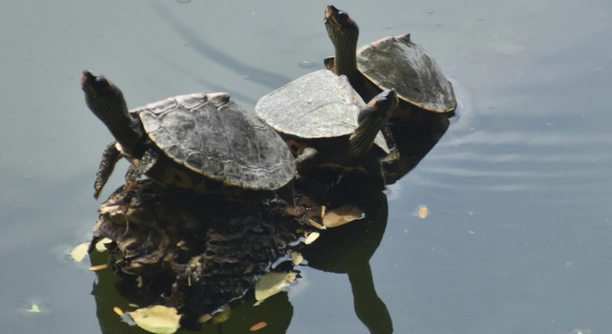
Are you noticing your Indian Roofed Tortoise acting skittish lately? Its sudden change in behavior might leave you concerned, but it’s important to understand what could be causing this shift in its actions. Tortoises can be sensitive creatures.
Indian Roofed Tortoises may act skittish due to stress, discomfort, or environmental changes. Factors like sudden temperature shifts, unfamiliar surroundings, or improper diet can trigger anxiety, leading to erratic movements. Ensuring a stable environment is crucial for their well-being.
Taking a closer look at its habitat, diet, and daily routines will help you understand what might be causing this unusual behavior. With a few adjustments, you can create a comfortable, calm environment for your tortoise.
Stress and Anxiety in Tortoises
Indian Roofed Tortoises are sensitive creatures and can easily become stressed or anxious. Stress can stem from several sources such as loud noises, new environments, or sudden changes in their routine. It’s essential to keep their living space calm and quiet. If they’re not used to a new location or changes around them, this can cause them to behave skittish. Stress can also occur if they feel threatened or unsafe, whether from a pet or unfamiliar people in their environment. Creating a consistent, familiar space for your tortoise will help reduce these stress factors.
A stable, quiet environment with minimal disruptions will go a long way in helping your tortoise feel safe. Keeping their surroundings as close to what they’re used to is key.
Try to minimize changes to their habitat, avoid loud noises, and limit handling unless necessary. If the environment feels unsettling to them, they may become more defensive or skittish. Taking small steps to reduce their stress can make a big difference in how they behave.
Temperature and Habitat Issues
Temperature plays a significant role in your tortoise’s well-being. Tortoises are cold-blooded, so their body temperature is regulated by their surroundings. If the temperature in their habitat is too hot or too cold, they can become uncomfortable, leading to stress or erratic behavior.
Ensuring that your tortoise’s enclosure has the correct temperature gradients is vital. It should provide both a warm basking area and a cooler side. A basking spot around 90°F and a cooler area of 70°F to 75°F will help your tortoise maintain its comfort.
In addition to temperature, humidity and lighting are also essential. Inadequate UVB light or incorrect humidity levels can cause discomfort, leading to behavior changes. If your tortoise is acting skittish, it’s worth checking if these environmental factors are in line with their needs. A simple adjustment could make them feel more at ease.
Handling and Interaction
Indian Roofed Tortoises can become skittish if they’re handled too much or too roughly. Excessive interaction may make them feel threatened and stressed. Tortoises need time to adjust to their environment before being handled regularly.
It’s important to avoid picking up your tortoise too often. Instead, let it explore its surroundings at its own pace. If handling is necessary, be gentle and calm. Sudden movements or loud sounds can startle them, making them more anxious. Tortoises are naturally shy, and a little patience will help them trust you more.
Create a calm, safe space for your tortoise and allow them time to acclimate. You can start handling them more often once they seem comfortable and familiar with their environment. Respecting their boundaries is key to keeping them from feeling skittish.
Diet and Nutrition
An improper diet can also cause your tortoise to act skittish. When their nutritional needs aren’t met, it can lead to discomfort and anxiety. If they aren’t getting the right balance of food, they might act out.
Make sure your tortoise’s diet includes a mix of leafy greens, vegetables, and occasional fruits. Offering a variety of foods ensures that they get the right nutrients. Avoid feeding them foods that are too high in protein or too low in fiber. These dietary imbalances can affect their digestion, leading to stress.
You might also want to check if your tortoise is eating regularly. If it’s not eating enough, this could be a sign of illness or discomfort. If you notice any changes in their eating habits, it’s a good idea to consult a vet to rule out any health issues.
Illness or Injury
Sometimes, a skittish behavior might be a sign of illness or injury. If your tortoise is in pain or not feeling well, it may act more nervous or defensive. Keeping an eye on their physical condition can help catch any health issues early.
Look for signs of illness, such as lethargy, loss of appetite, or unusual behavior. If your tortoise is acting skittish along with any of these symptoms, it’s best to consult a vet as soon as possible. Tortoises can be good at hiding their discomfort, so regular checks are important.
Overcrowding or Too Much Space
Both overcrowding and too much space can make your tortoise feel uneasy. If the enclosure is too small, your tortoise may feel trapped or stressed. If the space is too large, it might have difficulty finding food or shelter, leading to anxiety.
Finding the right balance is key. A comfortable, properly-sized habitat allows your tortoise to explore while still feeling safe. Too much or too little space can disrupt its sense of security, leading to skittish behavior.
FAQ
Why is my Indian Roofed Tortoise hiding?
Hiding is a natural behavior for tortoises, especially when they’re feeling stressed or threatened. If your tortoise is suddenly hiding more often than usual, it may be reacting to changes in its environment, such as loud noises, a new pet, or unfamiliar people. It could also be a sign that the temperature or lighting isn’t ideal for them. Ensure that your tortoise has a hiding spot where it feels safe. If hiding becomes excessive, check for other signs of stress or illness, and make adjustments to its environment.
How can I calm my skittish tortoise?
To calm a skittish tortoise, it’s essential to create a peaceful and consistent environment. Reduce any sudden changes, such as loud noises, rapid movements, or overcrowding. Give your tortoise time to acclimate to its space, and avoid handling it too much. A calm, quiet environment with appropriate temperatures and humidity will help your tortoise feel safe and reduce anxiety. With patience and gentle interaction, your tortoise may become more comfortable and less skittish over time.
Should I feed my tortoise at the same time every day?
Yes, feeding your tortoise at the same time every day helps establish a routine, which can reduce stress. Tortoises are creatures of habit, and consistency in feeding time helps them feel secure. It’s also important to provide fresh food every day and monitor their eating habits. A steady feeding schedule will help keep your tortoise healthy and may contribute to a more relaxed behavior. However, make sure to avoid overfeeding and offer a balanced diet.
Can too much handling cause stress?
Yes, too much handling can stress your tortoise. While tortoises can become accustomed to human interaction, they don’t like being picked up frequently. Excessive handling can make them feel vulnerable and anxious, leading to skittish behavior. If you need to handle your tortoise, be calm and gentle. Allow it time to adjust to your presence and handle it only when necessary. Always let your tortoise come out of its shell and explore on its own terms.
Why is my tortoise not eating?
Loss of appetite in tortoises can happen for a number of reasons. It could be related to stress, illness, or environmental factors like incorrect temperature or lighting. If your tortoise has suddenly stopped eating, check if the habitat conditions are suitable. Also, make sure the food you’re offering is fresh and appropriate for its species. If the lack of appetite continues, it may be time to consult a veterinarian to rule out any health issues.
How can I make my tortoise feel more secure?
Making your tortoise feel secure is key to reducing skittishness. First, ensure that its enclosure is the right size and provides both hiding spots and areas for basking. Keep the habitat consistent by avoiding sudden changes in temperature or lighting. Regular but gentle interaction will also help it feel more comfortable with you. Avoid overcrowding the space with too many objects, and make sure there are no loud noises or disturbances around the enclosure. A secure tortoise is a relaxed tortoise.
Why does my tortoise pace around its enclosure?
Pacing is often a sign of stress or boredom. If your tortoise is pacing, it could be feeling confined, either because the space is too small or because it doesn’t have enough stimulation. Make sure the enclosure provides enough space for your tortoise to roam. Adding objects to climb or explore can also help. If the environment seems right, but your tortoise is still pacing, it might be reacting to other stressors, such as temperature fluctuations, lack of food, or anxiety from excessive handling.
Is it normal for my tortoise to be more active at certain times?
Yes, it is normal for tortoises to be more active at certain times of the day. Most tortoises are diurnal, meaning they are more active during the day. They tend to bask in the morning and evening, and rest during the hottest part of the day. Knowing the active times for your tortoise can help you ensure they’re getting the right amount of exercise and proper basking time. If your tortoise is very active at unusual times, check the lighting and temperature, as they might be affecting its sleep cycle.
Can stress cause health problems in tortoises?
Yes, stress can lead to health problems in tortoises. Prolonged stress weakens their immune system, making them more susceptible to illness. Stress-related behaviors like loss of appetite, hiding, or pacing can indicate that the tortoise’s body is under strain. A stressed tortoise is also more likely to develop skin or shell problems, respiratory issues, and digestive disorders. It’s crucial to address stress factors in the environment to prevent long-term health issues and help your tortoise stay happy and healthy.
How often should I clean my tortoise’s enclosure?
It’s important to clean your tortoise’s enclosure regularly to maintain a healthy environment. Spot clean daily by removing uneaten food, feces, and any soiled bedding. A thorough cleaning of the entire enclosure should be done once a week. This includes replacing the substrate, disinfecting the water dish, and wiping down surfaces to prevent the growth of harmful bacteria. Keeping the enclosure clean helps prevent infections and ensures that your tortoise lives in a hygienic space.
What kind of lighting does my tortoise need?
Tortoises need proper lighting to stay healthy. They require UVB light to help them process calcium and maintain a strong shell. A UVB bulb should be placed within a safe distance of your tortoise’s basking spot. This light should be on for about 10 to 12 hours a day, simulating natural sunlight. Without adequate UVB lighting, tortoises can suffer from metabolic bone disease and other health problems. Make sure to replace the bulb every six months, even if it still appears to be working.
Final Thoughts
Understanding why your Indian Roofed Tortoise is acting skittish can help you address the underlying issues and improve its well-being. Tortoises are naturally sensitive creatures, and small changes in their environment can cause noticeable shifts in their behavior. From temperature fluctuations to stress caused by overhandling, there are several factors that can make your tortoise feel uneasy. Observing its behavior carefully and making necessary adjustments can reduce stress and help your tortoise feel more comfortable.
Creating a stable environment is key. This means ensuring the temperature, humidity, and lighting are just right for your tortoise’s needs. It’s also important to provide a consistent routine for feeding and handling. If your tortoise is hiding, pacing, or acting skittish, it’s worth looking at these elements first. Sometimes, the solution can be as simple as providing more hiding spaces, changing its food, or adjusting the temperature in its enclosure. In some cases, skittish behavior may also signal a health issue, so it’s important to monitor for any signs of illness and consult a vet if necessary.
Above all, remember that your tortoise’s well-being depends on a calm and stable environment. Avoid making drastic changes or handling your tortoise too much, as this can increase anxiety. Patience and careful observation are essential for creating a safe, comfortable space for your tortoise. When in doubt, consult with a reptile expert or veterinarian to ensure your tortoise is healthy and happy. By addressing these factors, you can help reduce your tortoise’s skittish behavior and foster a healthier, more relaxed environment for it to thrive.

Hello,
If you enjoy the content that we create, please consider saying a "Thank You!" by leaving a tip.
Every little bit helps us continue crafting quality advice that supports the health, happiness, and well-being of pets around the world, for pets of all shapes, sizes, and species.
We really appreciate the kindness and support that you show us!