
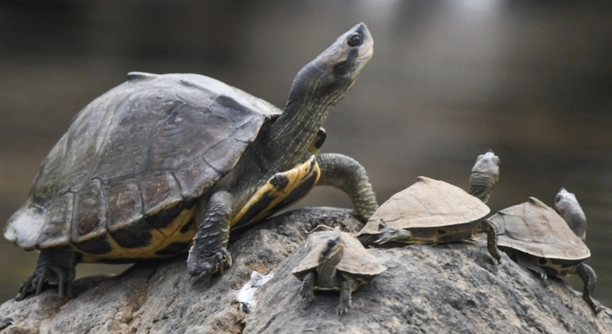
Indian Roofed Tortoises are unique creatures with specific needs that are essential for their well-being. Knowing how to create a natural and enriching environment for them can make a big difference in their health and happiness.
Encouraging natural behavior in Indian Roofed Tortoises can be achieved through proper habitat setup, appropriate feeding, environmental enrichment, and stress reduction. Ensuring they have space to roam and engage in natural activities will help them thrive.
Creating an environment that feels natural to your tortoise will help you understand their behaviors and needs. These small adjustments can make a big impact on their overall well-being.
Providing a Natural Habitat
Indian Roofed Tortoises are terrestrial animals, and their habitat should reflect their natural environment. This species is native to India and Sri Lanka, where they thrive in dry, forested areas with plenty of space to roam. To replicate this environment, you should focus on providing a large, secure enclosure with a mix of substrates such as soil, sand, and leaves. These materials allow them to dig, burrow, and explore, which is vital for their natural behavior.
It’s important to have areas where they can hide or retreat when feeling stressed. This helps mimic their natural instincts to find shelter and safety. Adding rocks, logs, and plants can also enrich their environment, encouraging them to climb, explore, and forage.
Regular maintenance is essential to keep their enclosure clean while ensuring they have the proper temperature and humidity levels. A balanced setup will allow your tortoise to display natural behaviors such as grazing and foraging, leading to better overall health.
Creating Proper Temperature and Lighting
Heat and light are essential for the health of your tortoise. Providing a temperature gradient will allow your tortoise to choose a spot where they can regulate their body temperature.
A basking spot with temperatures around 95°F is important for them to digest food and absorb nutrients properly. The cooler side of the habitat should be between 75°F and 80°F to provide a range of temperatures. UVB lighting is necessary to mimic sunlight and ensure your tortoise gets enough vitamin D3, crucial for calcium absorption.
Having the correct temperature and lighting in place will allow your tortoise to feel secure, and it helps prevent illnesses that could arise from an improper environment. The right setup supports natural behavior and overall well-being.
Diet that Encourages Natural Foraging
Indian Roofed Tortoises are herbivores, and their diet plays a significant role in encouraging natural behavior. In the wild, they graze on grasses, leaves, and some fruits. In captivity, offering a variety of leafy greens, such as dandelion greens, collard greens, and clover, is essential. You can also include some flowers like hibiscus or geraniums, ensuring they are free from pesticides.
Providing fresh food daily, along with occasional treats like fruit, encourages natural foraging behavior. This is not only stimulating for them but also beneficial for their digestion. It’s important to avoid feeding them processed foods or high-protein diets, which can cause health issues like shell deformities.
Since tortoises like to forage and nibble, it’s beneficial to scatter their food throughout their enclosure. This will encourage them to move around and search for their meals, simulating the experience of foraging in the wild.
Reducing Stress and Noise
Indian Roofed Tortoises are sensitive to stress, and creating a calm environment is key to their well-being. Loud noises, sudden movements, or overcrowded enclosures can make them feel threatened, leading to unhealthy behaviors.
Keeping their environment peaceful by limiting noise and disruptions can help your tortoise stay relaxed. Having a consistent routine with regular feeding and cleaning times can also reduce stress. Make sure their enclosure is away from heavy foot traffic or loud noises like TVs or pets, as this can affect their mood and behavior.
A stress-free environment encourages natural movements like walking, basking, and exploring. Ensuring they have space and a sense of security will help them display behaviors that are typical in the wild, improving their quality of life.
Encouraging Natural Movement
Tortoises are naturally slow movers, but they need space to roam and explore. Without enough room, they may become lethargic, which can affect their health. It’s essential to provide an environment that promotes movement.
A larger enclosure allows them to walk around and stretch their legs. Include obstacles like logs, rocks, or plants to encourage exploration. These features create a more dynamic environment, stimulating natural movements such as climbing or hiding. Tortoises also like to dig, so providing soft substrates is crucial to enable this instinctive behavior.
Natural movement also supports muscle development and digestion. When they have room to move freely, tortoises can engage in behaviors that strengthen their bones and improve their overall well-being.
Regular Bathing for Hydration
Indian Roofed Tortoises need proper hydration, and one way to encourage this is by regularly offering baths. Bathing your tortoise helps keep them hydrated and can also encourage natural behaviors like soaking and drinking water.
You can fill a shallow dish with lukewarm water and allow your tortoise to soak for 15-30 minutes a few times a week. This helps maintain skin health, prevents dehydration, and encourages behaviors similar to those in the wild, where they often seek water sources to drink and soak in.
Always ensure the water level is not too high, as tortoises can easily drown in deep water. Bathing not only hydrates them but also promotes relaxation, helping them feel more comfortable in their habitat.
Offering Variety in Diet
Indian Roofed Tortoises benefit from a varied diet that closely resembles what they would eat in the wild. Different types of plants, grasses, and weeds are essential for their nutrition. Regularly offering new foods will encourage natural foraging behaviors.
Incorporate a mix of leafy greens, wild grasses, and edible flowers. Always avoid feeding them processed or high-protein foods, as these can lead to health issues. You can also provide small amounts of fruits like papaya or melon as treats, ensuring they are fresh and pesticide-free.
A varied diet not only keeps your tortoise engaged but also supports their health. This mimics their natural feeding habits, ensuring a balanced and enriching life.
Providing Hiding Spaces
Tortoises need a sense of security, so hiding spots are essential for reducing stress. Provide dark, sheltered areas where they can retreat when they feel threatened.
Creating hiding spots with logs, plants, or even commercial tortoise hides will help them feel safe. These spaces mimic natural burrows and allow them to rest without feeling exposed or vulnerable.
Creating Natural Light Cycles
Natural light plays a key role in regulating your tortoise’s biological rhythms. It’s important to mimic day and night cycles to keep them healthy.
A proper UVB light setup is necessary for vitamin D3 synthesis, supporting their calcium absorption. Additionally, setting up a day and night cycle with 12 hours of light and 12 hours of darkness helps maintain their circadian rhythm, which influences feeding, resting, and overall well-being.
FAQ
What is the ideal size for an Indian Roofed Tortoise enclosure?
The ideal size for an Indian Roofed Tortoise enclosure depends on the size of the tortoise, but generally, a minimum of 4×6 feet is recommended for an adult. The enclosure should provide enough space for movement and exploration. Larger spaces allow them to engage in natural behaviors, such as walking, digging, and foraging. A spacious environment reduces stress and promotes a healthier tortoise by enabling more active behaviors.
Can I keep more than one Indian Roofed Tortoise together?
Yes, but caution is necessary. Indian Roofed Tortoises can live together if they are introduced properly and the enclosure is large enough. However, you should monitor their interactions closely. Sometimes, tortoises may become territorial, especially if space is limited, leading to aggression. It’s important to provide enough hiding spots and visual barriers to reduce stress and prevent fights. Always keep an eye on their behavior and separate them if any issues arise.
What should I feed my Indian Roofed Tortoise?
Indian Roofed Tortoises are herbivores. Their diet should consist of a variety of leafy greens like dandelion greens, collard greens, and mustard greens. You can also provide grasses, edible flowers like hibiscus, and weeds that are safe for tortoises. Occasional fruits, such as melon or papaya, can be given as treats. Always avoid feeding them high-protein foods like meats or processed foods, as these can cause health problems, such as kidney damage or shell deformities.
How often should I feed my tortoise?
Tortoises should be fed daily, but you should pay attention to their eating habits and adjust accordingly. It’s important to offer a variety of fresh, leafy greens each day. A healthy adult tortoise typically eats once a day, but younger tortoises may require more frequent feedings to support their growth. Always ensure that fresh food is available and monitor their consumption to ensure they are getting enough.
How can I make sure my tortoise stays hydrated?
Tortoises need access to clean water at all times. You can offer a shallow water dish, ensuring it’s not too deep to avoid the risk of drowning. Many tortoises also benefit from regular baths, which help them stay hydrated. A soak in lukewarm water for 15-30 minutes, two to three times a week, is beneficial. Bathing not only ensures hydration but also helps with digestion and skin health. Keep the water fresh and clean to encourage drinking.
How do I provide proper lighting for my tortoise?
Indian Roofed Tortoises require UVB lighting to help with vitamin D3 production, which is essential for calcium absorption. A UVB light should be on for 12 hours during the day and turned off at night to mimic natural sunlight cycles. Additionally, a basking spot should be provided, with temperatures around 95°F, to give them a place to regulate their body heat. Ensure the UVB bulb is replaced every 6-12 months, as its effectiveness diminishes over time.
What temperature should the enclosure be?
The temperature inside the enclosure should range from 75°F to 80°F on the cooler side and around 95°F in the basking area. This temperature gradient allows the tortoise to regulate its body temperature by moving between warm and cooler spots. Ensure that nighttime temperatures don’t drop below 70°F. Maintaining proper temperatures is crucial for digestion, activity levels, and overall health.
How can I encourage my tortoise to be more active?
A well-enriched environment is key to encouraging activity. Providing a large enclosure with plenty of obstacles like logs, rocks, and plants will encourage your tortoise to explore and move. Additionally, offering varied foods scattered around the enclosure mimics natural foraging behaviors. A clean, safe, and calm environment also encourages activity, as stress can lead to lethargy.
Can I take my tortoise outside?
Yes, you can take your Indian Roofed Tortoise outside, but be cautious. Outdoor excursions should be supervised, and you should ensure the area is secure and free from predators. Tortoises enjoy natural sunlight, but only allow them outside on warm, dry days. Be sure they have access to shaded areas for when they want to retreat from the sun. Outdoor activities can help them engage in natural behaviors like foraging and basking, which are great for their health.
How can I prevent my tortoise from getting stressed?
Tortoises can become stressed from factors like loud noises, sudden movements, or overcrowding. To reduce stress, keep their enclosure in a quiet, low-traffic area. Provide hiding spots and make sure they have enough space to roam. A predictable routine, including feeding and cleaning times, also helps them feel secure. Avoid handling them too much, as frequent disturbances can be stressful for them.
What should I do if my tortoise is not eating?
If your tortoise isn’t eating, there could be several reasons, including stress, illness, or environmental issues. First, check the temperature, humidity, and lighting in their enclosure to ensure they are within the proper range. If the environment is correct and the tortoise still isn’t eating, it might be worth consulting a vet to rule out any health problems. Sometimes, a change in diet or offering more appealing food, such as their favorite fruits or flowers, can also encourage them to eat.
Final Thoughts
Caring for an Indian Roofed Tortoise requires understanding their natural behaviors and providing the right environment to support them. These tortoises are not just pets; they are unique creatures with specific needs that must be met to keep them healthy and happy. By creating a habitat that mimics their natural surroundings, offering a balanced diet, and ensuring the proper temperature and lighting, you can help your tortoise lead a fulfilling life. Simple actions like providing hiding spaces, giving them room to move, and regularly bathing them can make a big difference in their overall well-being.
Encouraging natural behavior is key to ensuring that your tortoise remains active and healthy. By offering a variety of food, allowing space for foraging, and ensuring they have a secure place to hide when needed, you create an environment where your tortoise can thrive. Keeping the enclosure clean and maintaining consistent care routines will help reduce stress and promote healthier behaviors. Observing their actions and adjusting the habitat or diet when needed is essential for their long-term health.
While it might take some time to fully understand your tortoise’s individual needs, the rewards are well worth the effort. A healthy, well-cared-for tortoise will display natural behaviors such as foraging, basking, and exploring, which are signs of a content and thriving animal. With the right care and environment, your tortoise can live a long, healthy life, enriching both your world and theirs.

Hello,
If you enjoy the content that we create, please consider saying a "Thank You!" by leaving a tip.
Every little bit helps us continue crafting quality advice that supports the health, happiness, and well-being of pets around the world, for pets of all shapes, sizes, and species.
We really appreciate the kindness and support that you show us!