
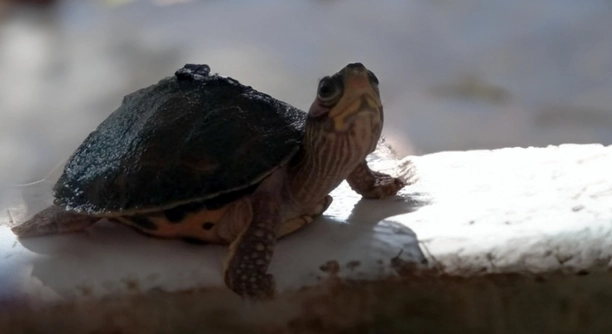
Indian roofed tortoises are known for their friendly and calm nature. However, if your pet tortoise is losing weight, it could be a sign of an underlying problem. Understanding the reasons for this change is crucial.
Several factors can contribute to weight loss in Indian roofed tortoises, including inadequate diet, stress, improper habitat conditions, or health issues. Ensuring proper care, a balanced diet, and the right environment is essential for maintaining their health.
In this article, we will cover the common reasons behind weight loss in these tortoises and how you can address them to keep your pet healthy.
Inadequate Diet and Nutrition
One of the most common reasons for weight loss in an Indian roofed tortoise is a poor diet. These tortoises require a varied diet that includes leafy greens, vegetables, and occasional fruit. If they are not getting the right nutrients, they can become weak and lose weight. Over-reliance on a single type of food or feeding too many high-calcium foods can cause nutritional imbalances. This can lead to poor health and weight loss.
A diet lacking in fiber or hydration can also have negative effects. Without proper hydration, your tortoise may struggle with digestion, affecting their overall health. A diet that is too low in fiber can cause them to become lethargic and lose interest in eating, resulting in weight loss.
It’s important to provide your tortoise with a variety of food to meet their nutritional needs. Feeding them fresh, organic greens, vegetables, and occasional fruit will keep them healthy and happy. Providing clean, fresh water daily is just as essential to ensure they stay hydrated.
Stress from Environmental Factors
Environmental stress can lead to weight loss in Indian roofed tortoises. These animals need a safe, calm, and consistent environment to thrive. Any disruptions, such as loud noises or a change in habitat, can cause them to feel stressed and anxious.
When stressed, your tortoise may stop eating or become less active, leading to a decrease in weight. Make sure the habitat is designed with their comfort in mind. They need a temperature-controlled environment, proper lighting, and a hiding spot to feel secure. Additionally, ensure there are no sudden changes in the surrounding area.
Providing a stable and quiet environment can help prevent stress. Tortoises also need a consistent feeding schedule to help them feel secure. When they feel safe, they are more likely to maintain a healthy weight and stay active.
Improper Habitat Conditions
If the habitat is not set up correctly, your tortoise may lose weight due to stress or poor health. They need an appropriate temperature range, humidity levels, and proper lighting to stay active and healthy. If these conditions are not met, they may stop eating and lose weight.
Temperature is a critical factor for Indian roofed tortoises. They need a warm area to bask in, with temperatures reaching around 85°F to 90°F. The cooler side of their enclosure should be around 75°F. Without proper heat, their metabolism slows down, and they may stop eating.
Humidity also plays an important role. Too much humidity can cause respiratory issues, while too little can lead to dehydration. Maintaining the right balance is essential to keeping them healthy. Ensure the enclosure is large enough to allow your tortoise to move freely and find a comfortable spot for basking.
Health Problems and Illness
Health problems are another common reason for weight loss. Indian roofed tortoises are prone to a variety of health issues, such as respiratory infections, parasites, and metabolic bone disease. These conditions can make them lose their appetite, leading to weight loss.
Respiratory infections are common in tortoises kept in damp or poorly ventilated environments. If your tortoise has a runny nose, wheezing, or shows signs of lethargy, it may be sick. Parasites can also cause weight loss and digestive problems. If you notice any unusual behavior, it’s important to consult a vet immediately.
Metabolic bone disease is another serious condition that affects tortoises, causing weakness and loss of appetite. This can result from a lack of calcium in their diet or improper lighting. Make sure to provide UVB light to help them absorb calcium properly. Regular vet check-ups are essential for maintaining their health.
Overfeeding or Underfeeding
Overfeeding or underfeeding your Indian roofed tortoise can both lead to weight problems. Overfeeding causes obesity, while underfeeding results in weight loss. Both extremes are harmful to their health and can shorten their lifespan.
Feeding your tortoise the right portion size is key. They should be offered fresh food daily, with their meals varying to provide a balanced diet. Overfeeding can lead to a sluggish tortoise, causing them to eat less. On the other hand, underfeeding deprives them of essential nutrients, leading to weakness and weight loss.
It’s important to monitor their food intake and avoid offering too many high-calcium foods. A balanced diet of vegetables, greens, and occasional fruit ensures your tortoise gets everything they need without being overfed.
Dehydration
Dehydration is another factor that can cause weight loss in Indian roofed tortoises. If your tortoise isn’t getting enough water, it can impact digestion and cause health problems. Always ensure your tortoise has access to clean, fresh water.
A lack of water leads to reduced appetite, which in turn causes weight loss. Make sure to offer water daily and consider misting the enclosure to maintain proper humidity levels. Dehydration can also cause their skin to dry out, making them more prone to infections.
Lack of Exercise
Indian roofed tortoises need regular exercise to stay healthy and maintain their weight. A lack of movement can lead to weight loss, as their bodies rely on activity to stay strong and burn calories. Make sure to provide a spacious environment where they can move around freely.
FAQ
What should I do if my Indian roofed tortoise is losing weight?
If your tortoise is losing weight, start by checking its diet and habitat conditions. Make sure it’s getting a varied, nutrient-rich diet and that the enclosure has the right temperature, humidity, and lighting. Also, observe if there are any signs of illness like lethargy, discharge from the eyes or nose, or difficulty breathing. If these symptoms are present, a visit to the vet is crucial. Weight loss can sometimes be a sign of a more serious health issue.
How can I ensure my tortoise has a proper diet?
A balanced diet for your Indian roofed tortoise should include a mix of leafy greens like dandelion, collard greens, and kale, along with vegetables such as squash, carrots, and bell peppers. Occasionally, you can feed them small amounts of fruits like strawberries or apples. Be sure to avoid high-calcium foods too often, as they can lead to kidney issues or other imbalances. It’s important to give your tortoise fresh water daily and avoid overfeeding.
Can dehydration cause weight loss in my tortoise?
Yes, dehydration can cause weight loss in Indian roofed tortoises. When a tortoise isn’t properly hydrated, its metabolism slows down, and it may lose its appetite. Without sufficient water, the digestive system doesn’t function properly, leading to potential health issues and weight loss. Make sure to always provide fresh water, and consider adding a shallow water dish that your tortoise can easily access. Misting the habitat occasionally can help maintain humidity and prevent dehydration.
How do I know if my tortoise is stressed?
Stress in tortoises can be caused by sudden changes in their environment, incorrect temperature or humidity, or even loud noises. If your tortoise isn’t eating, seems more withdrawn, or is acting more aggressively than usual, it may be stressed. Look for signs like excessive hiding, lethargy, or pacing. Creating a stable, quiet environment with consistent care is essential to reduce stress and ensure the health of your tortoise.
Is it normal for my tortoise to lose weight during hibernation?
Yes, weight loss during hibernation is normal for some tortoises. When they enter a dormant state, their metabolism slows, and they may not eat for several weeks or months. However, it’s essential to ensure that your tortoise is healthy before hibernation and has a good fat reserve. If you’re concerned about significant weight loss, consult a vet to make sure there are no underlying health problems.
What are the signs of a respiratory infection in my tortoise?
Respiratory infections in tortoises are common, especially in environments with poor ventilation. Symptoms include nasal discharge, wheezing, coughing, or excessive breathing through the mouth. If your tortoise is showing any of these signs, it’s important to take them to the vet for treatment. Respiratory infections can be serious and may lead to further complications if not addressed.
Can overfeeding cause health problems in my tortoise?
Yes, overfeeding can lead to obesity in your tortoise, which can cause long-term health problems. Tortoises are naturally slow-moving, and overfeeding them with high-calcium foods or too much food in general can result in weight gain and a sluggish metabolism. This can lead to digestive issues and general lethargy. It’s important to feed your tortoise appropriate portion sizes and provide a balanced diet.
Why isn’t my tortoise eating?
There are several reasons why your tortoise may not be eating, including stress, illness, improper temperature, or a lack of food variety. If your tortoise is not eating for more than a few days, it’s important to check its habitat conditions, diet, and health. Sometimes a lack of appetite can be due to a health issue, such as an infection or metabolic disease. A visit to the vet can help determine the cause.
How often should I take my tortoise to the vet?
You should take your Indian roofed tortoise for a vet check-up at least once a year. During these visits, the vet can check for any underlying health issues, ensure the tortoise’s diet is appropriate, and verify that the enclosure conditions are optimal. If your tortoise shows signs of illness, such as weight loss, lethargy, or changes in behavior, it’s important to schedule a vet appointment sooner.
What are the most common health problems in Indian roofed tortoises?
Indian roofed tortoises are prone to a few common health issues, such as metabolic bone disease, respiratory infections, and shell problems. Metabolic bone disease often results from inadequate calcium intake or lack of proper UVB lighting. Respiratory infections can develop due to poor ventilation or exposure to cold and damp conditions. Regular vet check-ups and a balanced diet with proper lighting can help prevent many of these health problems.
What kind of enclosure does my tortoise need?
Indian roofed tortoises need a spacious, secure enclosure with both a warm basking area and a cooler side to regulate their body temperature. The enclosure should be large enough for the tortoise to move around comfortably and have hiding spots where they can retreat if needed. UVB lighting is essential for calcium absorption, and the humidity should be maintained at an appropriate level to avoid dehydration. Keep the enclosure clean and ensure that it provides enough space for your tortoise to explore.
How do I prevent my tortoise from getting parasites?
Parasites can be a significant problem for tortoises, especially when they’re kept in unsanitary conditions. To prevent parasites, ensure that your tortoise’s enclosure is cleaned regularly and that food and water are fresh. Avoid introducing wild plants or contaminated items into their habitat. Quarantine any new tortoises before adding them to an enclosure to prevent the spread of parasites. If you notice any signs of parasitic infection, such as abnormal droppings or weight loss, contact a vet for treatment.
Final Thoughts
Taking care of an Indian roofed tortoise requires attention to detail and a commitment to their well-being. If you notice your tortoise losing weight, it’s important to consider factors like their diet, environment, and overall health. A balanced diet is essential, as well as providing proper care in terms of temperature, humidity, and lighting. If these factors are not in check, your tortoise may struggle to maintain a healthy weight and could face other health issues.
Paying close attention to your tortoise’s behavior and appearance can help catch problems early. Stress, improper habitat conditions, and health issues can lead to weight loss, so it’s important to make sure their living space is comfortable and secure. When they are stressed or uncomfortable, they may stop eating or become less active, leading to weight loss. Ensure your tortoise has plenty of space to move around, access to fresh food and water, and a peaceful environment.
Lastly, regular vet visits are essential for monitoring the health of your Indian roofed tortoise. A vet can catch any underlying health issues and provide guidance on their care. If you notice signs of illness or weight loss that don’t seem to improve with adjustments in diet or habitat, consulting a vet is always the best course of action. With proper care and attention, your tortoise can live a long, healthy life.

Hello,
If you enjoy the content that we create, please consider saying a "Thank You!" by leaving a tip.
Every little bit helps us continue crafting quality advice that supports the health, happiness, and well-being of pets around the world, for pets of all shapes, sizes, and species.
We really appreciate the kindness and support that you show us!