
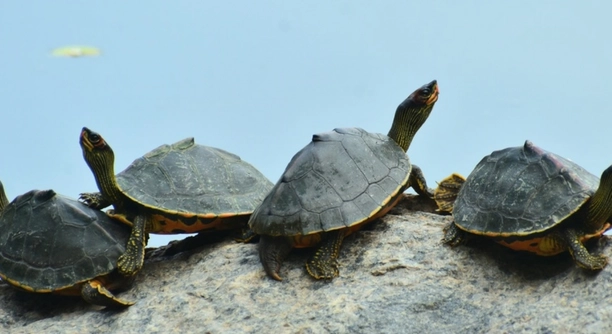
Creating a proper habitat for your Indian Roofed Tortoise requires more than just a suitable enclosure. One essential part of their living space is the plants you choose to add. These plants can serve multiple purposes, from aesthetic to practical.
Selecting the best plants for an Indian Roofed Tortoise enclosure ensures that the environment is both functional and safe. Plants should be non-toxic and provide opportunities for grazing, hiding, and enrichment. Some plants even help with humidity regulation.
Choosing the right plants can significantly improve your tortoise’s quality of life. With the proper plants, you can create a more natural, enriching environment that benefits both the tortoise and the overall habitat.
Importance of Choosing Safe Plants for Your Tortoise
When selecting plants for an Indian Roofed Tortoise enclosure, safety should always be the top priority. Many plants are toxic to reptiles, and ingesting the wrong ones can lead to serious health issues. It’s essential to research and confirm that any plant added to the enclosure is safe for tortoises to consume. Beyond toxicity, plants also provide a more natural habitat, offering food and shelter for your tortoise. The right plants can help reduce stress, mimic their natural environment, and encourage more natural behaviors like foraging. A variety of plants, from low-growing grasses to thicker, bushier plants, will allow your tortoise to explore different textures and hiding spots. These plants not only enhance the enclosure’s look but also contribute to your tortoise’s overall well-being. Additionally, certain plants can help maintain humidity levels, which is crucial for maintaining the proper environment for your pet.
For the best results, choose plants that require minimal care and are sturdy enough to withstand the tortoise’s daily activities.
Ensuring that plants are safe and practical will create a thriving habitat for your tortoise. Their enclosure should be both functional and enjoyable, providing them with a healthy space to roam and interact with their environment.
Best Plants for Indian Roofed Tortoises
The Indian Roofed Tortoise benefits from plants that provide enrichment and nourishment. Some ideal plant choices include dandelion, clover, and hibiscus.
Dandelion is a highly recommended plant because it’s not only safe for tortoises but also packed with essential nutrients. It can grow naturally in the enclosure and be a tasty treat for your pet. Clover, another great choice, is full of vitamins and is easy to grow in most climates. It encourages natural foraging behavior, which is important for your tortoise’s mental and physical health. Hibiscus is also safe and offers vibrant flowers that your tortoise can enjoy. It’s high in fiber, which helps with digestion. These plants can be planted directly in the enclosure or in pots, making it easier to manage. However, make sure that the plants are properly maintained and free from any pesticides or chemicals. Regularly check for mold, pests, or any changes that could harm your tortoise. By adding these plants, you can create a more enriching and natural space for your tortoise to enjoy daily.
Choosing the Right Types of Grasses
Grasses are a great addition to any tortoise enclosure. They provide natural grazing opportunities and help with digestion.
Timothy hay and Bermuda grass are both excellent choices for your tortoise’s habitat. These grasses are safe and provide the necessary fiber to support a healthy digestive system. They can be planted directly into the enclosure, giving your tortoise a grazing area similar to its natural environment. Grass is also a good way to add variety to your tortoise’s diet and encourage them to be more active. Make sure to keep the grass fresh and avoid any pesticides or chemicals when planting.
Grass offers other benefits too. It helps with humidity regulation and can act as a natural ground cover to keep the enclosure’s substrate in place. It also provides hiding spots and additional enrichment as your tortoise explores the environment. Grasses like Bermuda and Timothy are easy to care for and can thrive in most climates. Keep the grass trimmed and monitor the enclosure for any weeds or harmful plants that may sprout up.
Non-Toxic Succulents
Succulents can be a great addition to a tortoise’s enclosure. They’re low-maintenance and can thrive with minimal watering.
A few non-toxic options include prickly pear, aloe vera, and sedum. These plants are safe for tortoises to nibble on and are easy to grow in your enclosure. Succulents also provide some visual variety, making the habitat more interesting.
Succulents are a sturdy plant choice that can withstand the activity of a tortoise. They typically require little care and can tolerate different climates, making them perfect for indoor and outdoor enclosures. However, it’s important to ensure they don’t grow too large or become overly dry. Regular maintenance will keep them healthy and beneficial.
Adding Flowers for Color
Flowers can brighten up the enclosure and provide additional enrichment. Tortoises enjoy munching on edible flowers like pansies or hibiscus.
Flowers like nasturtiums, sunflowers, and marigolds are safe and provide variety in your tortoise’s diet. They add color and life to the habitat, which can make the environment feel more natural.
FAQ
What plants are toxic to Indian Roofed Tortoises?
Certain plants can be dangerous to Indian Roofed Tortoises, so it’s important to avoid them. Common toxic plants include oleander, ivy, and daffodils. These can cause serious health problems, from digestive issues to organ failure. Always research any plant you plan to introduce into the enclosure. Stick to known safe plants like dandelion, clover, and hibiscus. If you’re unsure about a plant, it’s best to err on the side of caution and avoid it. Toxic plants can cause irreversible damage, so always double-check before adding new plants.
Can I plant herbs in my tortoise’s enclosure?
Yes, herbs are a great addition to your tortoise’s environment. Many herbs are safe, nutritious, and easy to grow. Some good options include parsley, basil, and oregano. These plants are safe for tortoises to eat and offer variety in their diet. Fresh herbs can encourage your tortoise to forage naturally, keeping them mentally and physically stimulated. Just make sure to grow the herbs without using pesticides, as these chemicals can harm your tortoise. Herbs are also low-maintenance, requiring only occasional watering and sunlight.
How do I care for the plants in my tortoise’s enclosure?
Caring for plants in your tortoise’s enclosure is relatively simple. Most plants need sunlight and regular watering. The specific care will depend on the type of plant you choose, but a general rule is to ensure they are not overwatered. Some plants, like succulents, need less water, while others, like grasses, might require more frequent watering. Trim any dead leaves or flowers to keep the plants healthy and tidy. Be sure to check for pests regularly and remove any that may appear. Avoid using fertilizers or pesticides, as these can harm your tortoise.
Can I grow plants directly in the enclosure or should I use pots?
Both methods work, but planting directly in the enclosure has its benefits. Growing plants directly in the enclosure allows the tortoise to forage more naturally, just as it would in the wild. It also creates a more stable environment, with the plants more integrated into the enclosure’s substrate. However, planting in pots can make it easier to manage the plants, especially if you need to replace them or control growth. Potted plants are also easier to relocate for cleaning or to adjust lighting conditions. Either method works, but choosing the best one depends on your enclosure setup and preferences.
How can I prevent my tortoise from destroying the plants?
Tortoises love to dig and graze, so it’s common for them to uproot or eat plants. To prevent this, choose hardy plants that can withstand some nibbling and digging. You can also plant the plants in deeper containers or pots to keep them more secure. Another option is to create a barrier around the plants using rocks or a low fence that will allow your tortoise to interact with the plants without damaging them too much. Regularly check the plants for signs of stress, and replace any plants that become too damaged.
Are there any plants that help maintain humidity levels in the enclosure?
Yes, certain plants can help regulate humidity levels in your tortoise’s enclosure. Ferns and moss are both great options for maintaining moisture in the air. These plants can thrive in humid environments, absorbing excess moisture and preventing the enclosure from becoming too dry. Additionally, they can provide shade and hiding spots for your tortoise, adding to the overall enrichment of the habitat. Be sure to monitor the humidity levels regularly, as different plants may require different moisture levels to thrive.
Can I use artificial plants in my tortoise’s enclosure?
While artificial plants are safe in terms of toxicity, they don’t offer the same benefits as live plants. Artificial plants won’t provide your tortoise with food, fiber, or enrichment. They also won’t help regulate humidity or improve the overall aesthetic of the enclosure in the same way natural plants can. If you choose to use artificial plants, ensure they are made from non-toxic materials and are easy to clean. However, live plants provide your tortoise with a more engaging and natural environment that will encourage natural behaviors.
How often should I replace the plants in my tortoise’s enclosure?
Plants in a tortoise’s enclosure may need to be replaced periodically, depending on the type of plants and how well they are maintained. Hardy plants can last for months or even years, while more delicate plants may need to be replaced every few weeks. If the plants become too damaged from grazing or start to deteriorate, it’s time to replace them. It’s also a good idea to rotate plants, allowing them time to recover and regrow while your tortoise enjoys different ones. Regular maintenance will keep the habitat healthy and enjoyable for your pet.
Can I add plants from outside to my tortoise’s enclosure?
Adding plants from your yard or local area is fine, but it comes with some risks. Plants from outside may contain pesticides, herbicides, or other harmful chemicals that can be dangerous to your tortoise. Additionally, wild plants may harbor pests or bacteria that can harm your pet. If you want to bring plants from outside, make sure to wash them thoroughly and check for any potential toxins or pests. It’s often safer to buy plants from a reputable nursery, where they are less likely to be contaminated.
Final Thoughts
Creating the ideal environment for your Indian Roofed Tortoise involves careful planning and consideration. The right plants are an essential part of this process. They offer not only a more natural and enriching space but also contribute to the overall health and well-being of your tortoise. Plants like grasses, herbs, and succulents are excellent choices because they are safe, easy to care for, and provide nourishment. By selecting the appropriate plants, you can mimic the tortoise’s natural habitat and encourage behaviors like grazing and foraging, which are vital for their mental and physical stimulation.
It’s important to remember that not all plants are safe for tortoises. Toxic plants can cause harm, so research is crucial before adding anything new to the enclosure. Focus on non-toxic plants that provide both aesthetic value and nutritional benefits. Be mindful of how the plants are cared for, ensuring they don’t introduce pests, chemicals, or other dangers to the environment. Regular maintenance of both the plants and the enclosure will help create a healthy, balanced habitat for your tortoise. Healthy plants will also support the natural conditions needed for your tortoise to thrive, such as humidity levels and proper shelter.
Lastly, a well-planted enclosure does more than just benefit your tortoise—it enhances the entire habitat. It adds color, texture, and a more natural atmosphere that can be both relaxing and beautiful. By carefully choosing plants that are safe, easy to care for, and enrich your tortoise’s environment, you can create a thriving, low-maintenance habitat. Taking the time to consider the types of plants, their care requirements, and their benefits will result in a happier and healthier tortoise.

Hello,
If you enjoy the content that we create, please consider saying a "Thank You!" by leaving a tip.
Every little bit helps us continue crafting quality advice that supports the health, happiness, and well-being of pets around the world, for pets of all shapes, sizes, and species.
We really appreciate the kindness and support that you show us!