
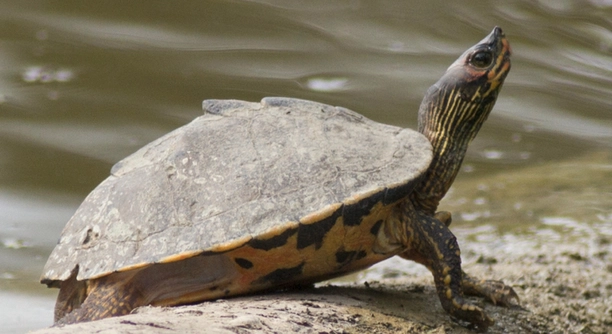
Internal parasites can be a serious concern for your Indian Roofed Tortoise. Recognizing signs early can prevent long-term health issues and discomfort for your pet. Understanding the symptoms of internal parasites will help keep your tortoise healthy and happy.
If your Indian Roofed Tortoise has internal parasites, common signs include changes in appetite, lethargy, abnormal stool, and weight loss. A veterinarian can perform tests to confirm the presence of parasites and recommend the appropriate treatment.
Knowing the signs of internal parasites in your tortoise is important to ensure its health. The following tips can help identify potential issues and guide you toward proper care.
Signs of Internal Parasites in Indian Roofed Tortoises
Internal parasites can cause several noticeable changes in your tortoise’s behavior and physical condition. Some of the most common signs include loss of appetite, weight loss, and unusual behavior, such as lethargy or hiding more than usual. The stool may appear abnormal, either watery or with a strange color, indicating digestive issues. Your tortoise might also have a swollen or bloated belly, which is a sign of internal distress. If these symptoms persist, it’s essential to get your tortoise examined by a vet for a proper diagnosis.
Sometimes the signs can be subtle, making it easy to overlook early stages of infection. Keep a close eye on your pet’s usual habits and compare them with any changes. Monitoring the appetite and waste is a good place to start.
Noticing a combination of these symptoms should prompt you to seek veterinary help. With the right treatment, your tortoise can recover and be back to its healthy self in no time. Regular check-ups will also help prevent future parasite issues.
How Parasites Affect the Health of Your Tortoise
Parasites can harm your tortoise in various ways. They affect the digestive system, causing malabsorption of nutrients, which leads to weight loss and weakness. Internal parasites can also weaken the immune system, leaving the tortoise vulnerable to other infections. Over time, parasites may cause long-term damage to organs and even shorten the tortoise’s lifespan.
When left untreated, internal parasites can cause more severe problems like dehydration, loss of mobility, and more noticeable physical changes, such as an increasingly sunken shell. To avoid serious health complications, it’s crucial to address any signs of parasites as soon as they appear. The vet may prescribe anti-parasitic medications to treat the infection and restore your tortoise’s health.
Regular parasite checks are essential to your tortoise’s overall well-being. Ensure your pet’s environment is clean and that its diet is balanced to support good health.
Diagnosing Internal Parasites in Your Tortoise
To diagnose internal parasites, a vet will usually need to perform a stool sample test. This helps identify parasite eggs or larvae in the feces. Blood tests may also be recommended to check for signs of infection or weakened immunity.
It’s important to act quickly if you suspect parasites, as early detection can prevent more severe health issues. Your vet might also do a physical exam, looking for signs of bloating, dehydration, or abnormal behavior. Diagnostic tests help pinpoint the type of parasite causing the problem, which guides the treatment plan.
While at the vet, be prepared to discuss any recent changes in your tortoise’s habits or appearance. This information will help them determine the best course of action for your pet. Early treatment ensures a quicker recovery and less risk of long-term health damage.
Treatment Options for Internal Parasites
Treatment for internal parasites usually involves medication, often in the form of dewormers or antiparasitic drugs. The vet may also suggest dietary changes to support your tortoise’s recovery. Follow the prescribed dosage closely.
In some cases, additional treatments may be necessary if the parasites are resistant to initial medications. It’s crucial to monitor your tortoise closely during treatment to ensure they are responding well. In severe cases, the vet may need to administer fluids or other supportive care to combat dehydration or other complications.
Remember, even after treatment, it’s important to keep your tortoise’s living space clean and free of parasites. Regular follow-up visits to the vet can help catch any issues early and keep your pet in good health.
Preventing Internal Parasites in Your Tortoise
Maintaining a clean habitat is essential to preventing internal parasites. Regularly cleaning the enclosure, replacing substrate, and removing uneaten food will reduce the risk of parasites. Ensuring your tortoise has a healthy, balanced diet also helps boost its immunity.
Providing fresh water and avoiding overcrowding in the enclosure can minimize stress, which makes your tortoise less likely to become vulnerable to infections. Monitoring your pet’s health regularly can catch potential issues early, before they develop into bigger problems.
By sticking to a regular cleaning and health routine, you can greatly reduce the risk of your tortoise contracting parasites.
Importance of Proper Diet for Your Tortoise’s Health
A healthy diet is crucial in preventing internal parasites. Feeding your tortoise a mix of leafy greens, vegetables, and occasional fruits helps keep its immune system strong. Avoid feeding sugary or processed foods that may weaken its health.
Additionally, gut-loading insects, if your tortoise eats them, ensures they’re nutrient-rich and safe for consumption. Be mindful of any foods that can carry parasites or bacteria, such as unwashed vegetables. A well-balanced diet gives your tortoise the strength to resist infections and parasites.
When to Seek Veterinary Help
If your tortoise shows any signs of parasites, seeking help from a vet is necessary. Delaying treatment can lead to complications. If you notice persistent symptoms, it’s time for a visit.
FAQ
How can I tell if my Indian Roofed Tortoise has internal parasites?
The signs of internal parasites in your tortoise can be subtle at first. Look for symptoms such as a loss of appetite, weight loss, unusual stool (like diarrhea or abnormal color), and lethargy. You may also notice your tortoise hiding more than usual. If these signs persist, it’s a good idea to get a stool sample tested by a vet to confirm the presence of parasites. Early detection is key to treating the infection before it causes more harm.
Can internal parasites harm my tortoise?
Yes, internal parasites can cause several health issues if left untreated. They can interfere with the digestive system, leading to malnutrition and weight loss. Parasites can weaken the immune system, making your tortoise more vulnerable to other infections. Over time, untreated parasites can damage organs, cause dehydration, and significantly reduce the tortoise’s quality of life. It’s essential to act quickly if you suspect parasites to prevent long-term damage.
What should I do if my tortoise has internal parasites?
If you suspect your tortoise has internal parasites, take it to a veterinarian for a proper diagnosis. The vet may recommend a stool sample test to identify the type of parasite. Based on the diagnosis, the vet will prescribe an appropriate treatment, usually in the form of deworming or antiparasitic medication. Follow the vet’s instructions carefully, and ensure your tortoise completes the full course of treatment. You may also need to make changes to its diet or habitat during the recovery period.
Are some tortoises more prone to internal parasites than others?
While any tortoise can be susceptible to internal parasites, certain factors may increase the risk. Tortoises kept in overcrowded enclosures or unsanitary conditions are at a higher risk. Additionally, tortoises that are fed improperly or live in environments that allow parasites to thrive may be more likely to develop infections. Regular cleaning and proper diet, along with good hygiene, can help reduce the risk for all tortoises.
Can internal parasites be prevented?
Preventing internal parasites involves maintaining a clean living environment for your tortoise. Clean the enclosure regularly, replace bedding, and remove uneaten food to prevent the buildup of bacteria or parasites. Providing fresh water daily and avoiding overcrowding is also essential. A proper diet, including nutritious leafy greens and vegetables, will help keep your tortoise’s immune system strong and able to resist infections. Regular health checks and monitoring your tortoise’s behavior can catch early signs of parasites.
What are the common types of internal parasites in tortoises?
Tortoises can be affected by several types of internal parasites, including protozoa, roundworms, and flatworms. Some of the most common are Entamoeba, Strongyloides, and Ascarids. These parasites can infect the digestive system, causing discomfort and health issues. The exact type of parasite can only be determined through a stool sample test performed by a vet. Identifying the specific parasite will help determine the most effective treatment.
How long does it take for my tortoise to recover from internal parasites?
The recovery time for a tortoise depends on the severity of the infection and the type of parasite involved. In most cases, if the parasite is caught early and treated promptly, recovery can take a few weeks. The tortoise will need to follow the prescribed medication regimen, and its diet and environment should be adjusted to support its health. After treatment, it’s important to continue monitoring your tortoise for any signs of recurring infection. Follow-up vet visits may be necessary to ensure complete recovery.
Can I treat my tortoise for parasites without a vet?
While it may be tempting to try to treat your tortoise without a vet, it’s not recommended. A vet’s diagnosis is crucial to ensure that the correct treatment is used for the specific parasite affecting your tortoise. Over-the-counter treatments may not be effective and could potentially harm your tortoise if not used correctly. Seeking professional help will ensure your tortoise gets the appropriate care, and it will help you avoid complications.
Is it safe to have more than one tortoise in the same enclosure?
Having multiple tortoises in the same enclosure can be safe if proper care is taken to maintain cleanliness and reduce the risk of parasites. However, overcrowding can increase the chances of parasite transmission, as parasites can spread through fecal matter and contaminated food or water. To minimize the risk, ensure that the enclosure is large enough for all tortoises and that it’s cleaned regularly. Quarantining new tortoises before introducing them to an established group can help prevent the spread of parasites and other diseases.
Can I prevent parasites with regular deworming?
Regular deworming can help reduce the risk of internal parasites, but it should not be relied on as the sole preventative measure. While deworming may kill existing parasites, it won’t prevent new infections from occurring if the living environment isn’t kept clean. It’s important to follow a comprehensive approach that includes proper diet, regular habitat cleaning, and monitoring for signs of infection. Consulting a vet about the appropriate deworming schedule for your tortoise can provide additional guidance on keeping your tortoise healthy.
Do parasites in tortoises affect their lifespan?
Yes, if internal parasites are left untreated for an extended period, they can negatively affect your tortoise’s lifespan. Parasites can cause organ damage, weakened immune systems, and malnutrition, leading to long-term health problems. Regular veterinary checkups and early detection of parasites can prevent severe complications and improve the quality of life for your tortoise. Proper care and prompt treatment of parasitic infections can ensure your tortoise lives a long, healthy life.
Final Thoughts
Dealing with internal parasites in your Indian Roofed Tortoise is an important part of ensuring its overall health and well-being. These parasites can cause serious health issues if left unchecked, so being aware of the symptoms is essential. Signs like changes in appetite, lethargy, or abnormal stool should not be ignored. Catching these symptoms early and getting your tortoise the help it needs can prevent long-term damage and help your pet recover faster. Regular monitoring of your tortoise’s behavior and waste can give you a better idea of its health and catch any issues early on.
Prevention is always better than treatment, and the best way to reduce the risk of internal parasites is to maintain a clean and healthy environment for your tortoise. Regularly cleaning the enclosure, providing fresh water daily, and removing uneaten food can help limit parasite exposure. Ensuring that your tortoise has a well-balanced diet also supports its immune system, making it less susceptible to infections. A healthy diet full of leafy greens, vegetables, and occasional fruits is key to maintaining your tortoise’s strength. The right habitat and nutrition play a huge role in keeping your pet parasite-free.
If your tortoise does develop internal parasites, remember that treatment is available, and your vet will guide you in the right direction. With the right medication and care, most tortoises can recover fully from parasitic infections. Keep in mind that a clean environment, regular health checkups, and good nutrition are your best tools for preventing parasites in the future. Taking these steps will help keep your tortoise happy and healthy for many years to come.

Hello,
If you enjoy the content that we create, please consider saying a "Thank You!" by leaving a tip.
Every little bit helps us continue crafting quality advice that supports the health, happiness, and well-being of pets around the world, for pets of all shapes, sizes, and species.
We really appreciate the kindness and support that you show us!