
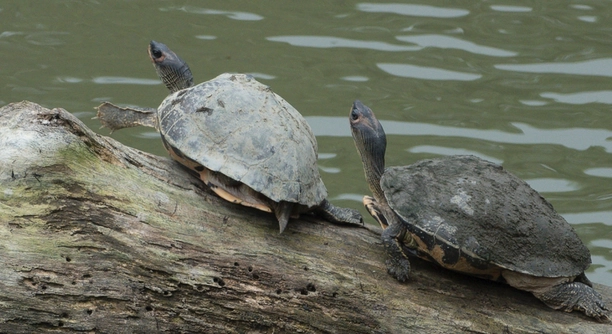
Choosing the right substrate for your Indian Roofed Tortoise is an essential part of creating a healthy and comfortable environment for your pet. The proper substrate helps to mimic their natural habitat, promoting health and well-being.
The best substrate options for an Indian Roofed Tortoise should provide good moisture control, allow for easy digging, and be safe for consumption. These substrates also help with temperature regulation and can support natural behaviors, such as burrowing.
There are several substrate choices available that provide the necessary environment for your tortoise to thrive. Some options may suit your tortoise’s needs better than others, depending on factors like humidity and size.
Why Substrate Matters for Your Indian Roofed Tortoise
The substrate you choose plays a significant role in your Indian Roofed Tortoise’s health. A good substrate not only provides a comfortable and safe environment but also supports natural behaviors such as burrowing and foraging. Without the proper substrate, your tortoise may become stressed or even suffer from health problems. Tortoises in the wild dig to regulate their body temperature and moisture levels, so it is important to replicate this in their enclosure. The right material will absorb waste, provide a suitable temperature, and ensure that your pet remains happy and healthy. Different tortoises have specific substrate needs based on their natural habitat and lifestyle, so it’s essential to make the right choice.
Selecting the right substrate is essential for creating an environment that encourages natural behaviors and supports the overall health of your Indian Roofed Tortoise. A good substrate provides a safe and comfortable space while maintaining proper humidity levels and temperature regulation.
Different substrates offer various benefits, such as moisture retention or easy cleaning, making it necessary to understand the needs of your tortoise. Choosing the right one will make all the difference in their comfort and longevity. Ensuring that the substrate is free from harmful chemicals or sharp objects is crucial for your tortoise’s safety. If they ingest something harmful, it could lead to digestive problems. Taking the time to research and select the best option for your pet will contribute to a more rewarding and lasting relationship.
Best Substrate Options for Your Tortoise
When considering the best substrate, it’s crucial to think about factors such as moisture retention, ease of cleaning, and how it affects the overall well-being of your tortoise. Some popular options include coconut coir, cypress mulch, and soil. Each has its benefits and potential drawbacks, depending on your tortoise’s environment.
Coconut coir is often favored for its moisture retention and ability to provide a soft, comfortable surface. It is also a natural material, making it a good option for those who prefer eco-friendly solutions. On the downside, it may need frequent replacement to avoid mold or mildew buildup, especially in humid climates. Cypress mulch offers similar benefits and is known for its ability to control odors. This substrate is also a safe choice for tortoises who love to burrow. However, it is important to ensure that the mulch is free from chemicals and is not too fine, as it can cause respiratory issues. Lastly, soil is another option that can provide a natural habitat for burrowing. It is easy to clean but requires a high level of maintenance to keep it dry and free of mold.
Ultimately, the best choice depends on your specific environment and the needs of your tortoise. The right substrate will keep them comfortable, healthy, and able to engage in natural behaviors.
Coconut Coir as a Substrate Choice
Coconut coir is a popular choice for many tortoise owners because it provides a soft, moisture-retentive environment. It’s a natural material that can mimic the humid conditions many tortoises enjoy. Coconut coir is also an eco-friendly option, as it’s biodegradable and sustainable.
This substrate holds moisture well, which helps maintain the right humidity level in your tortoise’s enclosure. It’s soft enough for them to dig and burrow, which is important for their natural behaviors. However, it can become soggy if the humidity levels are too high or it is not replaced regularly. If not dried properly, coconut coir can also harbor mold, so regular maintenance is necessary. It’s a good option for tortoises that thrive in a humid environment, but if you live in a very damp area, it may require frequent changes to avoid mold buildup.
Though it has many benefits, coconut coir does need careful monitoring to ensure your tortoise remains comfortable. Keeping it dry and clean is essential, and using a dehumidifier can help if you live in a particularly humid region. When used properly, it can provide a great environment for your tortoise.
Cypress Mulch for Temperature Regulation
Cypress mulch is an excellent choice for temperature regulation and burrowing. It is known for its ability to retain heat and moisture, making it a good option for creating a stable, warm environment for your tortoise.
This substrate is especially beneficial in areas where maintaining humidity is important. Cypress mulch naturally controls odor and can keep your tortoise’s habitat smelling fresh. It also allows for easy burrowing, which tortoises enjoy. However, it’s important to make sure the mulch is free of any chemicals or pesticides, which can harm your pet. Also, make sure to use the right-sized mulch pieces; if they are too fine, they may cause respiratory issues.
Although cypress mulch is a solid choice, it does require regular maintenance. The substrate can break down and lose its effectiveness over time, which means it needs to be replaced periodically. It’s essential to monitor the condition of the mulch and adjust the humidity level in the enclosure, as it can become soggy if the moisture level is too high. With proper care, it can offer your tortoise a comfortable, natural environment.
Topsoil for a Natural Habitat
Topsoil is another substrate option that can provide a natural feel for your tortoise’s enclosure. It allows for easy burrowing and mimics the natural environment where many tortoises live.
It’s essential to use organic, untreated topsoil that’s free from chemicals and fertilizers. Mixing topsoil with sand can also help to improve drainage and reduce moisture retention. Topsoil is a good choice for tortoises that enjoy digging, as it provides a natural surface for them to burrow into. However, it does need to be replaced regularly to maintain cleanliness.
Topsoil can be a great choice if your tortoise requires a natural setting. It’s easy to find and affordable, but the moisture level should be carefully managed to avoid mold or bacterial growth. If your enclosure becomes too damp, the topsoil can get soggy, leading to an unhealthy environment. Regular monitoring of humidity levels will keep your tortoise comfortable.
Reptile Carpet for Easy Cleanup
Reptile carpet is an artificial substrate made from synthetic materials, offering an easy-to-clean option. It is durable, reusable, and eliminates the need for frequent substrate changes.
This option is often chosen by owners who prioritize convenience. While it doesn’t mimic a natural environment, it ensures a clean, safe surface for your tortoise. However, it doesn’t allow for burrowing or natural behaviors, which can be a downside. It’s important to clean the carpet regularly to avoid bacteria buildup. Although it doesn’t provide moisture retention or odor control, it’s a low-maintenance substrate choice.
Sand as a Substrate Option
Sand is a common choice but should be used carefully. It’s best used in combination with other substrates like topsoil for a natural feel. Too much sand can lead to digestion issues if ingested.
FAQ
What is the best substrate for my Indian Roofed Tortoise?
The best substrate for your tortoise depends on its specific needs, such as humidity levels, temperature, and natural behaviors. Coconut coir, cypress mulch, and topsoil are some of the most recommended options. Coconut coir holds moisture well, making it ideal for humid conditions, while cypress mulch offers excellent temperature regulation and burrowing support. Topsoil is great for creating a natural environment, but it requires careful moisture management. Each substrate has its benefits, and choosing the right one depends on your tortoise’s environment and habits.
How often should I replace the substrate?
Substrate should be replaced or refreshed regularly to maintain a healthy environment for your tortoise. Coconut coir typically needs to be replaced every 3-4 months, depending on humidity levels and mold buildup. Cypress mulch may last a bit longer, around 6 months, but should still be checked regularly. Topsoil may need to be replaced every 2-3 months, particularly if it becomes too compacted or soggy. Reptile carpet can be cleaned and reused indefinitely but needs regular washing to prevent bacterial growth. Keeping your substrate clean and fresh is key to your tortoise’s health.
Can I mix different substrates together?
Yes, mixing substrates can create the ideal environment for your tortoise. For example, combining coconut coir with sand or topsoil can improve drainage while maintaining moisture retention. Mixing substrates can also make the habitat more diverse and suitable for natural behaviors like digging and burrowing. However, it’s important to ensure that the mixture doesn’t become too compacted or overly damp. Monitor the humidity and temperature regularly to make sure the mix is working for your tortoise.
Is sand safe for my Indian Roofed Tortoise?
Sand can be used, but it should be done carefully. While some tortoises may enjoy digging through sand, it can cause problems if ingested. Too much sand may lead to digestive issues or impaction if swallowed. It’s best to use sand in moderation, mixed with another substrate like topsoil, to prevent these risks. Ensure that the sand is free of chemicals and dust, as these can harm your tortoise. Always monitor how your tortoise interacts with sand and adjust accordingly.
Can I use newspaper or paper towels as a substrate?
While newspaper or paper towels are easy to clean and inexpensive, they aren’t the best option for an Indian Roofed Tortoise. These materials don’t allow for burrowing or digging, which are essential for your tortoise’s well-being. They also don’t offer moisture retention, which is crucial for humidity regulation. If you choose to use them, they should be viewed as a temporary or emergency solution. Long-term, your tortoise will benefit from a more natural substrate.
How do I maintain humidity with my chosen substrate?
Maintaining humidity depends on the substrate you choose and the environment. Coconut coir and cypress mulch retain moisture, which helps keep the humidity levels stable. To increase humidity, you can spray water onto the substrate or use a humidity gauge to monitor levels. Make sure the substrate isn’t too wet, as this can lead to mold or respiratory issues. You may also need a humidifier in your tortoise’s enclosure if you live in a particularly dry climate. Regular maintenance of the substrate is key to maintaining a proper balance of moisture.
Can I use pebbles or gravel as a substrate?
Pebbles or gravel are not recommended for an Indian Roofed Tortoise. While they may seem like a natural option, they can be too hard and uncomfortable for your tortoise. More importantly, they do not provide a good surface for burrowing and digging, essential behaviors for your tortoise. Small pieces of gravel can also be accidentally ingested, leading to potential digestive issues. It’s best to avoid pebbles or gravel and choose softer, more natural substrates.
Is it necessary to provide a substrate that allows burrowing?
Yes, burrowing is a natural behavior for Indian Roofed Tortoises, and providing a substrate that allows them to dig is essential for their well-being. Burrowing helps regulate body temperature and provides a sense of security. Substrates like coconut coir, cypress mulch, and topsoil are all excellent options that encourage burrowing. Without the ability to dig, your tortoise may experience stress, which can lead to health problems. Ensuring that your tortoise has a proper substrate will help support its natural instincts.
What should I do if my tortoise eats the substrate?
If your tortoise ingests substrate, it could lead to digestive issues or impaction, especially with certain materials like sand or gravel. If your tortoise regularly eats substrate, consider switching to a safer option like coconut coir or cypress mulch, which are softer and less likely to cause harm. Monitor your tortoise closely for signs of impaction, such as lethargy or difficulty passing waste. If you’re concerned, consult with a vet for advice on preventing substrate ingestion and what to do if it happens.
What should I do if the substrate gets moldy?
If your substrate becomes moldy, it’s important to replace it immediately to prevent any health risks for your tortoise. Mold can cause respiratory issues or skin irritation. Regularly check your substrate for mold, especially in humid environments. You can prevent mold by ensuring that your substrate isn’t too wet. If you’re using coconut coir or a similar material, try to keep it dry by maintaining proper humidity levels in the enclosure and removing any soiled areas quickly. Regular substrate changes and proper humidity control are key to preventing mold buildup.
Final Thoughts
Choosing the right substrate for your Indian Roofed Tortoise is essential for maintaining its health and comfort. The right material will not only help with temperature and humidity regulation but also encourage natural behaviors like burrowing and foraging. Each tortoise has different needs based on their environment and natural habitat, so it’s important to consider factors such as moisture retention, ease of cleaning, and whether your tortoise will be able to dig or burrow. It’s also necessary to ensure that whatever substrate you choose is free from harmful chemicals or materials that could pose a health risk.
When selecting a substrate, there are several options to consider, such as coconut coir, cypress mulch, topsoil, and sand. Coconut coir is great for retaining moisture and mimicking the humid conditions that many tortoises enjoy, while cypress mulch is known for its ability to regulate temperature and maintain a clean environment. Topsoil can be a natural choice, especially for tortoises that need a substrate that allows them to dig and burrow. It’s important to note that substrates like sand should be used carefully and in moderation to avoid digestive issues, especially if your tortoise tends to ingest it. Combining different substrates can also be a good idea if you want to provide the best environment for your tortoise.
Ultimately, the most important thing is to monitor your tortoise’s behavior and adjust the substrate as needed. Regular maintenance, such as replacing or refreshing the substrate every few months, is crucial to keeping your tortoise’s environment clean and healthy. It’s also important to pay attention to the humidity and temperature levels in the enclosure, as these factors play a significant role in the overall well-being of your tortoise. By taking the time to choose the right substrate and maintaining it properly, you can help ensure that your Indian Roofed Tortoise lives a long, happy, and healthy life.

Hello,
If you enjoy the content that we create, please consider saying a "Thank You!" by leaving a tip.
Every little bit helps us continue crafting quality advice that supports the health, happiness, and well-being of pets around the world, for pets of all shapes, sizes, and species.
We really appreciate the kindness and support that you show us!