
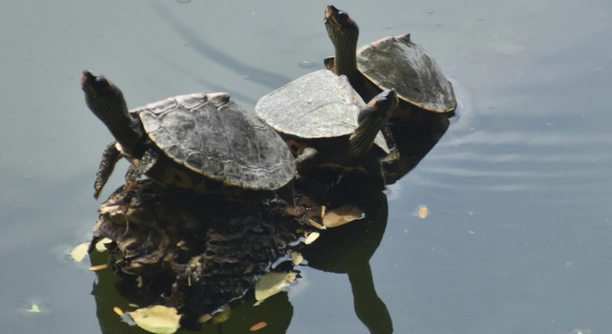
If your Indian Roofed Tortoise keeps sneezing, it might be a sign of something concerning. Understanding the causes behind this behavior is essential for the well-being of your pet. This article will guide you through possible reasons.
Sneezing in Indian Roofed Tortoises is often a result of respiratory issues, such as a respiratory infection, environmental factors, or even stress. It is important to closely monitor your tortoise for any other symptoms and seek professional advice if needed.
You’ll learn about common causes and helpful tips to ensure your tortoise stays healthy and comfortable.
Common Causes of Sneezing in Indian Roofed Tortoises
Sneezing in your Indian Roofed Tortoise could stem from various sources, some of which are relatively easy to fix, while others may require more attention. One of the most frequent causes is respiratory infections, which can be caused by bacteria, viruses, or fungi. These infections usually result in nasal discharge, wheezing, or sneezing. Poor humidity levels in their habitat can also contribute to respiratory problems. Tortoises are sensitive to changes in their environment, and an overly dry or wet habitat can weaken their immune system, making them more prone to sneezing.
Stress is another common factor. Changes in temperature, lighting, or their living area can put extra pressure on your tortoise, leading to sneezing as a reaction. An overcrowded or noisy environment can further add to the discomfort. Even if there are no obvious signs of illness, stress can trigger sneezing as your tortoise’s way of expressing its discomfort.
If your tortoise has been sneezing frequently, it’s important to evaluate all aspects of its environment and health to determine what might be causing the issue.
Environmental Factors to Check
If your tortoise is sneezing, the environment it lives in should be one of the first things to inspect. Poor humidity and temperature can cause respiratory issues.
The ideal temperature for an Indian Roofed Tortoise ranges between 80°F to 85°F during the day, with a slight drop at night. Make sure there’s a warm basking spot and cooler areas in the enclosure. Inconsistent temperatures can cause stress and make your tortoise more susceptible to illnesses. Humidity should also be carefully monitored, as too much or too little moisture in the air can trigger sneezing.
Ensure that your tortoise’s habitat is free from drafts, as sudden temperature changes can compromise its immune system. Regularly clean the enclosure to avoid the buildup of bacteria or mold, both of which can contribute to respiratory infections. If you notice any excess moisture or dampness, try adding a better ventilation system. If your tortoise is housed outdoors, keep an eye on the weather conditions and provide shelter to shield them from drastic changes in the environment.
Signs of Respiratory Infections
Respiratory infections are one of the most serious causes of sneezing in tortoises. These infections can result in various symptoms, including labored breathing, nasal discharge, and wheezing. The presence of mucus around your tortoise’s nose or eyes should raise a red flag. If you notice these signs along with the sneezing, it could indicate an infection that requires veterinary attention. In some cases, respiratory infections can progress rapidly, leading to more severe complications if not treated properly.
The infection could have come from poor humidity levels, an overcrowded enclosure, or stress. If the sneezing persists for a few days and is accompanied by other signs of illness, it’s best to contact a veterinarian who specializes in reptiles. They may recommend antibiotics or other treatments to address the infection. Early intervention can prevent the infection from worsening, helping your tortoise recover quicker.
A veterinarian will also be able to rule out other potential causes of sneezing, ensuring that your tortoise receives the proper treatment.
Stress and Overcrowding
Stress is another reason why your Indian Roofed Tortoise may be sneezing. If it’s exposed to noisy environments or constant handling, this could cause unnecessary stress.
Overcrowding is a major concern in many pet habitats, especially if you’re housing more than one tortoise in the same space. A crowded environment can lead to territorial behavior, discomfort, and heightened stress levels. These conditions are stressful for your tortoise and may manifest as sneezing, a sign of its discomfort.
Try to provide enough space for your tortoise to roam, bask, and hide when needed. A larger enclosure will allow your tortoise to feel more secure and less stressed. Keep the noise level low and avoid unnecessary interactions with your pet. Stress can also come from loud household noises, so consider moving your tortoise to a quieter space if needed.
Poor Diet and Nutritional Deficiencies
A poor diet may be contributing to your tortoise’s sneezing. Malnutrition can weaken its immune system, making it more susceptible to illnesses.
Tortoises need a varied diet, including leafy greens, vegetables, and occasional fruit. Calcium and vitamin D are essential for their health, and if they’re deficient, it could lead to respiratory issues. A lack of proper nutrition can also make your tortoise more vulnerable to infections. Make sure you’re offering the right balance of foods to meet their dietary needs.
If you’re unsure about the proper diet, consult a reptile specialist or veterinarian to create a more suitable feeding plan. Providing a diverse, well-balanced diet will help strengthen your tortoise’s immune system and support its overall health.
Temperature and Lighting Issues
If the temperature and lighting in your tortoise’s enclosure are not optimal, sneezing may occur. Cold environments or improper lighting can lower your tortoise’s immune function.
A UVB light is essential to help your tortoise process calcium and maintain bone health. Without it, your tortoise could develop metabolic bone disease, which compromises its immune system. Similarly, inadequate heat in the enclosure can make it difficult for your tortoise to regulate its body temperature, which could stress it and cause sneezing.
Ensure your tortoise has a basking area with proper heat and UVB exposure. If the lighting or temperature is off, adjust it right away to provide a more stable environment for your pet.
Allergies in Tortoises
Allergies may also cause sneezing in tortoises. Dust, mold, or strong chemicals in their environment could trigger respiratory issues.
Ensure the enclosure is clean, free of chemicals, and that the substrate isn’t causing irritation. If the sneezing persists, check for possible allergens in the habitat or food.
Humidity and Breathing
Humidity levels play a significant role in your tortoise’s respiratory health. Too much or too little moisture can affect its breathing and lead to sneezing.
The right humidity helps your tortoise breathe comfortably and prevents dry respiratory passages. A humidity range of 50% to 70% is ideal for an Indian Roofed Tortoise. Keep an eye on the enclosure and adjust the humidity as needed to maintain a healthy balance for your pet.
FAQ
What should I do if my tortoise keeps sneezing?
If your tortoise is sneezing frequently, the first step is to check its living conditions. Ensure the temperature and humidity levels are optimal and the enclosure is clean. If you notice nasal discharge, labored breathing, or wheezing, it’s best to take your tortoise to a reptile vet. Respiratory infections are common, and early treatment is important. You may also need to adjust their diet and reduce any stress factors. Monitoring the overall health of your tortoise will help identify any other issues early on.
Can I treat my tortoise’s sneezing at home?
It depends on the severity of the sneezing. If it’s a minor issue, improving the humidity and temperature in the habitat could help. Ensure the enclosure is clean and free from mold or dust. However, if the sneezing is persistent or accompanied by other symptoms like nasal discharge or labored breathing, you should consult a veterinarian. A vet can prescribe antibiotics or other treatments if a respiratory infection is the cause. Never attempt to treat your tortoise with human medications, as they can be harmful.
How can I prevent respiratory infections in my tortoise?
To prevent respiratory infections, maintaining proper enclosure conditions is crucial. Ensure the temperature remains between 80°F and 85°F, with a slight drop at night. Provide a basking area for heat and a cooler spot for the tortoise to retreat to. Humidity should be kept at 50% to 70%. Regularly clean the enclosure to avoid bacterial growth and remove any mold or mildew. Providing a balanced diet rich in calcium and vitamins will also boost your tortoise’s immune system, helping it fight off infections. Avoid any sudden temperature changes that could stress your tortoise.
Is it safe for my tortoise to live in a humid environment?
Yes, but it’s important to strike the right balance. Too much humidity can encourage mold growth, while too little can dry out your tortoise’s respiratory system. A humidity level of 50% to 70% is ideal for an Indian Roofed Tortoise. Excessive moisture can also cause skin issues, so it’s important to monitor the humidity regularly and ensure proper ventilation. If the humidity in the enclosure is consistently too high, you may need to add a dehumidifier or improve air circulation.
What signs should I watch for to know if my tortoise is sick?
If your tortoise shows signs of wheezing, nasal discharge, labored breathing, or loss of appetite, these could indicate illness. Swelling in the eyes, lethargy, or changes in behavior are also warning signs. Pay attention to changes in your tortoise’s eating and drinking habits, as well as its overall energy levels. Any abnormal symptoms should be addressed immediately with the help of a veterinarian. Early intervention is key to preventing more serious health issues.
Can stress cause my tortoise to sneeze?
Yes, stress can cause sneezing and other health problems. Stress factors like overcrowding, sudden temperature changes, or loud noises can affect your tortoise’s immune system, making it more susceptible to respiratory issues. If your tortoise is stressed, it may exhibit sneezing as a sign of discomfort. Reducing stress involves providing a quiet, spacious environment with consistent temperature and humidity. Limit handling and avoid sudden changes in its habitat to reduce stress.
How can I improve the diet of my Indian Roofed Tortoise?
A balanced diet is essential for the health of your tortoise. Feed it a variety of leafy greens, vegetables, and occasional fruits. Some good options include collard greens, dandelion greens, and kale. Make sure your tortoise gets plenty of calcium to support bone health, and consider offering a calcium supplement if necessary. Vitamin D is important too, and natural sunlight or a UVB light will help your tortoise process calcium. Avoid high-fat foods and limit fruit to prevent weight gain. A proper diet strengthens the immune system and can help prevent sneezing caused by nutritional deficiencies.
What temperature should I maintain for my Indian Roofed Tortoise?
Maintaining the right temperature is crucial for your tortoise’s health. During the day, the temperature should be between 80°F and 85°F, with a basking area that’s around 90°F. At night, a slight drop to 70°F to 75°F is ideal. A consistent temperature range helps your tortoise digest food properly and regulates its metabolism. Sudden changes in temperature can stress your tortoise and may contribute to sneezing or other respiratory issues. Using a reliable thermometer to monitor the enclosure is important for keeping the conditions stable.
Can mold in my tortoise’s enclosure cause sneezing?
Yes, mold can cause sneezing in your tortoise and lead to more serious respiratory issues. Mold releases spores into the air, which can irritate your tortoise’s respiratory system. To prevent mold, clean the enclosure regularly and make sure the substrate is dry. If you find mold, remove it immediately and replace any affected bedding. It’s also important to monitor humidity levels to avoid excess moisture that could encourage mold growth. Keeping the enclosure well-ventilated can also help prevent mold buildup and ensure a healthy environment for your tortoise.
When should I take my tortoise to the vet for sneezing?
If your tortoise’s sneezing lasts more than a couple of days or is accompanied by other symptoms like nasal discharge, wheezing, or labored breathing, it’s time to visit the vet. Respiratory infections can escalate quickly if not treated, and a veterinarian can help determine the exact cause. In some cases, sneezing could be caused by stress or environmental factors, but if these issues don’t improve, a vet’s evaluation is necessary to rule out infection or other health problems. Regular check-ups can help prevent more severe health issues in the future.
Final Thoughts
Dealing with a sneezing tortoise can be concerning, but understanding the potential causes can help you address the issue effectively. Often, sneezing can be a sign of something simple, like environmental factors such as humidity or temperature imbalances. It’s important to ensure that your tortoise’s habitat is set up correctly with the right temperature range, humidity levels, and proper ventilation. A clean, stable environment can go a long way in preventing health issues that might cause sneezing or other symptoms.
However, if the sneezing persists, it’s worth considering more serious health concerns like respiratory infections. These can occur when a tortoise is exposed to poor environmental conditions, like drafts, inadequate heat, or mold in the enclosure. Early intervention is crucial in these cases to prevent the condition from worsening. If you notice additional symptoms such as nasal discharge, wheezing, or loss of appetite, it’s time to consult a veterinarian who specializes in reptiles. They can provide a proper diagnosis and treatment plan to help your tortoise recover.
Remember that stress can also be a factor in tortoises sneezing. If your tortoise is exposed to excessive noise, overcrowding, or too much handling, it can lead to discomfort and sneezing as a response. Reducing these stressors will help your tortoise feel more secure in its environment. Ensuring that your tortoise is fed a proper diet with the right balance of nutrients, including calcium and vitamins, will also help support its immune system and overall health. By paying attention to these factors, you can keep your tortoise happy and healthy.

Hello,
If you enjoy the content that we create, please consider saying a "Thank You!" by leaving a tip.
Every little bit helps us continue crafting quality advice that supports the health, happiness, and well-being of pets around the world, for pets of all shapes, sizes, and species.
We really appreciate the kindness and support that you show us!