
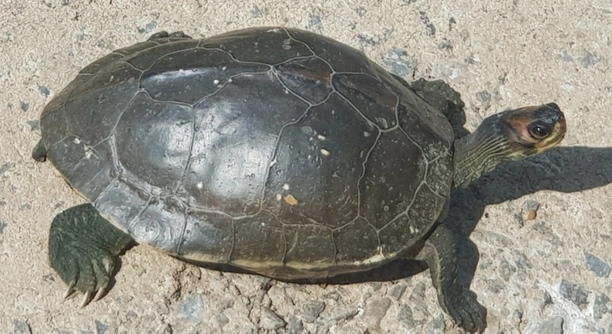
If you are a proud owner of an Indian Roofed Tortoise, you might encounter some challenges when it comes to its reproductive health. One of those issues can involve a stuck egg, which can cause discomfort or health risks to your pet.
If your Indian Roofed Tortoise has a stuck egg, it may show signs of distress like restlessness, lack of appetite, or difficulty moving. Immediate attention is needed, as this can lead to severe health complications if not addressed promptly.
Recognizing the signs early is crucial for the well-being of your tortoise. In this article, we’ll guide you on how to detect if your tortoise is struggling with a stuck egg and the steps you can take to help her.
Recognizing the Signs of a Stuck Egg
When an Indian Roofed Tortoise has a stuck egg, the first thing to watch for is behavioral changes. She might become restless, pacing back and forth in her enclosure. This can indicate that she’s uncomfortable or in pain. You may also notice her becoming unusually lethargic or disinterested in food. These signs suggest that something is wrong and could be linked to egg retention. If left untreated, a stuck egg can lead to serious health issues, so it’s important to act fast.
Look for physical symptoms, too. If your tortoise is having difficulty moving, this could be a sign that the egg is causing internal pressure. Sometimes, you might even see her straining or attempting to lay eggs without success. If she’s in a dry environment, dehydration can further complicate things, causing her body to struggle even more.
In severe cases, you might notice that her shell or abdomen is unusually swollen or feels firm. This is often a clear indication that the egg is stuck. Keeping track of her behavior and physical state can help you determine whether or not she needs medical assistance. The sooner you identify these signs, the sooner you can provide relief.
Causes of Egg Retention
Egg retention in tortoises is typically caused by stress, improper diet, or an unsuitable environment. If your tortoise is kept in a space that’s too dry or too hot, she may have difficulty laying her eggs. Also, if her diet lacks calcium, she may struggle to form strong eggs, making it harder for her to pass them. Stress is another major factor, whether it’s from handling, noise, or changes in her routine.
To help prevent future issues, make sure your tortoise’s habitat mimics her natural environment as closely as possible. Ensure she has enough humidity, warmth, and space to move around. Also, offer a diet that’s rich in calcium and fiber to keep her reproductive system healthy. Taking these precautions will give her a better chance at laying eggs successfully in the future.
Steps to Help a Tortoise Lay a Stuck Egg
If you notice that your tortoise is struggling with a stuck egg, it’s important to create a calm, safe space for her. Provide a quiet, warm area with a bit of humidity to help her feel more relaxed. Avoid handling her too much as it may increase stress. Giving her a shallow, warm water bath for around 20 to 30 minutes may help her relax, and it can stimulate egg-laying. Always monitor her closely, as excessive time in water can lead to dehydration.
Make sure the environment is set up correctly before offering any assistance. If she’s still struggling after the bath, gently massage her abdomen to encourage the egg to move. Apply gentle pressure and move in the direction where the egg would naturally go. Avoid pushing too hard, as this could cause injury. If this method doesn’t work, consider consulting with a vet who specializes in reptiles. They may need to perform a procedure to safely remove the egg.
For tortoises, laying eggs is a natural process, but it can sometimes go wrong. If your tortoise is having trouble, staying calm and patient is key. You can offer support, but the best course of action is to help her feel as relaxed and comfortable as possible. Sometimes, the egg may pass on its own once she feels safe enough. If not, a professional will have the experience to assist without harm.
When to Seek Veterinary Help
If after all attempts your tortoise still hasn’t laid the egg, it’s time to seek veterinary help. Prolonged egg retention can lead to infection, dehydration, or even organ failure. A veterinarian will perform a physical exam to assess the situation. In some cases, they may need to manually extract the egg or administer medication to help her pass it.
The vet will also check for any underlying health issues that could be contributing to the retention. They may suggest changes to her diet, environment, or care routine to help her lay eggs more easily in the future. It’s always better to be cautious, especially when it comes to a tortoise’s health, as they can suffer greatly if these issues are ignored.
Preventing Future Egg Retention Issues
To prevent egg retention, make sure your tortoise’s environment is suitable. Keep the humidity levels steady and provide a warm, quiet area where she feels safe. Offering a proper diet with plenty of calcium helps in strengthening the eggshells, making it easier for her to lay them.
Regularly monitor her behavior and health, especially during breeding season. If she’s stressed, it may cause complications. Avoid frequent handling and maintain a calm atmosphere. A balanced environment ensures that she remains healthy, reducing the chances of future egg retention.
Importance of Calcium in Their Diet
A calcium-rich diet is essential for the overall health of your tortoise, particularly when she is in her reproductive phase. Calcium helps in the formation of strong eggs and supports healthy shell growth. Offer foods like dark leafy greens, calcium supplements, or cuttlebone to help her maintain the proper levels.
A lack of calcium can lead to weak eggshells, causing difficulty in laying or even egg retention. Proper calcium intake can also help prevent other health issues like metabolic bone disease. Keep her diet varied and nutritionally balanced, especially if she’s of breeding age.
Creating the Right Habitat
Your tortoise’s habitat plays a crucial role in egg-laying. Ensure the enclosure is spacious enough for her to move around freely. The temperature should be warm, and the humidity levels must be adequate to help her stay hydrated and feel comfortable.
FAQ
What should I do if my Indian Roofed Tortoise has a stuck egg?
If your tortoise has a stuck egg, it’s important to stay calm. First, create a warm, quiet environment for her, away from stress. Place her in a shallow, warm water bath for 20 to 30 minutes. The warm water may help her relax and stimulate egg-laying. Afterward, gently massage her abdomen to encourage the egg to pass. If these methods don’t work, it’s best to consult a vet. In some cases, a vet might need to manually assist or offer medication to help her pass the egg safely.
How can I tell if my tortoise is having trouble laying eggs?
Signs that your tortoise may be having trouble laying eggs include restlessness, reduced appetite, and lethargy. She may also seem uncomfortable, attempting to dig or strain but unable to pass the egg. Additionally, if her abdomen is swollen or firm, it could indicate that the egg is stuck. If you notice these symptoms, it’s time to seek help.
Is egg retention common in Indian Roofed Tortoises?
Egg retention is not extremely common, but it can happen in any female tortoise. Indian Roofed Tortoises can experience difficulty in laying eggs, especially if their environment or diet isn’t ideal. Stress, dehydration, lack of proper humidity, and calcium deficiencies can contribute to egg retention. It’s important to provide a suitable habitat and diet to minimize the risk of this issue.
How do I know if my tortoise is ready to lay eggs?
Female tortoises don’t always show obvious signs when they’re ready to lay eggs, but there are a few indicators. She may start digging in her enclosure, a behavior that typically precedes egg-laying. Additionally, you might notice her becoming more restless or searching for a suitable nesting spot. If she starts pacing or appears uncomfortable, it’s a sign that she could be preparing to lay eggs.
Can dehydration cause egg retention in my tortoise?
Yes, dehydration is one of the main causes of egg retention. A dehydrated tortoise may have difficulty passing eggs, as the body is unable to properly function during this process. To help prevent this, ensure your tortoise always has access to fresh water, and provide a humid environment that supports hydration.
What are the signs that my tortoise is dehydrated?
Signs of dehydration in tortoises include dry or wrinkled skin, sunken eyes, and a lack of appetite. If your tortoise is not drinking enough water, she might also become more lethargic or appear to be straining without making progress when trying to lay eggs. If dehydration is suspected, make sure she has access to water and increase the humidity in her enclosure.
How do I create the best environment for egg-laying?
To create an ideal environment for your tortoise to lay eggs, provide a warm, humid space. The temperature should be around 85-90°F (29-32°C) during the day, with a nighttime drop to about 70°F (21°C). You should also have a substrate like soil or sand in her enclosure where she can dig and nest. Additionally, make sure the humidity is high enough (about 60-70%) to aid in hydration. A stress-free environment will also encourage her to lay eggs without complications.
Is there a way to prevent my tortoise from laying eggs?
Preventing your tortoise from laying eggs is difficult, especially if she is sexually mature. However, you can limit mating opportunities by housing her separately from male tortoises. Some owners also choose to remove nesting sites from the enclosure to prevent egg-laying, though this doesn’t always guarantee that she won’t try. If egg-laying becomes a regular issue, it’s a good idea to discuss options with a vet, such as hormonal treatments or even surgical intervention in extreme cases.
Can I handle my tortoise if she has a stuck egg?
Handling a tortoise with a stuck egg should be done minimally to avoid increasing stress. Excessive handling can worsen her condition and cause further complications. Focus on providing her with a quiet, comfortable environment instead. If necessary, you can gently massage her abdomen to help the egg pass, but be careful not to apply too much pressure. If she’s in distress or doesn’t seem to improve, it’s crucial to seek veterinary help.
How long can a tortoise safely retain an egg?
The length of time a tortoise can safely retain an egg varies, but prolonged retention is dangerous. If the egg is not passed within a few days to a week, it can lead to infections, organ failure, or death. If your tortoise is unable to lay the egg after a few days, it’s important to contact a vet for assistance. The sooner you address the issue, the better the chance of a full recovery.
Should I be concerned if my tortoise isn’t eating while trying to lay eggs?
A loss of appetite during the egg-laying process is common, as the tortoise may be stressed or uncomfortable. However, if your tortoise refuses to eat for more than a few days or shows signs of illness, it’s a good idea to consult a vet. Stress from egg-laying should subside once she successfully passes the egg. If it continues, it may signal other health problems that need attention.
Final Thoughts
Dealing with a stuck egg in your Indian Roofed Tortoise can be a stressful experience, but with the right approach, you can help her through it. It’s important to stay calm and observe her behavior closely. If you notice signs of discomfort, such as restlessness or straining, it’s essential to address the situation as soon as possible. Providing a calm, warm, and humid environment can make a big difference, allowing her body to relax and possibly pass the egg naturally. In some cases, a warm water bath or gentle abdominal massage may help her along the way.
However, there are times when your tortoise may need professional help. If after a few days she’s still unable to pass the egg, it’s crucial to consult a vet. Prolonged egg retention can lead to severe health problems, including infections or organ failure. A qualified vet will know how to assist safely and may offer treatments to help her lay the egg. Veterinary care is the best option if your tortoise shows signs of distress, dehydration, or has been struggling for an extended period.
Prevention is always better than cure. To reduce the chances of egg retention in the future, focus on creating an ideal environment for your tortoise. Make sure her habitat has the right temperature, humidity, and enough space for digging and nesting. Also, ensure that she’s getting a well-balanced diet, rich in calcium, which helps with egg production. By paying attention to these factors and keeping an eye on her behavior, you can help ensure her overall health and reduce the risk of egg-laying issues.

Hello,
If you enjoy the content that we create, please consider saying a "Thank You!" by leaving a tip.
Every little bit helps us continue crafting quality advice that supports the health, happiness, and well-being of pets around the world, for pets of all shapes, sizes, and species.
We really appreciate the kindness and support that you show us!