
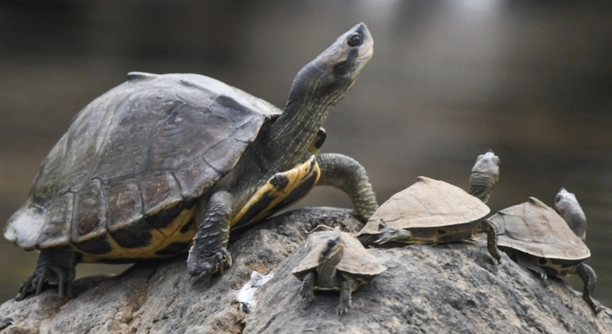
Taking care of an Indian Roofed Tortoise involves more than just feeding them. It’s essential to maintain the quality of the water in their tank. Clean and fresh water helps keep them healthy and active.
The best way to improve water quality in an Indian Roofed Tortoise tank is by regularly changing the water, using proper filtration, and monitoring temperature and pH levels. Additionally, minimizing waste buildup and preventing overfeeding can also reduce water contamination.
Maintaining clean water not only prevents illness but also promotes overall well-being for your tortoise. With a few easy adjustments, you can ensure their tank stays in top condition. Keep reading to learn more.
Regular Water Changes
Changing the water in your Indian Roofed Tortoise tank regularly is the most important step in maintaining water quality. Over time, waste from food, urine, and debris can build up in the water, making it murky and harmful to your tortoise. It’s essential to replace 25-30% of the water once a week, or more if you notice the water getting dirty faster. Fresh water helps keep bacteria in check and provides a healthier environment for your tortoise. Be sure to use water that’s free from chlorine and chemicals, as these can negatively affect your tortoise’s health.
For a consistent and clean environment, always monitor how quickly the water gets dirty and adjust the frequency of water changes accordingly.
Also, avoid waiting until the water becomes visibly dirty. Regularly testing the water’s temperature and pH will help you catch issues early. Keeping up with water changes will not only improve the quality of the water but will also reduce the chances of diseases or infections in your tortoise.
Using Proper Filtration
A good filtration system is key to maintaining clean water. Without it, waste and leftover food will accumulate, affecting the overall health of your tortoise. Consider investing in a filter designed for reptile tanks that can handle the size of your tank.
Filters help remove debris and waste, ensuring the water stays cleaner longer. A filter will also keep the tank’s water circulating, preventing stagnant areas where bacteria can thrive. Choosing the right filter will keep both the water and the tank’s environment healthy.
Monitor Temperature and pH Levels
The water’s temperature and pH levels directly impact your tortoise’s health. Indian Roofed Tortoises thrive in water that’s between 75-80°F (24-27°C). Keeping the water too cold or hot can stress your tortoise and lead to health problems. Similarly, the pH level should be kept between 6.5 and 7.5.
Use a reliable thermometer and pH test kit to regularly check the water. If you find that the temperature or pH is out of range, adjust the tank’s heater or use water conditioners. Stability is key—large fluctuations in temperature or pH can weaken your tortoise’s immune system.
Over time, incorrect water conditions can lead to shell rot and other infections. Therefore, it’s important to monitor the water at least once a week. A small adjustment today can help prevent bigger issues tomorrow. Proper temperature and pH levels will keep your tortoise comfortable and reduce the risk of health problems.
Avoid Overfeeding
Overfeeding your tortoise can lead to excess waste in the tank, making it harder to maintain clean water. Offering too much food increases the chance of leftover pieces decaying in the water, which will lower its quality. Stick to feeding your tortoise once or twice a day.
To ensure proper feeding, offer the appropriate portion size for your tortoise’s age and size. If you’re unsure of how much to feed, research the recommended amounts or consult a vet. Also, remove any uneaten food from the tank after about 20 minutes to prevent decay.
By controlling the amount of food, you will also reduce the amount of waste that needs to be filtered out, keeping the water cleaner. Reducing food waste is one of the easiest ways to maintain clear and healthy water for your tortoise.
Use a Tank Lid or Cover
A tank lid or cover helps to prevent debris from falling into the water. It also reduces the amount of evaporation, keeping the water level stable. This will save you from needing to top up the tank as frequently.
By keeping dust, leaves, and other particles out, you reduce the amount of waste that can affect the water quality. It also keeps your tortoise from escaping and helps maintain a controlled environment. Always make sure the lid allows proper ventilation to ensure fresh air reaches your tortoise.
Add a Water Heater
A water heater can help maintain a stable temperature in your tank, which is important for your tortoise’s health. This is especially useful in cooler climates. Keep the heater at the correct temperature, and regularly check the tank’s thermometer.
Inconsistent temperatures can cause stress and make your tortoise more susceptible to illness. A water heater will also ensure that the temperature remains ideal, making your tortoise feel more comfortable and less likely to become lethargic.
FAQ
How often should I change the water in my tortoise tank?
Changing the water once a week is ideal for most tanks, especially if you are using a filter. However, if you notice the water getting dirty faster, increase the frequency. Some tanks may require a partial water change twice a week. Monitor the water for any signs of contamination, and don’t wait for it to become visibly dirty to act.
Can I use tap water for my tortoise tank?
You can use tap water, but make sure it’s free from chlorine and other harmful chemicals. If you have chlorinated water, let it sit for 24 hours before adding it to the tank or use a water conditioner to neutralize chemicals. Using untreated tap water can harm your tortoise.
Do I need to test the water’s pH regularly?
Yes, it’s a good idea to test the water’s pH regularly. The pH should stay between 6.5 and 7.5. If the pH gets too high or low, it can affect your tortoise’s health and make the water quality worse. Invest in an affordable pH testing kit to keep an eye on this.
What’s the best type of filter for my tortoise tank?
A canister filter or a hang-on-back filter are popular choices for tortoise tanks. Canister filters work well for larger tanks, while hang-on-back filters are easier to install and maintain for smaller setups. Choose a filter that can handle the volume of your tank and has enough capacity to manage debris and waste.
How can I keep the water warm in cooler climates?
If you live in a cooler climate, using a water heater is essential. The water temperature should be between 75-80°F (24-27°C). A submersible aquarium heater with a thermostat can help maintain a stable temperature. Be sure to check the heater regularly to make sure it’s working correctly.
Can I put my tortoise in the water all the time?
Tortoises need a dry area in their tank as well as a water area. They enjoy soaking in water, but they also need a dry space to bask. The water should be deep enough for them to submerge but not so deep that they can’t easily get in and out. A shallow water area with a ramp works best.
How do I prevent algae buildup in the water?
Algae can grow in your tank if there’s too much sunlight or the water is not regularly changed. To prevent this, keep the tank in a location with limited direct sunlight. Also, ensure you are using a proper filter and that the water is changed regularly. Reducing overfeeding can also help minimize algae growth.
Is it okay to use a sponge to clean the tank?
Yes, a sponge is an excellent tool for cleaning your tortoise tank. Just make sure to use one that is safe and won’t scratch the tank surfaces. Avoid using any harsh cleaning products or chemicals, as they can harm your tortoise. Use hot water and a mild, non-toxic cleaner if needed.
How do I keep my tortoise tank smelling fresh?
To keep your tank smelling fresh, maintain a regular cleaning schedule and remove waste immediately. Uneaten food can decay and contribute to unpleasant odors, so remove it promptly. A good filtration system will also help keep the water clean and prevent odors from building up. Regular water changes are crucial for a fresh-smelling tank.
What should I do if the water looks cloudy?
Cloudy water is often caused by excess waste, overfeeding, or poor filtration. Check your filter to make sure it’s working correctly and clean it regularly. Perform a partial water change and remove any leftover food. If the cloudiness persists, consider upgrading your filtration system or increasing the frequency of water changes.
Final Thoughts
Maintaining clean water in your Indian Roofed Tortoise tank is essential for their health and well-being. The key to a happy and active tortoise lies in providing a clean and stable environment. Regular water changes, using a good filter, and ensuring the correct water temperature and pH are all essential steps. By staying on top of these tasks, you can help prevent common health issues and ensure your tortoise thrives.
One important aspect to keep in mind is monitoring the water quality regularly. Even if you have a good filtration system, water quality can still degrade over time due to waste buildup, excess food, or lack of proper care. Changing the water frequently, cleaning the tank, and adjusting the water temperature will make a big difference. Consistency is key, so always make sure you stay ahead of potential problems before they affect your tortoise’s health.
In addition, understanding your tortoise’s needs is essential. Knowing how often to feed them, how much food to give, and how to clean the tank properly will ensure the water remains clear and safe. Taking the time to set up a proper environment, with a clean water source and the right tank conditions, will make your tortoise’s habitat a place where they can live long and happily. Small adjustments to how you manage the water can go a long way in creating the ideal environment for your tortoise to enjoy.

Hello,
If you enjoy the content that we create, please consider saying a "Thank You!" by leaving a tip.
Every little bit helps us continue crafting quality advice that supports the health, happiness, and well-being of pets around the world, for pets of all shapes, sizes, and species.
We really appreciate the kindness and support that you show us!