
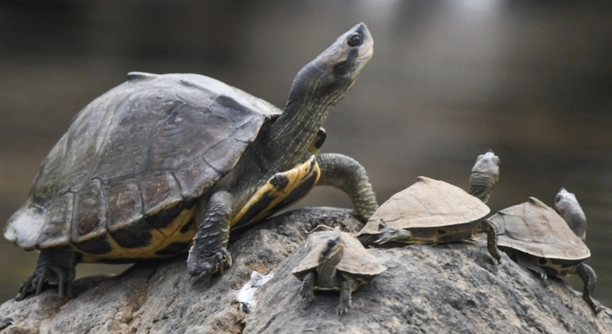
Many turtle owners notice that their Indian Roofed Tortoise seems to spend a lot of time facing corners. This behavior can be puzzling, but it is quite common among these creatures.
The most likely reason your Indian Roofed Tortoise faces corners is due to its natural instinct to seek out hiding spots. These tortoises are known to seek enclosed spaces for security and comfort, often turning to corners as a way to feel safe.
Understanding this behavior can help you create a more comfortable and enriching environment for your tortoise. We will discuss how to make sure your pet is happy and healthy.
Why Do Tortoises Face Corners?
Indian Roofed Tortoises often face corners because they instinctively look for places that feel secure. These creatures feel safest when they can hide or feel enclosed, and corners can mimic this sense of safety. The behavior is common among many turtle species, not just the Indian Roofed Tortoise. While it might seem unusual, it’s a natural part of their personality and instincts. In the wild, they would seek shelters that give them a sense of protection from predators. In captivity, corners or even small spaces might offer that same feeling of security.
This behavior isn’t something to be worried about. It is simply the tortoise’s way of adapting to its environment. By observing how they behave, you’ll notice that these creatures prefer stability and quiet places. The corners of their enclosures provide them with a small, familiar space to retreat to, much like the hideaways they would find in nature.
To ensure your tortoise’s well-being, try to give them a variety of options in their enclosure. By adding hiding places like tunnels or small shelters, you can keep their environment stimulating, which might lessen their need to face corners as much. Giving them space to roam will encourage them to explore more freely while still feeling safe.
Providing the Right Environment
A well-maintained enclosure is key to keeping your Indian Roofed Tortoise happy. While corners might feel comfortable for them, offering a varied environment will help keep them healthy. Ensure that their enclosure is large enough and contains enough hiding spots for them to explore.
Offering a proper mix of lighting, humidity, and temperature is also essential. This helps your tortoise thrive in an environment that closely resembles their natural habitat. Tortoises are sensitive to their surroundings, and by keeping their space properly equipped, you can reduce repetitive behaviors like facing corners. Their environment should also be designed to allow for movement and comfort.
Why Corners May Feel Safer for Your Tortoise
Corners are small, enclosed areas that mimic hiding spaces found in the wild. Tortoises instinctively seek these spots to feel secure. This behavior is part of their natural survival instinct, as they tend to avoid open, exposed areas. In the wild, they would use caves, crevices, or dense vegetation to hide from predators.
If you notice your Indian Roofed Tortoise frequently facing a corner, it’s not a sign of stress or illness. It’s a sign that they’re seeking shelter. This instinctive behavior helps them stay safe. In a home environment, corners provide that same sense of safety.
While it’s normal for your tortoise to seek corners, it’s important to make sure they have enough space and different options to explore. Giving them access to various hiding spots in their enclosure may help alleviate some of the need to spend so much time in corners.
How to Create a Safe Space for Your Tortoise
To help your tortoise feel secure without constantly facing corners, you can provide several hiding spots around their enclosure. Use tunnels, rocks, or even artificial caves to give them places to retreat to. These options should be spacious enough to allow them to feel enclosed without being too restrictive.
Offering a safe space encourages natural behaviors while keeping your tortoise mentally stimulated. It’s essential to consider the size of their enclosure as well. A larger space with plenty of hideaways helps reduce stress and encourages exploration. If the enclosure is too small, your tortoise may feel more inclined to seek out corners for comfort.
You can also adjust the placement of the hideaways so that they feel like they have more choices. This way, your tortoise won’t feel cornered by its environment but can still enjoy the sense of security that it craves.
The Role of Lighting and Temperature
Proper lighting and temperature control are crucial for your tortoise’s well-being. These factors affect their behavior and how comfortable they feel in their environment. If the temperature or lighting is not ideal, your tortoise might feel the need to retreat into corners for warmth or shade.
If you haven’t already, consider adding a heat source to their enclosure to mimic the warmth of the sun. Tortoises require UVB light to stay healthy, so ensuring they have access to it can prevent discomfort. Improper lighting or temperature can lead to stress, which might cause them to seek corners more often.
Understanding Tortoise Behavior
Tortoises often show repetitive behaviors when they feel insecure or stressed. If your tortoise is facing corners regularly, it’s important to evaluate other factors such as their environment and interactions. A calm, stable environment is crucial for reducing unnecessary stress.
Over time, you may notice that when their environment is set up properly, they may be less likely to stay in corners. This is a sign that they feel secure enough to explore and move around more freely.
Giving Your Tortoise Room to Move
A larger enclosure gives your tortoise the opportunity to move around, explore, and find their own spots to feel secure. A cramped space can lead them to spend more time in corners, even if they aren’t particularly comfortable there.
FAQ
Why does my tortoise face the corner all the time?
Your Indian Roofed Tortoise faces the corner because it feels safe there. In the wild, tortoises seek out small, hidden spaces to protect themselves from predators. The corner provides an enclosed, quiet space where your tortoise can feel secure. It’s a natural behavior for them to look for areas that feel sheltered and safe. This is particularly common when they are adjusting to a new environment or need time to settle.
Is it okay if my tortoise spends a lot of time facing a corner?
Yes, it’s normal for your tortoise to face a corner. It’s part of their natural instinct to find enclosed areas where they feel protected. However, if your tortoise is always facing the corner and not engaging with other parts of its environment, it could indicate that the enclosure is too small or not stimulating enough. Make sure to check the overall setup and see if there are other hiding spots available for your tortoise to explore.
How can I stop my tortoise from facing the corner so often?
You can help your tortoise by providing a more spacious and enriched environment. Adding tunnels, rocks, or shelters can create other hiding spots, allowing them to feel safe in different areas. Ensuring that the enclosure is large enough to offer room for movement and exploration can help reduce the need to stay in one corner.
Should I worry if my tortoise seems stressed or anxious?
It’s important to monitor your tortoise for signs of stress. If your tortoise is constantly in a corner, not eating, or showing other signs of anxiety, it could be an indication that something in their environment is off. Make sure they have the proper lighting, temperature, and humidity levels. If you notice any unusual behavior, it might be helpful to visit a vet to rule out any health issues.
What is the ideal enclosure size for my Indian Roofed Tortoise?
For an adult Indian Roofed Tortoise, the enclosure should ideally be at least 4 feet long and 2 feet wide. This size allows them to move around comfortably and find different spots to explore. Larger enclosures offer more room to create a variety of hiding spots and areas for them to feel secure.
Can I use a corner as a permanent hiding spot for my tortoise?
While it’s fine for your tortoise to occasionally seek out a corner, it’s not ideal to make it their permanent hiding spot. A variety of hiding options is important for their mental and physical health. Over time, they should have access to different places where they can retreat and feel secure.
What should I do if my tortoise stops moving around or eating?
If your tortoise is suddenly not moving around or eating, it might be a sign that the enclosure conditions are not right or that they are feeling unwell. Check the temperature, lighting, and humidity levels in the enclosure. Make sure they have access to fresh food and water. If the issue persists, consult a vet to ensure there are no underlying health problems.
How do I ensure my tortoise has the right lighting and temperature?
Tortoises need a UVB light source to help them absorb calcium and maintain good health. The temperature in the enclosure should have a warm area of around 85–90°F and a cooler area of 70–75°F. This temperature gradient allows your tortoise to regulate its body temperature. Make sure to use a reliable thermometer and humidity gauge to keep everything in balance.
Is it necessary to provide humidity for my tortoise?
Yes, humidity is important for your tortoise’s health. Indian Roofed Tortoises typically prefer a moderate level of humidity, around 60-80%. You can achieve this by misting the enclosure occasionally or providing a water dish large enough for them to soak in. It’s crucial to monitor the humidity levels to prevent any health problems related to dehydration or shell issues.
Can stress affect my tortoise’s health?
Yes, stress can negatively impact your tortoise’s health. When stressed, tortoises may stop eating, become less active, or exhibit other abnormal behaviors. Factors like an overcrowded enclosure, improper lighting, temperature fluctuations, or a lack of hiding spaces can all contribute to stress. Ensuring that your tortoise has a safe, comfortable, and well-maintained environment can help reduce stress levels.
What are some signs that my tortoise is stressed?
Signs of stress in a tortoise include excessive hiding, loss of appetite, lethargy, and increased aggressiveness. If your tortoise is constantly in the corner or seems withdrawn, it might be reacting to environmental factors. Stress can also lead to physical symptoms like shell deformities or respiratory issues. Keeping a close eye on your tortoise’s behavior can help you spot these signs early.
Should I provide a water dish for my tortoise to soak in?
Yes, providing a water dish is important for your tortoise’s health. Indian Roofed Tortoises enjoy soaking in water to stay hydrated and help with shedding. Make sure the water dish is shallow enough for them to climb in and out of easily. The water should be clean and refreshed daily to prevent any bacterial growth.
How often should I clean my tortoise’s enclosure?
It’s important to clean your tortoise’s enclosure regularly to maintain a healthy environment. Spot cleaning daily, removing waste, and replacing dirty bedding will help keep things fresh. A full cleaning of the enclosure, including washing the dishes and wiping down surfaces, should be done weekly. Keeping the environment clean reduces the chances of infections or health issues.
Can I let my tortoise roam outside?
Yes, it’s a good idea to let your tortoise roam outside in a safe, enclosed area. Fresh air, sunlight, and natural grass are great for them. However, make sure the outdoor space is escape-proof and free of predators. Supervision is important to ensure they are safe while exploring outside.
Final Thoughts
It’s completely normal for your Indian Roofed Tortoise to face corners from time to time. This behavior stems from their natural instinct to seek safe, enclosed spaces where they feel protected. In the wild, tortoises often look for crevices or small hideouts to avoid predators, and in captivity, corners can provide that same sense of security. If your tortoise tends to spend more time in corners than other areas of the enclosure, there’s usually no cause for concern. It’s just part of how they interact with their environment.
However, it’s important to make sure your tortoise has a variety of options in its enclosure. While the corner may feel like a secure place, your tortoise needs room to roam and explore. Providing different hiding spots, such as tunnels, rocks, or shelters, can help give your pet more choices when it comes to finding a comfortable retreat. A well-designed environment with enough space and hiding places will encourage your tortoise to explore and be more active, instead of constantly seeking the corners.
Ultimately, the key to reducing corner-facing behavior is to ensure that your tortoise feels secure and comfortable in its space. Proper lighting, temperature, and humidity are also critical factors in creating a healthy and stress-free environment. Pay attention to their behavior and be proactive in making adjustments as needed. With a bit of observation and care, you can provide a happy, healthy habitat for your Indian Roofed Tortoise.

Hello,
If you enjoy the content that we create, please consider saying a "Thank You!" by leaving a tip.
Every little bit helps us continue crafting quality advice that supports the health, happiness, and well-being of pets around the world, for pets of all shapes, sizes, and species.
We really appreciate the kindness and support that you show us!