
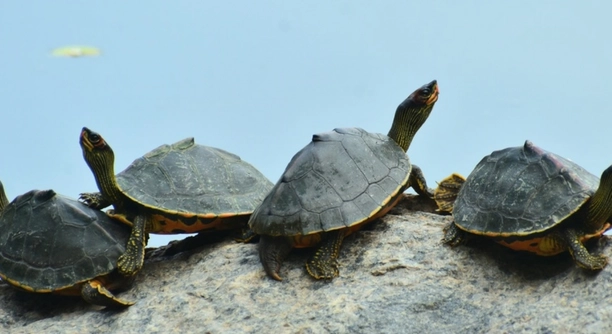
Are your Indian roofed tortoises getting the right amount of calcium to keep their shells strong and healthy?
The best calcium sources for Indian roofed tortoises include cuttlebone, calcium powder, leafy greens, eggshells, and calcium-rich vegetables. These options help prevent metabolic bone disease and support overall shell and bone health.
Providing the right calcium sources is essential for their well-being. Understanding these options will ensure your tortoise lives a long and healthy life.
Cuttlebone
Cuttlebone is one of the best calcium sources for Indian roofed tortoises. It is easy to find and provides a natural way to meet their calcium needs. Placing a cuttlebone in their enclosure allows them to nibble on it whenever they want. This helps maintain strong shells and supports proper bone development. It also helps to naturally trim their beaks, preventing overgrowth. Choose plain cuttlebones without added flavors or artificial ingredients. Regular access to cuttlebone is a simple way to ensure your tortoise gets enough calcium.
Adding cuttlebone to your tortoise’s enclosure is easy. Simply place it in a dry spot where your tortoise can reach it. It is safe to leave it there for them to chew as needed.
Cuttlebones are affordable and available at most pet stores. They are a reliable, natural source of calcium. Regular use can prevent calcium deficiencies and keep your tortoise healthy.
Calcium Powder
Calcium powder is an effective way to provide consistent calcium to Indian roofed tortoises. It is simple to use and can be sprinkled directly onto their food for easy consumption.
When choosing a calcium powder, opt for one without phosphorus or added vitamins. Pure calcium carbonate is the best option. Dust your tortoise’s food with calcium powder two to three times a week. This ensures they get enough calcium without overloading their system. Over-supplementing can cause health problems, so it is important to follow a regular but moderate schedule. For young or breeding tortoises, you may need to increase the frequency slightly.
Always use calcium powder designed for reptiles. Avoid powders with added vitamin D3 unless your tortoise does not receive natural sunlight. Indian roofed tortoises exposed to UVB light produce their own vitamin D3, which helps them absorb calcium. Regular supplementation with the right powder helps maintain a balanced diet and prevents health issues.
Leafy Greens
Leafy greens are a natural and nutritious calcium source for Indian roofed tortoises. They are easy to find and can be included in their daily diet. Focus on feeding greens with high calcium content while avoiding those with too much oxalate, which can block calcium absorption.
Good options include collard greens, mustard greens, and dandelion leaves. These are rich in calcium and provide essential vitamins. Avoid feeding spinach and beet greens frequently, as they contain oxalates that interfere with calcium absorption. Wash all greens thoroughly to remove pesticides and chemicals before feeding. Offering a variety of leafy greens helps balance their diet while keeping them interested in their food.
Rotate different leafy greens to provide a diverse nutrient profile. This prevents nutritional imbalances and keeps your tortoise’s diet fresh. Regularly offering calcium-rich greens supports strong bones and overall health, ensuring your tortoise thrives.
Eggshells
Crushed eggshells are a simple and affordable way to supplement calcium. They are easy to prepare at home and provide a natural source of calcium carbonate. Ensure the shells are clean and thoroughly dried before feeding them to your tortoise.
To prepare eggshells, rinse them thoroughly to remove any egg residue. Bake the shells at a low temperature for about 10 minutes to kill bacteria. Once cooled, crush them into small, manageable pieces. Sprinkle the crushed eggshells on your tortoise’s food a few times a week. This provides a steady source of calcium to support shell and bone health.
Using eggshells is a cost-effective solution that fits easily into your routine. Always offer eggshells in moderation alongside other calcium sources. This variety ensures your tortoise gets a balanced intake of essential minerals. Consistent calcium supplementation through eggshells helps prevent metabolic bone disease and keeps your tortoise healthy.
Calcium Blocks
Calcium blocks are a long-lasting and reliable calcium source for Indian roofed tortoises. They are designed to provide slow-release calcium, allowing your tortoise to nibble as needed. These blocks also help wear down their beaks naturally, preventing overgrowth while supporting shell and bone strength.
Place the calcium block in an easily accessible area of the enclosure. Monitor your tortoise’s interest and replace the block when it gets too small. Choose blocks specifically made for reptiles to ensure they are safe and free of harmful additives.
Calcium-Rich Vegetables
Calcium-rich vegetables provide additional calcium while adding variety to your tortoise’s diet. Safe options include okra, turnip greens, and squash. Feed these in moderation alongside other calcium sources to maintain a balanced diet and support overall health. Always wash vegetables thoroughly before offering them to your tortoise.
FAQ
How much calcium does my Indian roofed tortoise need?
The amount of calcium your tortoise needs depends on its age, size, and activity level. Generally, adult Indian roofed tortoises require calcium supplementation about 2-3 times a week, while younger tortoises or breeding females might need it more frequently. A good rule of thumb is to dust their food with calcium powder once every 2-3 days and offer other calcium sources like cuttlebone or leafy greens daily. It’s essential to monitor their diet and adjust as needed.
Can I use human calcium supplements for my tortoise?
No, you should never use human calcium supplements for your tortoise. These may contain additional ingredients, such as vitamin D3 or sweeteners, which are harmful to reptiles. It is best to use calcium products specifically made for reptiles to ensure they are safe and contain the appropriate balance of nutrients.
Why does my tortoise need calcium?
Calcium is crucial for maintaining a strong, healthy shell and bones in tortoises. It helps prevent metabolic bone disease (MBD), a condition that can cause deformities and weakness in the shell and bones. Calcium is also necessary for muscle function, nerve transmission, and overall growth. Without enough calcium, your tortoise may suffer from serious health issues.
How do I know if my tortoise is getting enough calcium?
Signs of calcium deficiency can include soft or deformed shells, lethargy, or difficulty moving. In more severe cases, you might notice fractures in the shell or limbs. If you suspect a deficiency, consult with a reptile veterinarian for a proper diagnosis. Regularly providing calcium supplements and ensuring a varied diet can help prevent these issues.
Can I overfeed calcium to my tortoise?
Yes, over-supplementing calcium can lead to problems, such as kidney damage or shell deformities. It’s important not to give calcium powder daily unless instructed by a vet, as too much calcium can interfere with other vital minerals, like phosphorus. Stick to a balanced schedule of calcium supplementation and monitor your tortoise’s health regularly.
Are there any vegetables that I should avoid feeding my tortoise for calcium?
Some vegetables, like spinach, beet greens, and chard, contain high levels of oxalates. Oxalates bind to calcium and prevent it from being absorbed properly. While these vegetables are not harmful in small amounts, it’s best to limit their inclusion in your tortoise’s diet. Focus on calcium-rich options like collard greens, mustard greens, and dandelion leaves for the best results.
Can I provide calcium through water instead of food?
It is not recommended to provide calcium through water, as your tortoise may not consume enough of it. Calcium is best absorbed when provided in food, like leafy greens or calcium powder on vegetables. Water-soluble calcium supplements are not ideal for tortoises since they do not actively drink large amounts of water in the same way other animals might.
How often should I replace the cuttlebone in my tortoise’s enclosure?
Cuttlebones should be replaced when they become significantly smaller or worn down. Typically, a cuttlebone will last for a few weeks to a couple of months, depending on how much your tortoise uses it. Check it regularly and remove any small pieces to prevent them from being swallowed. Ensure that your tortoise always has access to fresh cuttlebone.
Can I give my tortoise calcium blocks every day?
It is not necessary to offer calcium blocks every day, as they are a slow-release source. Providing a calcium block once or twice a week, alongside other calcium-rich foods, is usually sufficient. However, make sure the block is clean and dry, and replace it when it becomes too small for your tortoise to nibble on.
How can I make sure my tortoise is absorbing enough calcium?
Calcium absorption requires proper levels of vitamin D3, which can be obtained naturally through UVB light exposure. Make sure your tortoise has access to natural sunlight or a UVB light in its enclosure for at least 10-12 hours a day. Without sufficient UVB light, your tortoise may struggle to absorb the calcium you provide.
What are the best sources of calcium for a tortoise in captivity?
The best sources of calcium include cuttlebone, calcium powder, leafy greens like collard and mustard greens, eggshells, and calcium blocks. A varied diet that includes these items ensures your tortoise gets a well-rounded supply of calcium. Always ensure your tortoise’s diet is balanced with other nutrients as well, such as fiber and vitamins.
Can I use fruits as a calcium source for my tortoise?
Fruits generally contain low amounts of calcium and should not be relied upon as a primary source. While some fruits like figs contain calcium, they also have a high sugar content, which should be limited in your tortoise’s diet. Stick to vegetables and leafy greens for the best calcium supplementation.
How do I know if my tortoise is suffering from calcium deficiency?
Common signs of calcium deficiency include soft or deforming shells, difficulty moving, and twitching muscles. You may also notice a lack of energy or overall lethargy. If you see any of these signs, it’s important to adjust your tortoise’s diet and consider consulting a veterinarian for proper treatment.
Is it okay to feed my tortoise dairy for calcium?
No, dairy is not recommended for tortoises. Reptiles, including tortoises, cannot properly digest dairy products. Dairy can lead to digestive issues and may disrupt their natural calcium balance. Stick to plant-based sources of calcium, such as leafy greens and calcium-enriched foods.
Final Thoughts
Providing calcium for your Indian roofed tortoise is essential for their overall health, especially for maintaining a strong shell and bones. Calcium deficiency can lead to serious health issues, such as metabolic bone disease, which can cause deformities or weakness in their shell. Luckily, there are various ways to ensure your tortoise gets enough calcium, from cuttlebone and calcium powder to leafy greens and eggshells. These options are easy to incorporate into their diet and can help keep them healthy and active.
It is important to understand that balancing calcium with other nutrients is key to a healthy diet. Over-supplementing calcium can also cause problems, just as much as under-supplementing it. Be sure to follow the recommended guidelines for each calcium source and adjust based on your tortoise’s needs. Offering a variety of foods rich in calcium ensures they don’t get bored of their diet and also helps provide other important nutrients. Alongside calcium, make sure your tortoise has access to fresh water, UVB lighting, and a proper enclosure to support their well-being.
In the end, taking care of your tortoise’s calcium needs doesn’t have to be complicated. By offering them a mix of natural sources like leafy greens, cuttlebone, and calcium powder, you can ensure they stay strong and healthy. Regularly check on their shell, bones, and overall behavior to spot any signs of deficiency early. With proper care and attention to their calcium intake, your Indian roofed tortoise can enjoy a long, healthy life.

Hello,
If you enjoy the content that we create, please consider saying a "Thank You!" by leaving a tip.
Every little bit helps us continue crafting quality advice that supports the health, happiness, and well-being of pets around the world, for pets of all shapes, sizes, and species.
We really appreciate the kindness and support that you show us!