
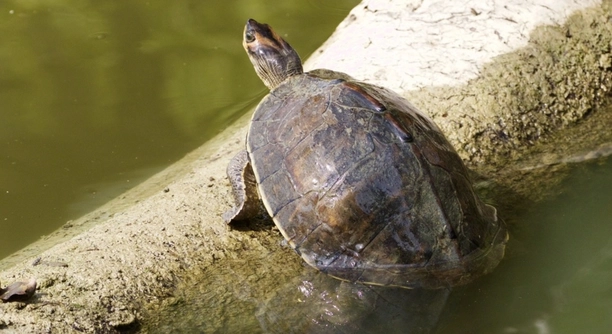
Indian Roofed Tortoises are fascinating creatures, and observing their behavior can be a unique experience. One common action that may catch your attention is when your tortoise puffs its neck, leaving you curious about what’s going on.
The puffing of the neck in Indian Roofed Tortoises is often a form of communication. It can be linked to a variety of factors, including displaying dominance, mating behavior, or even feeling threatened. Understanding these behaviors can help you care for your tortoise.
Recognizing the reasons behind your tortoise’s neck puffing is crucial in ensuring its well-being. Learn about the behaviors that are part of its natural instincts and how they impact your pet’s daily life.
Reasons for Neck Puffing in Indian Roofed Tortoises
The neck puffing behavior in Indian Roofed Tortoises can be influenced by multiple factors. One common reason is territorial behavior, where the tortoise may extend its neck to appear larger and more intimidating. This is often seen when they feel their space is being invaded, whether by another tortoise or another animal. Another possible cause is mating behavior, where males puff their necks to attract females. During mating season, this behavior is more frequent as they try to display dominance and impress potential mates. Additionally, neck puffing can also be a sign of stress or discomfort. If your tortoise feels threatened or confined, it may puff its neck as a defensive action to protect itself.
Sometimes, neck puffing can simply be a part of your tortoise’s natural behavior and personality. It’s important to observe other signs or actions that accompany this behavior to better understand the reason behind it.
Understanding what’s causing this neck puffing will help you make sure your tortoise is comfortable in its environment. By providing ample space and appropriate conditions, you can reduce unnecessary stress that may trigger such behavior.
How to Address Excessive Neck Puffing
Excessive neck puffing can be a sign of distress or discomfort. Ensure your tortoise has enough space to roam and feel secure. Stress from a cramped enclosure or poor environmental conditions can lead to frequent neck puffing.
To minimize stress, create a calm and safe environment for your tortoise. Ensure the enclosure provides both hiding spots and areas to bask. Indian Roofed Tortoises need a proper balance of temperature, humidity, and lighting to feel secure. They also thrive in environments where they have room to explore and establish their territory. If your tortoise is puffing its neck due to territorial behavior, make sure it’s not feeling overcrowded with other animals. Avoid keeping multiple males in one enclosure, as they can become competitive and territorial. If the behavior persists, consider consulting a veterinarian to rule out any underlying health concerns.
Stress and Anxiety in Indian Roofed Tortoises
Stress is one of the key factors behind neck puffing. If your tortoise feels threatened or uncomfortable in its habitat, it may puff its neck as a reaction. Noise, sudden changes in environment, or overcrowding can trigger stress.
A tortoise that’s stressed may exhibit other signs such as hiding, reduced eating, or restlessness. Ensure the enclosure is quiet and calm, and try not to disturb your tortoise too frequently. Consistent daily routines will help your pet feel more secure. It’s also important to avoid moving the tortoise to new spaces too often. Any changes to its environment, like rearranging furniture or placing new objects in the enclosure, can cause unease. Make sure its space is peaceful and undisturbed, with regular care and attention to help minimize stress.
Creating a comfortable, low-stress environment is essential for keeping your tortoise healthy. Providing consistent conditions, with proper lighting, temperature, and humidity levels, will ensure your tortoise is not under unnecessary stress. Avoid sudden changes in these factors, as tortoises rely heavily on stability to feel safe.
Territorial Behavior and Aggression
Territorial instincts often cause neck puffing. Indian Roofed Tortoises can be very protective of their space, especially when they feel their territory is being threatened.
Tortoises naturally defend their home and might use their neck puffing as a warning signal to others. If there are other tortoises or animals nearby, your pet may try to show dominance or warn them off. This behavior is more common when there are multiple males in an enclosure. When one male feels that another might encroach on its space, it may respond with neck puffing. To reduce territorial aggression, consider giving each tortoise their own area. It’s important to keep males and females separate unless you plan on breeding.
When territorial behavior becomes a concern, it can lead to constant neck puffing and even aggression. In such cases, increasing the size of the enclosure or adding more hiding spots may help. More room and objects to create separation can reduce confrontations. If the problem continues, consider consulting an expert to manage the behavior.
Mating Behavior and Neck Puffing
During mating season, male Indian Roofed Tortoises often puff their necks to display dominance. This behavior is a way for them to attract females and show off their strength. The puffing signals their readiness to mate.
When males puff their necks, they are trying to impress the female or ward off other males. This behavior may become more frequent during breeding times. If you have more than one male tortoise, you may notice an increase in neck puffing as they compete for attention. It’s a natural part of their mating ritual.
While this behavior is part of their instincts, it’s important to monitor if it becomes excessive or aggressive. If you’re not breeding your tortoises, you might want to separate males to reduce stress or competition.
Health Issues and Neck Puffing
Neck puffing can also be linked to health problems. If your tortoise is feeling unwell, it may puff its neck as a sign of distress. Any sudden change in behavior or signs of illness should be taken seriously.
Look for other signs of sickness, such as loss of appetite, lethargy, or swelling. If your tortoise is consistently puffing its neck without other apparent causes like territorial or mating behavior, it could be a sign of illness. In such cases, it’s best to consult with a vet who specializes in reptiles for proper diagnosis and treatment.
Environmental Conditions and Comfort
Improper environmental conditions can also lead to neck puffing. If your tortoise is uncomfortable due to temperature, humidity, or lighting issues, it may react by puffing its neck. Make sure the enclosure meets the proper requirements for your tortoise’s species.
FAQ
Why does my Indian Roofed Tortoise puff its neck?
Neck puffing in Indian Roofed Tortoises is a natural behavior that serves different purposes. It can be a sign of territorial behavior, especially when the tortoise feels that its space is being threatened. In other cases, neck puffing is often part of mating rituals, where males puff their necks to attract females or to show dominance over other males. It can also be a defensive action when the tortoise feels stressed or anxious.
How can I tell if my tortoise is stressed?
Stress in tortoises can be shown in several ways, including excessive neck puffing. Other signs of stress include hiding, decreased appetite, or moving around aimlessly. If the tortoise is suddenly more withdrawn than usual or seems uncomfortable in its environment, these can be indicators of stress. It’s essential to monitor their habitat and make sure the conditions—like temperature, humidity, and space—are appropriate.
What should I do if my tortoise’s neck puffing seems excessive?
If the neck puffing appears to be excessive or constant, it’s a good idea to reassess the living conditions of your tortoise. Check whether the enclosure is too small or if there are too many animals present. Territorial disputes can occur, especially with multiple males. Increasing the space and providing hiding spots can help reduce tension. If the behavior doesn’t stop or is accompanied by other concerning signs, consult a vet.
Can neck puffing indicate illness in my tortoise?
Yes, neck puffing could also be a sign of illness. If your tortoise is displaying neck puffing along with other signs like lethargy, loss of appetite, or swelling, it might be unwell. In such cases, it’s important to seek veterinary attention. Health issues, including respiratory infections or other internal problems, can lead to changes in behavior, including neck puffing as a sign of distress.
How do I provide the right environment for my tortoise to reduce neck puffing?
To reduce stress and prevent neck puffing, provide a spacious and secure environment for your tortoise. Ensure the enclosure has proper heating, lighting, and humidity, which are essential for its well-being. Avoid sudden changes to the environment or too much handling, as these can cause anxiety. Make sure your tortoise has a place to hide and feel safe.
Is neck puffing a sign of aggression in Indian Roofed Tortoises?
Yes, neck puffing can be a sign of aggression, especially during territorial disputes. Males may puff their necks to show dominance over other males or to defend their space. This behavior is more common when tortoises are housed in cramped conditions or when there are multiple males in the same enclosure. Providing ample space and separating aggressive tortoises can help reduce this behavior.
Do I need to separate my male tortoises if they puff their necks?
If you have multiple male tortoises and notice that they are frequently puffing their necks, it may be necessary to separate them. Males often compete for territory or mates, and if they’re in close quarters, this behavior can lead to aggression. Providing separate enclosures for each male or giving them more space can reduce the frequency of neck puffing and minimize potential conflicts.
Can environmental changes cause neck puffing in my tortoise?
Yes, environmental changes can lead to neck puffing. Tortoises are sensitive to their surroundings, and even slight alterations in temperature, lighting, or humidity can cause stress. For example, moving their enclosure or adding new objects can disrupt their comfort. Keep the environment stable and consistent to avoid causing unnecessary anxiety or behavior changes in your tortoise.
How can I tell if my tortoise is puffing its neck due to mating behavior?
Mating behavior is a common reason for neck puffing in male tortoises, especially during breeding seasons. If your tortoise is puffing its neck and displaying other signs like chasing, circling, or being more active, it may be part of a courtship display. The male tortoise puffs its neck to appear larger and more impressive to a female. This behavior is usually accompanied by other mating-related actions, such as head-bobbing or vocalizations.
Should I be concerned if my female tortoise puffs her neck?
If a female tortoise is puffing her neck, it could indicate that she is stressed or feeling threatened. Unlike males, females typically do not puff their necks for mating displays but may do so when they feel insecure or in danger. If a female is constantly puffing her neck, check her environment for any possible sources of stress, such as other animals, a lack of hiding places, or inappropriate temperatures.
Final Thoughts
Understanding why your Indian Roofed Tortoise puffs its neck is important for ensuring its well-being. Neck puffing is a natural behavior that can indicate different things, such as stress, territorial behavior, or mating rituals. While it’s common for male tortoises to puff their necks as a way to show dominance or attract females, it’s also important to watch for signs of discomfort or health issues. Observing your tortoise closely and paying attention to its behavior will give you a better idea of what might be causing the neck puffing.
Creating a suitable environment is key to reducing unwanted stress and preventing excessive neck puffing. Your tortoise needs a space that is safe, comfortable, and stable. Ensure that its enclosure has the right temperature, humidity, and lighting. A calm and quiet environment will help your tortoise feel secure, reducing the chances of stress-induced behaviors. Adding hiding spots or objects for your tortoise to explore can also help them feel less threatened. If you have more than one tortoise, make sure that the space is large enough to avoid territorial disputes, which could trigger neck puffing.
If your tortoise continues to puff its neck excessively or shows other concerning signs like loss of appetite, lethargy, or swelling, it’s time to consult a veterinarian. While neck puffing is usually harmless, it could sometimes signal underlying health issues. A professional can help you identify any medical concerns and guide you on how to take care of your tortoise properly. Keeping an eye on your pet’s behavior and ensuring it has a comfortable environment will help you create a happy, healthy life for your Indian Roofed Tortoise.

Hello,
If you enjoy the content that we create, please consider saying a "Thank You!" by leaving a tip.
Every little bit helps us continue crafting quality advice that supports the health, happiness, and well-being of pets around the world, for pets of all shapes, sizes, and species.
We really appreciate the kindness and support that you show us!