
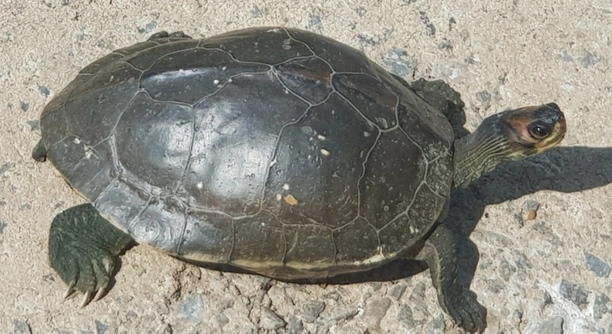
Indian Roofed Tortoises are gentle creatures that need special care, especially when it comes to their diet. Feeding them the right foods ensures they stay healthy and happy. However, some foods can cause digestive issues for them.
Certain foods can lead to digestive issues in Indian Roofed Tortoises. These include high-protein or high-fat foods, which may disrupt their digestive system. Avoiding these foods ensures better gut health and a more balanced diet.
Knowing which foods to avoid can help you maintain a healthy lifestyle for your tortoise. A few simple changes can prevent digestive discomfort and ensure they thrive in your care.
High-Protein Foods
High-protein foods can be particularly harmful to Indian Roofed Tortoises. Their diet should mostly consist of plants, as they are herbivores. Protein-rich foods, such as animal-based items or protein-heavy vegetables, can upset their digestion and lead to kidney issues over time. Overfeeding them protein can cause metabolic imbalances, leading to complications in their growth and overall health. It is essential to avoid foods like meat, eggs, or processed animal products, as these can disrupt their natural digestive process.
To keep your tortoise healthy, focus on leafy greens, fruits, and vegetables that provide necessary nutrients without overwhelming their system with excess protein.
Leafy greens like dandelion greens, collard greens, and kale are ideal for tortoises. Avoid feeding them protein-dense items and stick to vegetables that are high in fiber. Fiber is crucial for proper digestion, so you should ensure their diet consists mostly of plant-based foods. These will support their digestive tract and ensure long-term health.
High-Fat Foods
Fatty foods are another concern for your tortoise’s digestive health. Foods like nuts, seeds, and avocados are high in fat, which may lead to digestive issues. Tortoises can have trouble breaking down fats, especially if they consume too much.
If fed too often, high-fat foods may cause bloating or an upset stomach. The high-fat content could also lead to obesity over time, which can affect their mobility and overall well-being. Always choose low-fat foods for your tortoise to maintain their ideal weight and ensure digestive health.
Choosing foods with lower fat content is essential for a balanced diet. Offer your tortoise vegetables such as zucchini, squash, and carrots. They provide necessary vitamins and minerals without overwhelming their system with too much fat. Keeping their diet simple, with plant-based foods that are low in fat, will benefit their health in the long run.
Dairy Products
Dairy products are not suitable for Indian Roofed Tortoises. Their digestive systems are not designed to process milk, cheese, or yogurt. Consuming dairy can lead to diarrhea, dehydration, and overall discomfort. Dairy can cause an upset stomach and make your tortoise feel unwell.
Tortoises lack the enzymes needed to properly digest lactose, the sugar found in milk. This can result in digestive issues, such as bloating and gas. Even small amounts of dairy can cause problems. Stick to their natural plant-based diet to avoid these concerns.
If your tortoise accidentally consumes dairy, monitor them closely for signs of digestive distress. In severe cases, it could lead to long-term health problems, including dehydration. Ensure they have fresh water at all times to prevent dehydration if they do experience digestive issues. By keeping their diet free from dairy, you can help them live a longer, healthier life.
Fruit with High Sugar Content
Fruits are a great addition to a tortoise’s diet, but some are too high in sugar. Fruits like bananas, grapes, and watermelon can be too rich and cause digestive upset if fed too frequently. While fruits should make up a smaller portion of their diet, moderation is key.
Excess sugar can lead to digestive issues like bloating and diarrhea. Tortoises can also develop weight problems, which will affect their overall health. Feeding too much fruit can unbalance their diet, leading to metabolic problems over time. Choose fruits with lower sugar content, like apples or pears, and offer them sparingly.
When feeding fruits, always ensure they are fresh and free from pesticides. Overripe or spoiled fruit can be even harder for your tortoise to digest. Offering fruit occasionally, and in small portions, will provide variety without putting stress on their digestive system. This approach helps prevent unwanted health problems while still giving them a treat.
Processed Foods
Processed foods should be avoided for Indian Roofed Tortoises. These foods often contain artificial preservatives, excess sugar, and unhealthy fats. Feeding your tortoise processed foods can lead to serious digestive issues and disrupt their natural diet. Stick to whole, natural foods for better health.
Processed foods may also cause weight gain, which can lead to other health issues like mobility problems. Their digestive systems are not equipped to handle artificial additives or excess sugar, so it’s important to focus on fresh, plant-based foods. Maintaining a balanced diet free from processed foods will keep them healthy.
Foods High in Oxalates
Foods high in oxalates, like spinach and beet greens, should be given sparingly. Oxalates can interfere with calcium absorption, potentially leading to shell and bone health issues. Too much oxalate can also cause kidney problems over time.
Offering high-oxalate foods occasionally, while focusing on other leafy greens, will provide necessary nutrients without the risk of calcium imbalance. Foods like dandelion greens and collard greens are low in oxalates and provide better nutrition for your tortoise. Keep variety in their diet to ensure a well-rounded nutritional intake.
Iceberg Lettuce
Iceberg lettuce is not beneficial for Indian Roofed Tortoises. While it’s low in nutrients and high in water, it lacks the vitamins and minerals they need. Feeding it too often can lead to malnutrition.
This type of lettuce has minimal nutritional value and is mostly made up of water. When given regularly, it can fill your tortoise’s stomach without offering the essential nutrients they require. Stick to darker, more nutrient-rich greens like romaine lettuce or kale, which offer more vitamins and fiber for their digestive system.
FAQ
What are the best foods for my Indian Roofed Tortoise?
The best foods for Indian Roofed Tortoises are high-fiber, low-protein, and low-fat plant-based options. Leafy greens such as dandelion greens, collard greens, and romaine lettuce are excellent choices. You can also offer a variety of vegetables like squash, carrots, and bell peppers. Fruits should be given occasionally, with options like apples and pears being ideal. These foods provide the necessary vitamins and minerals for a healthy digestive system.
Can I feed my Indian Roofed Tortoise meat or animal-based foods?
No, Indian Roofed Tortoises are herbivores and should not be fed meat or animal-based products. Their digestive system is not designed to process protein from animals. Feeding them meat or high-protein foods can lead to kidney problems, digestive upset, and long-term health issues. Stick to a plant-based diet for their well-being.
Is it okay to feed my tortoise food scraps or leftovers from my meals?
It’s not recommended to feed your tortoise food scraps from your meals. Many human foods are not suitable for tortoises and could cause digestive issues. Spices, oils, or ingredients like salt can harm their digestive system and lead to serious health problems. Always feed them fresh, clean vegetables and fruits that are safe for their species.
Can I feed my tortoise iceberg lettuce?
Iceberg lettuce should be avoided for your tortoise. While it’s not toxic, it lacks the nutritional value they need and is mostly made up of water. Feeding iceberg lettuce regularly can lead to malnutrition and digestive issues. Opt for darker, more nutrient-rich lettuce varieties like romaine or other leafy greens.
How often should I feed my Indian Roofed Tortoise?
Indian Roofed Tortoises should be fed daily, but portion sizes will depend on their age and size. Younger tortoises need more food compared to adults. An adult tortoise may only need a small amount of food once a day. Make sure to provide fresh food every day and remove any uneaten food promptly to avoid spoilage.
Can Indian Roofed Tortoises eat flowers?
Yes, many flowers are safe and nutritious for your tortoise. Flowers like hibiscus, dandelions, and marigolds can be offered in moderation. However, avoid feeding flowers from plants that have been treated with pesticides or chemicals. Always research a specific flower before feeding it to ensure it’s safe for your tortoise.
Are there any foods that can harm my tortoise?
Yes, certain foods can harm your tortoise. Foods that are high in oxalates, such as spinach and beet greens, can interfere with calcium absorption, leading to shell and bone issues. Also, avoid feeding processed foods, dairy, high-sugar fruits, and any foods high in fat or protein, which can cause digestive upset and other health problems.
Can I feed my tortoise fruits every day?
Fruits should only be given as an occasional treat. While fruits offer a range of vitamins, they are also high in sugar, which can lead to digestive problems and obesity if fed too often. Offer fruit once or twice a week in small portions to avoid excess sugar in your tortoise’s diet.
What should I do if my tortoise has digestive problems?
If your tortoise is showing signs of digestive distress, such as diarrhea or lack of appetite, it’s important to evaluate their diet first. Remove any problematic foods and ensure they are getting a balanced diet. Offer fresh water and make sure they are in a warm, safe environment. If symptoms persist, consult a vet specializing in reptiles for advice.
How can I make sure my tortoise stays hydrated?
Hydration is key for your tortoise’s health. Make sure fresh, clean water is always available. Some tortoises also enjoy soaking in a shallow dish of water, which helps with hydration. Always monitor water levels and clean their water dish regularly to ensure it’s free from contaminants. Hydration supports their digestion and overall well-being.
Is it safe to feed my tortoise herbs?
Yes, many herbs are safe and beneficial for tortoises. Common herbs like basil, cilantro, thyme, and parsley can be offered in small amounts. Herbs provide variety in their diet and additional nutrients. Avoid offering any herbs that have been treated with chemicals or pesticides. Always introduce new herbs gradually to ensure your tortoise doesn’t have any adverse reactions.
How can I ensure my tortoise’s diet is well-balanced?
To ensure your tortoise’s diet is well-balanced, offer a variety of leafy greens, vegetables, and occasional fruits. Make sure the majority of their diet consists of high-fiber greens. Offer a range of different vegetables to provide essential vitamins and minerals. Avoid overfeeding one particular food to ensure they get a variety of nutrients. If you’re unsure, consult a reptile vet to help you plan a suitable diet.
Final Thoughts
Maintaining a healthy diet for your Indian Roofed Tortoise is essential to their well-being. A balanced, plant-based diet consisting mainly of leafy greens, vegetables, and a small amount of fruit is key to ensuring they thrive. Avoiding foods that are high in protein, fat, or sugar, as well as processed and dairy-based items, will help prevent digestive issues and long-term health problems. By sticking to natural, whole foods, you can keep your tortoise in optimal health.
It’s also important to remember that not all foods are created equal for tortoises. Some foods, such as high-oxalate vegetables, can interfere with calcium absorption and lead to bone health issues over time. Offering a variety of safe, nutrient-rich options, and ensuring they don’t eat foods that could harm them, will provide them with the proper nutrition. Additionally, keeping portions appropriate to their size and age is crucial to avoid overeating or malnutrition.
Caring for your tortoise’s diet can seem overwhelming at times, but it’s a manageable task when you focus on their natural needs. With proper research and attention, you’ll be able to provide a diet that supports their digestive system, strengthens their bones, and helps them live a healthy, happy life. If ever in doubt, consulting a vet can offer you peace of mind and ensure you’re on the right track. Proper care goes a long way in ensuring the health of your tortoise.

Hello,
If you enjoy the content that we create, please consider saying a "Thank You!" by leaving a tip.
Every little bit helps us continue crafting quality advice that supports the health, happiness, and well-being of pets around the world, for pets of all shapes, sizes, and species.
We really appreciate the kindness and support that you show us!