
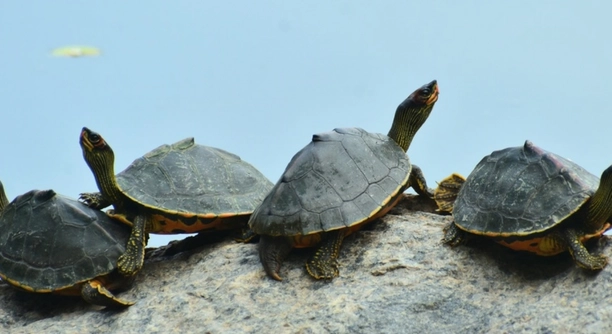
Is your Indian roofed tortoise acting differently or showing unusual spots on its shell? Recognizing the early signs of a fungal infection is essential for ensuring your pet stays healthy and receives the care it needs.
Fungal infections in Indian roofed tortoises typically present as white or fuzzy patches on the shell, discoloration, or soft spots. Other signs include lethargy, loss of appetite, and excessive scratching. If left untreated, these infections can worsen and lead to serious health complications.
Shell health is crucial for your tortoise’s well-being. Knowing what to look for can help you take quick action and prevent further issues.
White or Fuzzy Patches on the Shell
Fungal infections often start as small white or fuzzy patches on the shell. These patches may look dry or powdery, spreading over time if left untreated. The fungus thrives in damp environments, making a moist enclosure a risk factor. Regular shell inspections can help catch the problem early. If you notice any abnormal spots, it’s important to take action right away. Cleaning the affected area with a reptile-safe antifungal solution may help, but severe cases might require veterinary treatment. Ensuring a clean, well-ventilated habitat can prevent fungal growth and keep your tortoise healthy.
Fungal patches are more than just a surface issue. If ignored, the infection can penetrate deeper layers of the shell, causing pain and long-term damage. Treating it early reduces the risk of complications and helps your tortoise recover faster.
A dry, clean environment is key to preventing fungal infections. Proper humidity levels, regular tank cleaning, and good basking areas help keep your tortoise’s shell in top condition.
Discoloration or Soft Spots
Discoloration and soft spots on the shell often indicate an underlying fungal infection. A healthy shell should be firm and maintain a consistent color, free from unusual spots or weak areas.
Fungi can weaken the shell over time, making it vulnerable to further infections. Soft spots can develop when the infection spreads beneath the surface, affecting the shell’s structure. If your tortoise’s shell appears darker, lighter, or develops irregular patches, it may be time to intervene. Keeping an eye on these changes can help prevent more serious issues.
To address this, start by gently cleaning the shell with a reptile-safe antiseptic solution. Make sure your tortoise has a dry area to bask in, as proper UVB exposure strengthens the shell. If the soft spots persist or worsen, consult a reptile veterinarian for further treatment. A strong, healthy shell is essential for protecting your tortoise from infections and other health problems.
Lethargy and Loss of Appetite
A fungal infection can make your tortoise feel weak and uninterested in food. If your tortoise is moving less than usual, avoiding meals, or spending too much time hiding, the infection may be affecting its overall health. A loss of appetite can lead to further complications.
Fungal infections put stress on the immune system, making your tortoise feel sluggish. It may stop exploring its enclosure, bask less, and show little interest in its surroundings. When food is ignored, weight loss becomes a risk. Offering favorite foods might encourage eating, but if the issue persists, veterinary care is needed. A vet can determine if the infection has spread internally or if another health issue is present. Keeping the enclosure clean and maintaining proper temperature and humidity levels will support recovery. A balanced diet with calcium and vitamins also helps strengthen the immune system.
Monitoring energy levels and food intake is crucial. A sudden decrease in activity or appetite should not be ignored. These signs can indicate that the infection is worsening or causing discomfort. Regular checkups with a vet, along with good husbandry practices, will help keep your tortoise in the best possible condition.
Excessive Scratching or Rubbing
Frequent scratching or rubbing against objects can be a sign of discomfort caused by a fungal infection. Your tortoise may try to relieve irritation by rubbing its shell or limbs against rough surfaces. This behavior can worsen the condition, leading to shell damage or open wounds.
Fungal infections irritate the skin and shell, causing discomfort that your tortoise tries to soothe by scratching. If the infection spreads to the limbs, your tortoise may excessively rub its legs or neck. Repeated scratching can break the skin, increasing the risk of secondary infections. To prevent further damage, inspect your tortoise regularly for signs of irritation. Providing a smooth, clean environment and avoiding rough decorations can help reduce unnecessary rubbing. A lukewarm soak with an antifungal treatment may provide relief. If the scratching persists, a vet visit is recommended.
Keeping the enclosure dry and sanitized is essential. Avoid excessive moisture, as it encourages fungal growth. Ensure proper ventilation and clean the substrate frequently. Bathing your tortoise occasionally in clean, warm water can help remove dirt and potential irritants. Addressing scratching early prevents complications and supports a faster recovery.
Unpleasant Odor from the Shell
A foul smell coming from your tortoise’s shell can indicate a fungal infection. As the infection worsens, decaying tissue or bacterial buildup can create a strong, unpleasant odor. This is often a sign that the infection has penetrated deeper layers of the shell.
Cleaning the affected area with a reptile-safe antifungal solution may help reduce odor. If the smell persists, the infection might be severe and require professional treatment. A vet can remove dead tissue and prescribe medication if necessary. Keeping the enclosure clean and ensuring proper ventilation helps prevent infections from getting worse.
Peeling or Flaking Shell
A fungal infection can cause the shell to peel or flake abnormally. While natural shedding happens occasionally, excessive peeling that reveals soft or discolored areas underneath is a concern. This can weaken the shell, making it more vulnerable to injuries and other infections. Immediate care is necessary to prevent further damage.
Swollen or Irritated Skin
Fungal infections can spread beyond the shell, leading to swollen or irritated skin. You might notice redness, puffiness, or unusual patches on the limbs, neck, or tail. Keeping the affected areas clean and ensuring your tortoise has a dry, sanitary habitat can help reduce irritation and prevent further complications.
FAQ
Can a fungal infection heal on its own?
A mild fungal infection might improve with better habitat conditions, but most cases need treatment. Without proper care, the infection can spread deeper into the shell or skin, leading to more serious health issues. Cleaning the affected areas and using antifungal treatments can help speed up recovery. A vet visit is recommended if the infection does not improve or worsens.
How can I treat my tortoise’s fungal infection at home?
Start by cleaning the affected area with a reptile-safe antifungal solution or a diluted betadine soak. Keep your tortoise’s habitat clean and dry, ensuring proper ventilation and UVB exposure. Remove damp substrate and replace it with dry bedding to prevent further fungal growth. If the infection is severe, at-home treatment may not be enough, and veterinary care will be necessary.
What causes fungal infections in Indian roofed tortoises?
Fungal infections develop in humid or unclean environments where fungi thrive. Poor ventilation, dirty water, and lack of proper UVB exposure weaken the shell, making it more susceptible to infection. Injuries or cracks in the shell can also allow fungi to enter and spread. Keeping the habitat clean and maintaining correct humidity levels helps prevent infections.
How long does it take for a tortoise to recover from a fungal infection?
Recovery time depends on the severity of the infection and the effectiveness of treatment. Mild cases may clear up within a few weeks, while more serious infections can take months. Consistent care, including antifungal treatments, proper humidity control, and a clean environment, plays a big role in recovery. Regular vet checkups ensure the infection is healing properly.
Can a fungal infection spread to other tortoises?
Yes, fungal infections can spread between tortoises, especially in shared enclosures. If one tortoise has an infection, separate it from the others to prevent contamination. Disinfect the enclosure, food dishes, and decorations to eliminate fungal spores. Washing your hands after handling an infected tortoise also helps stop the spread.
Is shell rot the same as a fungal infection?
No, shell rot is a bacterial infection, while a fungal infection is caused by fungi. Both conditions can weaken the shell and cause peeling, discoloration, or soft spots. However, shell rot often produces a strong odor and can lead to deep infections. A vet can determine the difference and suggest the right treatment.
Should I change my tortoise’s diet if it has a fungal infection?
A balanced diet helps boost the immune system, aiding recovery. Offer calcium-rich foods and leafy greens to support shell health. Avoid feeding too many fruits, as excess sugar can encourage fungal growth. Providing a varied diet with proper supplements helps your tortoise heal and prevents further infections.
How can I prevent fungal infections in my tortoise?
Maintain a clean, well-ventilated enclosure with proper humidity and temperature levels. Ensure your tortoise has access to a dry basking area with strong UVB lighting. Regularly clean the water dish, substrate, and decorations to reduce fungal growth. Monitoring your tortoise’s shell health and addressing small issues early helps prevent serious infections.
When should I take my tortoise to the vet?
If the fungal infection does not improve within a few weeks, worsens, or spreads to deeper shell layers, a vet visit is necessary. Signs of severe infection include deep soft spots, strong odor, swelling, or refusal to eat. A vet can prescribe stronger antifungal treatments and check for underlying health issues.
Final Thoughts
Caring for an Indian roofed tortoise means paying close attention to its health, especially when it comes to fungal infections. These infections can start with minor symptoms like white patches or slight peeling but can quickly worsen if left untreated. A clean, dry, and well-ventilated enclosure is the first step in preventing fungal growth. Providing proper UVB lighting and a balanced diet strengthens the shell and immune system, making your tortoise less vulnerable to infections. Early detection is key, so checking your tortoise regularly for changes in its shell, skin, or behavior can help catch problems before they become serious.
If a fungal infection develops, taking action right away is important. Cleaning the affected areas with a reptile-safe antifungal solution, adjusting humidity levels, and keeping the enclosure as dry as possible can help stop the infection from spreading. In mild cases, these steps may be enough for recovery, but more severe infections may require veterinary treatment. Ignoring the signs of infection can lead to deep shell damage, pain, and further health complications. Separating an infected tortoise from others and disinfecting its environment can also prevent the spread of fungi. Consistent care and proper husbandry are the best ways to ensure a smooth recovery.
Keeping your tortoise healthy takes effort, but the rewards are worth it. A well-maintained habitat, a nutritious diet, and regular health checks help prevent not just fungal infections but many other common health issues. Every tortoise is different, so understanding its normal behavior and appearance makes it easier to notice when something is wrong. Whether it’s a slight change in activity level, appetite, or shell condition, acting quickly can make a big difference. With the right care, your tortoise can thrive for many years, staying strong and active in its environment.

Hello,
If you enjoy the content that we create, please consider saying a "Thank You!" by leaving a tip.
Every little bit helps us continue crafting quality advice that supports the health, happiness, and well-being of pets around the world, for pets of all shapes, sizes, and species.
We really appreciate the kindness and support that you show us!