
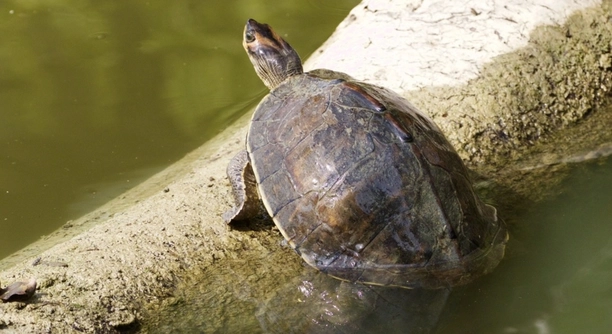
Keeping your Indian Roofed Tortoise healthy requires paying attention to its diet, and fiber is an important component. Ensuring they get enough fiber helps with digestion and overall well-being.
To determine if your Indian Roofed Tortoise is getting enough fiber, check their diet for high-fiber plant material. Common sources include grasses, leafy greens, and fibrous vegetables. Insufficient fiber can cause digestive issues and lethargy.
Fiber is crucial for your tortoise’s digestive health, and there are simple ways to ensure it’s part of their diet. We will explore how to provide the right balance for their nutrition.
What is Fiber and Why is it Important for Your Tortoise?
Fiber is an essential nutrient that helps keep your Indian Roofed Tortoise’s digestive system running smoothly. It comes from plants and plays a key role in digestion. A high-fiber diet helps prevent constipation and supports regular bowel movements. Without enough fiber, your tortoise may experience health problems like bloating or loss of appetite. While fiber may seem simple, it also aids in keeping their weight in check, as it helps them feel full without adding too many calories. To make sure your tortoise is healthy, you need to provide fiber-rich foods consistently.
Fiber is crucial for digestion, and it helps prevent common problems like constipation. It also ensures that your tortoise absorbs nutrients properly, supporting its overall health.
When providing fiber, focus on offering a variety of plant-based foods. Grasses, dandelion leaves, and clover are some examples of high-fiber options that are perfect for tortoises. Adding fibrous vegetables like collard greens and cactus pads can also make a difference. Including these foods regularly in their diet will help promote a healthy gut. The more natural and varied, the better for your tortoise’s digestion and overall well-being.
How to Tell If Your Tortoise Needs More Fiber
If your tortoise isn’t getting enough fiber, you may notice some warning signs. These could include a lack of appetite, lethargy, or difficulty passing waste. A common indicator is when your tortoise’s stools are small, hard, or infrequent. This can be a sign that their diet isn’t providing enough fiber to support digestion. Weight loss may also occur if the fiber content is low, as tortoises may struggle to properly absorb nutrients.
A lack of fiber can show up in several ways, but the main signs are related to their digestion. A poor diet will quickly show in your tortoise’s behavior and overall health.
To check if your tortoise is getting enough fiber, observe their eating habits and stool consistency. Offer a mix of fiber-rich foods like grasses, leafy greens, and vegetables such as cactus pads. If their stool is still hard or infrequent, it may be time to adjust their diet. Be patient, as changes in diet might take some time to show effects. It’s important to make adjustments carefully and consistently. By offering a variety of fiber sources and monitoring their health, you can help maintain your tortoise’s digestive system in top condition.
Best Fiber Sources for Your Indian Roofed Tortoise
Grasses, leafy greens, and certain vegetables are the best sources of fiber for your tortoise. Dandelion leaves, clover, and grass hay should make up a significant portion of their diet. Other high-fiber options include collard greens, cactus pads, and hibiscus leaves. These foods support their digestion and overall health.
High-fiber grasses should be offered daily, as they provide not only fiber but also essential nutrients. You can also provide a variety of leaves and vegetables like dandelion greens, mulberry leaves, and kale. These are naturally high in fiber and can help balance your tortoise’s diet. Always ensure the greens you offer are pesticide-free.
Another great addition is cactus pads, which provide both fiber and moisture. They can help maintain hydration while delivering the fiber your tortoise needs. Be sure to remove any spines before offering cactus pads, as these can cause harm. Variety is key to keeping your tortoise’s diet interesting and nutritionally balanced.
Signs Your Tortoise Is Not Getting Enough Fiber
If your tortoise’s stools are small, dry, or hard, it’s likely they aren’t getting enough fiber. Constipation or trouble passing waste can lead to bloating and discomfort. Another sign is weight loss, which can result from insufficient fiber affecting nutrient absorption.
If you notice your tortoise becoming sluggish, having trouble passing stools, or losing interest in food, these may be signs that they need more fiber. A poor diet will affect both their energy levels and overall health. Their behavior often reflects what’s happening inside their digestive system.
In such cases, begin by increasing the amount of fibrous foods in their diet. Include more grass hay and leafy greens while reducing any high-calcium or low-fiber foods. Making small, gradual changes will allow their digestive system to adjust. Consistency in providing fiber-rich options will help them return to normal.
How to Add Fiber to Your Tortoise’s Diet
To increase fiber, focus on offering more grasses, leafy greens, and fibrous vegetables. Adding hay, dandelion leaves, and cactus pads will boost fiber content. Avoid overfeeding high-calcium plants that might crowd out fiber-rich foods. Gradually introduce these changes for a smoother dietary transition.
Start by offering a variety of high-fiber plants daily. Introduce them slowly, ensuring your tortoise adjusts without stress. Avoid sudden changes, as this can cause digestive upset. Monitor their stool consistency and energy levels. By carefully increasing fiber, you’ll help prevent digestive issues and maintain overall health.
Fiber and Hydration for Your Tortoise
Fiber-rich foods like cactus pads and certain greens provide both fiber and moisture. Proper hydration is important for digestion. Offering foods that are high in both fiber and water ensures your tortoise stays well-hydrated, which also supports healthy bowel movements.
Fiber not only helps digestion but also aids in absorbing water from food. Proper hydration helps soften stools and promotes regularity. This is important for tortoises, as dehydration can lead to constipation and other digestive issues. Ensuring they have a water source and moisture-rich foods will keep them balanced.
FAQ
What happens if my tortoise doesn’t get enough fiber?
If your tortoise lacks fiber in its diet, it may develop digestive issues like constipation or bloating. Without enough fiber, the digestive system doesn’t function properly, and stools can become small, hard, or infrequent. This can also cause your tortoise to become lethargic and lose interest in eating. In the long term, a poor diet may lead to weight loss and other health problems. Fiber is essential for proper nutrient absorption, so without it, your tortoise may also become malnourished.
How do I know if my tortoise is eating enough fiber?
You can tell if your tortoise is eating enough fiber by checking its stool. Healthy tortoise droppings are typically large, moist, and well-formed. If the stool is small, dry, or hard, it could indicate a lack of fiber. Also, monitor your tortoise’s activity levels. If it seems lethargic or disinterested in food, it could be a sign of insufficient fiber. Ensure you’re offering a variety of high-fiber plant material, like grasses, leafy greens, and cactus pads, to keep its diet balanced.
Can I feed my tortoise fruits to increase fiber intake?
Fruits do contain some fiber, but they are generally not the best source for tortoises. Most fruits are higher in sugar and moisture, which can cause digestive issues if given in excess. While fruits can be a treat, they should not replace fiber-rich vegetables or grasses. Instead, focus on offering dark leafy greens, hay, and certain fibrous plants like dandelion leaves. These provide the necessary fiber without the excess sugars that can harm your tortoise’s health.
What kind of hay should I provide for my tortoise?
Grass hay is one of the best types of hay to feed your tortoise for fiber. Timothy hay is a popular choice for many tortoises, as it’s high in fiber and low in protein and calcium, which is perfect for adult tortoises. You can also offer other varieties of grass hay like meadow hay or oat hay. Avoid feeding alfalfa hay to adult tortoises, as it is too high in protein and calcium, which can lead to health problems over time. Providing a constant supply of hay will keep your tortoise’s digestive system healthy.
How can I encourage my tortoise to eat more fiber-rich foods?
To encourage your tortoise to eat more fiber, offer a variety of fibrous foods. Different textures and flavors may make the food more appealing. Start by introducing new high-fiber plants gradually, allowing your tortoise to get used to the change. You can also try soaking certain fibrous foods like cactus pads to make them easier to chew. Be sure to remove any uneaten food after a few hours to keep the environment clean and avoid spoilage. Experiment with different types of greens, grasses, and vegetables to find what your tortoise likes best.
Can I give my tortoise fiber supplements?
While fiber supplements are available for reptiles, they should only be used in rare cases. The best approach is to provide natural, high-fiber foods. Supplements are not necessary if you’re offering a variety of plant-based foods that naturally contain fiber. In fact, over-reliance on supplements may cause imbalances in your tortoise’s diet. Focus on feeding fresh, high-quality, fibrous greens and vegetables instead. If you suspect a fiber deficiency or digestive issue, consult a veterinarian before considering any supplements.
How much fiber should my tortoise eat daily?
The amount of fiber your tortoise needs depends on its age, size, and species. Generally, adult tortoises require a high-fiber diet made up mostly of grasses and leafy greens. A good rule of thumb is to ensure that 70-80% of your tortoise’s diet is made up of high-fiber plants. Baby tortoises may require slightly different dietary proportions, but the focus should still be on high-fiber foods. Make sure that fiber-rich plants form the bulk of your tortoise’s daily intake, and keep the portion sizes consistent for a balanced diet.
Are some vegetables better for fiber than others?
Yes, some vegetables are better than others when it comes to fiber content. Dark leafy greens like collard greens, turnip greens, and dandelion leaves are excellent sources of fiber. Cactus pads, mulberry leaves, and hibiscus leaves are also good fibrous options. Avoid feeding vegetables that are low in fiber, like lettuce or tomatoes, as these offer minimal nutritional value and can lead to digestive issues. Focus on providing a variety of high-fiber vegetables to ensure your tortoise gets all the nutrients it needs.
How often should I change the food I offer my tortoise?
You should offer a fresh variety of fiber-rich foods every day. Rotating the plants and vegetables in your tortoise’s diet ensures they get a range of nutrients. Fresh greens, hay, and fibrous vegetables should be available at all times. You can offer different plants each day to maintain variety, but be cautious about overfeeding any single type of food. Too much of one type of food could lead to nutritional imbalances. Always remove any uneaten food from your tortoise’s habitat after a few hours to avoid spoilage.
Can I feed my tortoise fiber-rich flowers?
Certain flowers can be a good addition to your tortoise’s fiber intake. Flowers such as dandelions, hibiscus, and nasturtiums are safe and offer fiber, along with additional vitamins and minerals. However, you should ensure that the flowers you offer are pesticide-free and safe for tortoises to eat. Avoid any flowers that might be toxic, and always double-check the safety of plants before offering them to your tortoise. Flowers should only make up a small portion of their diet and not replace other high-fiber foods.
Final Thoughts
Ensuring your Indian Roofed Tortoise gets enough fiber is essential for its overall health and well-being. Fiber plays a crucial role in digestion, helping prevent constipation and other digestive issues. Without it, your tortoise may experience discomfort, lethargy, and even long-term health problems. By providing a variety of high-fiber foods such as grasses, leafy greens, and fibrous vegetables, you are supporting your tortoise’s digestive system and helping them stay active and healthy. It’s important to maintain a balanced diet with a good amount of fiber, as it contributes to their long-term happiness and vitality.
While fiber is essential, it’s also important to remember that variety is key. Different types of plants offer various nutrients, so providing a mix of grasses, leafy greens, and vegetables ensures that your tortoise gets a well-rounded diet. Offering a range of high-fiber foods also keeps mealtime interesting for your tortoise, which can encourage them to eat and stay engaged with their food. Including moisture-rich fibrous foods like cactus pads can also help keep your tortoise hydrated, which aids in digestion and keeps them comfortable. Monitoring their stool and behavior can help you track if they are getting the right amount of fiber and staying healthy.
Finally, changes to your tortoise’s diet should be gradual to avoid any digestive upset. If you notice signs of insufficient fiber, such as dry, small, or hard stool, adjust their diet by slowly adding more fiber-rich foods. Always offer fresh, pesticide-free plants, and remove any uneaten food after a few hours to prevent spoilage. With the right care and attention, your tortoise can thrive and enjoy a healthy, balanced diet. Keeping an eye on their fiber intake is an important step toward ensuring they live a happy and active life.

Hello,
If you enjoy the content that we create, please consider saying a "Thank You!" by leaving a tip.
Every little bit helps us continue crafting quality advice that supports the health, happiness, and well-being of pets around the world, for pets of all shapes, sizes, and species.
We really appreciate the kindness and support that you show us!