
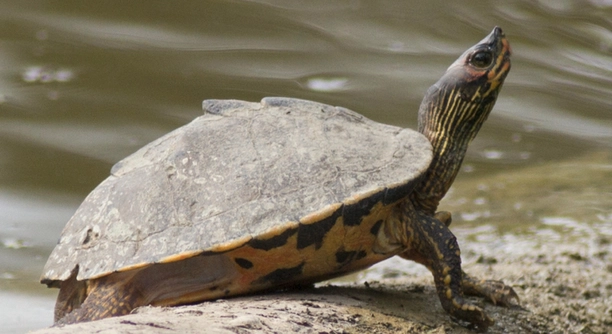
Indian Roofed Tortoises are known for their calm demeanor, but there can be times when they show signs of anxiety. It’s important to understand what could be triggering their stress to help them feel secure.
Several factors contribute to an anxious Indian Roofed Tortoise, including improper temperature, habitat changes, and handling stress. Environmental changes, lack of proper space, or unbalanced diets may also lead to anxiety and discomfort.
Understanding these factors can help you provide a more relaxed and comfortable environment for your tortoise, ensuring it stays healthy and content. Keep reading to find out what could be causing your tortoise’s anxiety.
Temperature Stress
Indian Roofed Tortoises thrive in stable temperatures, and if their environment becomes too hot or cold, it can lead to stress. These tortoises prefer temperatures between 75°F and 85°F during the day. Extreme heat or cold may cause them to become lethargic or anxious. If the temperature fluctuates too much, it disrupts their internal balance, leading to discomfort. Heat stress can cause them to hide excessively or lose interest in food, while cold stress can make them slow-moving and inactive. Without a steady, regulated temperature, it becomes difficult for them to feel safe or secure.
An indoor heat source, such as a basking lamp, can help. Ensure the temperature gradient in their habitat, providing both a warm area and a cooler spot for them to move between.
To maintain their well-being, a reliable thermometer is essential to monitor their environment. Regularly adjusting the temperature will reduce the likelihood of stress and help them remain active and healthy. Properly heated and cooled areas ensure they can bask when needed and retreat to a cooler space when they choose.
Habitat Size and Space
A cramped enclosure can make your tortoise feel trapped and anxious.
Tortoises need enough space to roam around and explore. A small, confined space can lead to frustration and stress. The larger the habitat, the more freedom they have to move, which helps keep their stress levels low. If your tortoise’s home is too small, they may exhibit behaviors such as pacing or digging.
Indian Roofed Tortoises require enough space to move around freely, helping them feel safe and comfortable. The more room you can provide, the better, as it mimics their natural habitat where they are used to roaming. A spacious environment encourages natural behaviors like exploring, basking, and foraging. Providing an area with different textures and hiding spots also gives them opportunities to retreat when feeling overwhelmed. If you want your tortoise to be calm and relaxed, expanding their living space should be a top priority.
Handling and Overhandling
Indian Roofed Tortoises can get stressed if handled too much or in the wrong way.
If your tortoise is frequently picked up or moved around, it can cause anxiety, especially if they are not used to it. Tortoises are solitary creatures that prefer minimal interference. Too much physical contact can make them feel vulnerable or unsafe. It’s best to handle them only when necessary, such as for cleaning or health checks. Even then, keep it brief and gentle.
Overhandling can also affect their eating habits. If they feel overwhelmed, they may stop eating or refuse to interact. A good rule of thumb is to let them come to you rather than chasing them. If they retreat into their shell, give them space and let them calm down. Taking time to let your tortoise adjust to new situations will create a more positive experience for both you and your pet.
Diet and Nutrition
An improper diet can make your tortoise anxious.
Indian Roofed Tortoises need a well-balanced diet to stay healthy and stress-free. A lack of certain nutrients, like calcium or fiber, can lead to anxiety or health problems. If their diet consists mostly of low-quality food, like iceberg lettuce, it may cause digestive issues, which leads to discomfort.
A proper diet should include a variety of leafy greens, vegetables, and occasional fruits. Adding calcium supplements and offering a calcium-rich diet can prevent shell deformities and other health issues. Avoid feeding them processed foods or anything too high in fat. Ensuring their diet is varied will help keep them healthy and stress-free.
Furthermore, making sure food is fresh and clean will reduce the chances of gastrointestinal issues, which are often linked to anxiety. Regular feeding times help establish a sense of routine for your tortoise, which can further reduce stress. Consistent, healthy nutrition is a simple but effective way to help maintain a calm environment.
Lighting Conditions
Proper lighting is essential to your tortoise’s well-being.
Tortoises need both UVB and UVA light to thrive. UVB helps them produce Vitamin D3, which is crucial for calcium absorption. Without sufficient UVB light, they may become lethargic, anxious, or even develop metabolic bone disease.
Ensure your tortoise has access to UVB lighting for 10-12 hours a day. This will simulate the natural sunlight they would experience in the wild. Regularly replace UVB bulbs, as their effectiveness decreases over time. Lack of adequate lighting can disrupt your tortoise’s natural rhythms, contributing to stress. Consider using timers to maintain a consistent light cycle.
Noise and Disturbances
Tortoises are sensitive to noise and sudden movements.
Excessive noise or disturbances can cause stress, making your tortoise feel threatened. High-pitched sounds, like loud talking, music, or even household appliances, can trigger anxiety. It’s important to create a quiet, calm environment for them.
Consider placing their habitat in a quieter area of your home, away from traffic or frequent disruptions. If your tortoise feels safe and secure, it will be less likely to hide or become withdrawn. You may also want to minimize visitors or activity around their space, as too much commotion can overwhelm them. Keeping a peaceful atmosphere ensures they have a comfortable environment where they can relax and enjoy their time.
Changes in Environment
Indian Roofed Tortoises can become anxious when their environment changes.
Moving to a new habitat or rearranging their space can disrupt their sense of security. They rely on consistency to feel safe, so any alteration may cause stress.
When possible, avoid frequently changing the layout of their enclosure. Tortoises appreciate familiarity and will become more comfortable in a stable environment. If a move is necessary, give them time to adjust. Allow them to explore their new surroundings at their own pace, and don’t rush them through the process.
Social Interaction
Indian Roofed Tortoises are solitary and may feel stressed by excessive social interaction.
They don’t need constant human interaction or other pets around. Too much handling or the presence of other animals can overwhelm them, leading to anxiety. Limit the time spent with them to create a more relaxed environment.
Allowing them time to rest and explore on their own helps reduce stress. If there are other pets in the home, ensure they’re kept separate to avoid any unwanted interactions that might trigger anxiety. Letting your tortoise retreat when needed is key to their emotional well-being.
Unbalanced Diet
Feeding an improper or unbalanced diet can cause stress.
A diet lacking in nutrients or variety can lead to health issues and anxiety. Tortoises need fresh, high-quality foods to thrive, including leafy greens, vegetables, and some fruits. A lack of proper nutrition makes them more vulnerable to stress.
FAQ
What are the signs that my Indian Roofed Tortoise is anxious?
When your tortoise is anxious, you might notice certain behaviors. These can include hiding more than usual, refusing food, moving erratically, or even being more aggressive. They may also stop basking or spend an excessive amount of time in dark corners of their habitat. Watching for these signs helps you understand when your tortoise is feeling stressed and needs adjustments in its environment.
How often should I handle my tortoise?
Handling should be kept to a minimum. Indian Roofed Tortoises are not very fond of frequent physical interaction, so only pick them up when necessary, such as for health checks or cleaning. Overhandling can cause them stress, so try to keep sessions short and let them explore at their own pace. They do better in their own space, so respect their need for independence.
Can I keep multiple tortoises in the same enclosure?
It is possible, but it depends on their size and temperament. Indian Roofed Tortoises can sometimes tolerate living with others, but there may be conflicts, especially if they feel territorial. If you choose to house more than one tortoise, make sure their space is large enough to allow each one to have a private area. Watch for signs of aggression or stress between them.
What type of lighting does my tortoise need?
Indian Roofed Tortoises require UVB and UVA light to stay healthy. UVB helps them produce Vitamin D3, which is essential for calcium absorption, while UVA encourages natural behaviors like basking and feeding. A UVB bulb should be on for 10-12 hours daily to mimic natural sunlight. Make sure to replace the bulb regularly as it loses effectiveness over time.
Can I feed my tortoise fruits and vegetables daily?
Yes, fruits and vegetables should be a regular part of your tortoise’s diet, but it’s important to maintain balance. Offer a variety of leafy greens, like dandelion leaves, kale, and collard greens, along with vegetables such as squash and bell peppers. Fruits should only be offered in moderation, as too much sugar can upset their digestive system. Avoid feeding them foods high in oxalates or those that are toxic to tortoises, like iceberg lettuce.
How do I maintain the right temperature for my tortoise?
To keep your tortoise comfortable, the temperature should be between 75°F and 85°F during the day. You can achieve this by using a basking lamp that provides warmth on one side of the enclosure. The other side should be cooler, allowing your tortoise to regulate its body temperature by moving between areas. Always use a thermometer to monitor the temperatures, and make sure the habitat doesn’t get too hot or too cold.
What can I do if my tortoise isn’t eating?
If your tortoise stops eating, it could be a sign of stress or health issues. First, check if the environment is comfortable—ensure the temperature and lighting are correct. Also, look for any signs of illness, such as lethargy or shell problems. If the conditions seem fine and they still refuse food, try offering a different variety of vegetables or fruits to see if they have a preference. If the issue persists for more than a few days, consult a veterinarian who specializes in reptiles.
How do I create a stress-free environment for my tortoise?
To create a stress-free environment, focus on providing a spacious, quiet habitat. Keep the enclosure away from high-traffic areas in your home, and minimize noise and sudden movements. Ensure the temperature, humidity, and lighting are consistent, and provide hiding spots so your tortoise can retreat when needed. Avoid handling them too often and give them time to adjust to any changes in their environment.
Can I use a heat rock for my tortoise?
Heat rocks are not recommended for tortoises. They can cause burns if your tortoise stays on them for too long, as they can become very hot and aren’t regulated well. Instead, use a basking lamp or ceramic heat emitter, which provides more even and controlled heat. These options are safer and help maintain a proper temperature gradient in the enclosure.
What should I do if my tortoise is too active or seems restless?
If your tortoise is overly active or restless, check its living conditions first. Ensure the habitat is the right size, with plenty of space to roam. A restless tortoise could be stressed by overcrowding, improper temperatures, or even inadequate lighting. Also, make sure that the tortoise has plenty of opportunities for basking and hiding. If the environment seems fine and the restlessness continues, it might be a good idea to consult a veterinarian to rule out health issues.
How can I tell if my tortoise is comfortable in its environment?
A comfortable tortoise will exhibit natural behaviors, such as eating regularly, basking under the heat lamp, and moving around its enclosure at its own pace. They’ll also spend time in the areas of their habitat that are comfortable for them, whether that’s a cool hiding spot or a warm basking spot. If they seem relaxed and aren’t showing signs of stress, like hiding excessively or refusing food, they’re likely comfortable.
What is the best substrate for my tortoise’s enclosure?
The best substrate is one that allows your tortoise to dig, burrow, and feel secure. Options like coconut coir, organic soil, and grass hay are popular choices. Avoid using cedar or pine shavings, as the oils in these materials can be harmful. Make sure the substrate is deep enough for your tortoise to burrow if it wants to, but also easy to clean and maintain.
Final Thoughts
Taking care of an Indian Roofed Tortoise requires attention to detail, patience, and a commitment to maintaining a stable environment. These tortoises are naturally calm creatures, but when something is off in their surroundings, it can make them feel anxious or stressed. Understanding the factors that could affect their well-being—such as temperature, lighting, diet, and handling—helps create a space where they can thrive. It’s essential to make sure that their habitat is set up correctly and that they have enough room to move freely. An enriched environment encourages natural behaviors like exploring and basking, which are important for their overall health.
Tortoises are sensitive to changes in their environment, and sudden disruptions can cause them to feel unsettled. Whether it’s a new enclosure, a shift in routine, or excessive handling, it’s important to minimize stressors as much as possible. Regularly checking on their health, diet, and living conditions ensures that they remain comfortable. This also helps build a relationship of trust between you and your tortoise, where they feel safe enough to interact with you when needed. Over time, their behavior will give you cues about how they feel, so you’ll know when they are relaxed and when they might need adjustments to their environment.
Creating the best possible environment for your tortoise doesn’t have to be complicated. With a little attention to detail, you can address many of the common causes of stress and ensure that your tortoise stays happy and healthy. Consistency is key, whether it’s maintaining a stable temperature, offering a balanced diet, or limiting disturbances. Each step you take towards improving their care will help your Indian Roofed Tortoise feel more secure in its home, allowing it to live a calm and content life.

Hello,
If you enjoy the content that we create, please consider saying a "Thank You!" by leaving a tip.
Every little bit helps us continue crafting quality advice that supports the health, happiness, and well-being of pets around the world, for pets of all shapes, sizes, and species.
We really appreciate the kindness and support that you show us!