
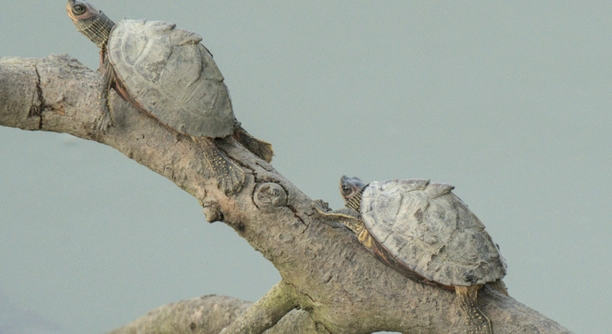
Your Indian Roofed Tortoise may be rubbing its shell against hard objects, and it could be for several reasons. This behavior, although unusual, is not uncommon among tortoises and can often be explained through natural instincts or health-related concerns.
The most likely cause for your tortoise rubbing its shell against hard objects is to shed its scutes. This process, known as ecdysis, is a natural part of its growth and can sometimes cause your tortoise to seek rough surfaces for assistance.
Understanding why your tortoise engages in this behavior will help you provide the best care for its health. Proper habitat maintenance and regular monitoring will ensure your tortoise remains comfortable.
Why Do Tortoises Rub Their Shells Against Objects?
Rubbing its shell against hard objects is a common behavior in tortoises. When your Indian Roofed Tortoise does this, it is usually trying to remove old skin, also known as scutes, from its shell. This natural process helps the tortoise grow and maintain the health of its shell. During shedding, the old scutes may start to loosen, and your tortoise may instinctively rub them against rough surfaces to help them detach. This action can also happen if the tortoise feels uncomfortable with its shell or is simply looking for a way to get rid of any debris that might have accumulated on it.
Sometimes, it may be a sign that your tortoise is trying to adjust to a new environment or habitat. Changes in temperature or humidity can cause discomfort, prompting the tortoise to rub its shell against objects to alleviate any irritation. Though this behavior is usually harmless, it’s important to observe your tortoise to make sure it isn’t a sign of more serious issues, like a shell infection or skin irritation.
If your tortoise seems to be rubbing its shell more than usual, it’s good to check the conditions in its enclosure. Ensure the habitat is at the correct temperature and humidity levels, as this will help it feel more comfortable. Regularly cleaning the tank or habitat can also reduce the chances of debris irritating your tortoise’s shell. A proper diet will further support its natural shedding process and ensure healthy shell growth.
What Happens if the Shell Isn’t Shedding Properly?
If your tortoise’s shell is not shedding properly, it may lead to problems like retained scutes or shell deformities. Retained scutes occur when the old layer of the shell doesn’t come off as it should. This can cause the shell to look uneven or flaky, and it might even lead to infections if left untreated. It’s important to make sure your tortoise is shedding its shell in a healthy and natural way.
Sometimes, improper shedding can result from environmental factors like poor humidity levels or inadequate space to move around. Inadequate nutrition, particularly a lack of calcium, can also affect the process. Providing a well-balanced diet and maintaining optimal living conditions are key to ensuring your tortoise’s shell stays healthy.
If you notice that the scutes aren’t coming off naturally, you can help by gently rubbing the shell with a soft cloth to assist with the shedding process. Always avoid using any harsh materials that could hurt the tortoise’s shell.
Signs of Shell Health Issues
If your tortoise is rubbing its shell against objects frequently, it may be a sign of a shell problem. Discomfort, damage, or infection in the shell can cause your tortoise to behave this way. Keep an eye out for cracks, discoloration, or swelling on the shell. Any of these could indicate that the shell isn’t in the best shape.
Healthy shells should be smooth and free of cracks. If you notice signs like unusual bumps, softness, or any change in color, it’s best to consult with a veterinarian. Infections, such as those caused by bacteria or fungi, can also lead to the tortoise rubbing its shell. You may also notice your tortoise spending more time in the water if it’s trying to alleviate discomfort.
A clean, dry environment will help prevent shell problems from developing. Regularly inspect your tortoise’s shell for any signs of damage. It’s important to keep their living space free from bacteria and debris, as these can irritate their sensitive shells. If you observe any of these issues, seek professional care for proper treatment.
Proper Shell Maintenance and Care
To maintain your tortoise’s shell health, it’s important to provide it with a balanced diet. A diet rich in calcium and other nutrients promotes strong, healthy shell growth. Leafy greens, such as dandelion greens and collard greens, should be a staple of your tortoise’s meals. Calcium is especially important for shell health, so offering cuttlebone or calcium supplements can be beneficial.
Ensure your tortoise gets enough sunlight or ultraviolet (UV) light to help with vitamin D3 production. This is essential for calcium absorption and healthy shell development. A consistent day-night cycle with proper light exposure is key. Along with diet and sunlight, regular exercise is important to prevent shell deformities. Allow your tortoise ample space to move and explore to help its shell grow properly.
Shell Infection and Irritation
If your tortoise’s shell shows signs of infection, such as unusual discoloration or an odor, it’s crucial to seek professional help. Infections can occur from scratches, poor hygiene, or humidity imbalance. Early treatment can prevent further issues and help your tortoise recover quickly.
Infections might result in swelling or soft spots on the shell. These spots can be painful for your tortoise and may cause it to rub its shell against objects. Keeping its enclosure clean and dry is vital in preventing such problems. If the infection persists, consult a veterinarian for appropriate treatment.
Environmental Factors Impacting Shell Behavior
Your tortoise’s environment plays a big role in its overall health, including its shell. Too much humidity or fluctuating temperatures can cause discomfort, leading to behaviors like shell rubbing. Ensure the habitat has consistent temperature and humidity levels to keep your tortoise comfortable and healthy.
For a balanced environment, keep the humidity around 60% to 80%, depending on the species, and provide warm basking spots that reach 90-95°F. Regularly clean the enclosure to prevent buildup of bacteria or fungus, which can also affect your tortoise’s shell and cause irritation.
When to Seek Professional Help
If the rubbing behavior seems excessive or if you notice changes in the shell’s appearance, it’s time to seek professional help. A veterinarian can examine your tortoise for underlying health issues, like infections or malnutrition, and provide treatment if necessary. Early intervention can make a big difference.
FAQ
Why is my tortoise rubbing its shell against hard objects?
Tortoises rub their shells against hard objects mainly to help shed the old scutes, which are the outer layers of the shell. This natural process occurs as the tortoise grows. Rubbing against rough surfaces aids in loosening and removing these old scutes. It’s a normal behavior, especially during shedding periods, and doesn’t usually indicate a health problem unless the rubbing becomes excessive or accompanied by other symptoms.
Is it normal for my tortoise to rub its shell constantly?
If your tortoise is rubbing its shell often, it’s essential to check its environment and health. Excessive rubbing could indicate discomfort or irritation, which may result from environmental issues like improper humidity or temperature, or from an underlying health problem like a shell infection or retained scutes. Monitoring your tortoise’s behavior and ensuring its enclosure is in optimal condition can help prevent this. If the behavior doesn’t stop or worsens, it’s best to consult a veterinarian.
How can I tell if my tortoise’s shell is shedding properly?
A tortoise’s shell should shed in a gradual, smooth manner. If you notice rough patches or sections of the shell that seem to be stuck, it could indicate a problem with shedding. Proper shedding typically happens in small, thin layers that come off naturally. Ensure the habitat is set to the right humidity levels to assist in the shedding process. If scutes are not falling off, your tortoise might need extra help, such as gentle rubbing with a soft cloth. If problems persist, consult a vet.
What should I do if my tortoise’s shell is soft or damaged?
A soft shell in a tortoise can be a sign of calcium deficiency or other health problems, such as metabolic bone disease. If your tortoise’s shell is soft or has visible cracks, it’s important to adjust its diet to ensure it’s receiving enough calcium. Offering a calcium supplement or cuttlebone can help. Damaged shells should be inspected by a veterinarian for potential infections or structural issues. A vet may recommend specific treatments depending on the severity of the damage.
Can shell rubbing cause harm to my tortoise?
While rubbing its shell against hard objects is generally harmless, it could lead to irritation or injury if done excessively or if the surfaces involved are too rough. In some cases, excessive rubbing can lead to abrasions or scrapes on the shell. It’s essential to ensure the objects your tortoise is rubbing against are smooth and safe. Regularly check the tortoise’s shell for any signs of damage or discomfort, and adjust the environment as needed.
How do I improve my tortoise’s shell health?
Maintaining a tortoise’s shell health involves providing a balanced diet, proper UVB lighting, and a clean, appropriately humid environment. Ensure your tortoise gets enough calcium, vitamins, and minerals through its diet. Foods such as dark leafy greens, dandelion greens, and high-quality tortoise pellets can help. Regularly clean its habitat to prevent the buildup of bacteria or fungus, and offer opportunities for exercise to support overall health.
Can humidity affect my tortoise’s shell?
Yes, humidity plays an important role in maintaining a tortoise’s shell health. Too much or too little humidity can cause problems. High humidity may lead to fungal infections or irritation, while low humidity can cause dryness, making it harder for your tortoise to shed its scutes. Ideal humidity levels range from 60% to 80% for most tortoises, but always check the specific needs of your species.
How often should I check my tortoise’s shell?
It’s a good idea to inspect your tortoise’s shell regularly, at least once a week, for signs of damage, infections, or other issues. Look for any cracks, discoloration, or unusual softness. Keeping a close eye on these details will help you detect potential problems early. Regular shell checks are a key part of ensuring the health of your tortoise.
Can poor diet affect my tortoise’s shell?
Yes, a poor diet can directly impact your tortoise’s shell. Lack of proper nutrients, especially calcium and vitamin D3, can lead to soft shells and other growth issues. Offering a balanced diet with plenty of greens, some fruit, and calcium-rich foods like cuttlebone or supplements can promote a healthy shell. A well-fed tortoise is less likely to develop shell issues in the first place.
Should I help my tortoise with shedding its scutes?
While it’s usually best to let your tortoise shed its scutes naturally, you can help if the shedding process is not occurring properly. Gently rubbing the shell with a soft cloth can assist in loosening any stuck scutes. Never force anything off, as this could damage the shell. If shedding problems persist, consult a veterinarian for advice on proper care.
Final Thoughts
Rubbing its shell against hard objects is a common and natural behavior for your Indian Roofed Tortoise. It is usually a way for the tortoise to shed old scutes, which are the outer layers of its shell. This process is necessary for the tortoise’s growth and is something that occurs regularly. While this behavior is mostly harmless, it is important to keep an eye on how often it happens and look for any other signs that might indicate a problem. If your tortoise is rubbing its shell excessively or showing other unusual symptoms, it could be a sign of discomfort or an underlying health issue.
Making sure your tortoise’s environment is suitable is key to keeping it healthy. Proper temperature and humidity levels play a big role in shell health and overall well-being. Providing a space that is not too dry or too damp can reduce the chances of your tortoise rubbing its shell due to environmental stress. You also want to ensure that your tortoise’s diet is balanced, with enough calcium and vitamins to support healthy shell growth. Supplements or cuttlebone can be added to help your tortoise get the right nutrients. Offering a variety of safe foods, such as leafy greens, can also encourage healthy development.
If you ever notice signs of injury, infection, or poor shell condition, it’s important to take action. Checking your tortoise’s shell regularly for any cracks, discoloration, or softness can help catch potential problems early. A veterinarian can offer guidance and treatment if there are any concerns about your tortoise’s health. Proper care, such as a balanced diet, clean environment, and regular shell inspections, will help ensure your tortoise’s shell stays strong and healthy throughout its life.

Hello,
If you enjoy the content that we create, please consider saying a "Thank You!" by leaving a tip.
Every little bit helps us continue crafting quality advice that supports the health, happiness, and well-being of pets around the world, for pets of all shapes, sizes, and species.
We really appreciate the kindness and support that you show us!